

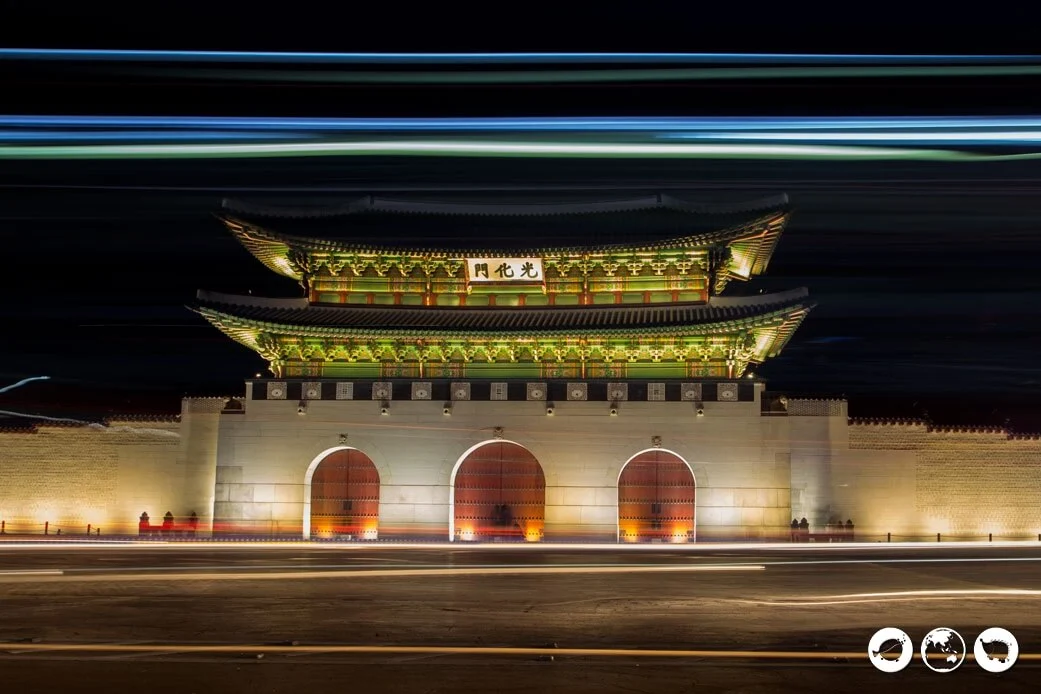
Seoul, the capital of South Korea, stands as a sprawling metropolis that seamlessly integrates centuries-old history with the rapid advancement of a global technology leader. As the cultural and economic epicenter of the nation, the city presents a vast array of activities for visitors. For those navigating this dense urban landscape, a comprehensive understanding of the city’s geography, history, and infrastructure is essential to maximizing a visit.

Historical Context and Modern Evolution

The history of Seoul is rooted in the Joseon Dynasty, which established the city as the capital in 1394. The presence of five major grand palaces—Gyeongbokgung, Changdeokgung, Deoksugung, Changgyeonggung, and Gyeonghuigung—serves as a testament to this royal heritage. Following the destruction of the Korean War (1950–1953), the city underwent a period of rapid industrialization known as the Miracle on the Han River. Today, Seoul is a G20 economy powerhouse, home to global conglomerates like Samsung, LG, and Hyundai, which have influenced its modern skyline, most notably through the construction of the Lotte World Tower, the fifth-tallest building in the world at 555 meters.

Outdoor Recreation Within an Urban Environment

Unlike many global capitals that isolate their green spaces, Seoul incorporates natural landscapes directly into its urban fabric. Bukhansan National Park, located within the city limits, offers over 70 square kilometers of mountainous terrain, providing a necessary respite for the city’s 9.7 million residents. The park features the Baegundae Peak, which rises to 836 meters, offering panoramic views of the metropolitan area.

The Han River serves as another vital artery for outdoor activity. Stretching across the city, the riverbanks have been transformed into a network of parks, including Yeouido Park and the Banpo Hangang Park. These spaces host a variety of public amenities, including bicycle rentals, outdoor swimming pools, and the Banpo Bridge Rainbow Fountain, which holds the Guinness World Record for the longest bridge fountain.

Cultural Landmarks and Institutional History

The city’s museum landscape offers a profound look into the nation’s socio-political development. The National Museum of Korea, located in Yongsan, houses over 300,000 artifacts, chronicling Korean history from the Paleolithic era to the modern day. For a more somber understanding of 20th-century history, the Seodaemun Prison History Hall provides an educational perspective on the Japanese colonial period (1910–1945), serving as a memorial to independence activists.

Modern art and design are equally prominent, with the Dongdaemun Design Plaza (DDP), designed by the late Pritzker Prize-winning architect Zaha Hadid, serving as a focal point for international design exhibitions. This structure, which appears as a neo-futuristic, silver-clad vessel, acts as a contrast to the nearby Gwanghwamun Square, where statues of King Sejong the Great and Admiral Yi Sun-sin serve as pillars of national identity.

Navigating the Metropolitan Infrastructure

The efficiency of Seoul is largely attributed to its public transportation system. The Seoul Metropolitan Subway, one of the most extensive systems in the world, consists of over 20 lines that carry millions of passengers daily. The system is highly subsidized, with fares remaining among the lowest for major global cities. A standard single-journey ticket is approximately 1,350 KRW, though the use of a T-Money card—a rechargeable RFID-based payment method—reduces the cost and allows for seamless transfers between the subway and the city’s extensive bus network.

Transportation data indicates that the system is not only reliable but remarkably punctual, with trains operating from 5:30 am to 1:00 am. During peak rush hours (4:30 pm to 8:00 pm), however, the system reaches maximum capacity. Travelers are advised to plan accordingly, as heavy traffic congestion during these hours often renders surface-level taxi travel less efficient than the rail-based alternatives.

Neighborhood Dynamics and Economic Impact

Seoul is a collection of distinct neighborhoods, each offering a different economic and cultural output. Gangnam-gu, often recognized globally due to the 2012 viral phenomenon that bears its name, is the hub of the city’s high-end commercial sector. It is home to the COEX Mall, one of the largest underground shopping centers in Asia, and the Bongeunsa Temple, providing a juxtaposition of modern luxury and traditional Buddhist practice.

Conversely, neighborhoods such as Hongdae, situated near Hongik University, cater to a younger demographic, focusing on indie arts, late-night entertainment, and live music venues. This area has become a primary driver of Seoul’s "soft power" export, influencing regional trends in fashion and entertainment. Meanwhile, areas like Itaewon serve as a hub for international expatriates and global cuisine, reflecting the city’s growing status as a diverse, multicultural center.

The Rise of Theme-Based Tourism

The city has pioneered "theme-based" tourism, particularly through the proliferation of concept cafes. From animal-themed venues—such as cat, dog, and sheep cafes—to more unconventional locations like the "Poop Cafe" in Insadong, these establishments reflect a broader trend in Korean consumer culture: the preference for highly photogenic, experiential retail. This "experience economy" has become a significant sector for local small businesses, drawing millions of tourists annually who seek unique content for social media platforms.

The Role of Medical and Aesthetic Tourism

In recent years, Seoul has solidified its position as a global leader in medical tourism. South Korea’s medical infrastructure, particularly in the fields of plastic surgery, dermatology, and ophthalmology, is renowned for high standards and competitive pricing compared to North American or European markets. The Lasek and Lasik eye surgery market, for instance, has seen significant growth, with specialized clinics in Gangnam attracting patients from across the globe. Industry reports suggest that medical tourism contributes billions of dollars to the local economy annually, with government initiatives continuing to streamline visa processes for medical visitors.

Strategic Planning for International Visitors

For international travelers, the transition into the Korean digital landscape requires specific tools. While global mapping services like Google Maps provide basic functionality, they are often outperformed by local services like Naver Maps and KakaoMap, which provide more accurate data on public transit routes and pedestrian paths.

Furthermore, the country’s telecommunications infrastructure is among the fastest in the world. Visitors are encouraged to secure local SIM cards or mobile Wi-Fi "egg" devices at Incheon International Airport upon arrival to ensure constant connectivity. This is particularly relevant for navigating the city’s "smart" infrastructure, which relies heavily on mobile integration for everything from restaurant reservations to public transport payments.

Environmental and Seasonal Implications

Visitors must also account for the extreme climatic variance in the region. Seoul experiences a humid continental climate, with winters dropping below freezing and summers reaching high temperatures accompanied by significant rainfall during the monsoon (jangma) season in July and August. The most favorable times for tourism are generally the spring (April to June) and autumn (September to November), characterized by moderate temperatures and the aesthetic appeal of cherry blossoms or fall foliage, respectively.

Broader Implications for Global Connectivity

As Seoul continues to host major international events and expand its influence, the city’s infrastructure serves as a model for urban development. The integration of high-speed digital access, reliable public transport, and the preservation of historical sites creates a stable environment for tourism. The city’s ability to maintain these standards while managing the pressures of rapid urbanization and an aging demographic remains a subject of study for urban planners worldwide.

In summary, a visit to Seoul is a study in contrasts. From the meditative silence of the Jogyesa Temple to the neon-lit frenzy of the Dongdaemun shopping district, the city offers a multidimensional experience. By leveraging the efficient subway system and understanding the distinct characteristics of its diverse neighborhoods, travelers can engage with one of the most vibrant and historically rich urban environments in the 21st century.
