

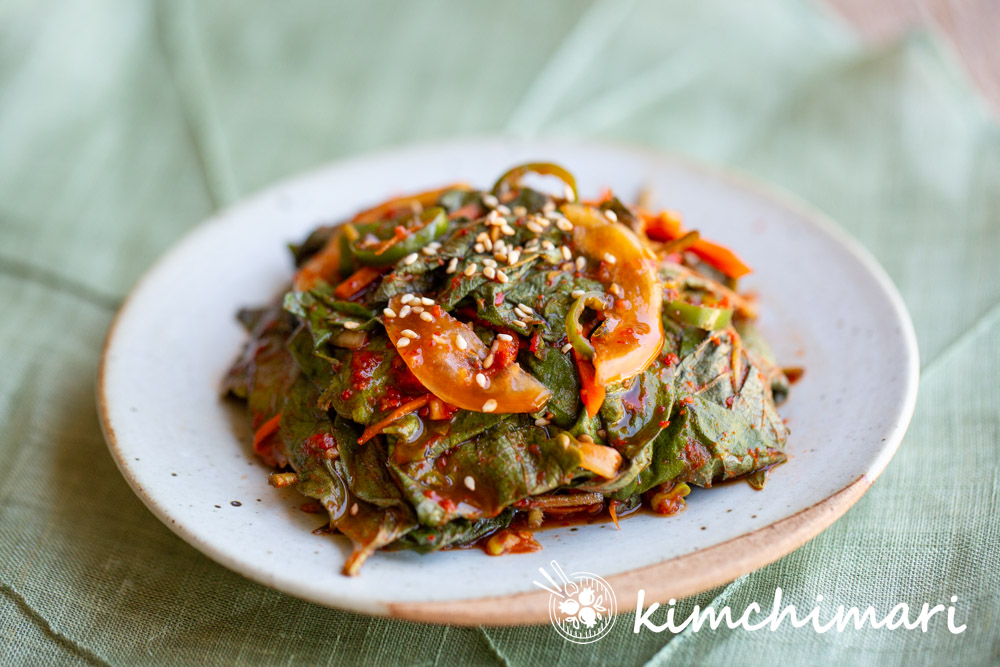
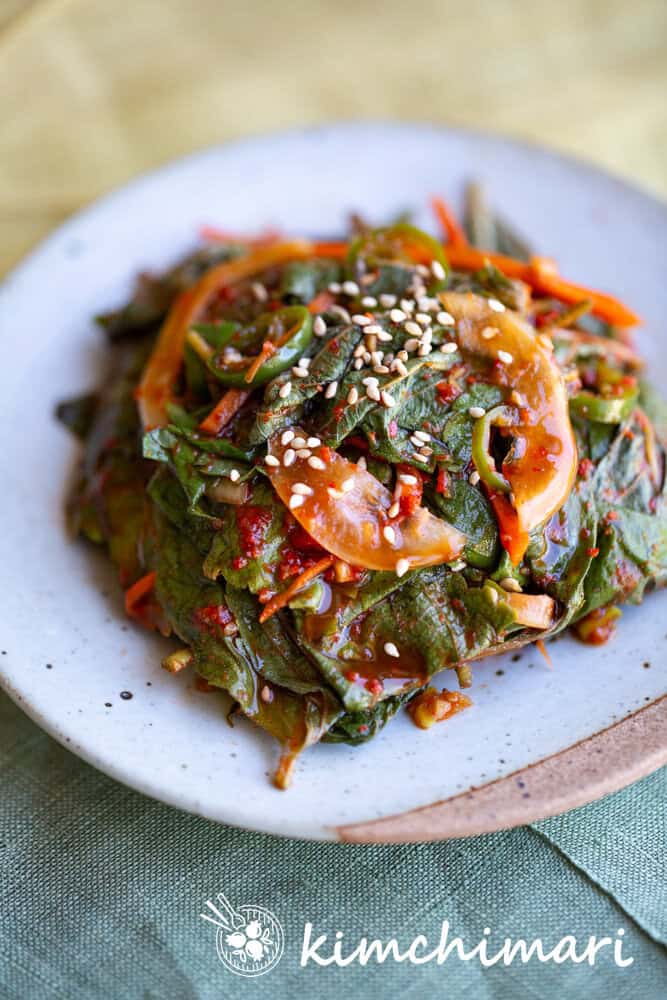
The landscape of modern Korean home cooking continues to evolve as traditional regional delicacies gain mainstream popularity through digital platforms and culinary documentation. Among the most recent additions capturing the attention of both domestic and international food enthusiasts is Perilla Leaf Kimchi, widely known in Korean as Kkaennip Kimchi. Distinguished by its intensely herbaceous flavor profile, this vibrant dish combines the distinct, earthy notes of perilla foliage with a dynamic seasoning blend characterized by spicy, sweet, salty, and garlicky elements. Unlike conventional cabbage or radish kimchi that requires extended periods of heavy salting and multi-day fermentation cycles, perilla leaf kimchi offers a streamlined preparation method that bridges the gap between fresh vegetable salads and traditional preserved side dishes (banchan).
Culinary Background and Botanical Significance
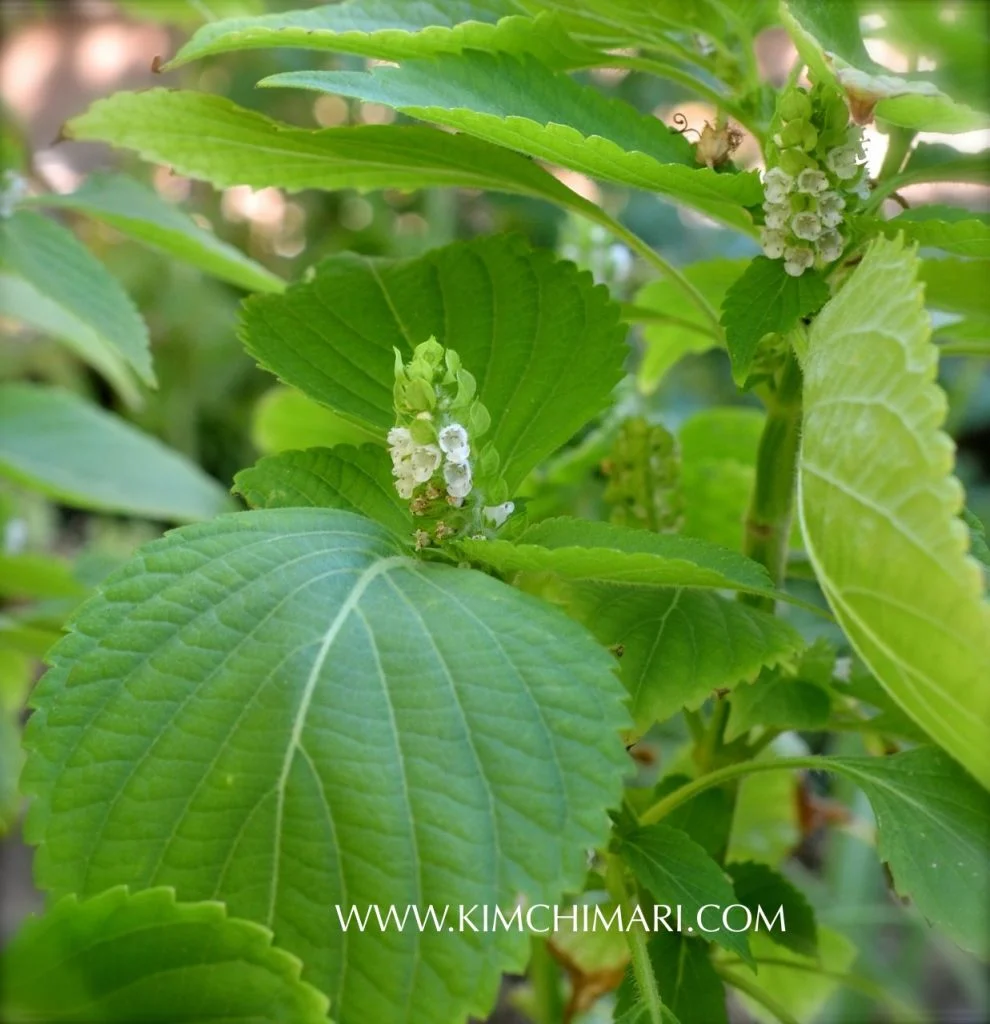
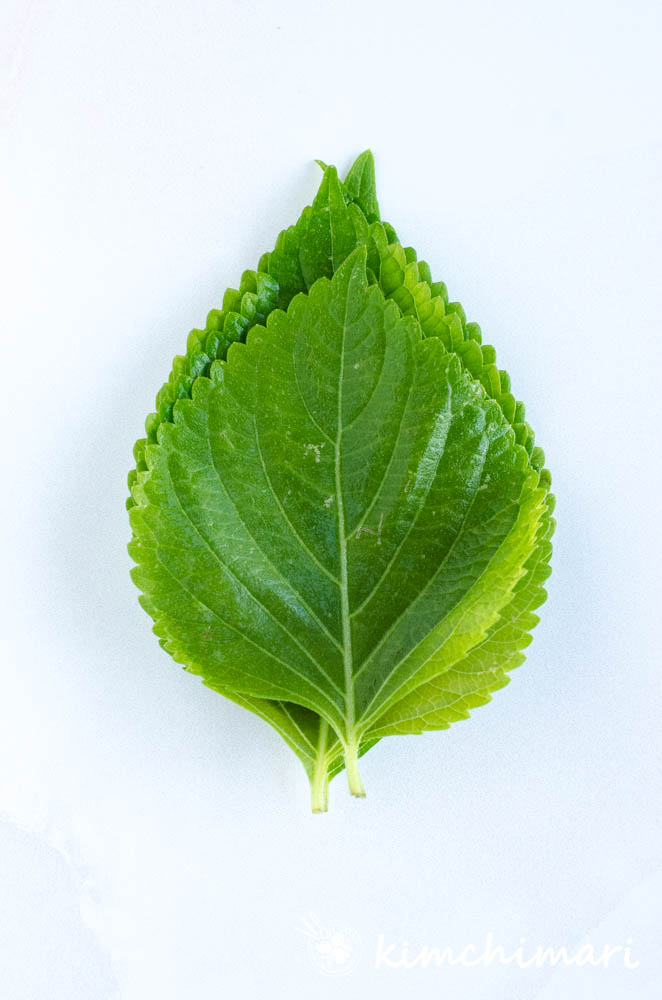
Perilla leaves, botanically classified as Perilla frutescens and referred to in Korean as kkaennip, occupy a foundational position in Korean agriculture and gastronomy. Often described colloquially as the Korean counterpart to basil, the plant yields aromatic leaves that are utilized across various culinary applications, ranging from raw vegetable wraps (ssam) accompanying grilled pork belly to delicate stir-fried side dishes (namul) and aromatically infused oils.

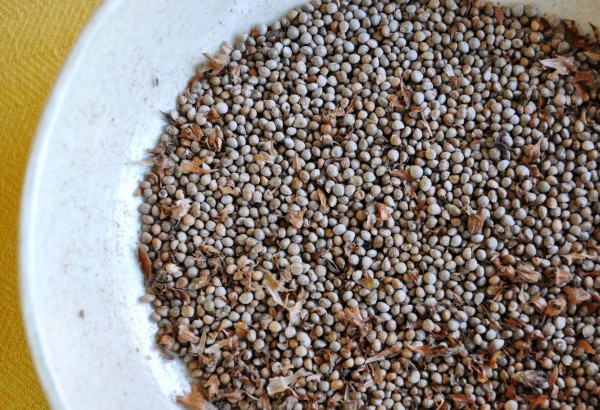
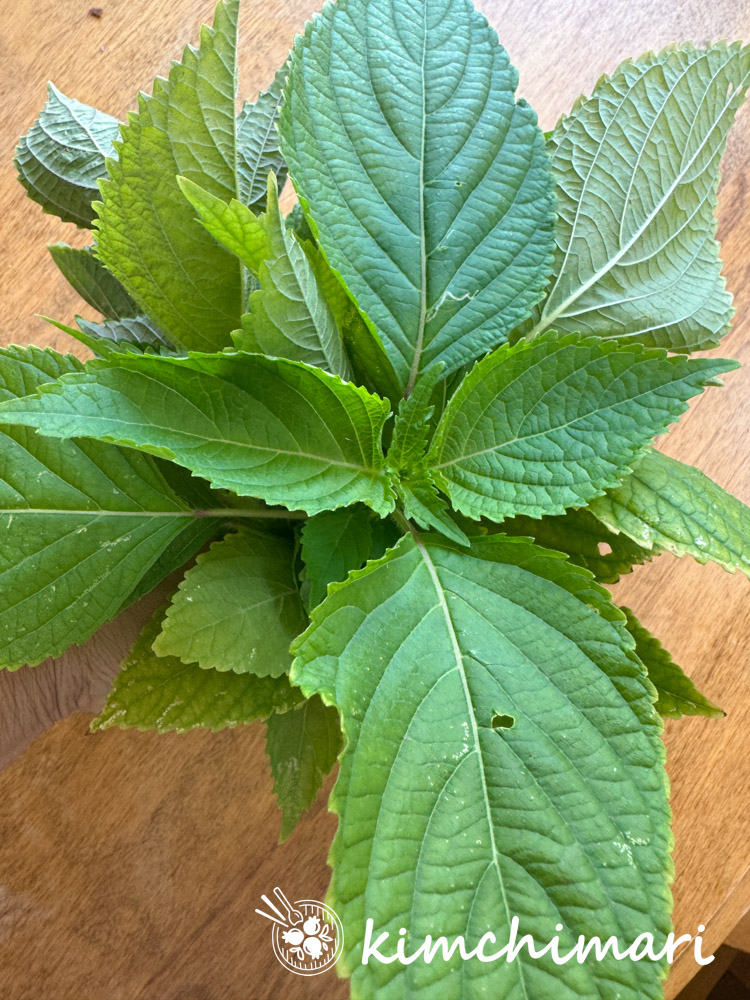
The plant’s utility extends beyond its leaves. The mature plant produces oil-rich seeds, known as deulggae, which are pressed into aromatic perilla oil (deulgireum) or ground into a nutrient-dense powder used to enrich soups and stews. While sesame seeds (chamkkae) are ubiquitous throughout East Asian cooking, perilla seeds provide a uniquely robust, nutty profile that defines many traditional rural recipes. In Korean marketplaces, perilla foliage is typically sold in two distinct formats: bunches of large, individual mature leaves, and tender top shoots harvested from the upper nodes of the plant. While individual leaves are frequently utilized for steamed side dishes or soy-based pickling (jangajji), the tender top shoots are increasingly favored for quick-style kimchi preparations due to their tender texture and high concentration of essential oils.
Evolution of Preparation and Modern Culinary Adaptation
Historically, the preparation of kkaennip kimchi or its pickled counterpart kkaennip jjim involved a labor-intensive layering technique. Cooks would painstakingly place individual leaves one by one, applying a measured amount of seasoning between each stratum to ensure even flavor distribution. However, contemporary adaptations documented by culinary historians and home cooks have revolutionized this process. Modern iterations utilize a simplified toss-and-mix methodology, treating the tender leaves and shoots more akin to a leafy green salad.
Crucially, this streamlined approach eliminates the requirement for boiling glutinous rice paste—a traditional starch thickener commonly used in classic baechu (cabbage) kimchi to bind the seasoning paste to the vegetable matter. By omitting the rice paste and bypassing the tedious leaf-layering process, home cooks have reduced preparation times significantly, making the dish accessible to urban professionals and international practitioners of Korean cuisine alike. Furthermore, the absence of heavy starches alters the preservation dynamics, allowing the dish to be consumed immediately upon mixing while retaining structural integrity over subsequent days.
Flavor Profile and Culinary Pairing Analysis
The sensory appeal of perilla leaf kimchi lies in its complex balance of foundational tastes. The natural essential oils present in the perilla leaves impart a minty, anise-like, and slightly woodsy flavor that easily withstands aggressive seasoning. The accompanying sauce matrix—formulated from coarse Korean red chili pepper powder (gochugaru), fermented fish sauce (aekjeot), and Korean fermented soy sauce (jin ganjang)—provides a potent umami foundation balanced by natural sweeteners and sharp aromatics like fresh garlic and scallions.
Nutritional and culinary analyses indicate that the dish pairs exceptionally well with rich, broth-heavy Korean soups and bone broths, such as Seolleongtang (ox bone soup), Galbitang (beef short rib soup), and Baeksuk (whole chicken soup). The high acidity, salt content, and pungent herbaceous oils of the perilla kimchi act as a palate cleanser, cutting through the heavy lipids and collagen-dense liquescents characteristic of long-simmered meat broths. According to nutritional profiling data, a standard serving size provides minimal caloric overhead while delivering substantial dietary fiber, vitamin A precursors, and micronutrients intrinsic to dark leafy green vegetables.
Market Availability and Preparation Guidelines
Sourcing authentic ingredients remains a critical factor for achieving the traditional flavor profile of perilla leaf kimchi. Culinary experts emphasize the necessity of utilizing genuine Korean red pepper powder (gochugaru), which possesses a distinct coarse texture and sun-dried sweetness distinct from generic chili flakes or powders produced in other regions. Similarly, traditional Korean liquid seasonings, including anchovy sauce (myeolchi aekjeot) or sand lance sauce (kkanari aekjeot), are recommended to secure the authentic depth of marine umami, though adaptable alternatives like high-grade Southeast Asian fish sauces can serve as substitutes in regions with limited access to specialized Korean grocers.
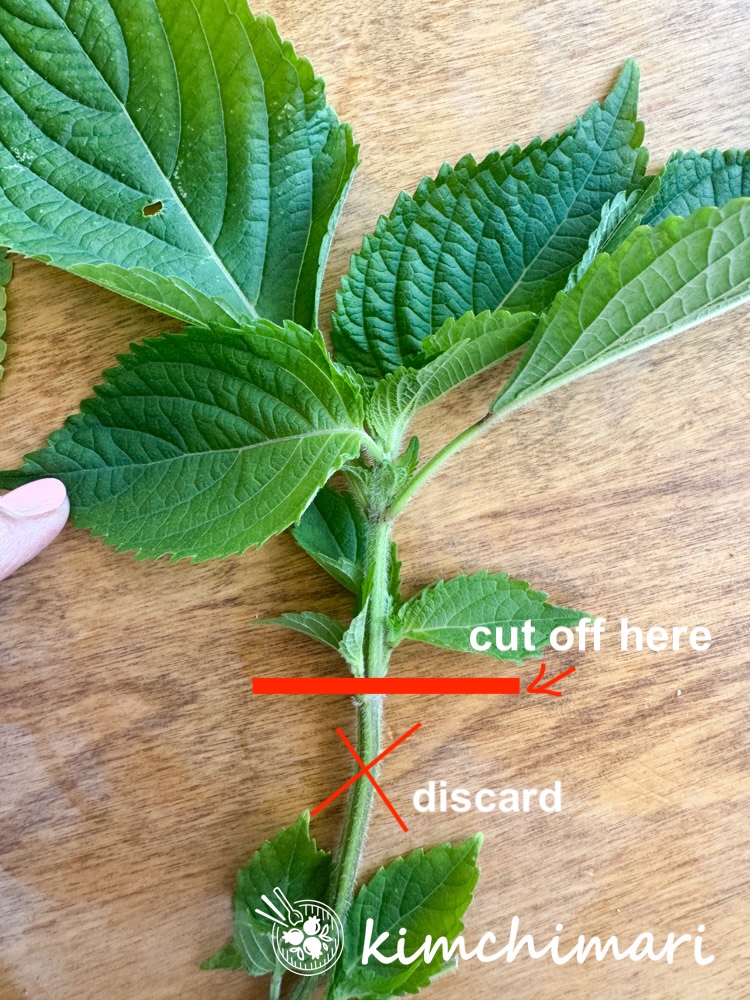
When utilizing fresh perilla bunches containing top shoots, proper trimming techniques are essential to maintain textural quality. Cooks are advised to discard the fibrous, woody lower stems while retaining the tender upper nodes and attached foliage. The cleaned greens are then thoroughly rinsed, drained, and combined directly with the liquid and dry seasoning components.
Broader Implications for Traditional Gastronomy
The rising popularity of simplified kimchi variants highlights a broader shift in contemporary global food culture, where traditional techniques are increasingly adapted for time-constrained lifestyles without sacrificing cultural authenticity or flavor complexity. By documenting and sharing these accessible recipes through digital media channels, culinary practitioners are preserving heritage ingredients while ensuring their relevance in modern kitchens worldwide. The success of perilla leaf kimchi underscores a growing consumer appreciation for robust, herbaceous flavors and highlights the endless adaptability of Korea’s rich fermentation tradition.
