

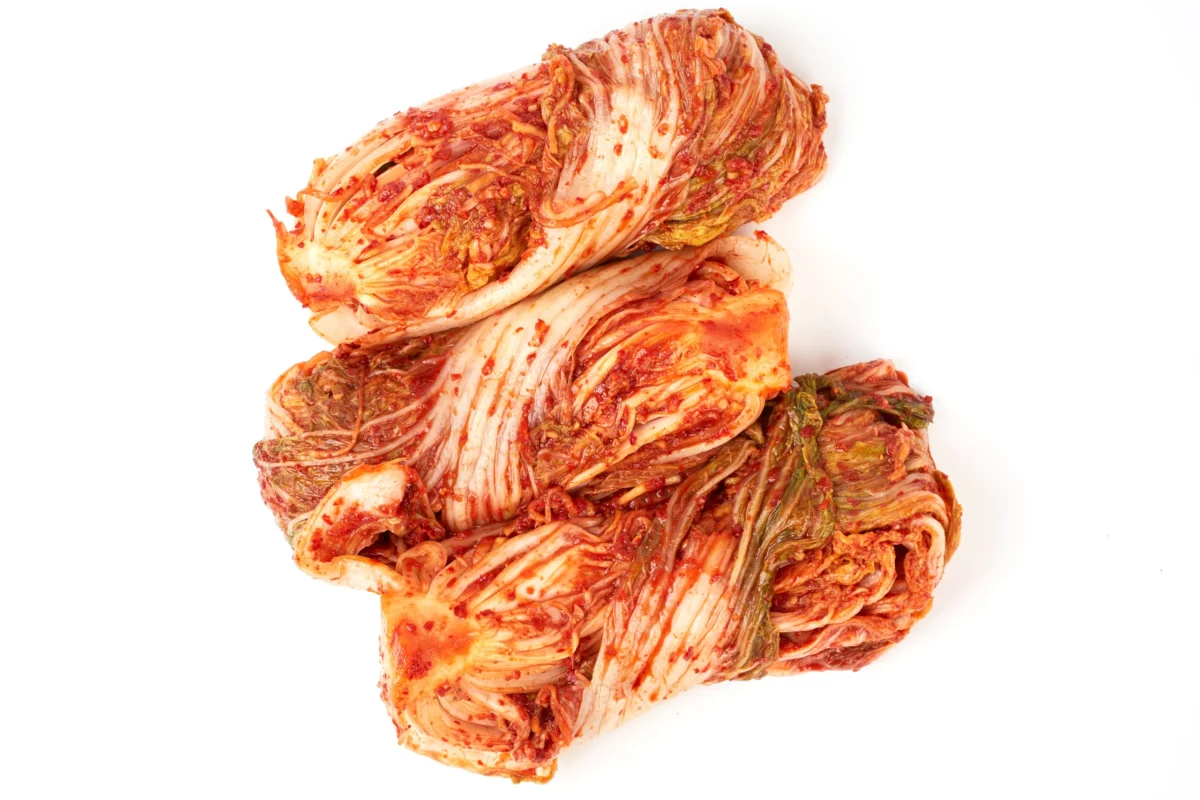
Kimchi stands as the cornerstone of Korean culinary identity, representing a sophisticated intersection of ancient preservation techniques and modern nutritional science. While often simplified by international observers as a mere spicy side dish, kimchi is a complex, biologically active food product that serves as a primary pillar of the Korean diet. The term itself, derived from the Korean word for "pickled vegetables," encompasses hundreds of regional and seasonal variations. While napa cabbage—known as baechu—remains the most globally recognized form, the taxonomy of kimchi is vast, ranging from cucumber-based O-ee kimchi to the radish-based Yeolmu variations.

The Historical Context and Evolution of Preservation
The practice of fermenting vegetables in Korea dates back over a millennium, originating as a vital survival strategy to ensure nutritional intake during the harsh winter months when fresh produce was unavailable. Historically, the process involved burying earthenware jars known as "onggi" in the soil. These porous, breathable vessels played a critical role in temperature regulation and airflow, allowing for a controlled fermentation process that could last through the entire winter.

This tradition, known as "kimjang," was inscribed on the UNESCO Representative List of the Intangible Cultural Heritage of Humanity in 2013. The recognition underscored that kimjang is not merely a cooking method but a communal activity that strengthens family and social bonds. During the autumn season, communities traditionally gathered to prepare large quantities of kimchi, a practice that reinforced social cohesion and ensured food security for the coming year.

The Science of Fermentation and Nutritional Profile
The transformation of raw vegetables into kimchi is a feat of lactic acid fermentation. When napa cabbage is brined in high-quality sea salt, it undergoes a process where beneficial bacteria, primarily Lactobacillus, begin to dominate the environment. This bacterial activity creates a unique, acidic flavor profile and preserves the vegetables for months.

From a nutritional standpoint, the fermentation process significantly enhances the vegetable’s profile. Kimchi is a potent source of dietary fiber, vitamins A, C, B1, and B2, as well as essential minerals like calcium and iron. Modern clinical research has increasingly focused on the role of kimchi’s probiotic content in human health. Studies suggest that the lactic acid bacteria found in fermented kimchi contribute to improved digestive health, cholesterol regulation, and immune system modulation. Furthermore, the presence of antioxidants within the gochugaru (Korean hot pepper flakes) and the vegetable base has led researchers to investigate the potential anti-aging and anti-carcinogenic properties of regular consumption.

Technical Requirements for Quality Production
For the home cook or the professional chef, the quality of the final product is inextricably linked to the quality of the raw materials. The Korean culinary industry emphasizes the use of 100% domestically produced sea salt and premium gochugaru. While cheaper alternatives from international markets are available, they often lack the specific mineral content or flavor profile required for authentic fermentation.

The brining stage is the most critical technical phase. The cabbage must reach a state where it is pliable enough to bend without breaking, a sign that the cell walls have been properly softened by the salt. If the brining is insufficient, the cabbage will retain excess moisture, leading to a bitter taste or, in worst-case scenarios, spoilage. Conversely, over-salting strips the vegetable of its natural sweetness.

Furthermore, the introduction of secondary ingredients, such as anchovy fish sauce or salted shrimp, provides the necessary amino acids that fuel the fermentation bacteria. While some regional variations omit these in favor of a cleaner, more refreshing taste, the inclusion of fermented seafood is the traditional standard for achieving the depth of "umami" associated with authentic kimchi.

Contemporary Challenges and Modern Practices
The industrialization of food production has changed how kimchi is consumed. Today, "kimchi fridges"—specialized appliances designed to maintain the precise, constant temperatures required for optimal fermentation—have become standard in many Korean households. These devices mimic the environmental conditions of the traditional buried onggi, ensuring that the fermentation process is neither too fast, which would result in premature souring, nor too slow, which could lead to spoilage.

Despite the convenience of pre-made, store-bought kimchi, there is a persistent movement advocating for traditional, homemade methods. Enthusiasts argue that the ability to calibrate spice levels and customize ingredient ratios—such as adjusting the ratio of fish sauce to shrimp paste—is essential for personalizing the flavor profile.

However, home production comes with technical risks, such as the formation of white mold. Food safety experts note that while surface-level white mold, caused by exposure to air, is often considered harmless if the top layer is discarded, any signs of black or green mold indicate that the batch should be discarded entirely. To mitigate these risks, modern practitioners are advised to use airtight containers that eliminate air pockets and to ensure the cabbage is fully submerged in the seasoning paste.

Economic and Global Implications
The global rise of Korean culture, often referred to as the "Hallyu" wave, has had a profound impact on the international demand for kimchi. Export figures for Korean kimchi have reached record highs in recent years, as the food has moved from ethnic grocery aisles to mainstream international supermarkets.

This surge in popularity has prompted discussions regarding the standardization of kimchi production. The South Korean government has taken steps to protect the "Kimchi" brand, establishing strict guidelines for what can legally be labeled as authentic Korean-produced kimchi. These protections are designed to preserve the cultural heritage of the dish while ensuring that global consumers receive a product that meets established quality benchmarks.

Future Perspectives
As research continues to validate the health claims associated with fermented foods, the role of kimchi in the global diet is expected to expand. Nutritionists suggest that as western diets move toward more plant-forward and gut-healthy options, kimchi is well-positioned to remain a staple in both home kitchens and professional culinary settings.

The enduring success of kimchi lies in its dual nature: it is simultaneously a simple, accessible vegetable side dish and a complex, scientifically fascinating fermentation product. Whether one follows the traditional methods of their ancestors or utilizes modern temperature-controlled technology, the core philosophy remains the same—a respect for the raw ingredient, a reliance on the power of beneficial microbes, and a commitment to the preservation of a culinary art form that has sustained a nation for centuries. The future of kimchi is not just in its consumption, but in the ongoing global dialogue regarding how ancient food technologies can provide solutions for modern nutritional and health challenges.
