

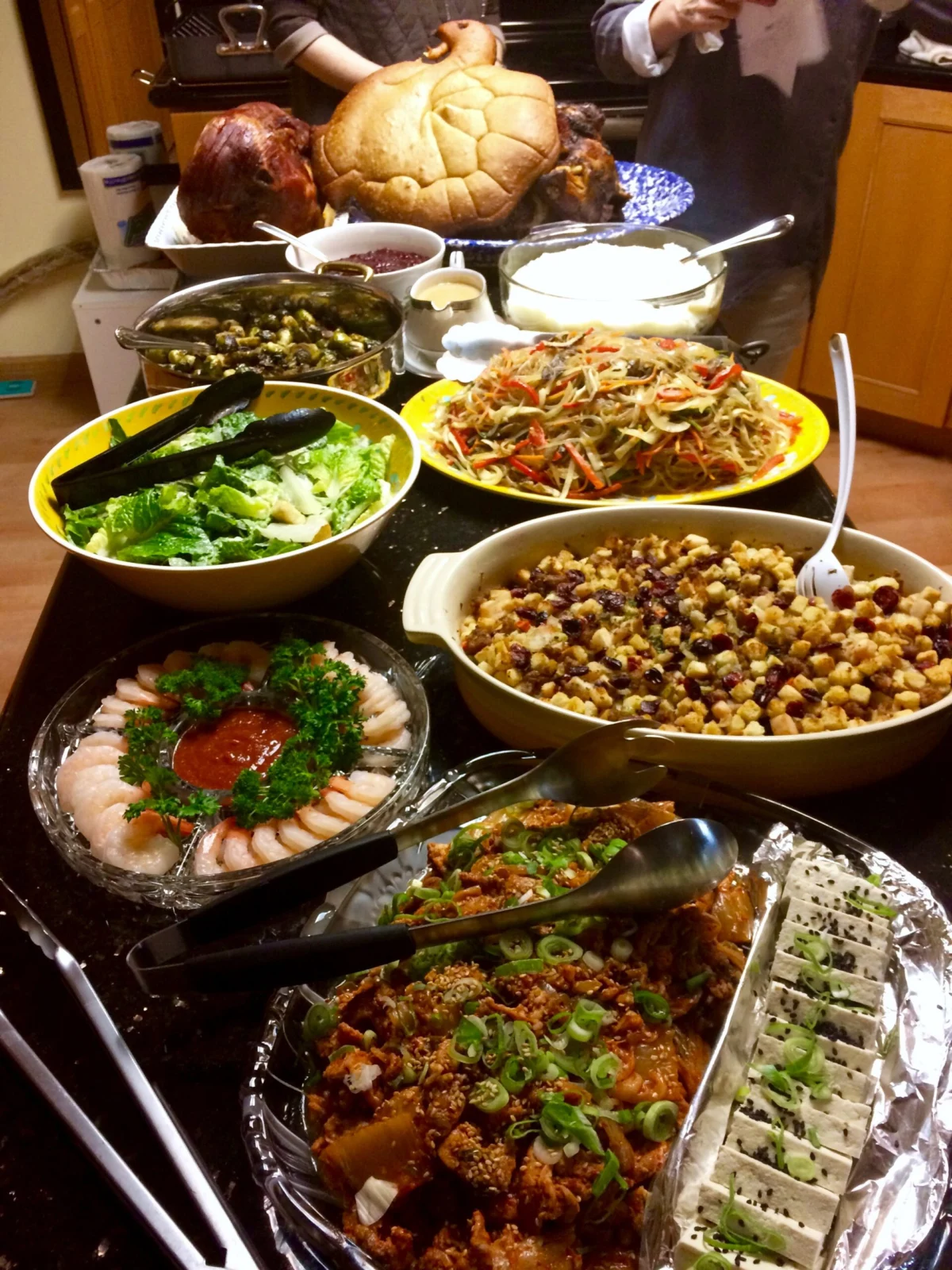
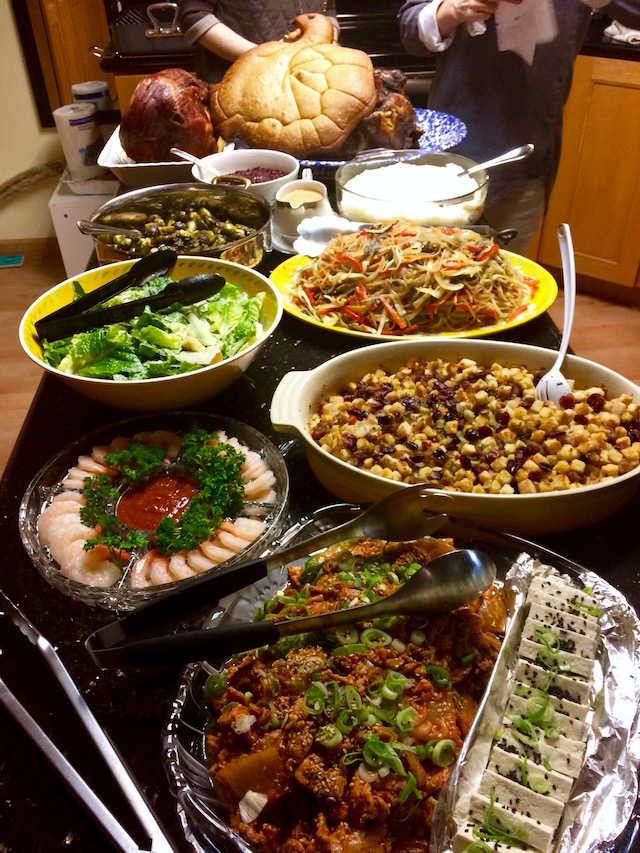
The landscape of the American Thanksgiving table has undergone a significant cultural evolution over the past several decades, driven largely by the blending of culinary traditions within multicultural households. While the foundational elements of the holiday—traditionally centered on roasted turkey, stuffing, mashed potatoes, and cranberry sauce—remain staples across millions of American homes, first- and second-generation immigrant communities have increasingly integrated ancestral flavors into their holiday feasts. Among these cultural fusions, Korean American Thanksgiving celebrations have emerged as a prominent example of how traditional menus can be thoughtfully expanded to incorporate dishes that balance rich, savory Western proteins with the crisp, vibrant, and spicy profiles of Korean cuisine.
Culinary historians and cultural anthropologists note that the integration of ethnic side dishes into mainstream American holidays reflects broader demographic shifts in the United States. According to census data, Asian Americans represent one of the fastest-growing demographic segments in the country, with Korean Americans comprising a substantial portion of this population. As families bridge generational gaps, holiday tables frequently serve as a canvas for cultural expression. Culinary experts point out that traditional Thanksgiving fare, while comforting, can lean toward heavy, monochromatic flavor profiles featuring butter, cream, and roasted meats. The introduction of fermented, acid-forward, and herbaceous Korean dishes—such as kimchi, seasoned vegetables, and glass noodles—serves a dual purpose: it honors ancestral culinary habits while structurally complementing the rich, fatty components of a traditional turkey dinner.
The practical logistics of merging two distinct culinary traditions require careful planning to ensure harmony rather than sensory competition. Professional chefs and home-cooking authorities emphasize that certain Korean dishes pair seamlessly with turkey and its standard trimmings, whereas others possess flavor profiles potent enough to dominate the palate. For instance, dishes utilizing fresh vegetables, subtle soy-based glazes, or mild starches often bridge the gap between East and West more effectively than intensely pungent or heavily fermented items. However, cultural affinity for staples like kimchi often transcends these culinary guidelines, with many Korean American families finding that the acidity and spice of fermented cabbage provide a welcome palate cleanser against heavy gravies and roasted poultry.
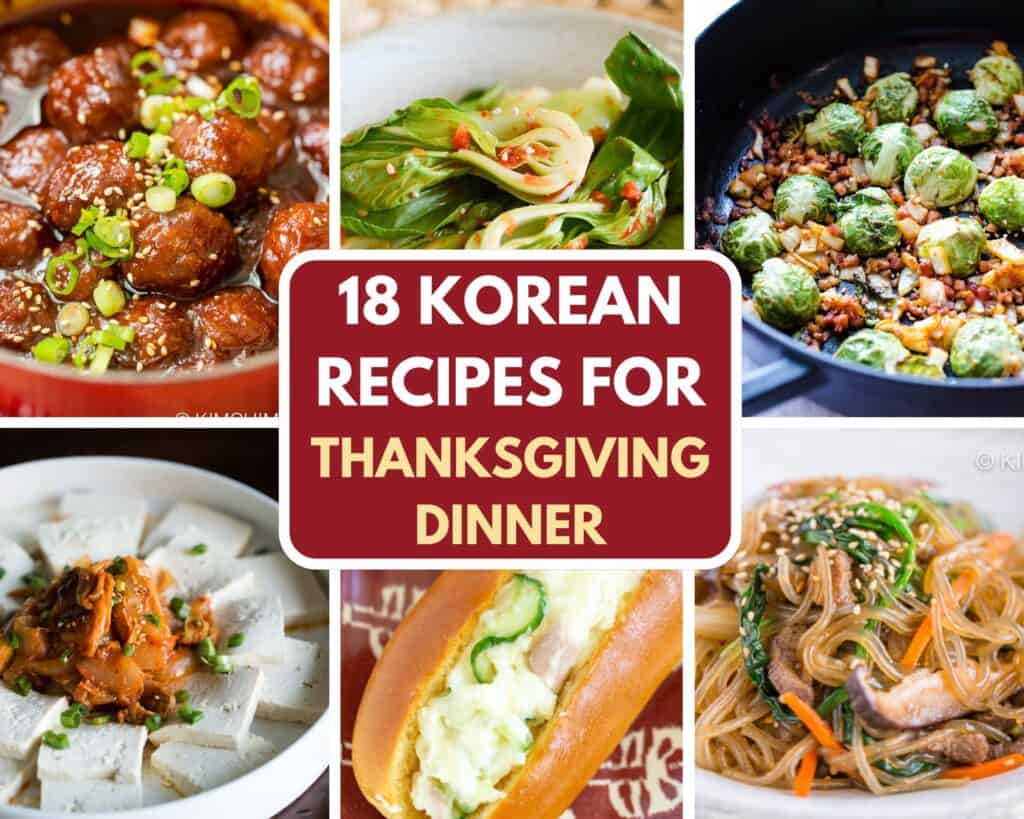
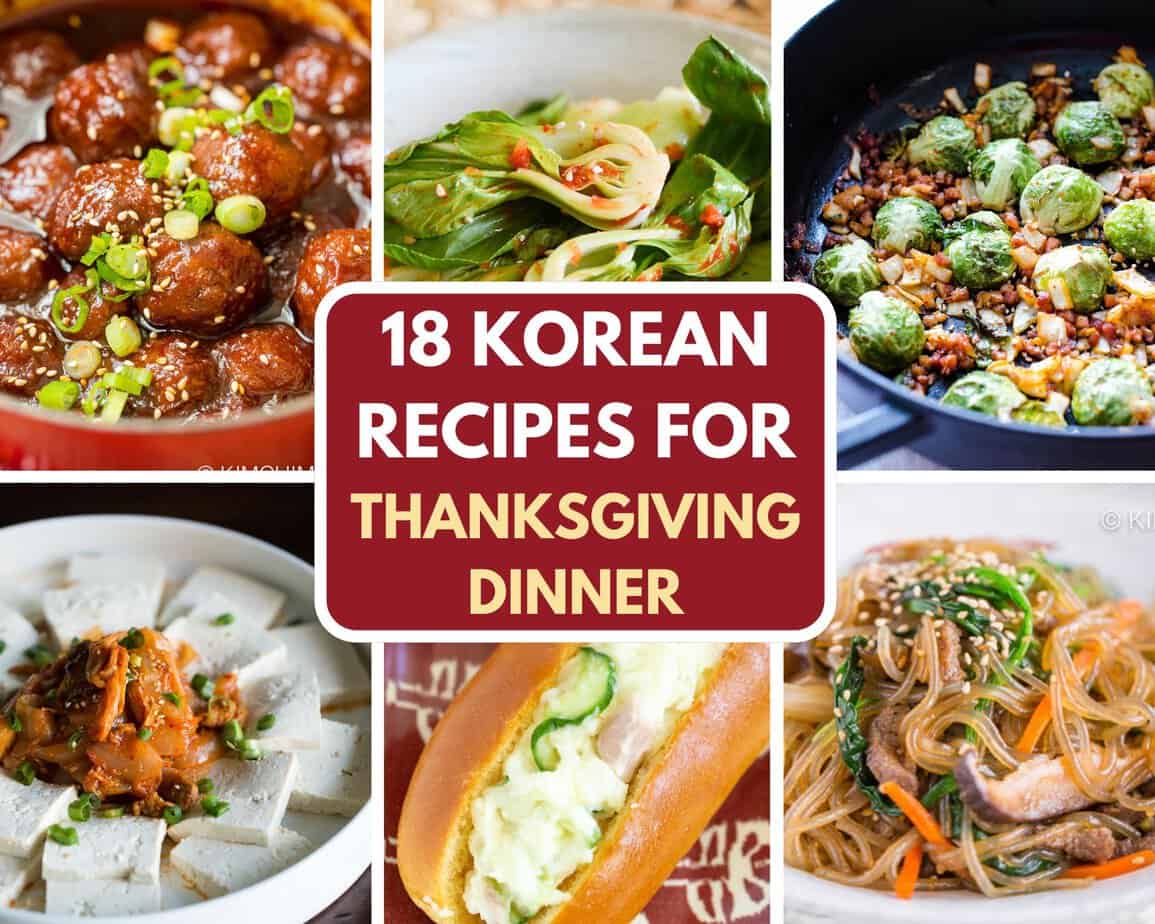
To accommodate the growing demand for multicultural holiday planning, culinary platforms have curated comprehensive guides featuring recipes tailored specifically for Thanksgiving integration. These collections typically span appetizers, vegetable sides, noodle dishes, and desserts, offering options that can be prepared in advance to alleviate the logistical pressures of holiday hosting.
Appetizers and Finger Foods for Holiday Gatherings
Holiday hosting often begins well before the formal sit-down dinner, making finger foods and starters essential components of the Thanksgiving timeline. Korean-inspired appetizers offer guests a familiar format infused with distinct regional flavors.
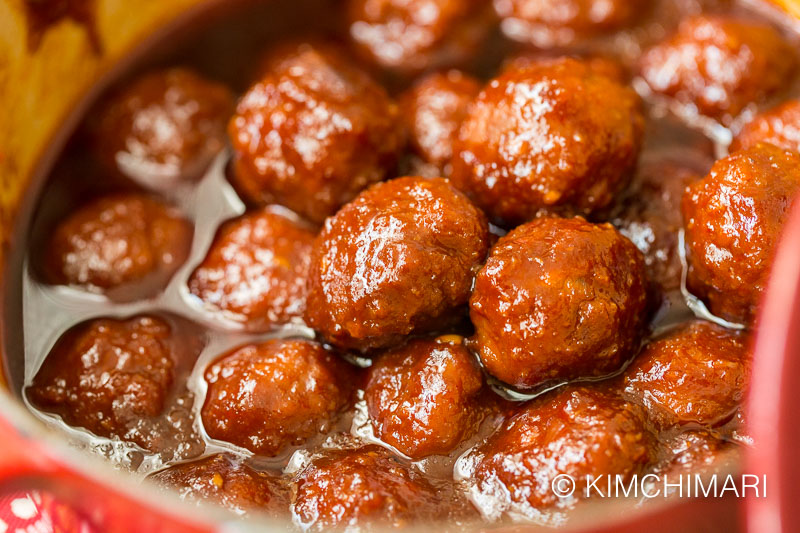
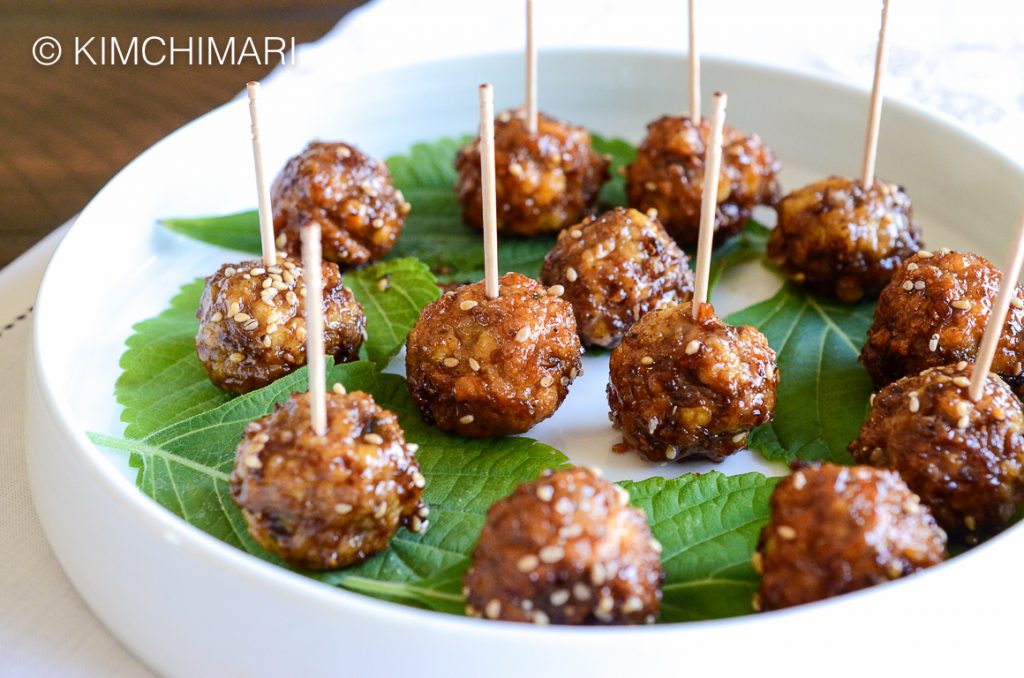
Sweet Gochujang Meatballs provide a fusion alternative to traditional cocktail meatballs, substituting standard barbecue or jellied-cranberry sauces with a glaze made from gochujang—a savory, sweet, and spicy fermented chili paste. Recipes adapted for modern kitchens frequently include instructions for both stovetop preparation and countertop pressure cookers like the Instant Pot, allowing hosts to maximize kitchen efficiency during a high-stress cooking day.
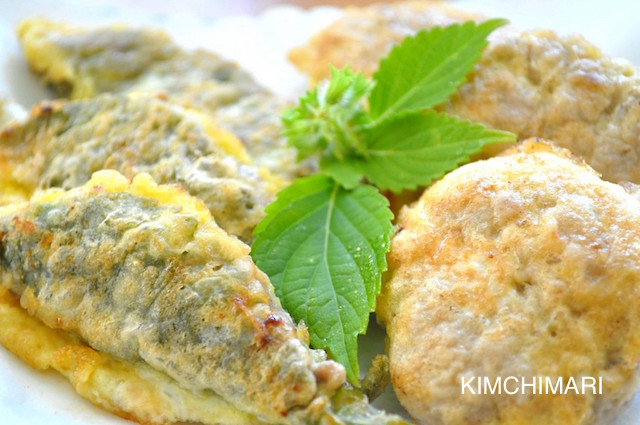
Another traditional option is Wanja Jeon and Kkaennip Jeon, which represent the classic Korean technique of battering and pan-frying ingredients. Wanja Jeon consists of pan-fried beef patties, while Kkaennip Jeon features beef-stuffed perilla leaves coated in a light egg wash before frying. Because these items can be served at room temperature and paired with a simple soy-based dipping sauce, they allow hosts to prepare components ahead of the main event.
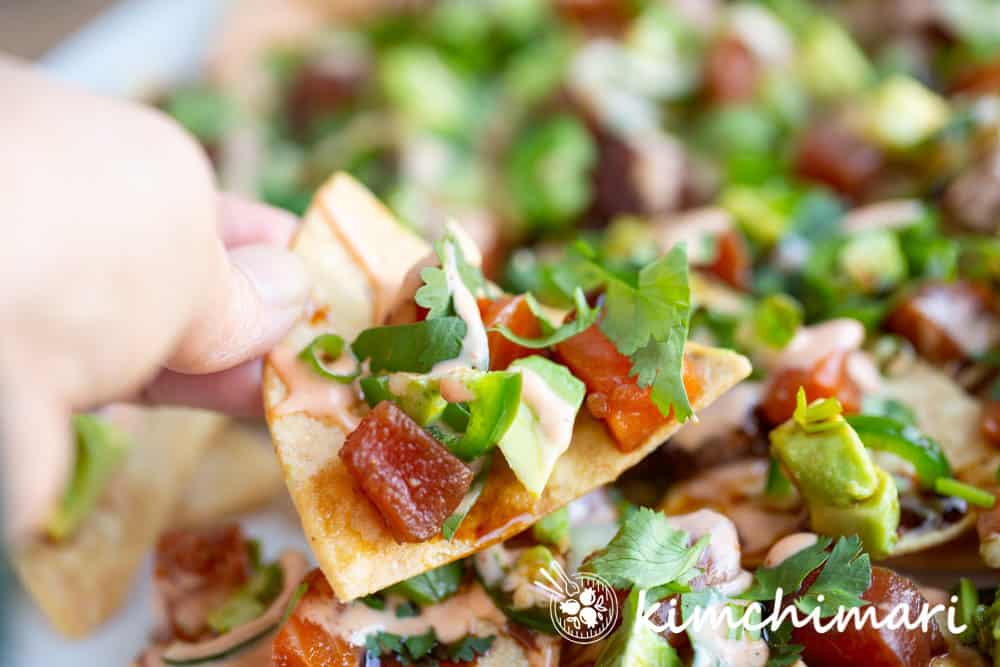
For hosts seeking contemporary fusion concepts, Poke Nachos combine the fresh, marinated elements of Hawaiian poke with the crisp texture of tortilla chips, incorporating Asian aromatics and dressings. This dish exemplifies the modern American melting pot, where distinct culinary traditions intersect naturally at communal gatherings.
The Role of Kimchi and Fermented Sides at the Holiday Table
Fermentation is a cornerstone of Korean gastronomy, and kimchi remains its most recognizable expression. Integrating kimchi into a Thanksgiving meal addresses a common critique among adventurous eaters: that traditional holiday menus can lack acidity and heat.
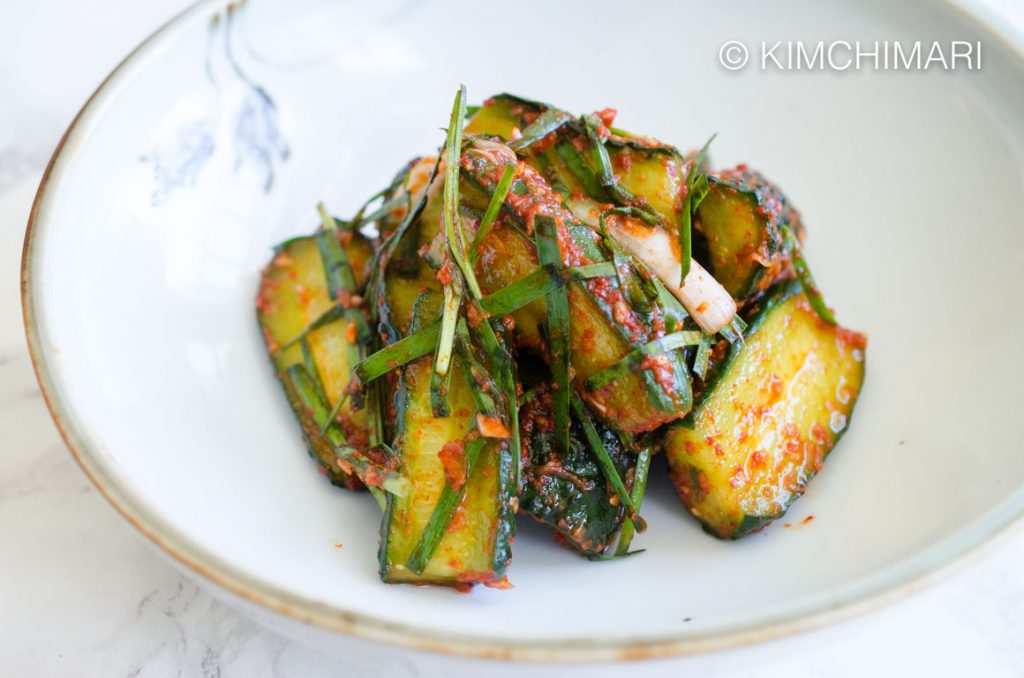
Oi Kimchi, or cucumber kimchi, offers a particularly refreshing variation. Unlike traditional napa cabbage kimchi, which often incorporates fish sauce and requires longer fermentation periods, cucumber kimchi can be prepared with chives as a vegan-friendly, fast-curing option. Its crisp texture and bright flavor profile make it an effective accompaniment to roasted turkey.
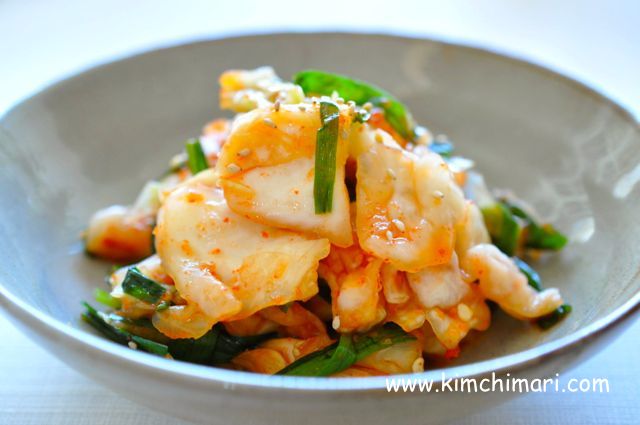
Similarly, Yangbaechu Kimchi utilizes standard green cabbage rather than traditional Korean varieties, making it accessible for home cooks living outside major metropolitan areas with specialized Asian grocery stores. This recipe can be executed in a fraction of the time required for traditional kimchi, providing a practical solution for holiday meal preparation.
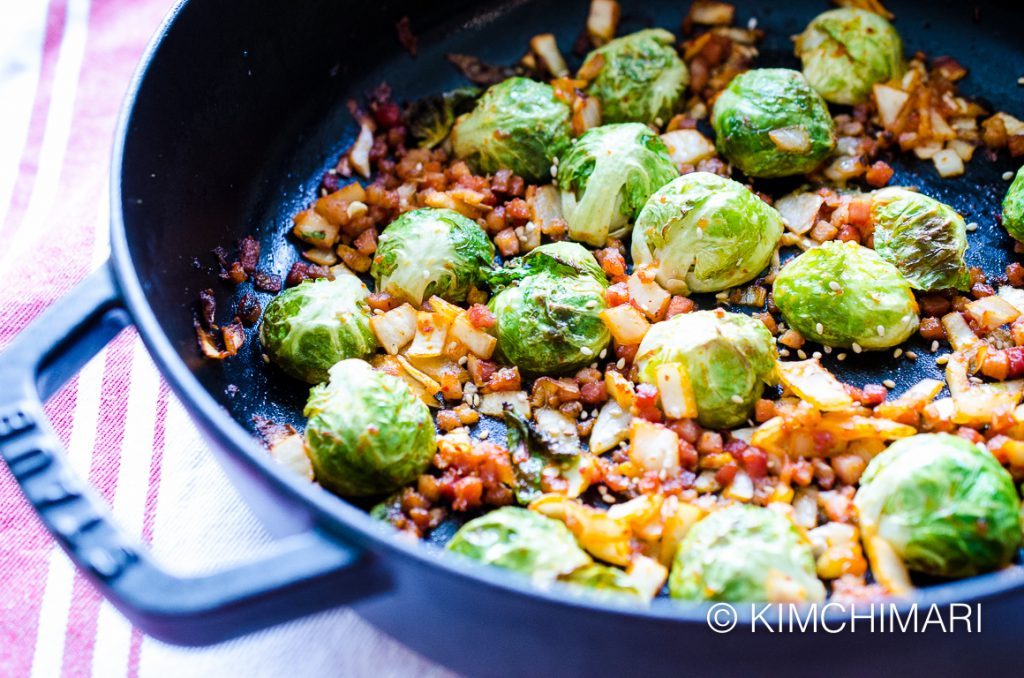
Warm vegetable preparations also serve as effective bridges between cultures. A notable example is a Brussels sprouts recipe incorporating kimchi and pancetta. Brussels sprouts are a standard fixture on many American Thanksgiving tables, often roasted with bacon or pork belly. By substituting or augmenting traditional bacon with aged kimchi, the dish retains its savory crunch while introducing lactic acid and umami depth that cuts through the richness of the poultry.
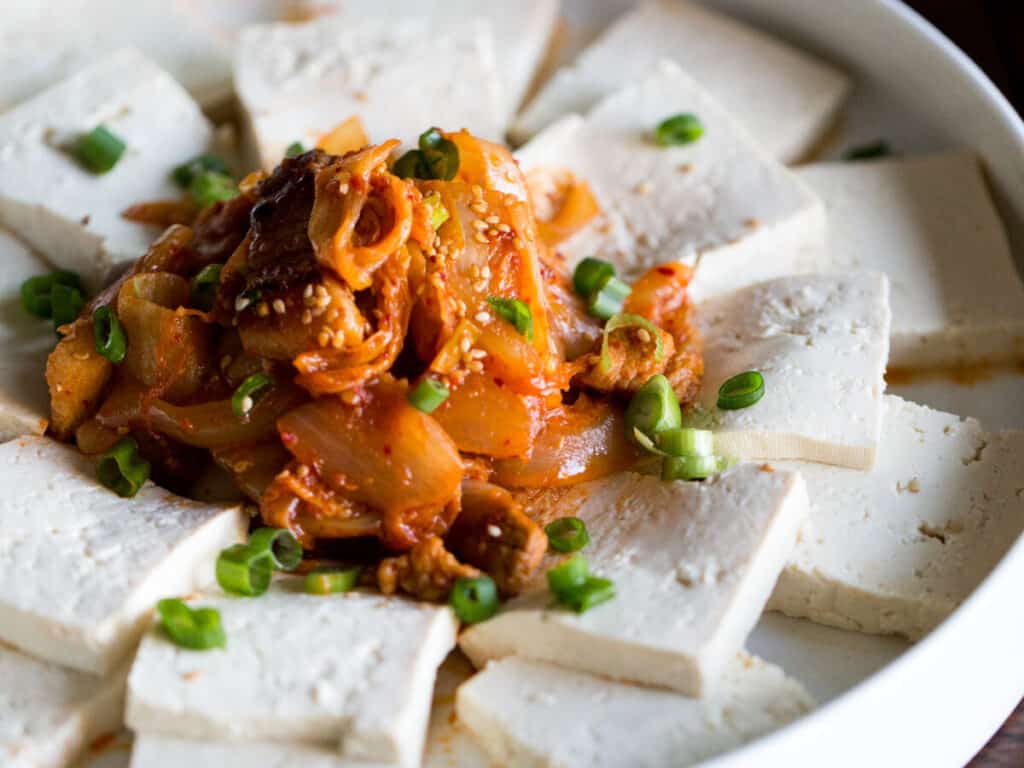
Additionally, classic Korean banchan (side dishes) such as Kimchi Tofu—where mild, raw or lightly warmed tofu balances the intense flavors of sautéed kimchi—offer guests alternative textures and protein sources that complement the main course.
Noodles, Salads, and Bread Accommodations
Balancing a heavy holiday meal requires lighter, herbaceous dishes that provide textural and visual contrast. Noodle and salad preparations offer this necessary relief.
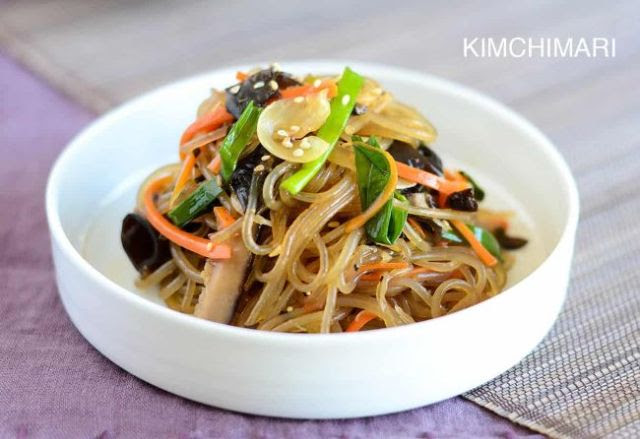
Japchae, a traditional Korean dish featuring sweet potato glass noodles (dangmyeon), is a staple at celebrations ranging from weddings to major holidays like Chuseok (Korean Thanksgiving). Stir-fried in a sesame-soy sauce with an assortment of julienned vegetables, japchae can be prepared in a vegetarian format or enriched with thinly sliced beef. Its slippery texture and mildly sweet flavor profile appeal to a broad demographic of diners, regardless of their familiarity with Korean cuisine.
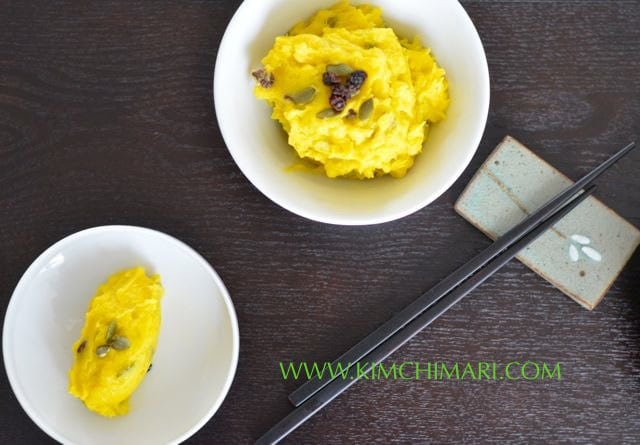
Salad selections can range from Soba Noodle Salad dressed in a sesame-soy vinaigrette to Sweet Kabocha Squash Salad, which capitalizes on the seasonal availability of winter squashes during the autumn months. Kabocha squash, known for its natural sweetness and dense texture, aligns naturally with the autumn flavor profile expected at a Thanksgiving feast.
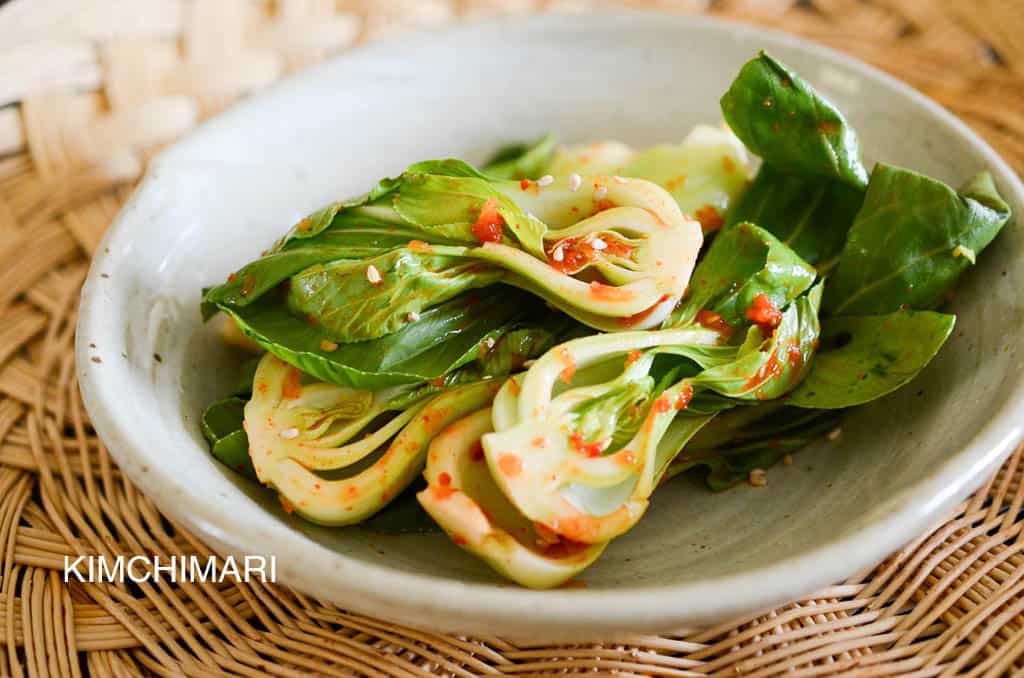
Other notable sides include a Spicy Baby Bok Choy Salad and a Korean-style Apple, Onion, and Celery Salad, which reinterprets traditional American waldorf-style freshness through an Asian culinary lens.
For bread service, Milk Bread Rolls provide an exceptionally soft, pillowy texture derived from the Asian tangzhong method, which cooks a portion of flour and liquid beforehand to lock in moisture. These rolls serve as an ideal vehicle for absorbing gravies or for constructing post-holiday sandwiches. Building upon this, Salada Ppang (Korean Potato Salad Sandwiches)—a popular bakery staple in South Korea featuring a creamy potato and vegetable filling enclosed in a slightly sweet bun—offers a nostalgic snack for guests grazing throughout the holiday weekend.
Traditional Sweet Endings: Gluten-Free Desserts
Dessert concludes the Thanksgiving meal, and traditional Korean confectioneries offer naturally gluten-free alternatives to wheat-heavy pies and cakes. These sweets typically rely on glutinous rice flour (mochiko) and natural sweeteners such as honey, jujubes, and chestnuts.
Yaksik, a traditional sweet sticky rice dessert, combines glutinous rice with chestnuts, dried jujubes (red dates), and pine nuts, seasoned with soy sauce, sesame oil, honey, and cinnamon. Historically considered a medicinal food due to its nutrient-dense ingredients, yaksik provides a warm, spiced flavor profile that parallels traditional American pumpkin or pecan pies. Modern adaptations allow for preparation via pressure cooker, significantly reducing active kitchen time.
Other variations include Sweet Rice Mini Bundt Cakes, which utilize sweet rice flour to create a dense, chewy interior paired with a crisp exterior, and Bukkumi, pan-fried rice-cake dumplings filled with sweet red bean paste. Originating from the mountainous Gangwon province, Bukkumi are often garnished with edible flowers or herbs, presenting an aesthetically refined conclusion to a festive meal.

Sustaining Traditions Through Leftover Innovation
A universal phenomenon of the Thanksgiving holiday is the surplus of roasted turkey that remains long after the initial feast concludes. Rather than relying solely on traditional sandwiches or casseroles, multicultural households frequently adapt leftover poultry into Asian-inspired broths and soups.
Drawing culinary parallels to dishes like Dakgaejang or Yukgaejang—spicy, shredded-meat soups flavored with chili oil, garlic, and scallions—home cooks can repurpose leftover turkey carcass and meat into a robust, warming soup served alongside white rice. This practice not only minimizes food waste but also transforms Western holiday remnants into a comforting, restorative meal suited for the onset of winter.
Broader Implications and Cultural Integration
The conscious integration of diverse culinary traditions into holidays like Thanksgiving underscores a broader sociological trend: the celebration of hyphenated identities through food. Food historians observe that the dining table serves as a safe, accessible medium for cultural exchange. By inviting family members and friends to experience non-traditional dishes alongside classic American fare, immigrant communities foster cross-cultural understanding while preserving their heritage.
Furthermore, the proliferation of accessible recipes via digital platforms has lowered the barrier to entry for novice home cooks wishing to experiment with international ingredients. As mainstream supermarkets continue to stock items like gochujang, perilla leaves, and sweet potato noodles, the preparation of hybrid holiday menus transitions from an arduous task requiring specialized market visits to an attainable, creative expression of modern American cuisine.

Ultimately, whether a holiday table features a strictly traditional roast turkey or one flanked by kimchi tofu, Japchae, and sweet rice desserts, the underlying sentiment remains unchanged. The primary function of Thanksgiving—expressing gratitude, gathering with loved ones, and sharing a thoughtfully prepared meal—transcends specific ingredients, allowing families to construct holiday traditions that honor both their new homes and their ancestral roots.
