

The Garosugil neighborhood in Seoul, South Korea, has long been recognized as a barometer for the city’s evolving consumer trends, particularly within the high-end retail and dessert cafe sectors. Known colloquially as "Tree-Lined Street," the area is defined by its sophisticated aesthetic, high-end fashion boutiques, and an intense concentration of specialized dessert cafes that cater to a demographic prioritizing visual presentation and brand-aligned experiences. Recent observations of the district’s culinary scene, specifically regarding establishments such as Dore Dore and Remicone, highlight a broader shift in Seoul’s food and beverage market toward "Instagrammable" aesthetics and the premiumization of casual sweets.

The Rise of the Concept Cafe in Seoul
The Korean cafe culture has undergone a significant transformation over the past decade. Once dominated by simple coffee houses, the market now features multi-story, concept-driven establishments that integrate interior design, thematic menu offerings, and social media branding. This shift is not merely stylistic but economic. In neighborhoods like Garosugil, where commercial real estate costs are among the highest in the city, cafes must differentiate themselves through high-value, visually arresting products to justify premium pricing.
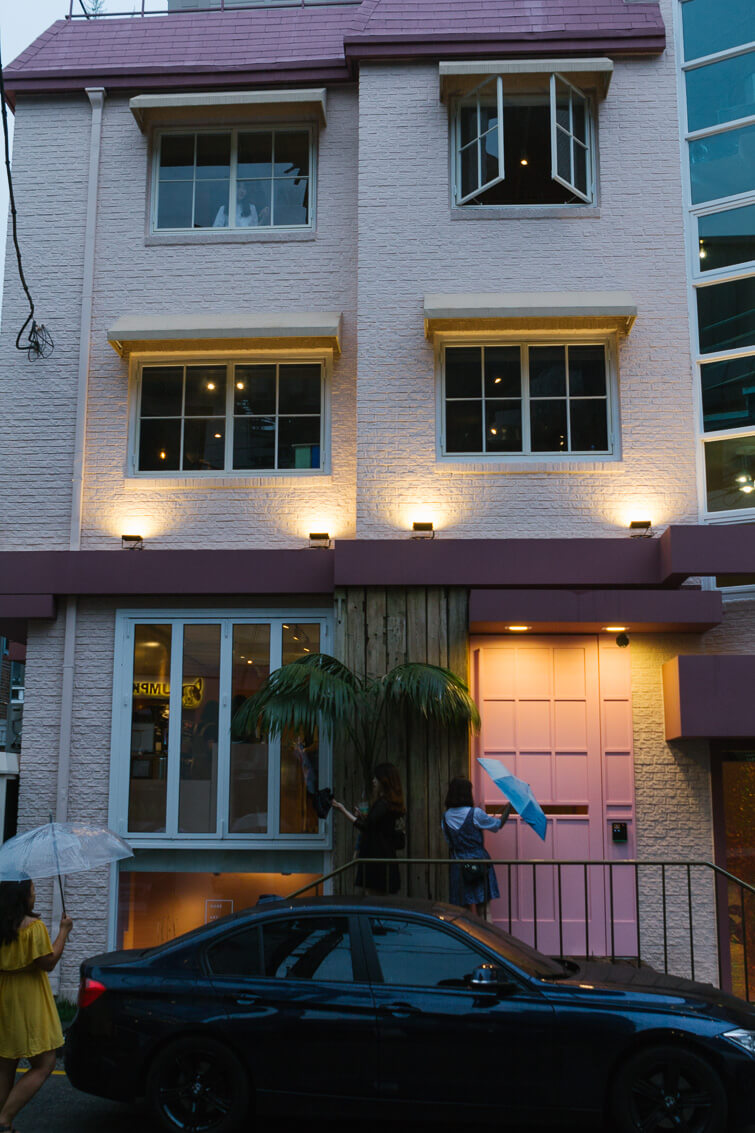
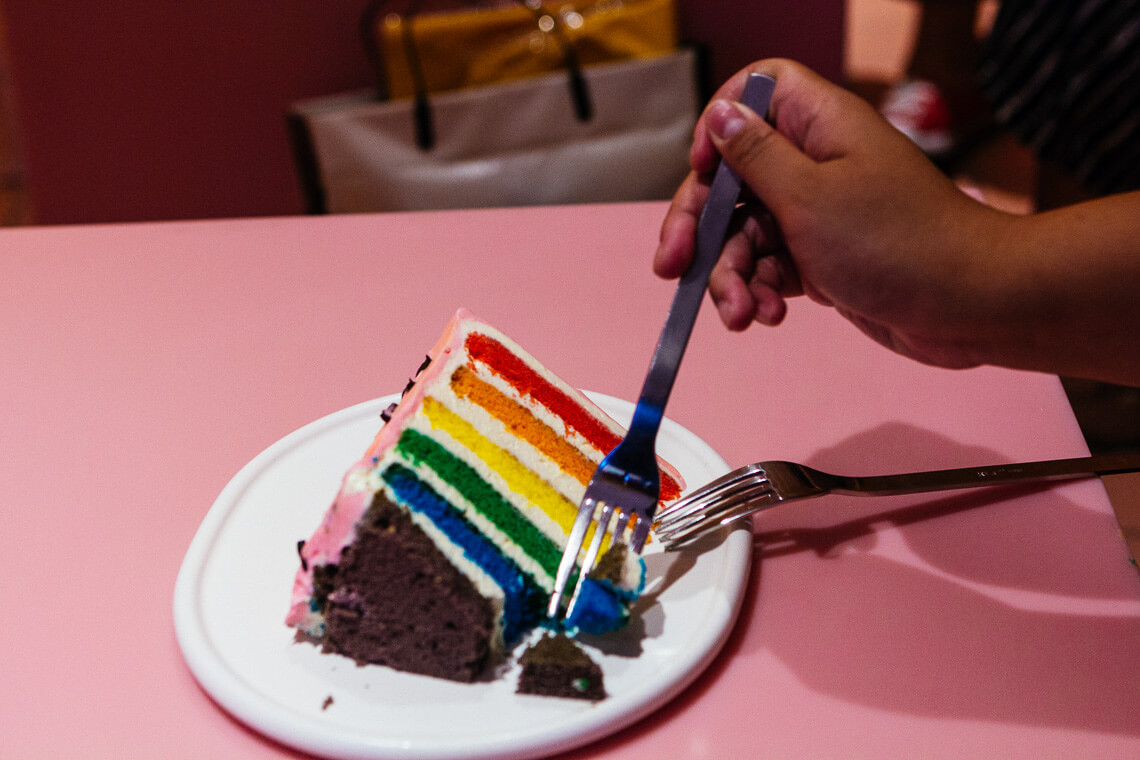
Dore Dore serves as a primary example of this trend. Located in the heart of the district, the establishment occupies a multi-floor facility, a common architectural choice for popular cafes in Seoul that aim to maximize customer capacity while offering distinct atmospheric zones. The brand gained significant market traction through the introduction of its signature rainbow layer cake. This product, characterized by its vibrant color palette and substantial scale, effectively leveraged visual appeal to drive foot traffic.
Chronology of Consumer Trends
The trajectory of dessert trends in Seoul is often characterized by rapid saturation. Before the current interest in cotton candy-topped ice cream and multi-layered cakes, the market was dominated by "honey chip" soft serve, where a piece of raw honeycomb was placed atop vanilla ice cream. This trend, which emerged around 2013-2014, experienced a meteoric rise, leading to a proliferation of vendors and eventual market saturation.
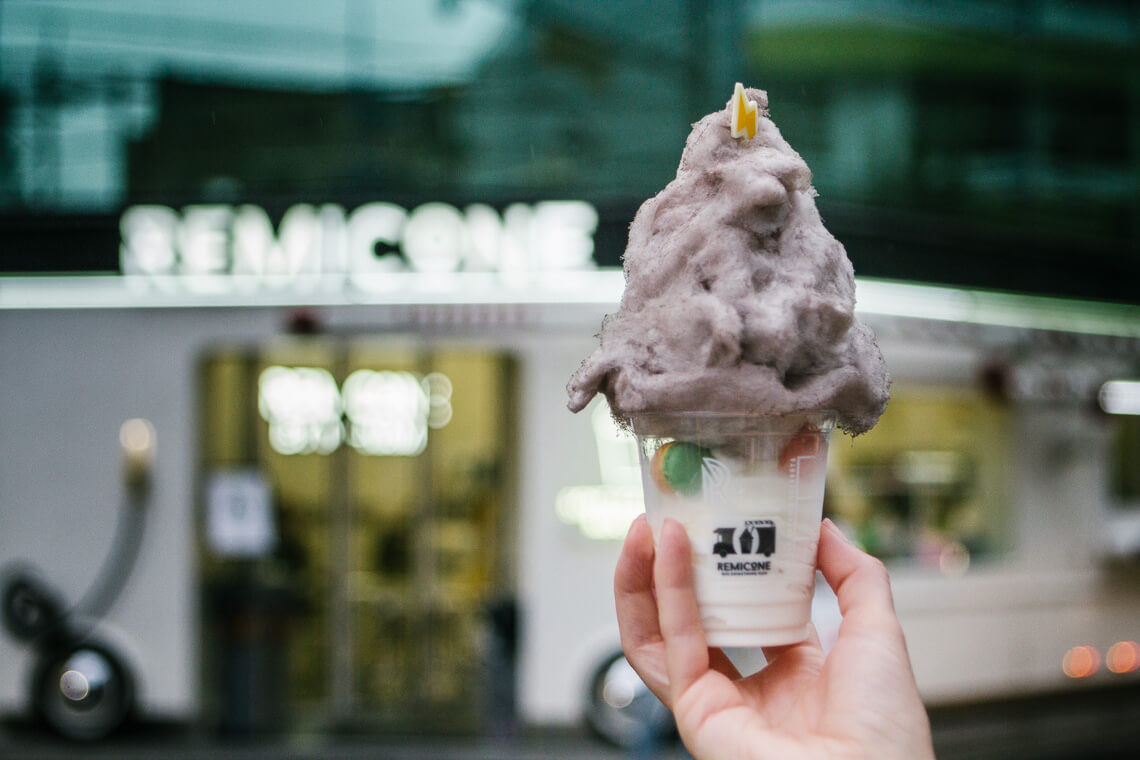
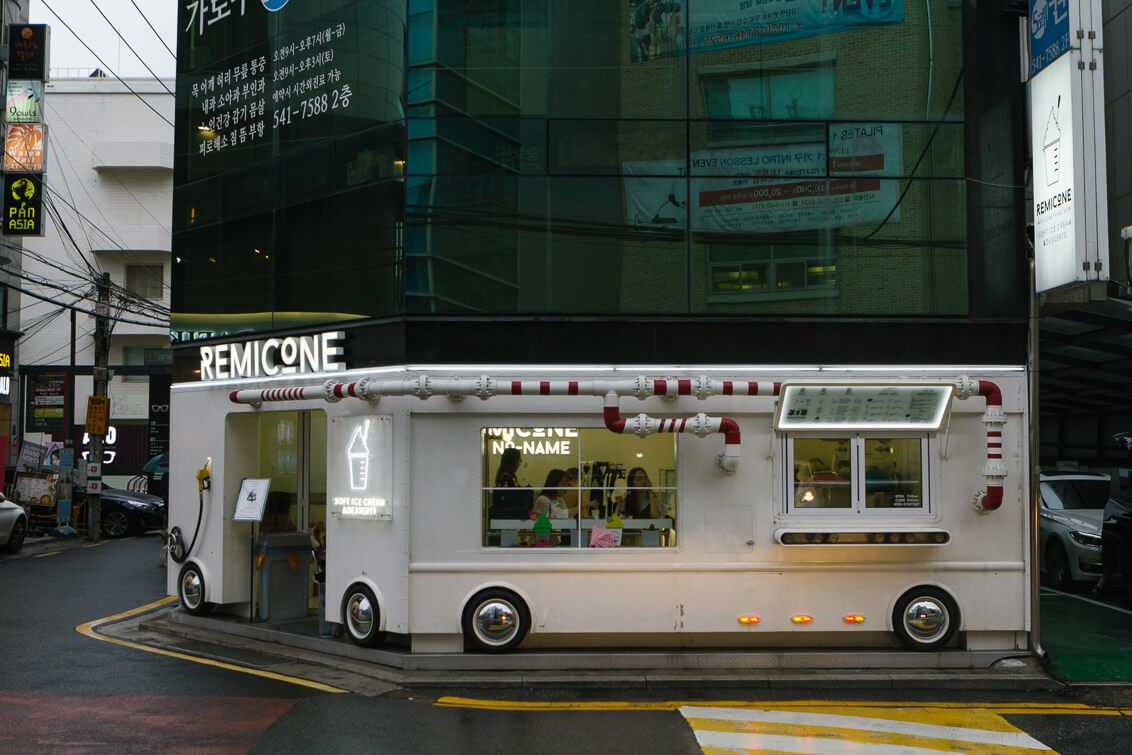
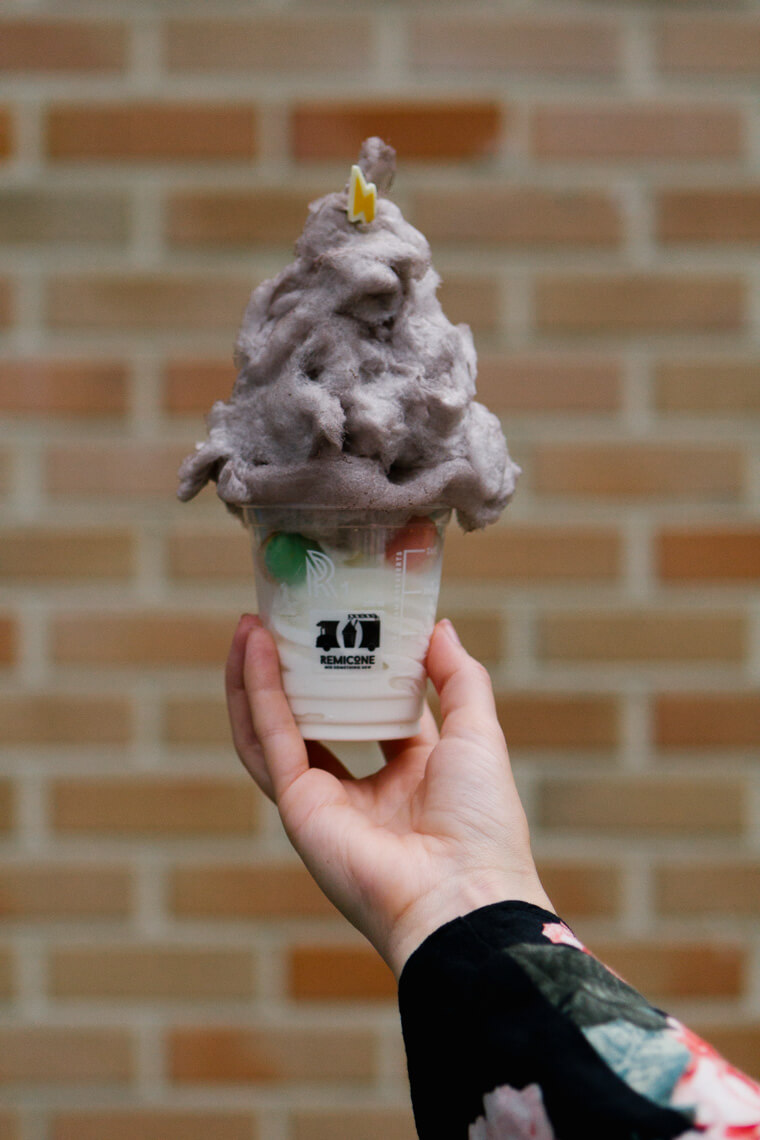
The subsequent move toward Remicone’s cotton candy-topped soft serve represents a natural evolution in this cycle. Consumers, having moved past the novelty of honey-based desserts, gravitated toward the whimsical, lab-themed aesthetic of Remicone. This transition illustrates a pattern in the Seoul food scene: the rapid adoption of highly photogenic, novelty-driven products, followed by a decline as the novelty wears off and consumers seek the next visual trend.
Economic Implications and Pricing Structures
The pricing models observed in Garosugil often reflect the "luxury premium" associated with the area’s brand identity. A slice of cake at a high-profile cafe in the district can retail for approximately 9,000 KRW, while specialty coffee beverages often exceed 6,000 KRW. For context, this pricing is significantly higher than the average cost of similar goods in other Seoul neighborhoods like Hongdae or Myeongdong, where local competition and lower operating overheads typically keep prices more accessible.
From an economic perspective, this price premium is largely attributed to the "experience economy." The target demographic is willing to pay a markup not only for the caloric content of the product but for the utility of the item as a social media asset. However, this creates a divide between traditional culinary value—based on flavor profiles and ingredient quality—and market value, which is based on brand cachet. When a product, such as the cotton candy ice cream, fails to integrate its components into a cohesive flavor experience, it underscores the potential disconnect between aesthetic success and culinary satisfaction.

Market Integrity and Counterfeit Challenges
The popularity of specific dessert concepts in Garosugil has led to a documented issue regarding intellectual property and brand dilution. Establishments like Remicone have found it necessary to display notices warning consumers against "fake" locations. This phenomenon is a direct byproduct of the rapid-trend cycle in South Korea. When a specific product or aesthetic gains widespread popularity, independent operators often attempt to replicate the concept to capture a share of the market, leading to a proliferation of "copycat" businesses.
This issue highlights the precarious nature of trend-based business models. Companies that rely on a single, highly replicable novelty item face existential threats when competitors flood the market, often with lower-cost, lower-quality imitations that damage the reputation of the original brand.
Comparative Analysis: Garosugil vs. Broader Seoul
While Garosugil remains a focal point for trendsetters, analytical data suggests that the district may not offer the best value-for-money ratio for the average consumer. In comparison to areas like Myeongdong, where street food culture provides a more diverse and affordable range of snacks, or Hongdae, which caters to a student-led, experimental culinary scene, Garosugil is increasingly positioned as a destination for luxury consumption.
The sustainability of this model remains a subject of debate among local food critics and retail analysts. While the high turnover of cafes suggests a volatile market, the constant influx of new, innovative concepts ensures that the district remains a primary destination for those interested in the cutting edge of global food trends. However, for the average traveler or budget-conscious local, the experience is increasingly viewed as a "one-off" event rather than a regular dining destination.
Future Outlook for Seoul’s Cafe Scene
The intersection of culinary arts and digital marketing continues to dictate the success of businesses in Garosugil. As social media platforms like Instagram continue to influence consumer behavior, the pressure on cafes to produce "Instagrammable" content will likely persist. However, there is a growing segment of the market that is beginning to prioritize flavor and ingredient transparency over mere visual novelty.
For future entrants into the market, the challenge will be to balance the demand for visual spectacle with genuine culinary innovation. The businesses that survive the high-rent environment of Garosugil will likely be those that can successfully bridge the gap, offering products that are not only photographable but also satisfy the palate, thereby encouraging repeat patronage rather than one-time visits for social media content.
Conclusion
The dessert scene in Garosugil is a microcosm of modern Seoul’s consumer culture—fast-paced, highly visual, and deeply influenced by trends. While establishments like Dore Dore and Remicone have succeeded in carving out a niche as essential stops for the city’s social media-savvy youth, they also reflect the challenges of a market that prioritizes brand image over traditional culinary consistency. As the district continues to evolve, the distinction between fleeting trends and sustainable business models will become increasingly pronounced, serving as a critical indicator for the broader food and beverage industry in South Korea. For the discerning consumer, the lesson remains clear: the visual allure of a dish is rarely an accurate predictor of its culinary value, and the "Sweet Street" of Seoul offers a stark reminder of the premium one pays for the intersection of culture, fashion, and food.
