

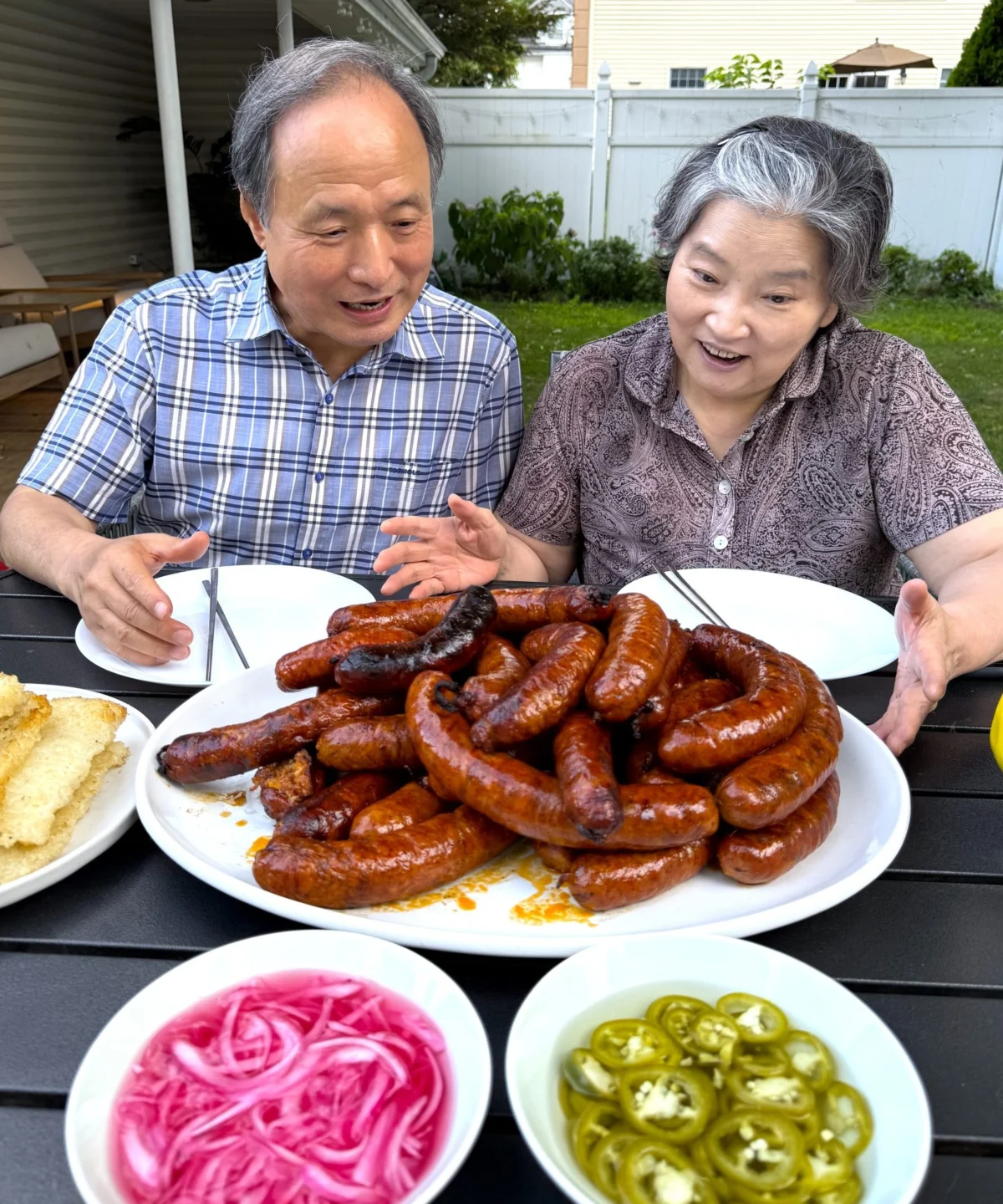
The intersection of traditional Korean culinary staples and Western charcuterie methods has yielded a sophisticated new product: the kimchi cheese sausage. This development represents a growing trend in home-based culinary innovation, where enthusiasts leverage high-end, consumer-grade smokehouse technology to bridge cultural flavors. By combining the pungent, fermented profile of kimchi with the savory depth of aged cheese, practitioners are creating complex flavor architectures that require precise thermal control and long-duration curing.
Culinary Evolution and the Rise of Home Charcuterie
Sausage making is an ancient preservation technique that has evolved from a survival necessity into a refined culinary art. The integration of kimchi—a staple of Korean cuisine consisting of salted and fermented vegetables, primarily napa cabbage and Korean radishes—into sausage casing presents significant technical challenges. Kimchi possesses high moisture content and varying acidity levels, both of which can compromise the structural integrity of a sausage emulsion if not managed correctly.
The recent experimentation with this fusion demonstrates a shift toward more adventurous home cooking. Culinary experts note that the inclusion of cheese adds another layer of complexity; the melting point of the cheese must be carefully monitored to prevent it from liquefying and "leaking" out of the casing during the smoking process. High-temperature cheddar or specifically formulated semi-hard cheeses are typically required to maintain the desired texture profile within the sausage link.
Chronology of the Production Process
The creation of these specialty sausages is a time-intensive endeavor, requiring a total cycle of approximately 19 hours to ensure safety, texture, and flavor development. The process is broken down into four distinct phases:
- Preparation (2 hours): This phase involves the careful selection of high-quality pork cuts, typically a 70/30 meat-to-fat ratio to ensure succulence. The kimchi is drained and finely chopped to prevent uneven pockets, while the cheese is cubed into small, consistent pieces.
- Dry Brining (12 hours): A critical step in the charcuterie process, dry brining allows salt and seasonings to penetrate the meat proteins. This creates a tacky surface and modifies the protein structure, which is essential for achieving the "snap" associated with a high-quality casing.
- Smoking and Grilling (5 hours): Utilizing advanced wood-pellet technology, the sausages are subjected to a low-and-slow smoke. Applewood is frequently selected for its mild, sweet aroma, which complements the sharp, spicy notes of the kimchi without overpowering the delicate balance of the meat.
- Resting: A final period is required to allow the internal fats and juices to redistribute, ensuring a consistent mouthfeel upon consumption.
Technical Implementation: The Role of Pellet Grilling
Modern hardware has significantly lowered the barrier to entry for professional-grade smoking. The use of the Weber Searwood Wood Pellet Grill/Smoker serves as a primary example of this technological shift. Unlike traditional offset smokers that require manual fuel management, pellet grills utilize digital PID (Proportional-Integral-Derivative) controllers to maintain internal temperatures within a narrow margin of error—often plus or minus five degrees.
In the context of the kimchi cheese sausage, this precision is paramount. The smoke cycle must occur at temperatures low enough to prevent the fat in the pork from rendering too quickly, yet high enough to ensure the internal temperature of the sausage reaches food-safe levels. The integration of wood pellets provides a consistent smoke density, which is necessary for the deep flavor penetration required by the kimchi components.
Flavor Chemistry and Sensory Analysis
The "flavor explosion" often cited by culinary enthusiasts in this category is a result of specific chemical interactions. The capsaicin found in the chili peppers of the kimchi provides a foundational heat, while the fermentation acids in the kimchi interact with the proteins in the meat, effectively tenderizing the sausage from the inside out.
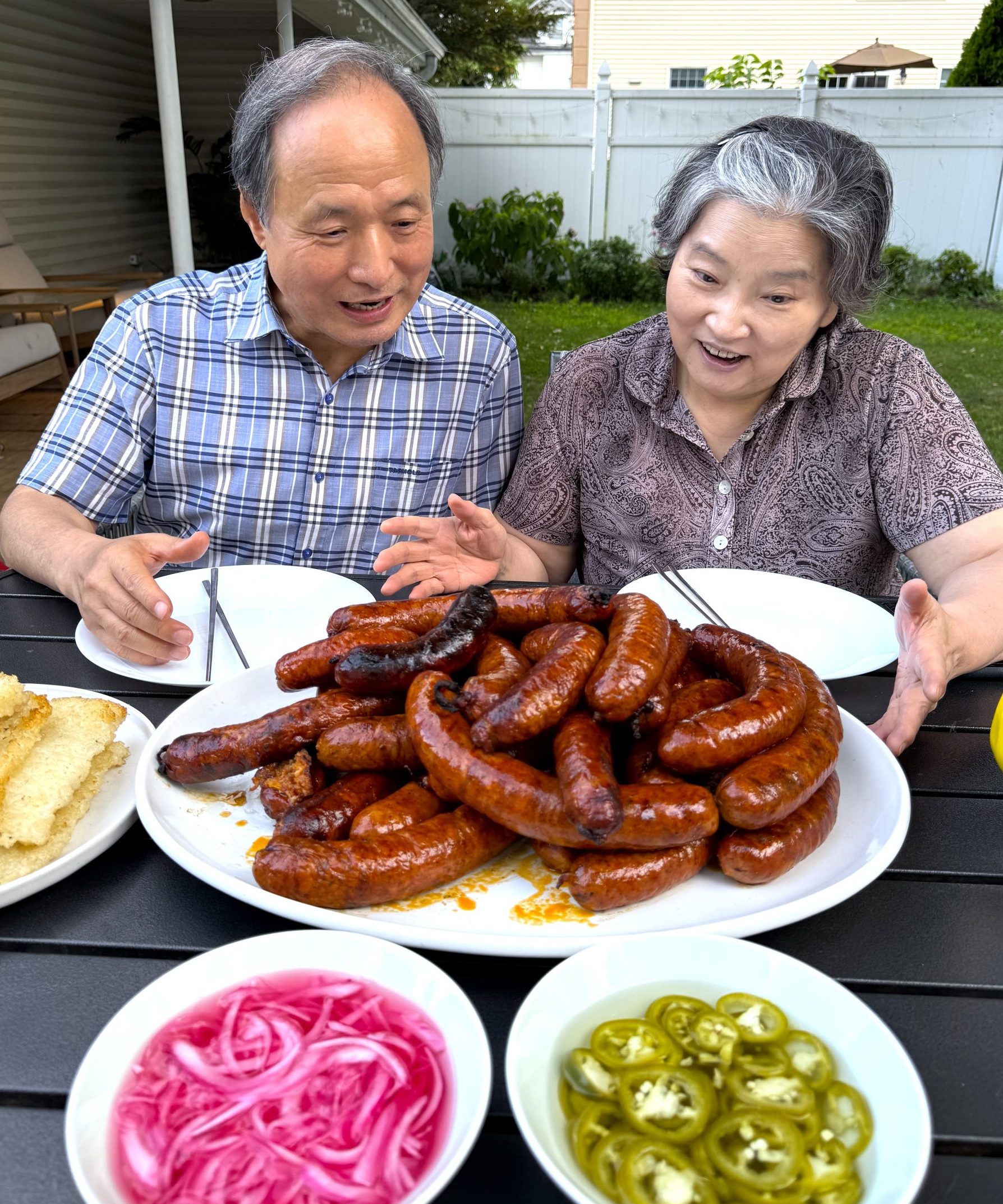
The addition of cheese provides a fat-based buffer that tempers the acidity of the kimchi. When heated, the cheese emulsifies slightly with the rendered pork fat, creating a creamy mouthfeel that contrasts with the fibrous texture of the cabbage. Applewood smoke adds a layer of guaiacol and syringol—compounds responsible for the "smoky" flavor profile—which binds to the fats, rounding out the sharp, acidic edges of the fermentation.
Broader Culinary Implications
The rise of such hybrid dishes reflects a broader trend in the global food landscape: the democratization of high-end cooking techniques. Historically, the equipment required to produce high-quality smoked sausages was confined to professional butcheries or commercial smokehouses. Today, the availability of versatile, automated grill systems has enabled a new class of "home charcutiers" to experiment with international flavor profiles.
Market analysts suggest that this trend is not merely a hobbyist curiosity but a reflection of the "gourmet-at-home" movement. As consumers become more educated on the nuances of fermentation and smoking, the demand for equipment that offers professional-grade precision has increased. This has prompted manufacturers to invest heavily in smart-grilling technologies, such as integrated meat probes, Wi-Fi connectivity for remote monitoring, and improved insulation for thermal efficiency.
Safety and Regulatory Considerations
While home production is a growing pastime, it is governed by the principles of food science. Practitioners emphasize the importance of maintaining the "danger zone"—the temperature range between 40°F and 140°F where bacteria multiply most rapidly—as short as possible during the smoking process. The use of digital thermometers is now considered a non-negotiable standard in the home smoking community to ensure that the sausages reach an internal temperature of at least 160°F.
Furthermore, the choice of casing is significant. Natural hog casings are preferred for their permeability, which allows smoke to penetrate the meat effectively. Synthetic casings are occasionally used for consistency, but they often lack the traditional bite that enthusiasts prioritize. The selection of materials is therefore a calculated decision that balances structural integrity with flavor development.
Future Trajectories
As the boundaries between cultural cuisines continue to blur, the production of kimchi-infused charcuterie may serve as a precursor to more complex fusion products. Future iterations could involve the use of different fermentation bases, such as gochujang (Korean chili paste) or doenjang (soybean paste), to create even more distinct flavor profiles.
The ongoing development of residential smoking technology will likely continue to facilitate this experimentation. As hardware becomes more intuitive, the focus of the culinary community is expected to shift toward sourcing better raw materials—such as heritage-breed pork and artisanal cheeses—further elevating the quality of home-produced goods.
In summary, the kimchi cheese sausage is a testament to the synthesis of tradition and technology. By leveraging precise thermal management and understanding the chemical synergy between fermented vegetables, cheese, and smoke, practitioners are redefining the possibilities of home-based charcuterie. Whether this trend will influence commercial manufacturing remains to be seen, but for the immediate future, it stands as a robust example of how modern tools are enabling a new era of culinary exploration.
