

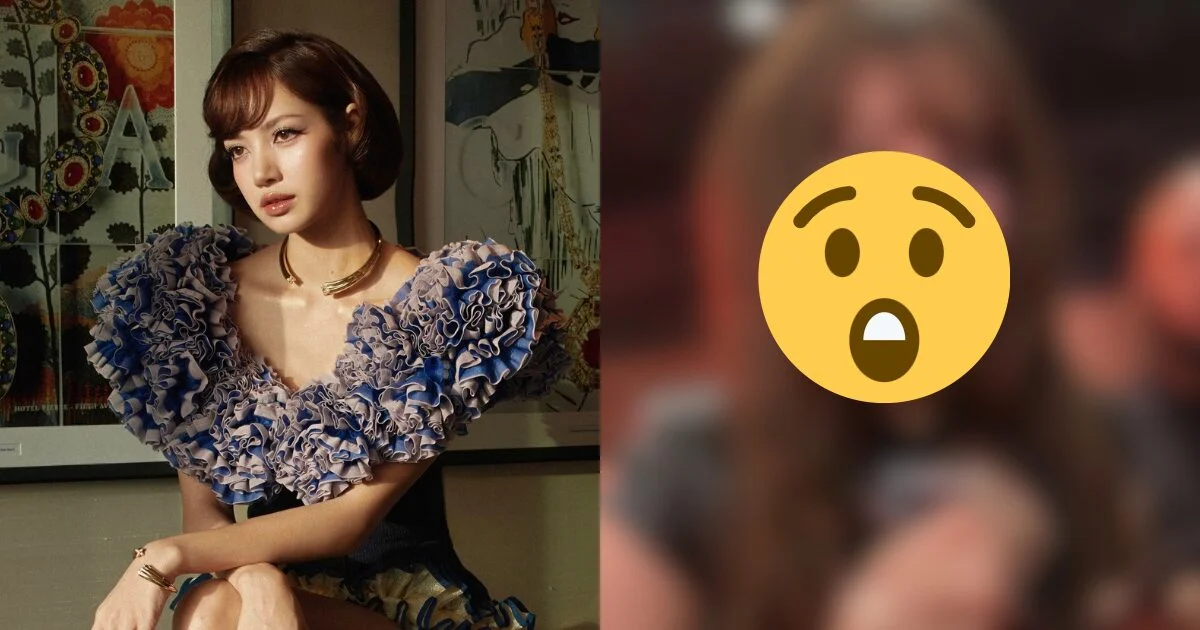
The intense scrutiny surrounding the physical appearances of global K-pop icons has once again thrust BLACKPINK member Lisa into the center of a polarizing online debate. Following a recent public appearance and fan engagement event connected to her ongoing solo promotional activities, the acclaimed artist became the target of harsh criticism across various social media platforms. Netizens and online commentators zeroed in on her facial features, reviving persistent, unverified rumors regarding alleged cosmetic procedures—specifically, a purported nose job. While international fandoms celebrated her approachable demeanor and recent career milestones, the discourse quickly devolved into speculative commentary and pointed criticism regarding changes to her aesthetic. This incident highlights the unrelenting pressure placed upon public figures within the entertainment industry, where personal appearance remains subject to constant public dissection, unsolicited commentary, and severe digital judgment.
Background Context of the Event
The recent wave of criticism emerged in the wake of an exclusive fan event hosted as part of Lisa’s ongoing promotional schedule, highlighted by the hashtag #LISA_PRESSPLAY. During the gathering, attendees shared intimate moments of interaction, including autographed merchandise and brief conversations with the global superstar. One such interaction, posted by a fan on the social media platform X (formerly Twitter), quickly gained viral traction.

While the initial intent of the post was to celebrate a cherished fan-idol encounter, the high-definition video and close-range imagery inadvertently shifted the focus of hundreds of online commentators. Instead of centering on the music or the celebratory nature of the fan engagement, the comment sections were rapidly flooded with remarks critiquing Lisa’s facial structure. Observers began sharing zoomed-in screenshots and side-by-side comparisons, fueling a narrative regarding alleged alterations to her nose. This event is not an isolated occurrence but rather part of a broader, recurring pattern of digital scrutiny that has shadowed Lisa throughout her career as her global profile has expanded beyond traditional K-pop boundaries into Western fashion, modeling, and solo music ventures.
Chronology of Online Reactions and Social Media Backlash
The dissemination of the critical commentary followed a rapid trajectory typical of modern digital fandom spaces:
- Initial Posting: A fan uploads a video capturing a personal interaction and autograph signing session with Lisa during a promotional event.
- Viral Acceleration: Within hours, the post accumulates thousands of views, transcending standard fan circles to reach wider online communities and pop culture tracking accounts.
- Shift in Narrative: Commentators diverge from celebrating the fan interaction to analyzing high-resolution frames of the idol’s face, specifically targeting the bridge and tip of her nose.
- Escalation of Criticism: Prominent accounts begin posting derogatory remarks, utilizing phrases such as "a new day and a new nose job" and questioning the perceived necessity of ongoing aesthetic modifications.
- Fandom Polarization: Loyal supporters attempt to drown out the negativity by flooding the hashtags with positive messaging, while critics continue to debate the authenticity and visual outcome of the alleged procedures.
Supporting Data and Industry Context
The intense focus on cosmetic procedures within the South Korean entertainment industry and among globally exported K-pop idols is a well-documented sociological phenomenon. Industry analysts note that performers operate under a microscopic lens where minor fluctuations in weight, styling choices, or natural aging processes are frequently misattributed to surgical intervention.

Statistically, public figures in the K-pop ecosystem experience significantly higher rates of targeted online harassment regarding physical appearance compared to Western counterparts of similar stature. Research into digital behavior across platforms like X, Instagram, and various online forums indicates that female idols face a disproportionate amount of commentary concerning plastic surgery rumors. Despite the lack of official confirmation from Lisa, her management labels, or independent medical validation, online speculation often hardens into accepted consensus among detractors, driving engagement through controversy and critical discourse.
Official Responses and Management Silence
As has been the prevailing standard for major entertainment agencies representing top-tier artists, neither Lisa’s personal management label nor her former agency, YG Entertainment, has issued a statement regarding the ongoing rumors or the recent wave of online criticism. In the global entertainment sector, addressing unverified gossip about cosmetic procedures is exceedingly rare, as formal acknowledgments or denials tend to legitimize baseless speculation and prolong media cycles.
Public relations experts generally advise against official engagement with appearance-based harassment unless it crosses legal thresholds into actionable defamation or severe cyberbullying. Consequently, the silence from management leaves artists to navigate the psychological and professional fallout of digital vitriol independently, relying on dedicated fandom communities to counteract negative narratives with supportive messaging and organized positive engagement campaigns.

Broader Impact and Implications
The relentless scrutiny faced by artists like Lisa sheds light on the darker aspects of hyper-connectivity and fandom culture in the digital age. While social media provides unprecedented direct access between celebrities and their supporters, it simultaneously creates a conduit for unmitigated harassment and unrealistic aesthetic expectations.
For performers operating on the global stage, every public appearance is subjected to forensic analysis by audiences possessing diverse cultural standards and expectations of beauty. This dynamic places an immense psychological burden on artists, who must constantly project confidence and approachability while weathering invasive public commentary regarding their bodies.
Furthermore, the normalization of mocking public figures for alleged medical or cosmetic choices sets a damaging precedent for younger audiences who consume this content daily. As the entertainment industry continues to grapple with the mental health impacts of cyberbullying, incidents like the recent backlash against Lisa underscore the urgent need for enhanced digital literacy, more compassionate online discourse, and stricter platform accountability regarding harassment disguised as critical commentary.
