

The landscape of the premium smartphone market has undergone a significant transformation in the current quarter, driven largely by the convergence of innovative foldable hardware and the continued refinement of traditional slab-style flagship devices. As Apple enters the foldable market with its inaugural "iPhone Duo" model, consumer interest in the category has reached an all-time high. This surge in market activity has prompted a renewed debate among power users regarding the trade-offs between the expansive, versatile form factor of devices like the Samsung Galaxy Z Fold 8 and the specialized, high-performance photographic capabilities found in flagship slabs such as the Galaxy S26 Ultra.
The Evolution of the Foldable Form Factor
The Samsung Galaxy Z Fold 8 represents a pivotal milestone in the engineering of foldable mobile devices. Historically, the primary deterrents for consumers considering a foldable smartphone were excessive device weight and the physical thickness of the chassis when closed. With the release of the Galaxy Z Fold 8, Samsung successfully addressed these pain points, achieving a total device weight of just 201 grams. This engineering feat, which maintains a 7.6-inch primary display, has allowed the device to transition from a niche experimental tool to a viable daily driver for a broader segment of the market.
Market analysts observe that the success of the Z Fold 8 is indicative of a broader industry shift. Since the inception of the foldable category in 2019, manufacturers have struggled to balance the demands of battery density, hinge durability, and overall ergonomics. The Z Fold 8 is widely regarded as the most refined iteration to date, effectively bridging the gap between the portability of a standard smartphone and the utility of a compact tablet.
The Photographic Compromise
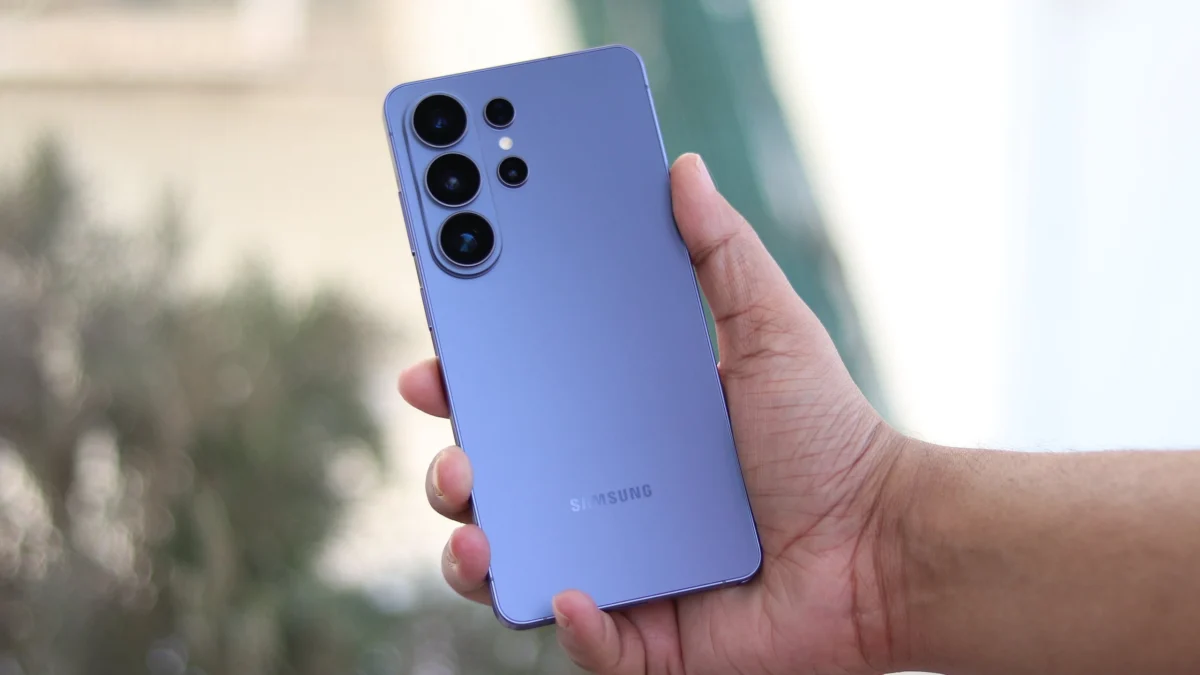
Despite the advancements in structural design, the Z Fold 8 continues to face limitations regarding its camera array. For professional users and photography enthusiasts, the omission of a high-powered, dedicated telephoto zoom lens remains a significant hurdle. In contrast, the Galaxy S26 Ultra maintains its status as the benchmark for mobile photography, offering a comprehensive suite of lenses that include ultra-wide, wide, and a multi-stage telephoto system capable of high-fidelity magnification.
This disparity in hardware configuration highlights the ongoing challenge of space management within foldable devices. The internal volume of a foldable, which must accommodate complex hinge mechanisms and split battery cells, leaves significantly less room for the large-format sensor modules required for professional-grade zoom photography. While software-based computational photography has bridged some of the gap, the optical superiority of the S26 Ultra’s dedicated telephoto hardware remains a critical differentiator for users who prioritize image quality at distance.
Comparative Chronology and Market Positioning
The decision-making process for high-end smartphone consumers has become increasingly complex. The following chronology outlines the strategic development that has led to the current market bifurcation:
- Early 2024: Samsung pivots its research and development toward refining the weight distribution of the Fold series, acknowledging feedback regarding user fatigue during prolonged one-handed use.
- Mid-2024: The Galaxy Z Fold 8 is launched, signaling a transition toward thinner, more ergonomic foldables that appeal to mainstream productivity users.
- Late 2024: The launch of the "iPhone Duo" creates a competitive pressure point, validating the foldable form factor for the general consumer and increasing the total addressable market for foldable display components.
- Current Quarter: Market data indicates a divergence in user preference: "Experience-oriented" users gravitate toward the Fold 8 for its display real estate, while "Utility-oriented" users remain committed to the S26 Ultra for its comprehensive camera stack.
Supporting Data and Technical Implications
According to recent industry reports, the foldable segment of the smartphone market is expected to grow by approximately 15% annually through 2027. This growth is fueled by improved screen durability and more aggressive pricing strategies. However, the technical implications of choosing a foldable remain stark. A device like the Z Fold 8 excels in multitasking—handling split-screen applications, document editing, and high-resolution video playback—but these capabilities are often achieved at the expense of secondary hardware features like the periscope zoom lens.

Technical benchmarks indicate that the S26 Ultra consistently outperforms the Z Fold 8 in low-light long-range photography. While the Z Fold 8 utilizes sophisticated post-processing to simulate zoom, the S26 Ultra’s physical focal length allows for superior detail retention and color accuracy. For the professional photographer, the trade-off is clear: the utility of a 7.6-inch folding screen cannot compensate for the loss of optical zoom reach.
Perspectives from the Industry
Industry analysts suggest that the bifurcation of the flagship market is a deliberate strategy by manufacturers to cater to distinct user personas. Samsung, in particular, has leaned into this by segmenting its "Ultra" brand for power users who demand the absolute best in hardware specifications, while reserving the "Fold" and "Flip" monikers for users who prioritize design, portability, and display versatility.
"The industry is currently in a phase of ‘feature optimization’ rather than ‘feature introduction,’" noted one lead researcher at a prominent mobile technology firm. "Manufacturers have realized that they cannot pack every top-tier sensor into a foldable chassis without compromising the very thing that makes the phone special: its weight and thickness. Therefore, we see a clear trend where the traditional slab phone remains the laboratory for the most advanced camera technology, while the foldable is the laboratory for the most advanced human-interface technology."
Broader Impact on Consumer Behavior
The availability of both high-performance foldables and traditional flagships has fundamentally changed how consumers evaluate their technology purchases. The trend of "device swapping"—where users maintain multiple handsets for different use cases—is becoming more common among enterprise professionals, yet it remains inaccessible to the average consumer. This creates a psychological dilemma: the desire for the latest innovation (the foldable) versus the necessity of reliable, all-in-one performance (the traditional flagship).
For the average consumer, the choice is ultimately driven by usage patterns. Data suggests that users who spend the majority of their time on communication, light office work, and media consumption are increasingly satisfied with the Z Fold 8. Conversely, those whose mobile device serves as their primary camera—particularly for travel, wildlife, or event photography—find the S26 Ultra to be an indispensable tool.
Future Outlook: The Convergence of Capabilities
Looking ahead, the industry is closely monitoring the development of next-generation lens technologies that could potentially fit into thinner chassis. If sensor miniaturization continues at its current pace, future iterations of foldable devices may finally incorporate the high-zoom capabilities currently exclusive to the S26 Ultra series. Until that technical hurdle is cleared, the market will likely remain divided between the two distinct categories of premium hardware.
As consumers weigh these options, the recommendation from analysts is to perform a rigorous audit of personal usage habits. Before committing to a premium device, potential buyers are encouraged to consider whether the advantages of a primary tablet-sized display outweigh the photographic versatility provided by a mature, traditional flagship. The "perfect" device, as it stands today, remains an elusive goal, with the current market favoring specialized excellence over a single, all-encompassing solution.
