

The global cultural phenomenon of the Korean Wave, widely known as Hallyu, has consistently found one of its most potent ambassadors not in pop music or traditional drama tropes, but in the vibrant, meticulously filmed preparation and consumption of Korean cuisine. Two decades after television screens worldwide were first introduced to the rich traditions of Korean royal court cuisine through historical dramas, the intersection of gastronomy and narrative fiction has evolved into a cornerstone of international entertainment. As streaming platforms expand their global reach, food-centric K-dramas have transformed from niche cultural exports into major economic and tourism drivers, bridging cross-cultural divides one shared meal at a time.
From Palace Kitchens to Global Screens: A Chronological Overview
The contemporary international obsession with Korean cuisine on television traces its foundational roots back to 2003 with the monumental success of Dae Jang Geum, internationally distributed as Jewel in the Palace. Directed by Lee Byung-hoon and starring Lee Young-ae alongside Ji Jin-hee, the historical drama chronicled the arduous journey of an orphaned kitchen maid who rises to become the king’s first female royal physician. The series was not merely a domestic ratings triumph; it became a global export that aired in nearly 90 countries, effectively introducing millions of international viewers to the visual artistry, medicinal philosophy, and intricate preparation methods inherent in Korean cooking.
For the subsequent decade, culinary elements in South Korean television remained largely supplemental—used as romantic backdrops or markers of domesticity. However, the landscape shifted dramatically in the 2010s with the advent of slice-of-life and conceptual series that elevated food from a background prop to the primary narrative catalyst. The 2013 premiere of Let’s Eat marked a pivotal turning point by introducing the "mukbang" (eating broadcast) aesthetic into scripted television, demonstrating how communal dining could mend social isolation and foster genuine interpersonal relationships among urban singles.
By the late 2010s and early 2020s, the formula had expanded into genre-blending blockbusters. The 2020 adaptation Mr. Queen utilized body-swapping and time-travel mechanics to place a modern Blue House head chef inside the body of a Joseon-era queen, weaponizing culinary innovation as a political and survival tool. Concurrently, dramas like Itaewon Class (2020) intertwined the gritty realities of restaurant entrepreneurship in Seoul’s multicultural district with themes of socioeconomic justice and personal retribution, proving that culinary narratives could successfully tackle complex urban issues.
The 2025 Surge: A New Era of Gastronomic Storytelling
Entering 2025, the demand for food-themed television has reached unprecedented heights, driven by major global streaming investments and a mature international audience well-versed in Korean culinary terminology. Today’s viewers are as likely to recognize the comfort of samgye-tang (ginseng chicken soup) or the fiery kick of tteokbokki as they are traditional Western comfort foods. Capitalizing on this familiarity, South Korean production studios have rolled out a robust slate of series that place food at the literal center of their plots.

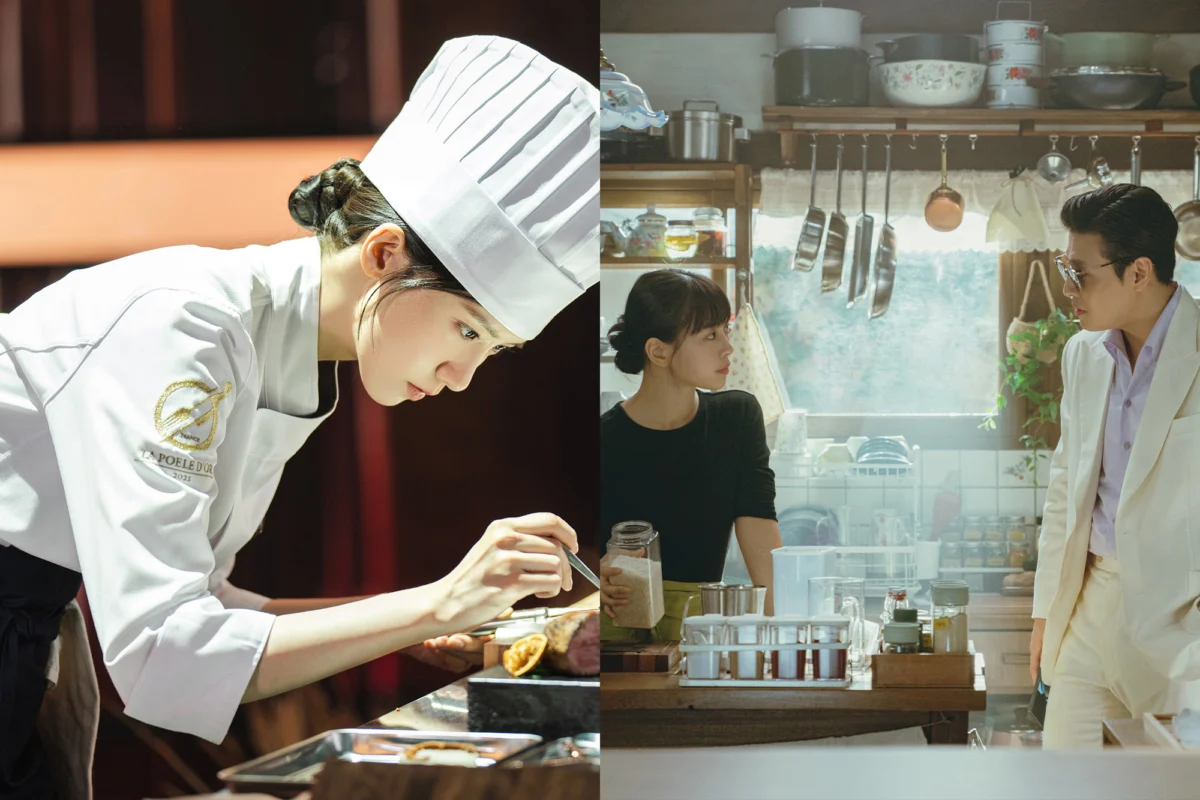
Among the standout releases is Bon Appétit, Your Majesty (2025), a romance-fantasy series starring Yoona Lim, Lee Chae-min, and Kang Hanna. The premise merges high-stakes time travel with culinary precision, following a contemporary chef transposed into a historical era where she must navigate the exacting demands of a rigid monarch through the universal language of gastronomy.
Similarly, Tastefully Yours (2025) has emerged as one of the highest-rated romantic comedies of the year. Starring Go Min-si and Kang Ha-neul, the series subverts traditional chaebol tropes by pairing a fine-dining conglomerate heir devoid of sensory appreciation with a fiercely independent, stubborn young chef. Their kitchen-based antagonism serves as a microcosm for broader discussions surrounding class, artistic integrity, and the democratization of taste in modern South Korea.
Economic Implications and Soft Power Dynamics
The sustained popularity of food-centric K-dramas carries substantial economic ramifications, extending far beyond the entertainment sector into international trade, agriculture, and tourism. According to data from governmental agricultural agencies, export volumes of Korean processed foods, sauces, and ready-to-eat meals experience measurable spikes concurrent with the global broadcast of major television hits. When characters on screen visibly relish dishes such as sundubu-jjigae (soft tofu stew) or jeyuk-bokkeum (spicy stir-fried pork), immediate shifts in global consumer demand frequently follow at international supermarkets and specialized restaurants.
Furthermore, these productions serve as sophisticated instruments of public diplomacy and tourism promotion. The visual framing of bustling dining districts like Itaewon, traditional markets, and regional eateries directly influences travel itineraries for international tourists visiting South Korea. Tourism authorities have increasingly collaborated with streaming networks to market specific filming locations, transforming local dining establishments into pilgrimage sites for global fans eager to replicate the sensory experiences witnessed on screen.
Industry Analysis and Future Outlook
Media analysts attribute the enduring success of food-themed K-dramas to universal psychological triggers. Unlike complex political thrillers or niche historical dramas, the preparation and enjoyment of food transcend linguistic and cultural barriers. The sensory engagement of cooking scenes—emphasizing the auditory crunch of frying, the vibrant colors of fresh ingredients, and the emotional resonance of shared meals—elicits a visceral response from viewers regardless of their geographic location.
As global streaming platforms continue to allocate significant capital to South Korean content development, industry insiders anticipate that the fusion of gastronomy with genres such as sci-fi, historical fantasy, and urban drama will only intensify. Producers are increasingly recognizing that the kitchen serves as a natural crucible for human conflict and reconciliation, offering endless narrative possibilities. Whether through the high-pressure environment of a modern restaurant startup or the imperial courts of the Joseon dynasty, food in K-drama remains a reliable vessel for storytelling—one that continues to leave global audiences hungry for more.
