

In contemporary Western societies, bodily waste is strictly relegated to the private sphere, treated as a taboo subject associated with disgust and unhygienic conditions. However, in South Korea, the cultural paradigm surrounding human and animal waste presents a stark contrast. Far from being a source of social embarrassment, fecal matter is woven deeply into the fabric of Korean history, agricultural tradition, linguistic expression, and popular culture. To understand this unique cultural phenomenon requires an examination of historical agrarian practices, socioeconomic survival mechanisms, and the ways in which a natural biological byproduct transformed into a symbol of wealth, humor, and communal health.
Historical Agrarian Roots and the Value of Fertilizer
The normalization of fecal discussions in Korea is fundamentally rooted in the nation’s pre-industrial agricultural economy. For centuries, prior to the advent of synthetic chemical fertilizers, human and animal waste served as the primary nutrient source for cultivating essential crops such as rice, barley, and vegetables. In a society where agricultural yield dictated survival, manure was treated not as refuse, but as an indispensable agricultural asset.
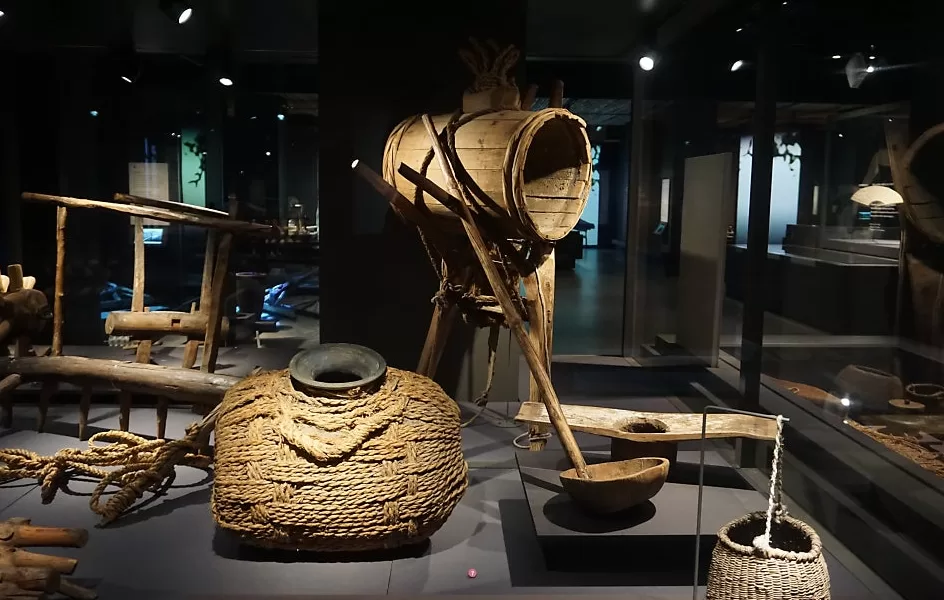
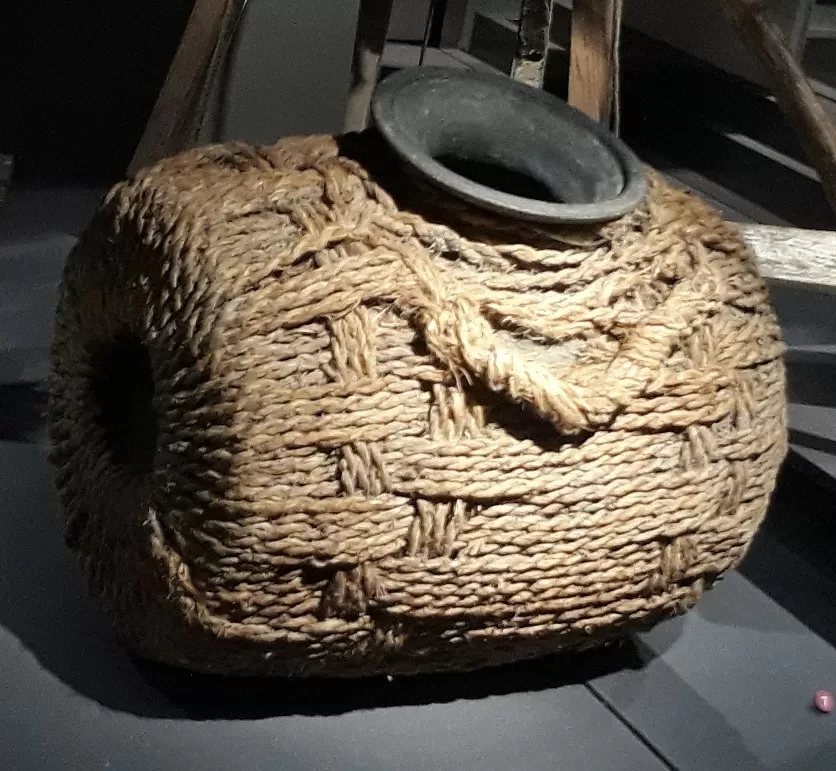
Historical records preserved by institutions such as the National Folk Museum of Korea highlight agrarian proverbs that elevate the status of waste, equating a bowl of manure directly to a bowl of rice. Traditional farming households utilized specialized earthenware jars, known as ddong-janggun (literally translated as "poop generals"), to transport and ferment waste before applying it to the fields in late autumn and early spring. Because agricultural success depended on rich soil, human waste was carefully guarded; traditional rural etiquette dictated that individuals should return home to relieve themselves rather than forfeit valuable fertilizer to neighboring lands. This utilitarian necessity fostered a pragmatic, unashamed societal outlook toward digestion and elimination that has persisted through generations.
The Unique Legacy of Jeju Island’s "Toilet Pigs"
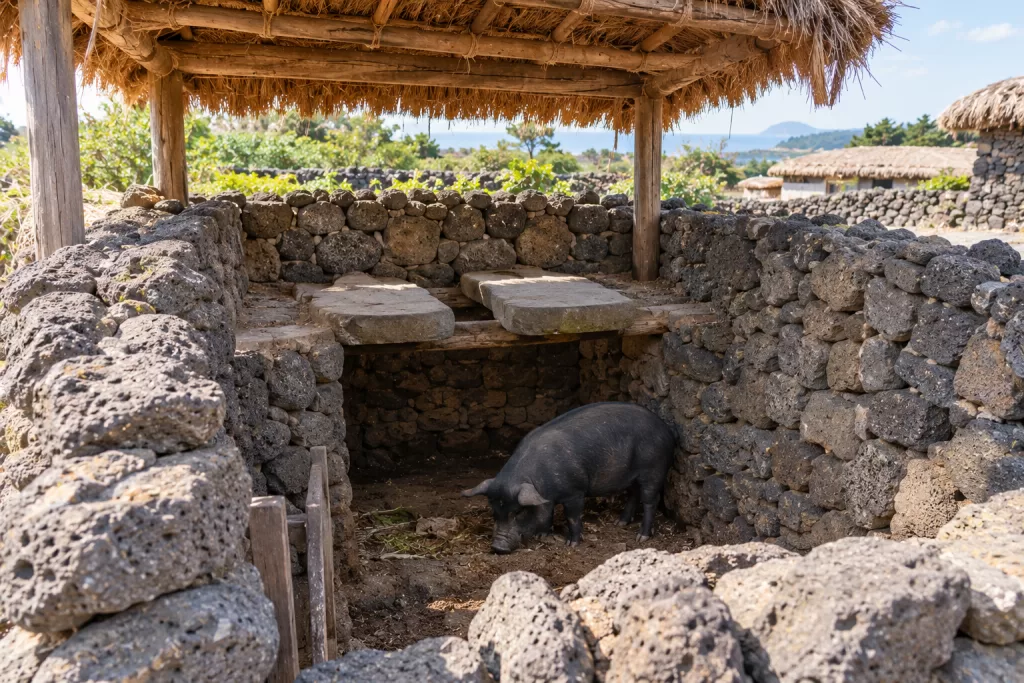
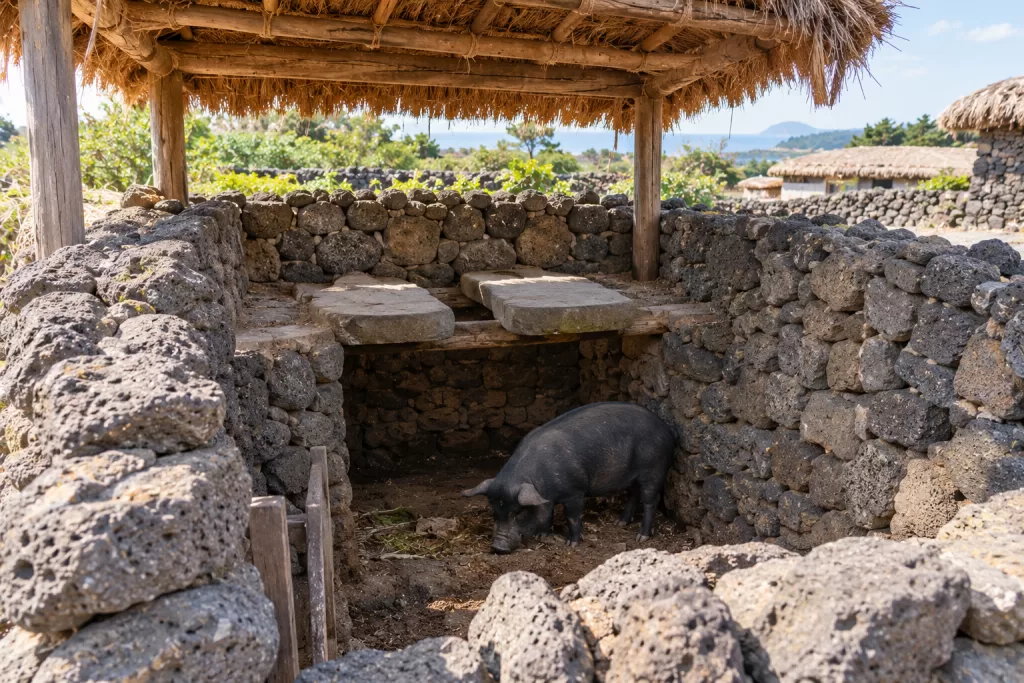
Perhaps the most vivid manifestation of this agrarian pragmatism is found in the traditional architecture and livestock management of Jeju Island. Historically, Jeju households utilized an outdoor facility known as a dottongsi, which combined an outhouse with a subterranean pigpen.
Constructed with low black basalt stone walls, the structure featured raised stone footings over which a person would squat. Below the platform resided the family’s black pigs (ddong-dwaeji, or "poop pigs"), which consumed the waste. This symbiotic system efficiently solved multiple challenges on the rocky volcanic island: it disposed of human waste, managed livestock feeding on an island with limited grain, and combined the animal manure with barley straw to produce rich agricultural fertilizer.
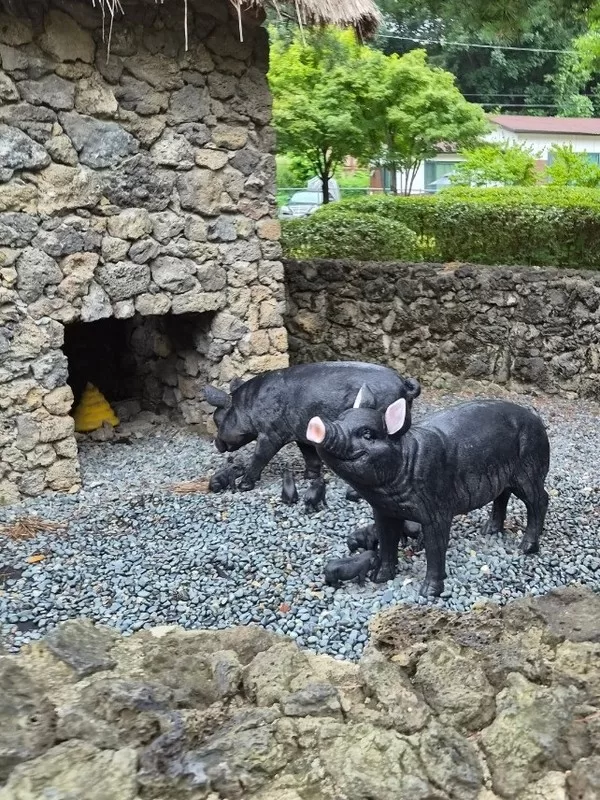
Although modern sanitation campaigns in the late 20th century phased out the use of dottongsi in favor of public health standards—transitioning Jeju black pork production to conventional modern farms—the historical practice remains a prominent feature of local folklore and is preserved at cultural heritage sites such as the Jeju Folk Village and Seongeup Fortress Village.

Superstitions, Dreams, and Protection from Evil Spirits
Beyond agriculture, fecal matter occupies a distinct place in Korean folklore and traditional beliefs, most notably through the interpretation of dreams. In Korean oneirocriticism, dreaming of feces (ddong-kkum) is considered an auspicious omen foretelling financial prosperity and windfall gains. In contemporary South Korea, it remains common for individuals to purchase lottery tickets following a vivid dream involving waste. Anthropological analysis suggests this superstition directly stems from the agrarian era: an abundance of waste historically promised a bountiful harvest, thereby equating physical waste with economic abundance.
Furthermore, traditional childrearing practices frequently incorporated fecal imagery as a protective measure against infant mortality. Prior to modern medical advancements, infant mortality rates were high, and children were rarely integrated into broader society until they survived their first hundred days (baegil) or their first birthday (dol). To ward off malevolent spirits and bad luck, parents often bestowed derogatory or unappealing childhood nicknames (amyeong) upon their offspring, believing that evil entities would overlook a child deemed worthless. One of the most common monikers was gae-ddong-i ("dog poop"). Historical records indicate that even historical figures, such as King Gojong—the final monarch of the Joseon Dynasty and the first emperor of the Korean Empire—bore the childhood nickname Gae-ddong before ascending to formal titles.

Linguistic Integration and Idiomatic Expressions
The pervasive nature of fecal references is deeply embedded in the Korean language (Hangul). While the standard everyday term for waste is ddong (officially romanized as ttong), the root appears in numerous idioms, descriptive nouns, and everyday phrases that do not necessarily carry a vulgar connotation.
Linguists note that the morpheme often functions adverbially to denote negativity, inferiority, or stubbornness. Examples include:
- Ddong-son ("poop hands"): Denoting a person who is clumsy or unskilful at crafts.
- Ddong-gojip ("poop stubbornness"): Describing extreme, pig-headed obstinacy.
- Byeol-ddong-byeol ("star poop star"): The linguistic term for a shooting star.
- Gae-ddong-beolle ("dog poop bug"): The colloquial term for a firefly.
Idiomatic expressions also utilize the concept to illustrate human behavior. For instance, the phrase "Your mind on the way to the toilet is different from your mind on the way back" reflects transactional human nature and shifting priorities once a goal has been achieved. Another common proverb, "You don’t avoid poop because it’s scary; you avoid it because it’s dirty," advises detachment from toxic or unpleasant individuals rather than fear of confrontation.

Modern Cultural Manifestations and Sanitation Advocacy
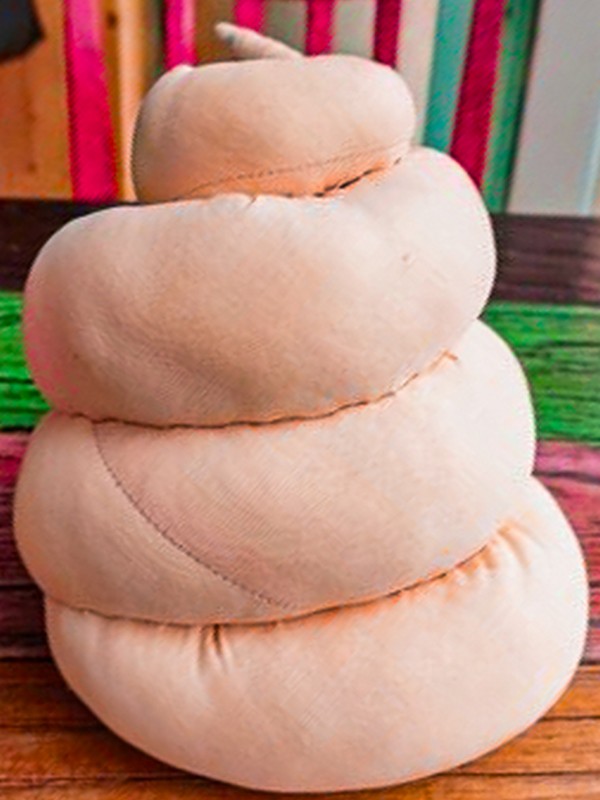
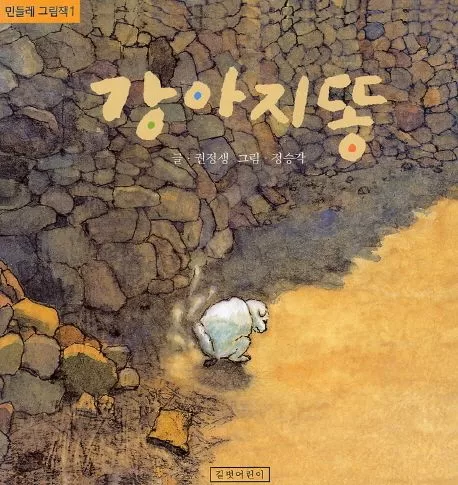
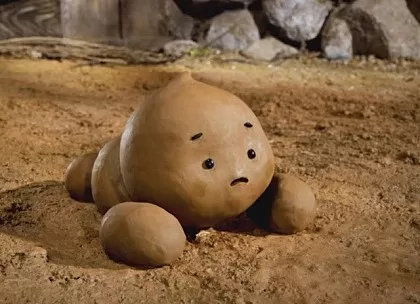
In modern South Korea, the historical openness toward bodily functions has evolved into commercial and educational pop culture. Fecal imagery is widely utilized in early childhood education, where teachers often employ smiling, stylized poop-swirl icons as positive reinforcement stickers on assignments. The motif also features prominently in children’s literature, most notably in Kwon Jeong-saeng’s acclaimed 1969 fairy tale Kkangaji Ttong ("Puppy Poop"), which explores themes of intrinsic value and self-sacrifice as a discarded dropping transforms into nourishment for a blooming dandelion.
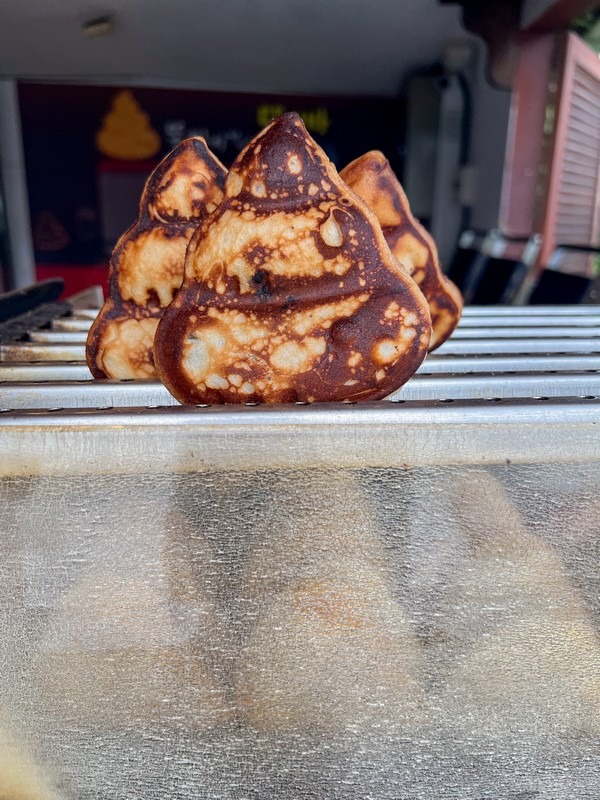
The commercial sector has embraced this imagery through specialty dining concepts, such as poop-themed cafes and street-food vendors offering ddong-ppang—a pastry baked in the shape of a spiral and filled with sweet red bean paste or chocolate.

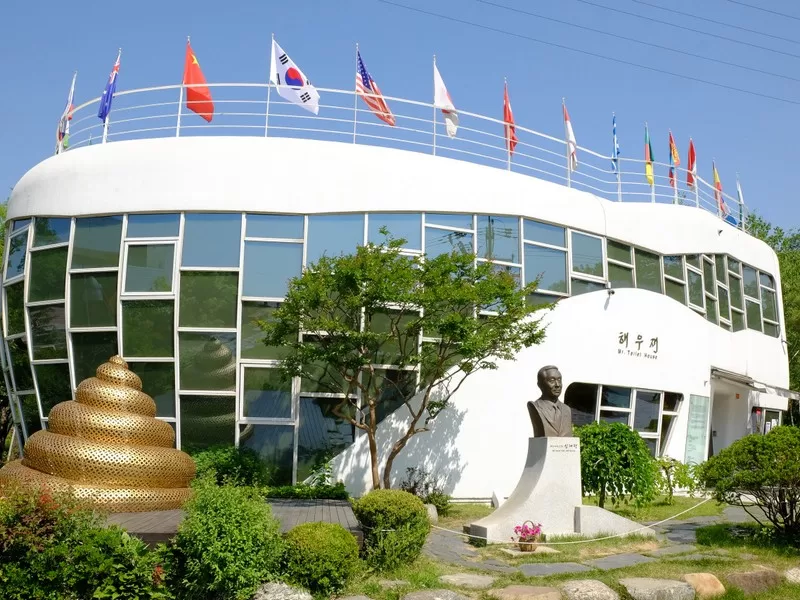
On an infrastructural level, South Korea’s cultural emphasis on sanitation gained international prominence through figures like Sim Jae-duck, the former mayor of Suwon. Often dubbed "Mr. Toilet," Sim spearheaded national hygiene campaigns ahead of the 2002 FIFA World Cup, subsequently founding the World Toilet Association in 2007. He famously demolished his own residence to construct a giant, toilet-shaped architectural landmark known as Haewoojae ("a house for relieving worries"). Today, the structure functions as the Suwon Toilet Culture Museum, promoting global sanitation awareness.
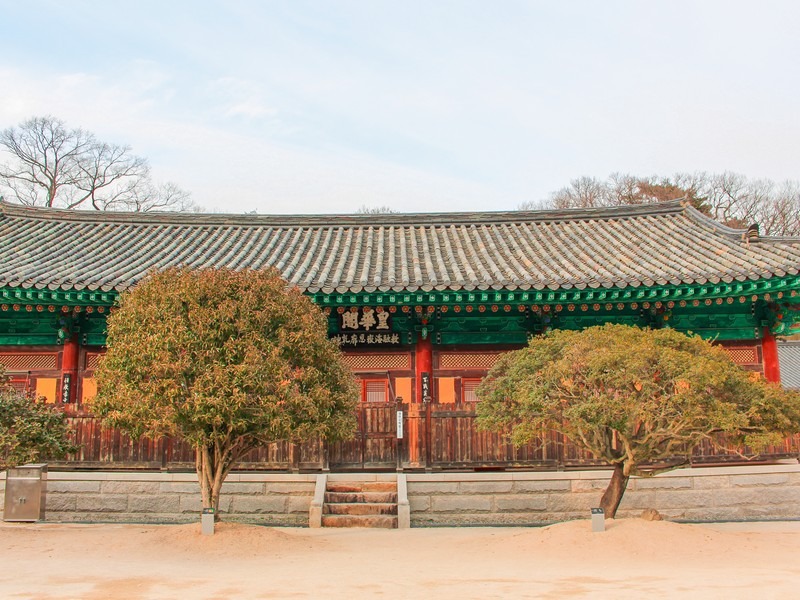
Similarly, Buddhist monastic traditions reflect this linguistic softening of bodily functions. Restrooms at traditional temples are frequently designated as haeuso ("the place where you relieve your worries"), a term coined by senior monks in the mid-20th century to emphasize spiritual and physical release.
Sociological Implications and Contemporary Outlook
The absence of taboo surrounding fecal matter in South Korea offers sociological insight into the country’s collective approach to health and communal living. Within domestic and familial spheres, digestive health is discussed with the same clinical or casual detachment as sleep patterns or nutrition, reflecting a holistic view of human biology. While formal and professional environments maintain standard social boundaries, the broader societal tolerance for fecal motifs in education, language, and humor underscores a cultural framework that successfully bridges historical agrarian necessity with modern consumerism.
