

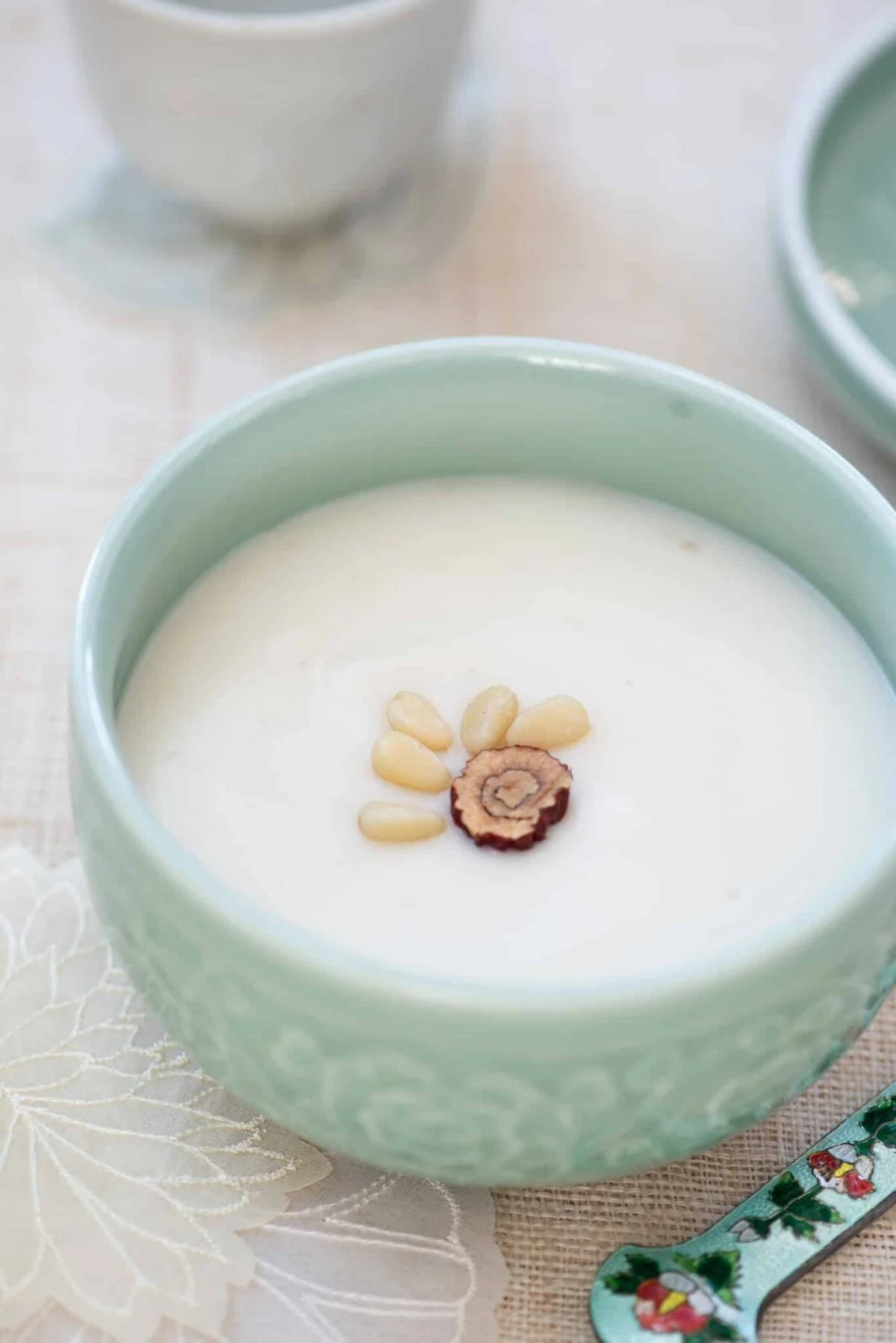
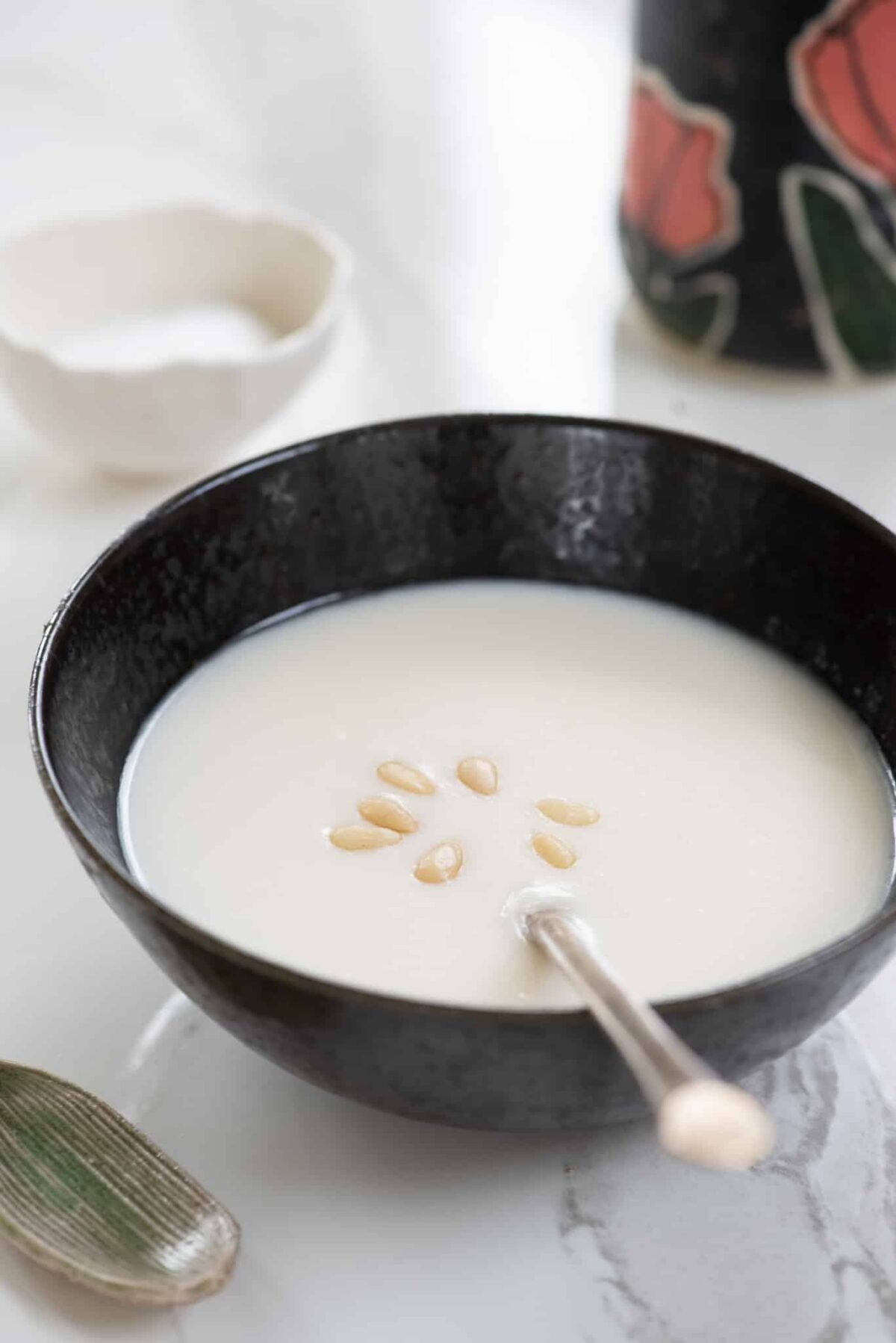
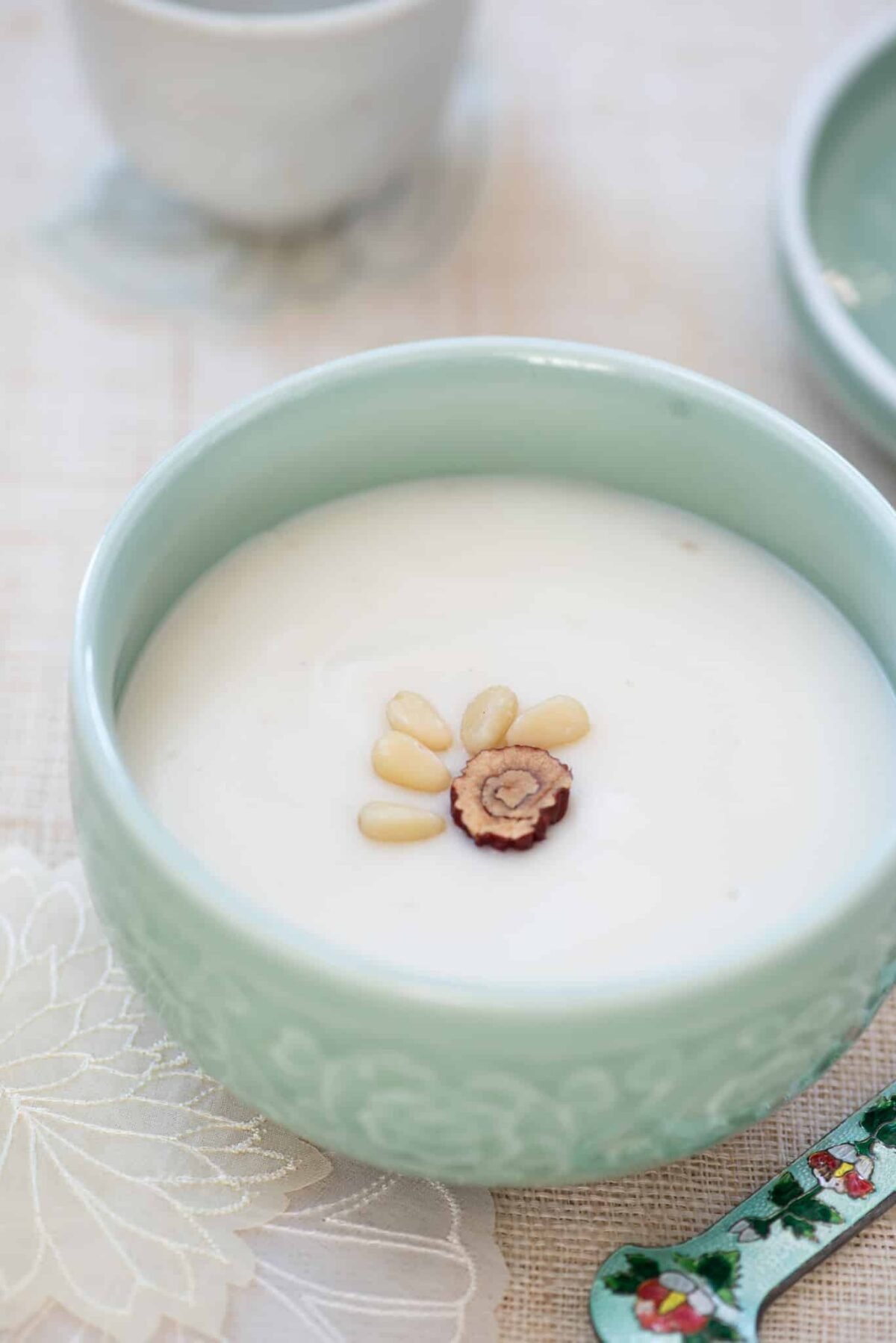
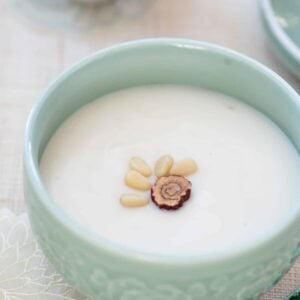
Jatjuk, a refined and highly nutritious Korean porridge crafted from finely ground rice and premium pine nuts, stands as a testament to the sophistication of traditional East Asian gastronomy. Known for its creamy, velvety texture and delicate nutty flavor profile, this dish has evolved from a medicinal delicacy favored by the Joseon-era aristocracy into a staple of modern home cooking, particularly valued for its restorative properties. Unlike many grain-based porridges, the preparation of jatjuk requires a nuanced understanding of food science, specifically the interaction between rice starches and the enzymatic properties of pine nuts.
The Historical and Cultural Evolution of Jatjuk
The history of jatjuk is deeply rooted in the royal courts of the Joseon Dynasty (1392–1897), where it was frequently prepared for monarchs and high-ranking officials. Its popularity was attributed not only to its palatable nature but also to its status as a nutrient-dense restorative food, often referred to in historical medical texts as an ideal meal for those recovering from illness or for elderly individuals requiring easily digestible sustenance.
Pine nuts, or jat in Korean, have historically held a position of prestige in the regional diet. Unlike common grains or vegetables, pine nuts were labor-intensive to harvest and process, often sourced from deep mountain forests. This scarcity cemented their reputation as a luxury ingredient, commonly reserved for special occasions or the preparation of medicinal foods. The inclusion of pine nuts in dishes like yaksik (sweet rice with dried fruits and nuts) and sikhye (rice punch) serves as a historical marker of status, as the ingredient’s rich profile of healthy fats and proteins was highly prized in traditional Korean nutritional philosophy.
The Scientific Nuance: Understanding Amylase and Starch Emulsification
The preparation of jatjuk is a rigorous process that demands precision. The fundamental challenge in creating a perfect bowl of this porridge lies in the chemical relationship between the rice and the pine nuts. When raw or inadequately cooked, pine nuts release amylase enzymes. These enzymes possess the biological capability to break down starch molecules into sugars. If the cooking process is not managed correctly, the amylase can degrade the rice starch, causing the porridge to lose its intended viscosity and turn into a thin, watery liquid.
To achieve the signature consistency, chefs must prioritize the denaturation of these enzymes. This is accomplished through controlled, prolonged heat application. The process typically involves a 1:3 ratio of rice to water—a stark departure from other popular rice-based porridges like dakjuk (chicken porridge) or jeonbokjuk (abalone porridge), which typically utilize a 1:6 ratio. By reducing the water volume and ensuring the porridge is simmered for at least 20 minutes, the cook ensures that the rice starch successfully emulsifies with the pine nut oils, resulting in a stable, buttery, and uniform emulsion.
Comparative Nutritional Profiles
From a contemporary nutritional standpoint, jatjuk is recognized for its high caloric density and beneficial lipid profile. Pine nuts are a significant source of monounsaturated fatty acids, particularly oleic and linoleic acids, which are associated with improved cardiovascular health. Furthermore, they are rich in vitamin E, magnesium, and iron.
When compared to other traditional porridges, such as the carbohydrate-heavy patjuk (red bean porridge) or the vegetable-forward hobakjuk (pumpkin porridge), jatjuk offers a higher concentration of plant-based protein. This makes it an ideal choice for convalescents, as it provides sustained energy release without causing the digestive distress that high-fiber or highly acidic foods might induce. The porridge serves as a functional food, often recommended by health practitioners in Korea for those with sensitive digestive systems or those experiencing fatigue.
Standardized Culinary Methodology
The production of high-quality jatjuk follows a specific, repeatable sequence designed to maximize flavor extraction while maintaining structural integrity.
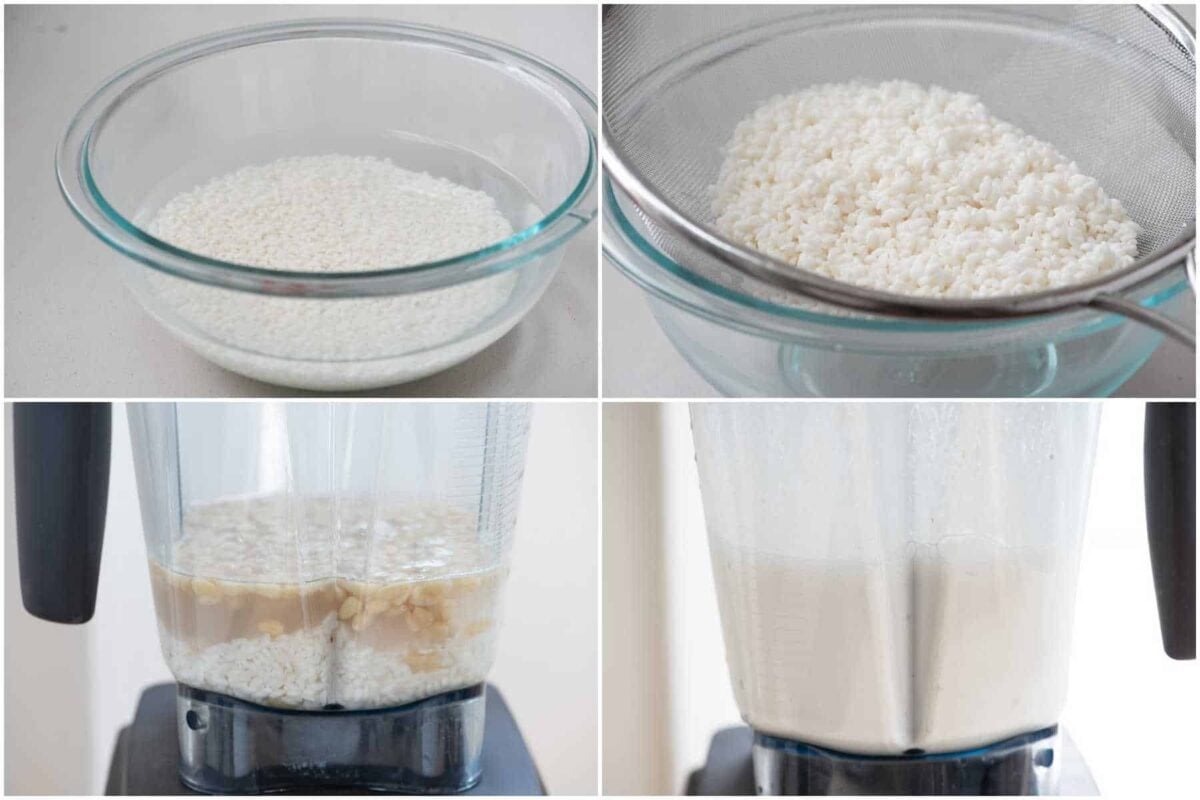
- Selection and Preparation: The process begins with the soaking of high-quality short-grain rice, which must be hydrated for at least one hour to ensure an even grind. Simultaneously, pine nuts are rinsed and briefly toasted over a medium-low flame. This light toasting (3–4 minutes) is crucial; it releases the aromatic essential oils within the nuts but must be carefully monitored to avoid browning, which would alter the aesthetic and flavor profile of the dish.
- Pureeing and Emulsification: The soaked rice and toasted pine nuts are combined with a measured volume of water in a high-speed blender. The objective is to achieve a fine, milky consistency. The resulting liquid serves as the base for the porridge.
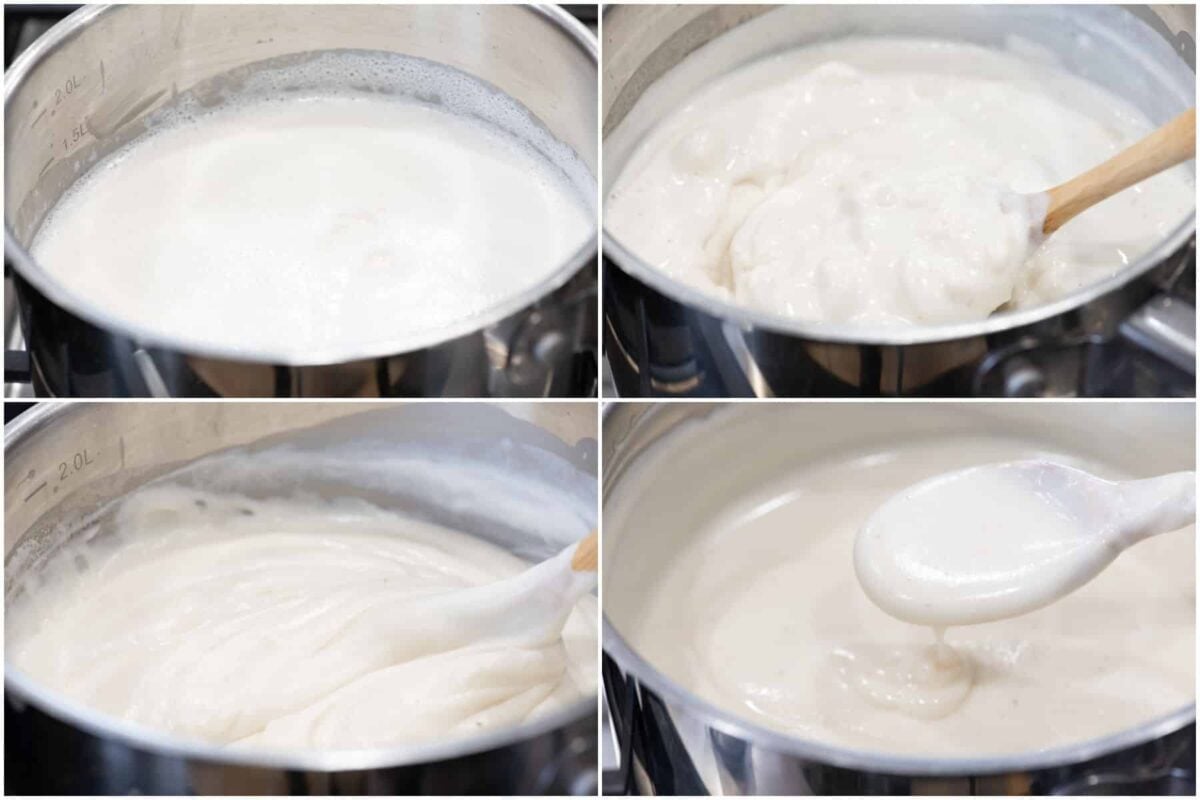
- Thermal Application: The mixture is transferred to a heavy-bottomed pot. Continuous, gentle stirring is required to prevent the rice from settling or burning. As the temperature rises, the starch gelatinizes. The cook must observe the transition from a lumpy, thickened state to a smooth, refined consistency, which indicates that the proteins and starches have successfully integrated.
Storage and Shelf-Life Considerations
Jatjuk is a highly perishable dish due to its high fat and moisture content. If stored in a refrigerator, it typically remains viable for 4 to 5 days. However, because it is an emulsion, it is sensitive to temperature fluctuations. When reheating, it is imperative to use moderate heat. Excessive boiling can break the emulsion, causing the fat to separate from the starch, effectively ruining the texture. Modern households often employ sous-vide or gentle microwave techniques to maintain the porridge’s consistency, emphasizing the need for gradual warming.
Economic and Global Impact
The global interest in Korean cuisine, or K-Food, has seen a significant rise in the popularity of traditional porridges. As health-conscious consumers in Western markets look for alternatives to dairy-based creams, the plant-based, nut-based richness of jatjuk has positioned it as a gourmet trend. While it remains a niche product compared to kimchi or bibimbap, the interest in "functional porridge" is growing.
The economic implications are notable for the supply chain. High-quality pine nuts are increasingly expensive due to climate-related harvesting challenges in the regions where they are traditionally grown. This has led to a bifurcation in the market: mass-produced instant jatjuk mixes, which often use stabilizers to mimic the mouthfeel of the traditional version, and high-end artisanal preparations that utilize premium, locally sourced nuts.

Conclusion: A Legacy of Refinement
Jatjuk remains more than a mere breakfast food; it is a manifestation of Korean culinary values, which prioritize the harmony of ingredients, the therapeutic nature of food, and the patient application of technique. As culinary traditions continue to modernize, the preservation of the methodology required to produce authentic jatjuk remains a vital link to the past. By adhering to the precise ratios and heating protocols developed over centuries, cooks ensure that this dish continues to serve its primary purpose: providing comfort, nutrition, and a connection to a rich, historical culinary lineage.
As future trends in gastronomy continue to emphasize plant-based nutrition and the "slow food" movement, it is likely that jatjuk will see further integration into global health-oriented diets. The challenge for the future will be balancing the traditional, labor-intensive preparation methods with the growing demand for convenience, ensuring that the integrity of the original dish is not sacrificed in the pursuit of mass consumption. For the present, however, the dish serves as a reminder that the most sophisticated flavors are often those that require the most careful, measured attention to the fundamentals of food science.
