
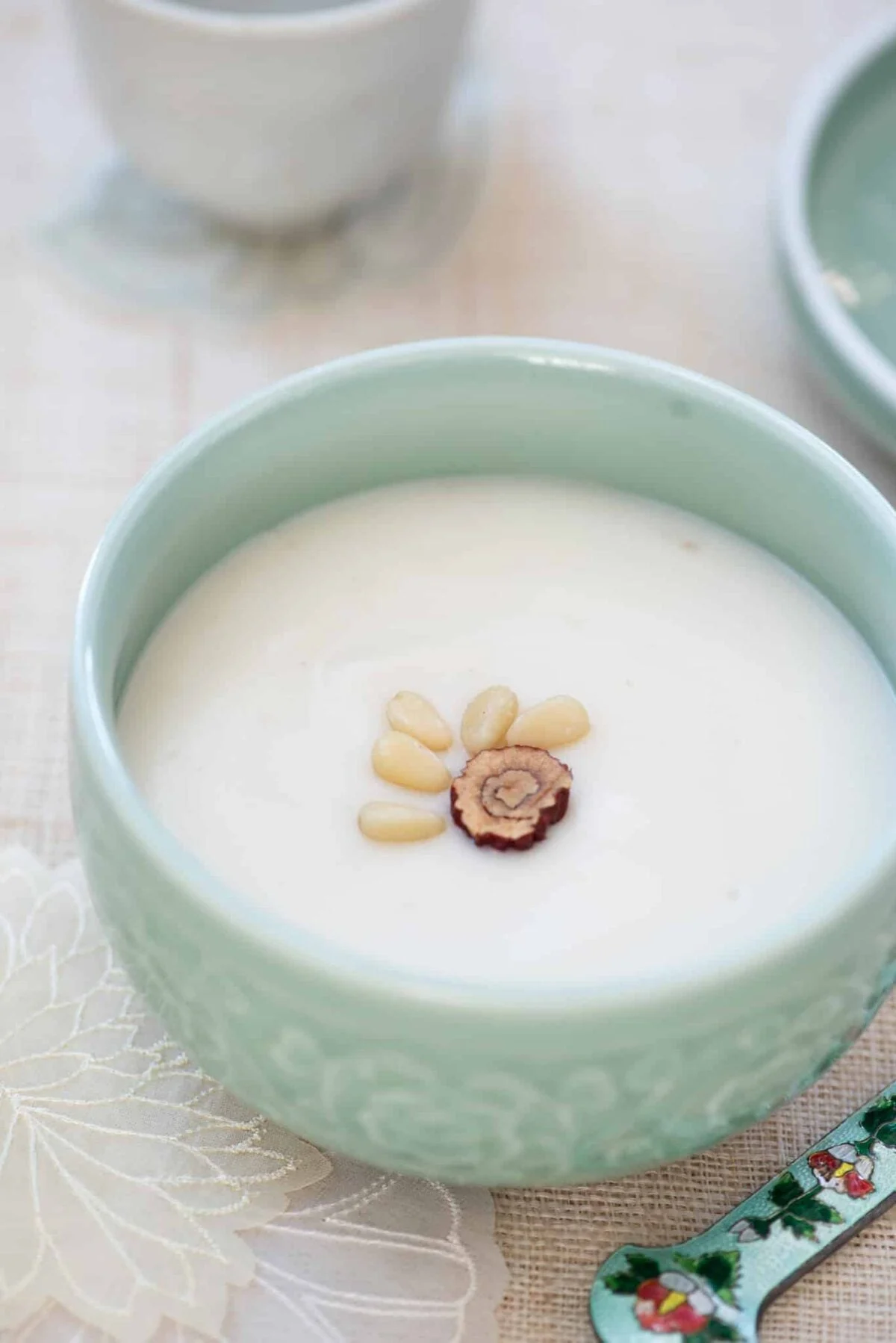
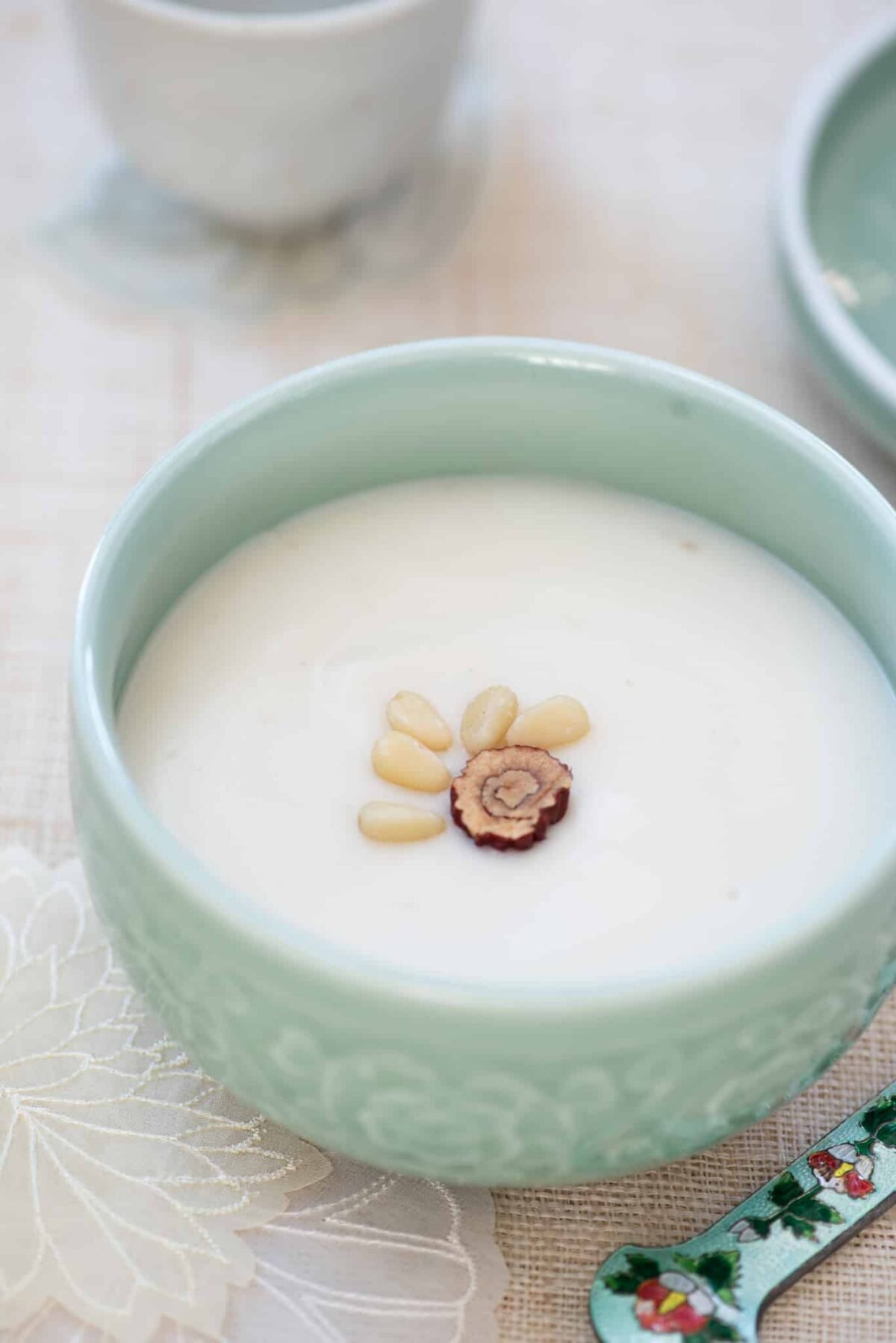
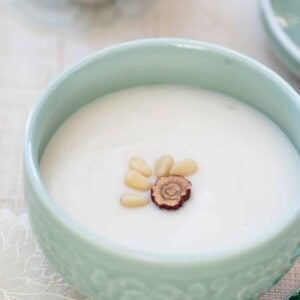
Jatjuk, a revered Korean delicacy, is a testament to the country’s rich culinary heritage, blending the humble ingredients of finely ground rice and nutrient-dense pine nuts into a dish that is both profoundly comforting and remarkably healthful. This creamy, delicately nutty porridge has long been a staple in Korean households, particularly cherished for its soothing properties, making it an ideal choice for delicate stomachs, convalescence, or simply as a nourishing start to a cool morning. The preparation of jatjuk, while seemingly straightforward, involves nuanced techniques to achieve its signature silken texture, a challenge many home cooks encounter, often resulting in a less-than-ideal watery consistency.
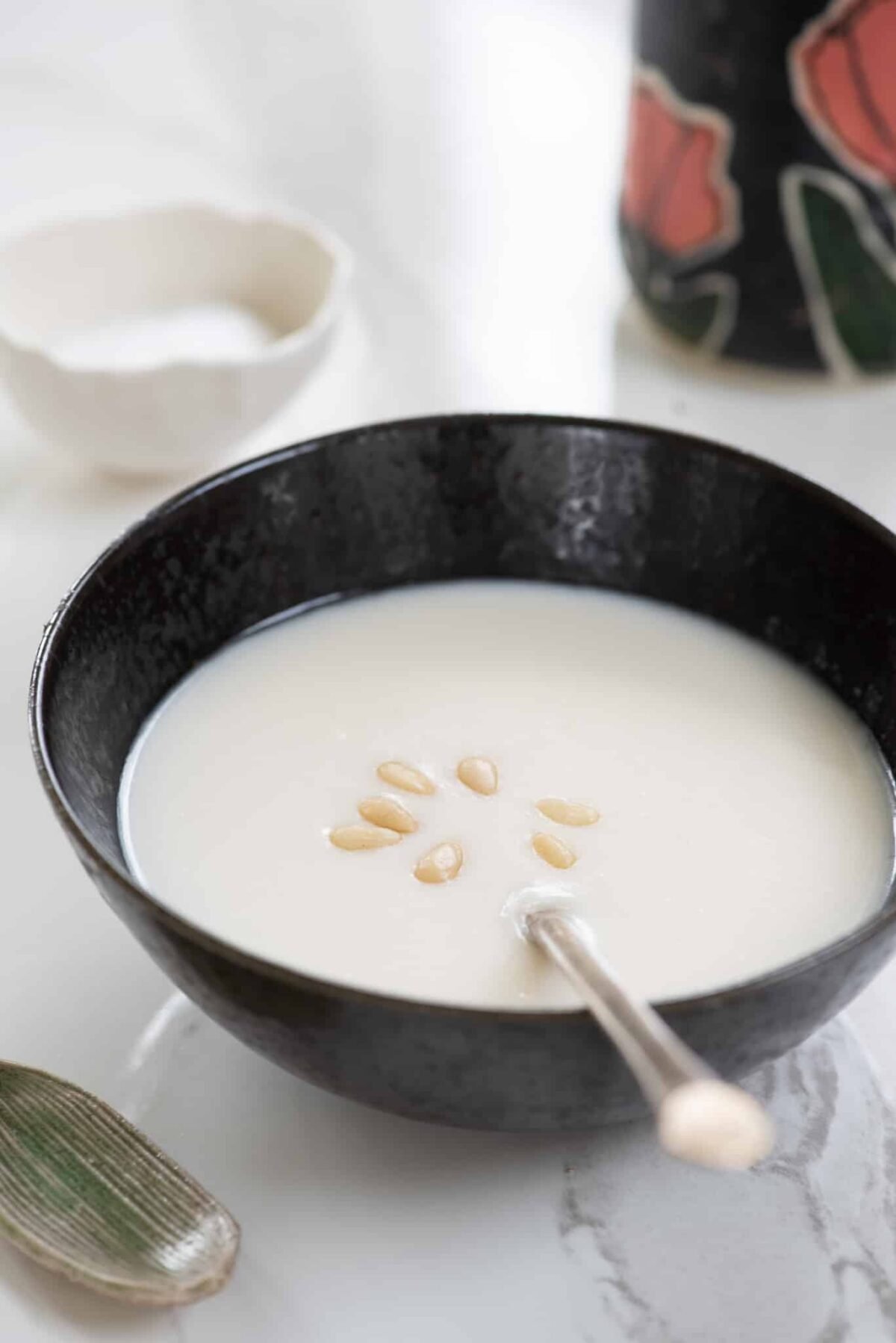
The intrinsic value of jatjuk lies in its primary ingredient: pine nuts. These small, nutrient-rich seeds are a prized component in Korean cuisine, celebrated for their abundant healthy fats, protein, essential minerals, and potent antioxidants. Their inclusion in jatjuk elevates the dish beyond mere sustenance, imbuing it with a sophisticated flavor profile and a significant nutritional boost. Pine nuts are not confined to this particular porridge; they are a versatile ingredient found gracing various Korean dishes, from sweet rice preparations like Yaksik and the refreshing rice punch Sikhye, to the delicate layers of White Kimchi, and even as a key component in dressings and noodle soups, such as a pine nut dressing or Kongguksu. This widespread use underscores their cultural and culinary significance in Korea.
Understanding the Science Behind Jatjuk’s Creaminess
The creation of jatjuk involves the gentle simmering of finely ground rice and pine nuts. During this process, a magical transformation occurs as the starches released from the rice and the natural fats from the pine nuts emulsify, yielding the porridge’s characteristic buttery smoothness and creamy mouthfeel. However, a common pitfall in its preparation is the presence of amylase enzymes within the pine nuts. These enzymes possess the ability to break down rice starch, which can prematurely thin the porridge, leading to the dreaded watery outcome. Mastering the art of jatjuk, therefore, hinges on employing cooking methods that effectively manage this enzymatic activity.
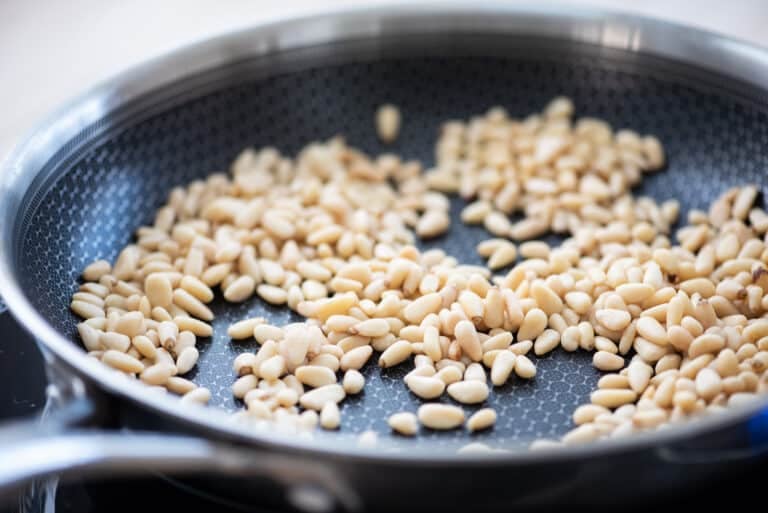
The careful preparation of ingredients is paramount. Pine nuts are typically rinsed under cold water and then lightly toasted in a dry pan over medium-low heat for approximately three to four minutes. This toasting process, which should avoid browning, is optional but enhances the nuttiness and aroma of the final dish. A crucial element in achieving the desired texture and flavor balance is the ratio of rice to pine nuts. While a 1:1 ratio is often favored for a rich, pronounced nutty taste, adjustments can be made. However, it is recommended to maintain a minimum ratio of one part pine nuts to two parts rice to ensure adequate flavor and the essential creamy, buttery consistency. It is important to note that the amount of water should not be reduced even when decreasing the quantity of pine nuts, as this can disrupt the delicate balance required for proper emulsification.
A critical factor influencing the viscosity of any rice porridge, including jatjuk, is the rice-to-water ratio. Unlike other Korean porridges such as Dakjuk (chicken porridge) or Jeonbokjuk (abalone porridge), which might use a ratio of 1:6 depending on the desired thickness, jatjuk requires significantly less water, typically a 1:3 ratio. This reduced water content is a direct consequence of the amylase enzymes in pine nuts.
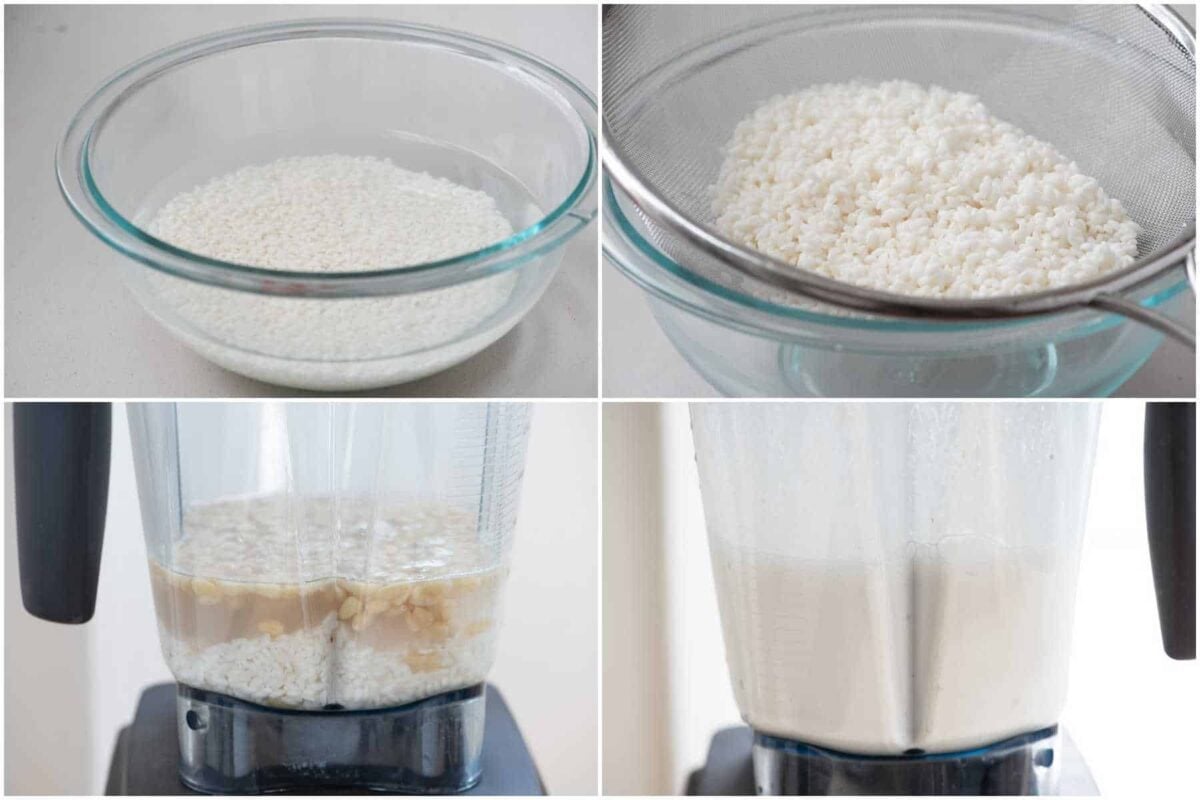
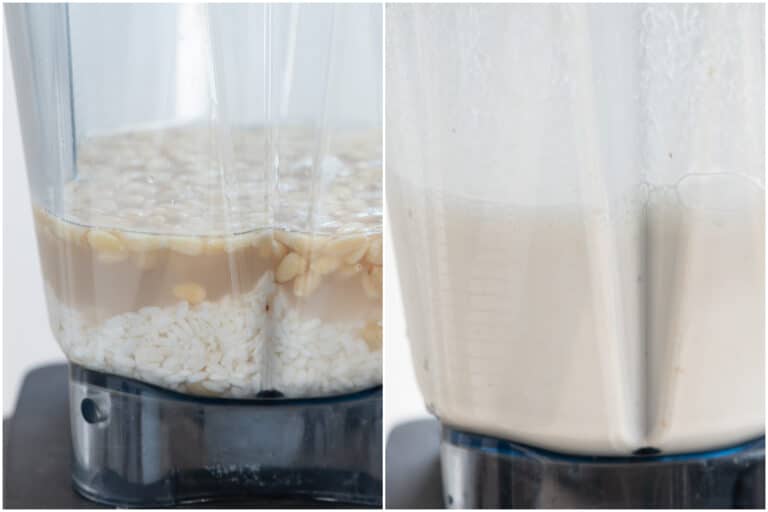
The process begins with rinsing the rice, followed by a soaking period of at least an hour, or longer, to ensure the grains are fully hydrated. After draining, the soaked rice and prepared pine nuts are combined in a blender with two cups of water. The mixture is then blended until it achieves a milky, fluid consistency, which typically takes about 30 seconds, though this can vary depending on the power of the blender. The remaining water is then used to rinse out any residual mixture from the blender, ensuring no precious ingredients are wasted.
The Cooking Phase: Patience and Precision
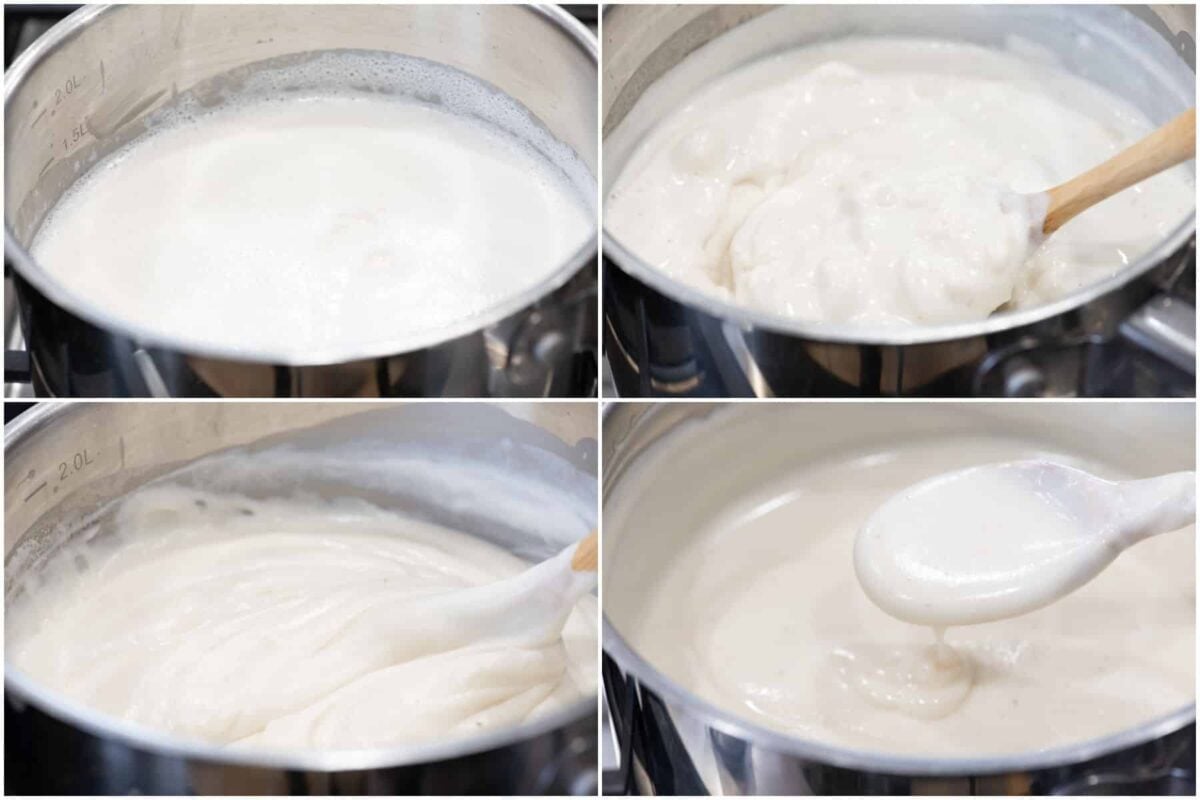
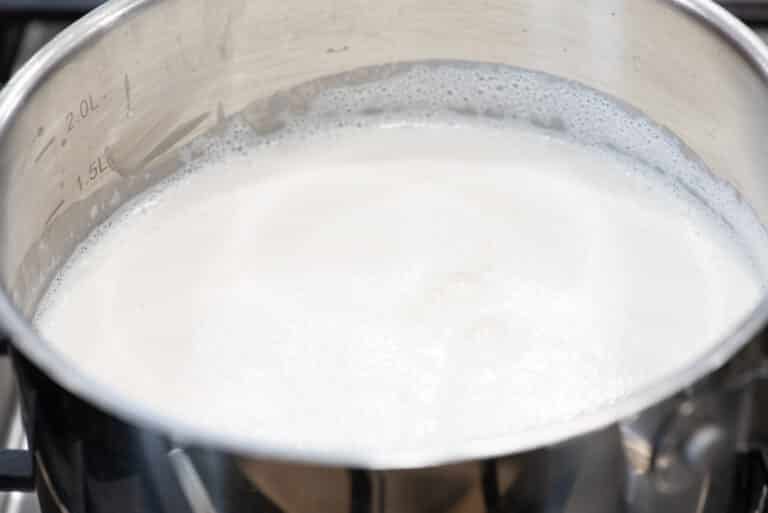
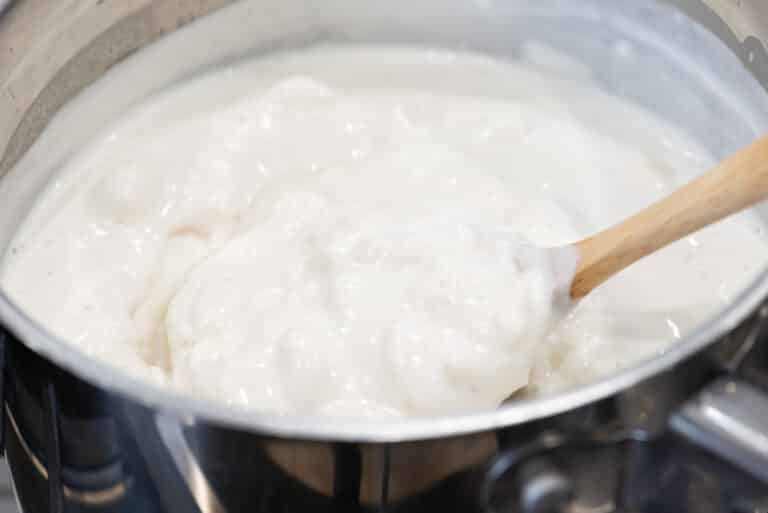
The cooking of jatjuk demands attentive stirring over medium heat. The mixture is brought to a gentle simmer, and continuous, gentle stirring is essential, ensuring the contents do not adhere to the bottom of the pot. Initially, the porridge may appear to thicken and clump, but as it continues to simmer, it will transform into a smooth, fluid consistency.
While the finely pureed rice cooks relatively quickly, the simmering time is of utmost importance. To achieve a truly smooth texture and to effectively denature the amylase enzymes, the porridge should be simmered for a minimum of 20 minutes. Insufficient simmering can lead to the enzymes breaking down the starches too early, resulting in a thinner, watery porridge that may further loosen as it cools or sits. This extended cooking period is key to unlocking the rich, creamy essence of jatjuk.
Storage and Reheating Protocols

Jatjuk offers excellent storage capabilities, making it a convenient dish for meal preparation. It can be refrigerated for up to four to five days and also freezes exceptionally well, allowing for longer-term preservation. When reheating, whether on the stovetop or in the microwave, it is crucial to heat it until it is hot but to avoid boiling. Overheating can cause the porridge to become excessively thin and runny, diminishing its desirable texture.
A Legacy of Nourishment and Healing
The tradition of consuming rice-based porridges in Korea, known collectively as "juk," dates back centuries. These dishes have historically served as a fundamental source of nourishment, particularly for the infirm, the elderly, and young children. Their gentle nature on the digestive system, combined with their ability to deliver essential nutrients and energy, has cemented their role in Korean healthcare and dietary practices. Jatjuk, with its luxurious texture and nutrient-rich profile, stands as a premium example within this tradition.
Historically, the accessibility of ingredients played a significant role in culinary development. Rice, a staple grain, was readily available, forming the base of countless dishes. Pine nuts, while perhaps more of a delicacy, have been cultivated and utilized in Korean agriculture for generations, their unique properties recognized and appreciated. The careful combination of these elements in jatjuk reflects a deep understanding of both flavor and nutritional science, passed down through generations.
The cultural significance of food in Korea is profound, with dishes often carrying symbolic meaning and playing integral roles in celebrations, rituals, and daily life. Jatjuk, while not as ceremonially prominent as some other dishes, embodies the Korean value of providing comfort and care through food. Its presence on the table often signifies a gesture of solicitude, a warm embrace in a bowl.
Broader Implications and Culinary Trends
The enduring popularity of dishes like jatjuk speaks to a broader global trend towards seeking out wholesome, natural foods that offer both comfort and health benefits. As consumers become increasingly health-conscious, traditional cuisines that emphasize whole ingredients and time-tested preparation methods are gaining renewed appreciation. Jatjuk, with its simple yet effective ingredients and its deep roots in Korean culinary tradition, is well-positioned to continue to captivate palates worldwide.
The increasing global interest in Korean culture, often referred to as the "Hallyu" or Korean Wave, has also propelled Korean cuisine into the international spotlight. This has led to a greater exploration of diverse Korean dishes beyond the more commonly known ones like kimchi and bulgogi. Jatjuk, with its unique texture and subtle flavor, offers a delightful discovery for those seeking to delve deeper into the nuances of Korean gastronomy.
Furthermore, the modern culinary landscape often sees traditional dishes being reinterpreted and adapted. While the classic recipe for jatjuk remains a beloved standard, variations may emerge, incorporating other healthful ingredients or catering to different dietary preferences. However, the core essence of its creamy texture and delicate pine nut flavor is likely to remain the defining characteristic of this cherished Korean porridge. The careful balance of tradition and innovation will ensure that jatjuk continues to nourish and comfort for generations to come.
