
Last Updated on March 30, 2026
Gyeongju, often lauded as the "museum without walls," is a city that breathes history, a testament to the Silla Kingdom’s thousand-year reign. While many visitors might consider it a mere day trip from the bustling metropolis of Busan or a quick stop on a UNESCO World Heritage checklist, an immersive experience in Gyeongju truly unfolds with an overnight stay. Over two decades of personal visits have illuminated the profound magic of this ancient capital, where the twilight hues paint the tomb mounds, and Wolji Pond transforms into a golden spectacle at dusk. The weight of a millennium of Silla history settles around you, making a single day feel undeniably insufficient. For those still charting their course, a comprehensive guide to Gyeongju and its myriad attractions is highly recommended.
The choice of accommodation in Gyeongju profoundly influences the traveler’s experience. Opting for a stay within the historic center allows for effortless nocturnal exploration, enabling visitors to witness the illuminated ruins as dusk descends. Conversely, basing oneself near Bomun Lake offers the serenity of waking to tranquil mountain reflections and resort-style calm. For those prioritizing proximity to the magnificent Bulguksa Temple, lodging nearby provides the opportunity to explore its sacred grounds before the influx of daily visitors. This guide meticulously dissects the premier lodging options in Gyeongju, categorized by area and budget, to facilitate the selection of the ideal Gyeongju experience.
Key Considerations for Selecting Your Gyeongju Accommodation:
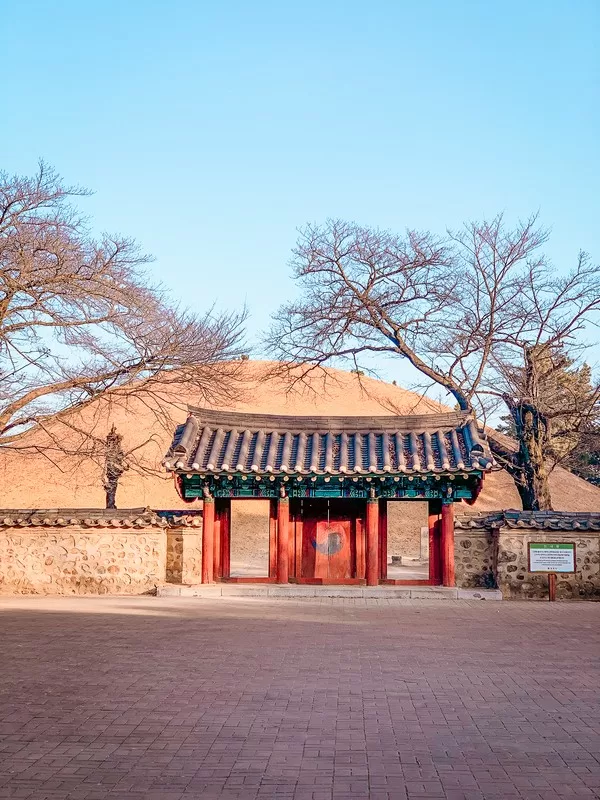
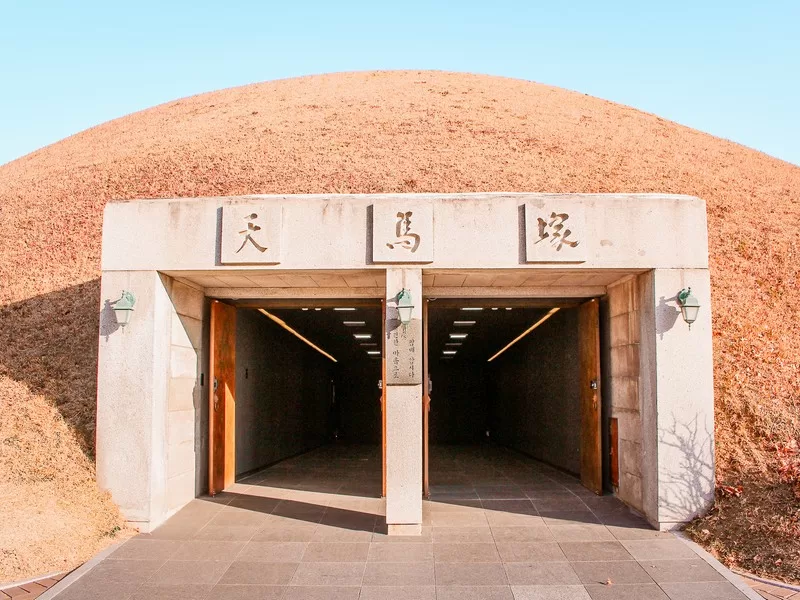
- Proximity to Historical Sites: Gyeongju’s main attractions, such as Daereungwon Tomb Complex, Cheomseongdae Observatory, and Wolji Pond, are concentrated. Staying in or near the historic center minimizes travel time.
- Atmosphere and Experience: Do you seek the traditional charm of a Hanok, the resort amenities of Bomun Lake, or the tranquility near Bulguksa?
- Budget: Gyeongju offers a range of options from budget-friendly guesthouses to luxury resorts.
- Transportation: While many central sites are walkable, consider how you’ll reach attractions further afield. Taxis and local buses are readily available.
- Time of Year: Peak seasons like spring (cherry blossoms) and autumn (foliage) see high demand, necessitating early booking.
Quick Picks: Best Places To Stay In Gyeongju
| Hotel | Budget | Why |
|---|---|---|
| Hwangnamgwan Hanok Hotel | Mid-range | Largest Hanok in Old Town, Hanbok rental, atmosphere |
| Gyeongju Hotel Gonggan | Mid-range | Character and community, free bikes |
| Hilton Gyeongju | Luxury | Resort amenities, lake setting |
| Commodore Hotel Gyeongju | Mid-range | Good value in the Bomun area |
Understanding The Best Areas To Stay In Gyeongju
Gyeongju’s relatively compact size allows for exploration from a single base, yet each neighborhood offers a distinct ambiance and practical advantages. Understanding these nuances is crucial for crafting an optimal travel itinerary.
The Historic Center (Gyochon Village and Daereungwon Area)
Best for: First-time visitors, culture and history enthusiasts, photographers
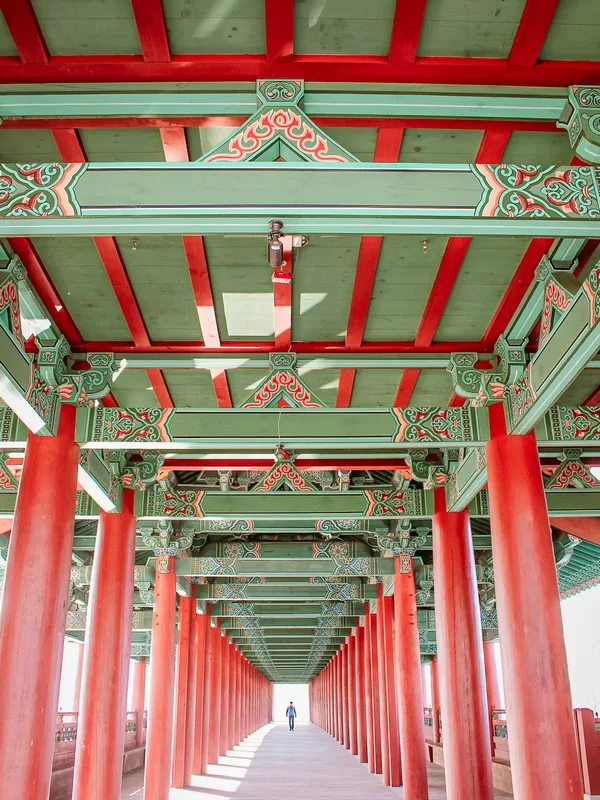
This area is arguably the most advantageous base for those venturing to Gyeongju for the first time, and remains a preferred choice for seasoned visitors. The proximity to the Daereungwon Tomb Complex, Cheomseongdae Observatory, and Wolji Pond (Anapji) is unparalleled, placing these iconic landmarks within easy walking distance. The true enchantment of this district materializes in the evening, as the ancient stone bridge and observatory are illuminated, casting a quiet, spectacular glow across the landscape. This makes it an ideal location for families with children, allowing for manageable excursions to witness the nighttime illumination and subsequent return to accommodation.

Furthermore, Gyochon Village, Gyeongju’s traditional Hanok neighborhood, is nestled within this vicinity. This immersion in traditional architecture, coupled with the presence of charming local cafes and leisurely streets, enhances the overall experience even when not actively engaged in sightseeing. It is important to note that the Old Town of Gyeongju features fewer large-scale hotel chains compared to other major South Korean cities, meaning that desirable accommodations can be in high demand and book up quickly. Early reservations are strongly advised.
The Bomun Tourist Complex (4km East of Center)
Best for: Luxury travelers, those seeking a balance of history and recreation, families
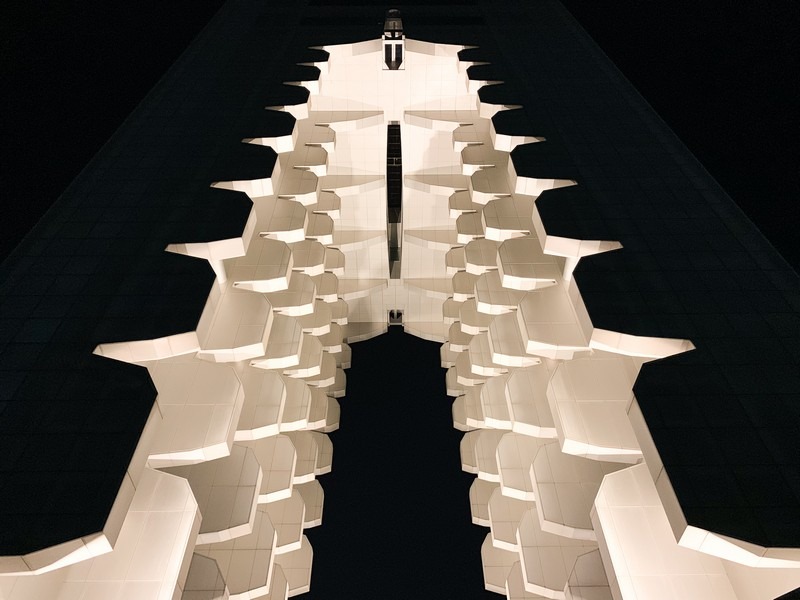
The Bomun area is distinguished by its concentration of large resort hotels, artfully situated around a picturesque lake and framed by scenic mountain vistas. Designed with leisure in mind, this complex offers a comprehensive array of amenities, including restaurants, spas, and extensive walking paths. For families, or travelers who appreciate the convenience of having all recreational facilities readily accessible, Bomun presents a compelling option.
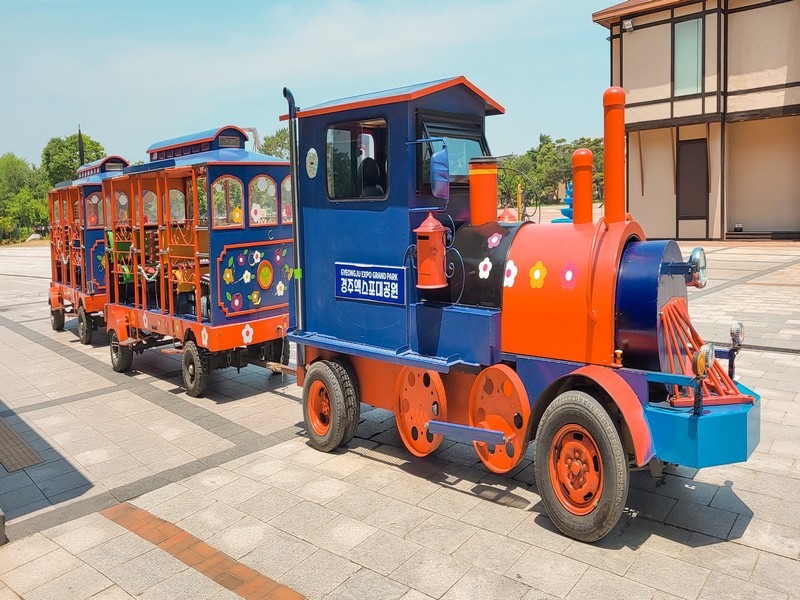
Despite its resort-like atmosphere, Bomun is not isolated. A brief taxi or bus ride of approximately ten minutes connects it to the historic center, ensuring that visitors remain well-integrated with the city’s primary attractions. The presence of Gyeongju World amusement park and Gyeongju EXPO Park in this vicinity further enhances its appeal for families seeking entertainment options.
Near Bulguksa Temple
Best for: Slow travelers, temple aficionados, mountain adventurers
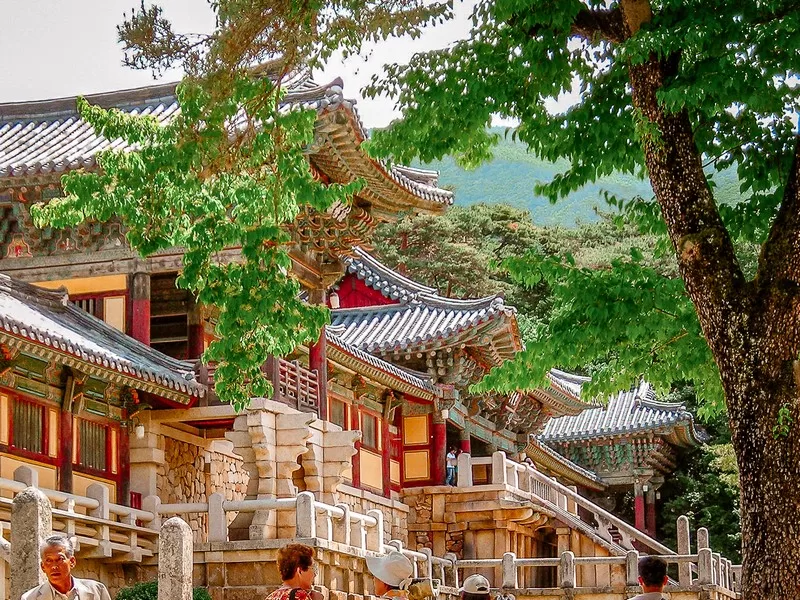
This area caters specifically to travelers whose primary focus is the iconic Bulguksa Temple and the nearby Seokguram Grotto. Lodging here significantly reduces travel time to these significant religious and historical sites, offering a more tranquil and forested environment. However, it is crucial to recognize that accessing the central historic sites from this location necessitates private transportation or regular taxi use, making it most suitable for those with flexible itineraries or their own vehicles. This option is best recommended for individuals whose visit is predominantly centered around the spiritual and architectural significance of Bulguksa Temple.
Historic Center Stays: Old Town and Gyochon Village
Residing within the historic center of Gyeongju offers a compelling and often indispensable experience for visitors. The convenience of walking to the most significant historical sites, the inherent charm of the neighborhoods, and the captivating evening ambiance created by the illuminated ruins collectively make this area a prime choice, eliminating the need for commutes from more distant resorts.
Traditional Stay: Hwangnamgwan Hanok Hotel
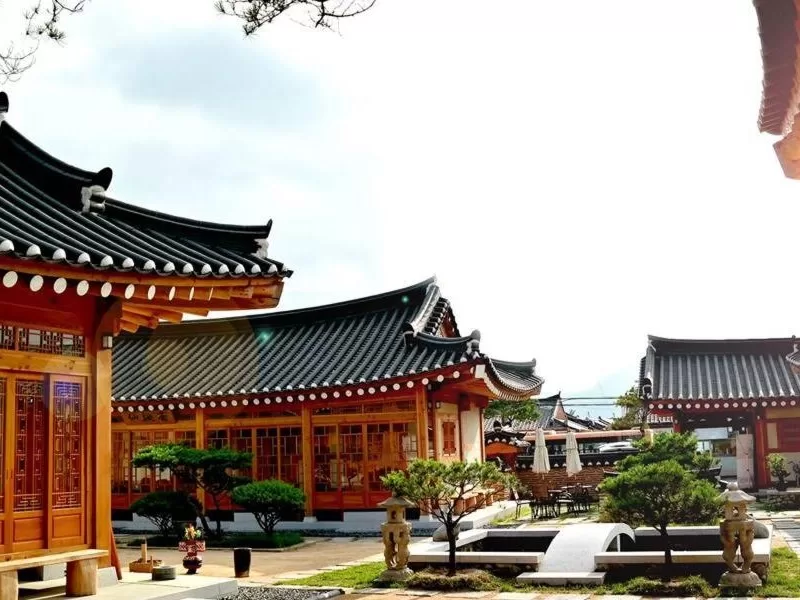
Positioned at the terminus of Hwangnidan-gil, Gyeongju’s most atmospheric thoroughfare, Hwangnamgwan Hanok Hotel stands as the largest Hanok property in the Old Town. Its popularity is a testament to its immersive appeal. A tranquil koi pond graces the center of the complex, and the courtyard is beautifully illuminated at night, enveloping guests in traditional architecture on a grand scale.
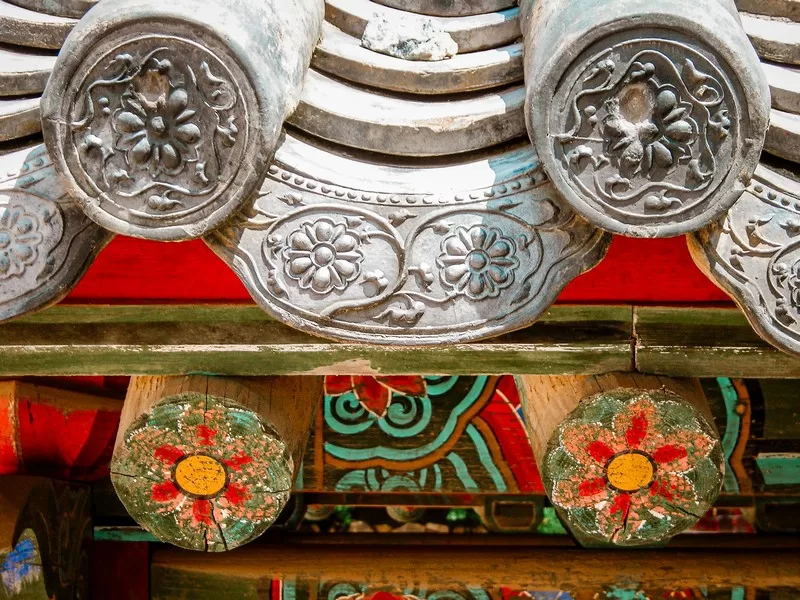
A particularly noteworthy amenity at Hwangnamgwan is the complimentary Hanbok (traditional Korean attire) rental service, available to both adults and children. This adds a unique layer to the stay, allowing guests to experience the cultural heritage firsthand. The hotel is praised for its warm, personal service and delicious cuisine, making it a highly recommended option for an authentic Gyeongju experience.
- Price Range: Mid-range
- Book: Agoda.com
Traditional Stay: Siwoowadang
Siwoowadang has garnered a strong reputation for its meticulous attention to detail. The hotel boasts exquisite architecture, serene gardens, and a prime location within Gyeongju’s city center, offering effortless access to the tomb complex, Cheomseongdae Observatory, and Wolji Pond.
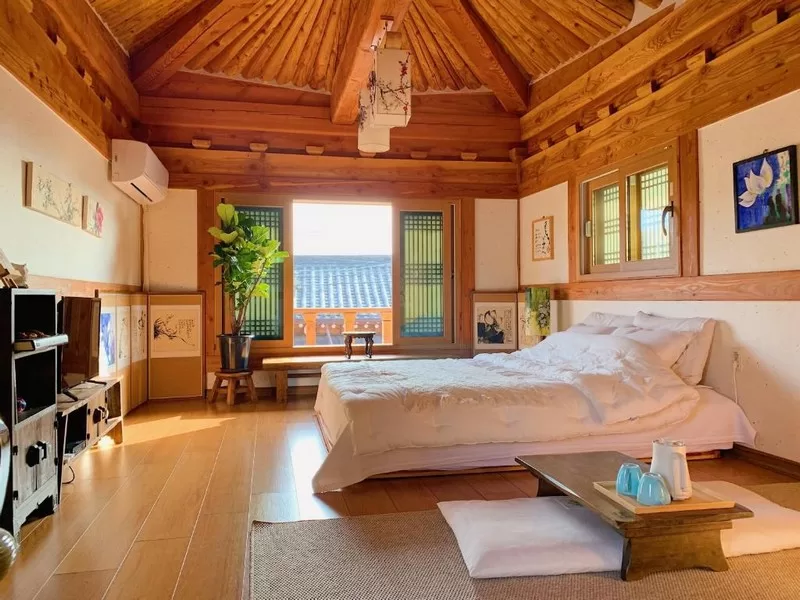
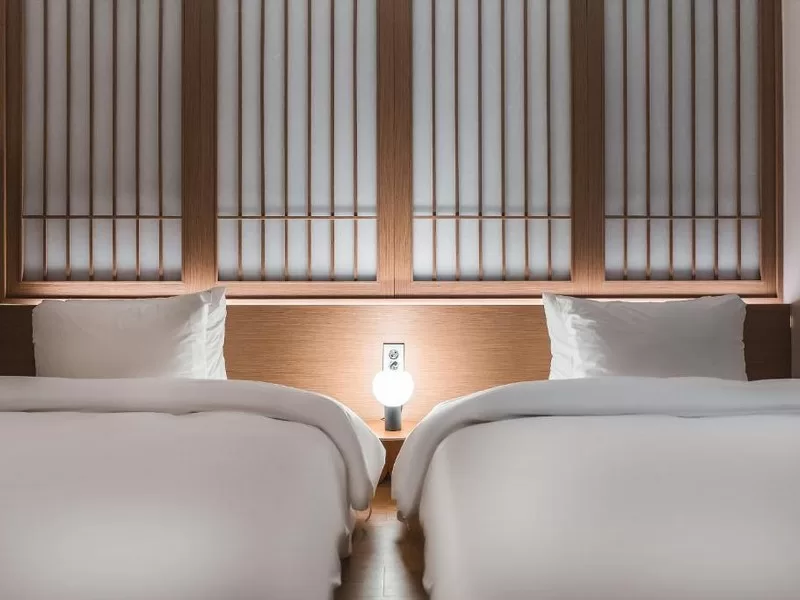
What distinguishes Siwoowadang from other Hanok properties is the exceptional quality of its rooms. While maintaining its traditional Hanok aesthetic, guests can expect the comfort of Western-style mattresses, a crucial consideration for many first-time international visitors to Korea.
- Price Range: Mid-range
- Book: On Booking.com or on Agoda.com
While these are prominent examples, the Old Town of Gyeongju offers a plethora of other Hanok accommodations. Exploring these options is highly recommended, as the area itself provides a uniquely charming environment for an extended stay.
Mid-Range Stay: Gyeongju Hotel Gonggan
Gyeongju Hotel Gonggan is a property that consistently exceeds expectations through its subtle yet significant offerings. Situated approximately 2 kilometers from Cheomseongdae and 1.7 kilometers from Gyeongju Station, it maintains a convenient proximity to the historic center without being directly within the Hanok Village.
The distinct personality of Gonggan is a major draw. The first-floor lobby serves as a welcoming communal space, fostering a sense of community among guests. A significant advantage for visitors to Gyeongju, a city exceptionally well-suited for cycling, is the provision of complimentary bicycles for guest use.
- Price Range: Mid-range
- Book: on Booking.com or on Agoda.com
Bomun Lake Resort Area Stays
The Bomun Tourist Complex, located about 4 kilometers east of the historic center, functions as a distinct leisure hub. It encompasses a scenic lake, mountain backdrops, golf courses, and an extensive network of walking paths, all contributing to a vacation-like atmosphere. The accessibility to the historic center via a short taxi or bus ride (approximately ten minutes) means that choosing Bomun does not represent a significant compromise in terms of accessing cultural heritage sites.
Luxury Stay: Hilton Gyeongju
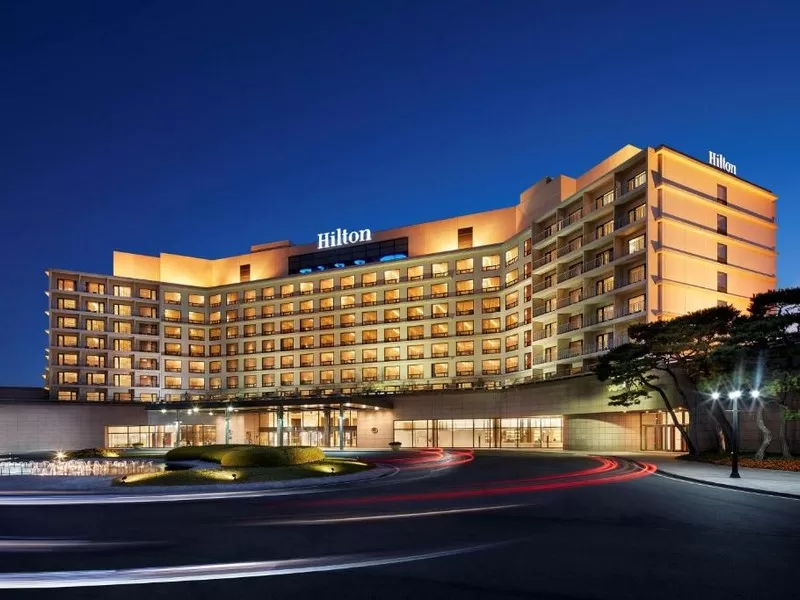
For travelers seeking a truly exceptional lodging experience in Gyeongju, the Hilton consistently delivers. Strategically positioned on the shores of Bomun Lake, with the mountains providing a dramatic backdrop, the hotel offers unparalleled lake views from its upper floors. The establishment boasts multiple dining venues, an expansive swimming pool, and highly attentive service, elevating a stay here into a memorable occasion. It is an ideal choice for those celebrating a special event or simply desiring the full spectrum of luxury hospitality.
- Price Range: Luxury
- Book: Booking.com or Agoda.com
Mid-Range Stay: Commodore Hotel Gyeongju
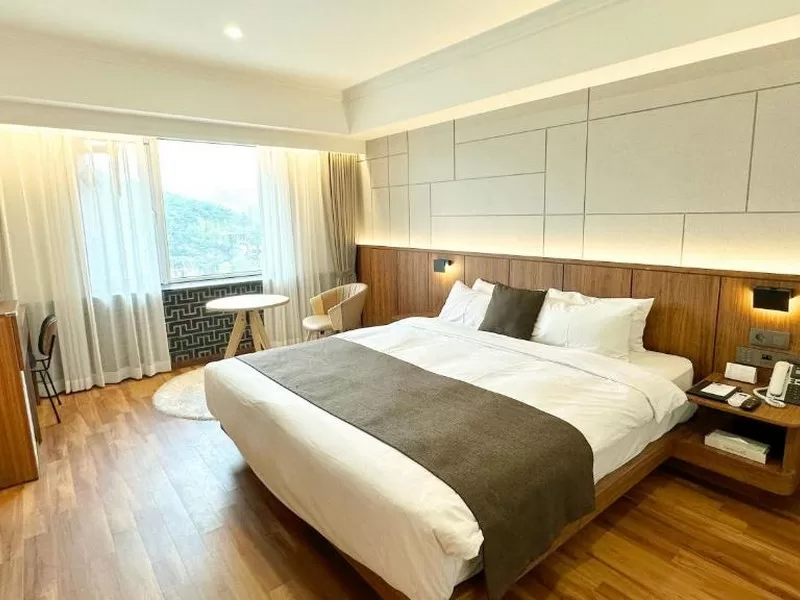
The Commodore Hotel represents a judicious mid-range selection within the Bomun area. It provides comfortable accommodations, a strategic location within the resort complex, and reasonable pricing for the amenities offered. Guests can enjoy access to an outdoor pool and pleasant surroundings without incurring the premium cost associated with more luxurious options like the Hilton. The hotel is recognized for its clean rooms, helpful staff, and its capacity to maximize the advantages of the Bomun setting. It is a strong contender for those wishing to stay near the lake and benefit from resort facilities without exceeding their budget.
- Price Range: Mid-range
- Book: Booking.com or Agoda
Near Bulguksa Temple Stays
Lodging in the vicinity of Bulguksa Temple is best suited for a specific demographic of traveler. This includes those who wish to experience the temple’s serene atmosphere before the arrival of tour groups, spend time exploring the forested slopes of Tohamsan mountain, and retreat to a peaceful environment in the evenings. The primary consideration for this area is its distance from the historic center; therefore, budget for taxi fares or confirm local bus routes in advance.
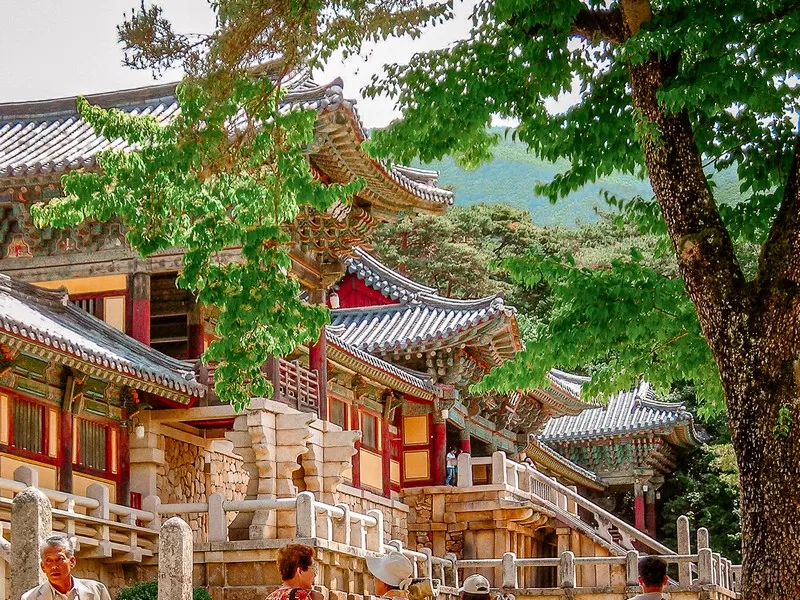
It is noteworthy that Bulguksa Temple, originally constructed in 528 AD, features stone staircases, Cheongungyo and Baegungyo, which are among Korea’s oldest preserved stone structures. Experiencing these architectural marvels in the quietude of early morning before the crowds descend offers a profoundly different perspective.
Temple Stay Programs
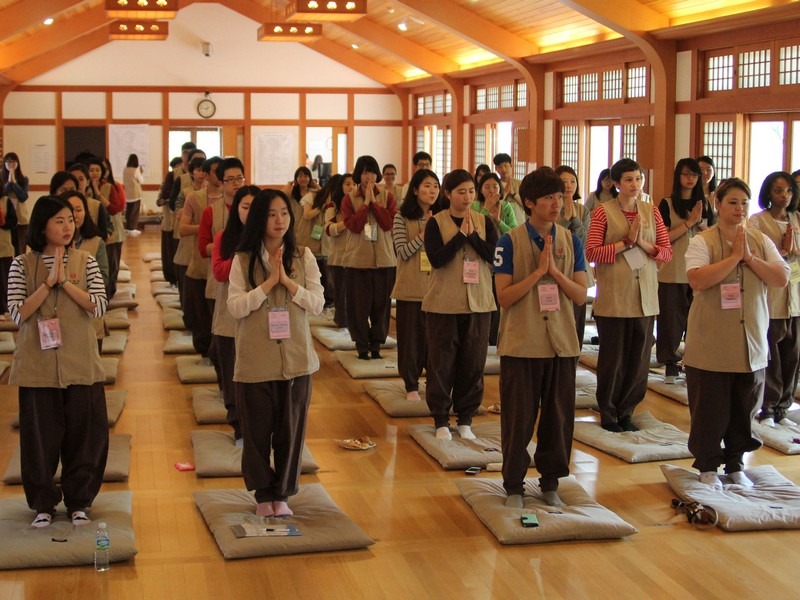
For a truly immersive experience, Gyeongju offers temple stay programs at two significant locations: Bulguksa Temple and Golgulsa Temple. These programs are structured engagements with monastic life, incorporating early morning meditation sessions and communal meals. Such experiences are highly rewarding, whether undertaken in Gyeongju or at any temple across South Korea. Interested individuals can consult the official Templestay website for program details and registration.
Kolon Hotel Gyeongju
The Kolon Hotel provides a tranquil accommodation option near Bulguksa Temple, complete with an outdoor swimming pool, a golf course, and picturesque forested surroundings. This well-managed establishment offers comfortable amenities and a peaceful ambiance, making early morning visits to the temple feel entirely natural. It is an excellent choice for those who desire modern conveniences within a nature-oriented setting.
- Price Range: Mid-range
- Book: on Booking.com or on Agoda.com
How Long To Stay In Gyeongju
Gyeongju’s historical depth and serene beauty are best appreciated through unhurried exploration, making it a destination that rewards longer stays. The following framework offers guidance on allocating time for an optimal visit:
- 1 Night: Sufficient for a glimpse of the highlights, including Daereungwon, Cheomseongdae, and Wolji Pond at dusk. This duration allows for an initial appreciation of the city’s allure but may leave visitors longing for more.
- 2 Nights (Ideal): This timeframe allows for a thorough exploration of the Old Town, complemented by a half-day excursion to Bulguksa and Seokguram. This is generally considered the sweet spot for most travel itineraries, offering a balanced experience.
- 3 Nights: This extended duration permits the inclusion of Bomun Lake, a leisurely bike ride through the countryside, a visit to Yangdong Folk Village, or hiking in Tohamsan mountain, providing a more comprehensive immersion into Gyeongju’s diverse offerings.
Practical Tips For Booking In Gyeongju
- Book Early for Peak Seasons: Gyeongju experiences its highest visitor numbers during the cherry blossom season (late March to mid-April) and the autumn foliage period (mid to late October). Accommodation, particularly sought-after Hanoks and resort rooms, often sells out weeks in advance during these times.
- Verify Bed Type in Hanoks: Traditional Korean sleeping arrangements involve floor mats (yo) on heated ondol floors. While many modern Hanoks now offer Western-style beds, it is advisable to confirm the sleeping arrangements if this is a preference.
- Consider Location Relative to Your Itinerary: If Bulguksa Temple is a primary focus, staying in the historic center will necessitate approximately a 30-minute taxi ride each way. This factor should be weighed when planning a two- or three-day itinerary.
- Taxis are Affordable and Reliable: Transportation between different areas of Gyeongju is both convenient and economical. The cost and ease of taxi services should not deter potential visitors from selecting accommodation based on their preferred ambiance or proximity to specific attractions.
- English Proficiency in Hospitality: Major hotels typically provide English-speaking staff. However, smaller Hanoks and guesthouses may have more limited English communication capabilities. Utilizing a translation application, such as the locally popular Papago, can effectively bridge communication gaps in most situations.
Is Gyeongju better as a day trip or an overnight stay?
An overnight stay is unequivocally recommended for Gyeongju. The unique evening atmosphere, particularly when Wolji Pond and the historical ruins are illuminated and the daytime crowds have dispersed, represents one of Gyeongju’s most significant draws. This experience is entirely missed on a day trip, although undertaking a day trip is still a valuable option if time constraints are unavoidable.
Where is the best area for first-time visitors?
The historic center, in close proximity to Daereungwon and Cheomseongdae, is the optimal area for first-time visitors. This location offers walking access to most key historical sites, and the neighborhood’s atmosphere, especially during the evenings, is exceptionally captivating.
Are Hanok stays comfortable for international visitors?
Hanok stays can be comfortable for international visitors. Traditional accommodations typically involve floor sleeping arrangements. As long as guests are comfortable with rising and descending from the floor, they should find them suitable. For those who prefer Western beds, many Hanoks now offer this option, which is also popular among international tourists in Korea.
Where should families stay in Gyeongju?
The ideal location for families depends on the balance between historical exploration and recreational activities. The Old Town is recommended for its walkability to major historical sites, facilitating easier returns for nap times. Alternatively, the Bomun Lake area provides a more resort-like experience, with amusement park options and enhanced recreational facilities, catering well to family entertainment.
How far is Bulguksa from the city center?
Bulguksa Temple is situated approximately 8 kilometers southeast of the historic center. This distance translates to roughly a 30-minute journey by local bus or a 15-minute trip by taxi, making it a manageable excursion from any of the three primary accommodation areas.
Is Gyeongju easy to navigate without speaking Korean?
Yes, Gyeongju is generally easy to navigate for individuals who do not speak Korean. Major hotels employ English-speaking staff, tourist areas feature bilingual signage, and utilizing map applications for taxi services is straightforward. Taxi drivers are usually familiar with common tourist destinations. A translation app can be beneficial for communication in smaller restaurants and guesthouses.
What’s the best season to visit Gyeongju?
Spring, specifically from late March to mid-April, is ideal for experiencing the cherry blossoms. Autumn, particularly October, offers beautiful foliage and pleasant, cooler temperatures. Both seasons are aesthetically rewarding, but booking accommodation well in advance is crucial.
Gyeongju possesses an inherent ability to create unforgettable memories, its historical significance woven into every royal tomb and ancient stone carving. However, the choice of accommodation plays a pivotal role in shaping the visitor’s experience. Selecting the right lodging can differentiate between a hurried tour of attractions and a genuine engagement with the city’s soul. For a first visit, basing oneself in the historic center is highly recommended, allowing the enchanting evenings to captivate and inspire a return journey.
