
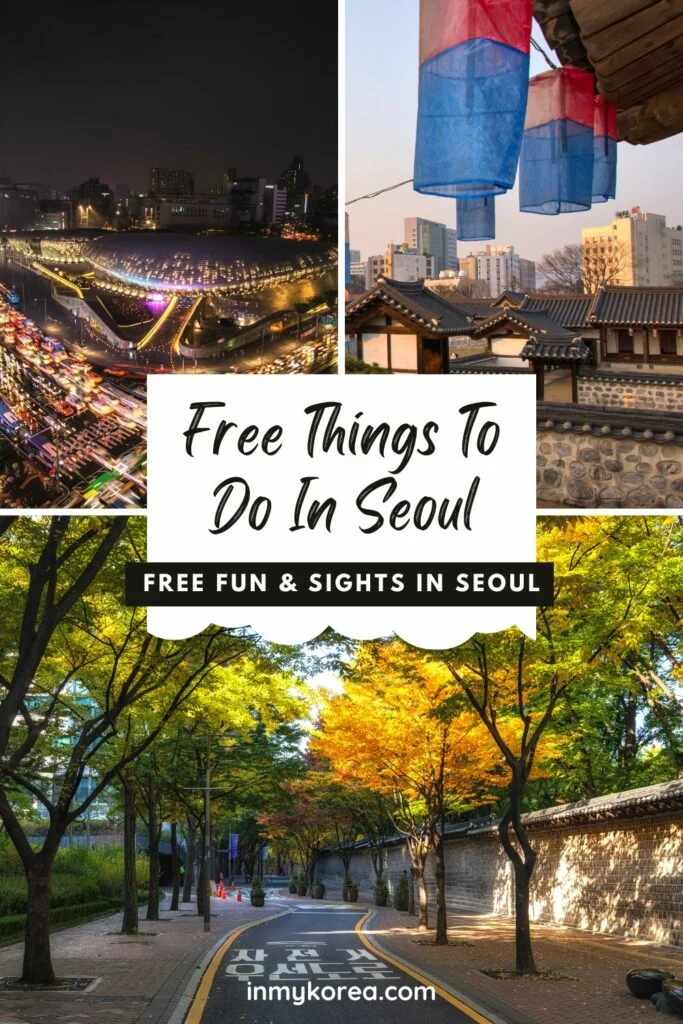
Seoul, the sprawling and dynamic capital of South Korea, frequently ranks among the world’s most technologically advanced and culturally vibrant metropolises. For international travelers and domestic tourists alike, navigating this high-cost global hub does not inherently require a substantial financial commitment. Beneath the gleaming facade of its modern commercial districts and towering skyscrapers lies an extensive network of historical landmarks, natural sanctuaries, architectural wonders, and cultural institutions accessible entirely free of charge. Strategic urban planning and municipal initiatives have preserved centuries-old heritage sites alongside contemporary public spaces, offering an egalitarian approach to tourism that accommodates visitors across all economic brackets.
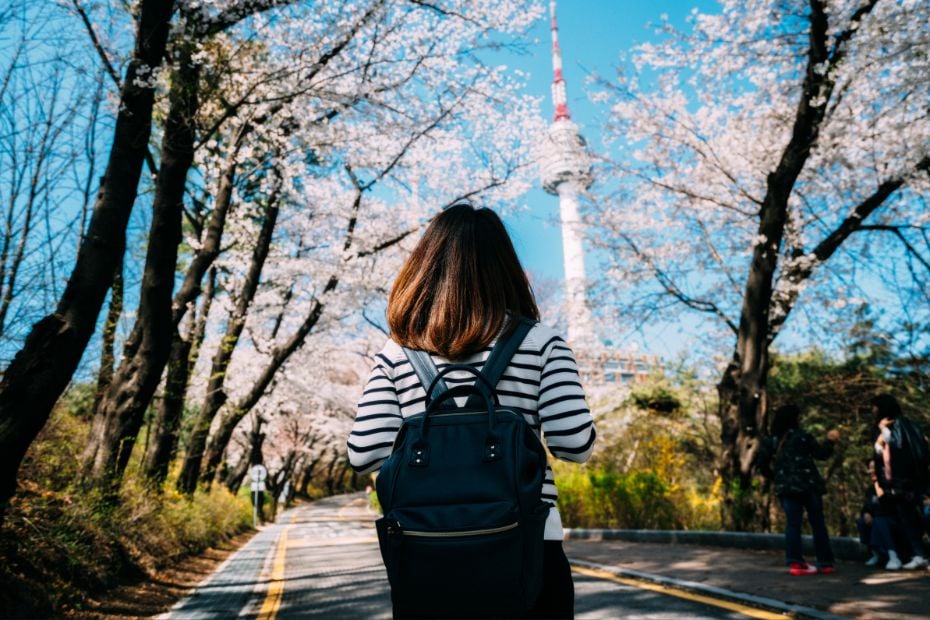
Maximizing Zero-Cost Itineraries Through Structured Navigation
Navigating a mega-city of Seoul’s scale efficiently demands logistical foresight, particularly for budget-conscious travelers aiming to maximize their daily itineraries. To assist visitors in orchestrating seamless explorations without incurring transit or booking fees, municipal authorities and transport networks provide targeted entry points.
For international passengers arriving via Incheon International Airport with a layover of less than 24 hours, the airport’s complimentary transit tour program serves as an optimal introduction to the capital. These guided excursions, led by multilingual volunteers, transport travelers directly into central Seoul to experience premier sights such as Gyeongbokgung Palace and historical neighborhoods. Designed to bridge language and mobility barriers, these structured 3-to-4-hour programs eliminate the logistical friction typically associated with short-term transit visits, though travelers must meet specific visa or K-ETA entry criteria.

For visitors with extended stays in the capital, self-guided or volunteer-led free walking tours provide a deeper immersion into the city’s narrative tapestry. Organized through official municipal tourism platforms, these walking routes guide participants through foundational sites such as Bukchon Hanok Village and the ancient city walls. While these walking tours require no registration fees, participants are generally advised to account for occasional incidental costs, such as optional venue entry tickets or personal refreshments.
Historical Preservation and Architectural Marvels
Seoul’s architectural landscape represents a striking juxtaposition between the dynastic legacies of the Joseon era and twenty-first-century structural engineering. Several of the capital’s most culturally significant monuments offer complimentary access under specific conditions, encouraging public engagement with national heritage.
Bukchon Hanok Village
Situated geographically between two major royal palaces, Bukchon Hanok Village functions as an open-air architectural museum. Encompassing more than 900 preserved traditional Korean residences known as hanoks, the neighborhood dates back approximately 600 years. Visitors can autonomously navigate the narrow, tiled-alley streetscapes without admission fees, observing how residential preservation coexists with contemporary urban life. The neighborhood features localized artisan workshops, small-scale exhibition spaces, and vantage points overlooking the transition from historic rooftops to modern downtown skylines.
The Royal Palace Complex
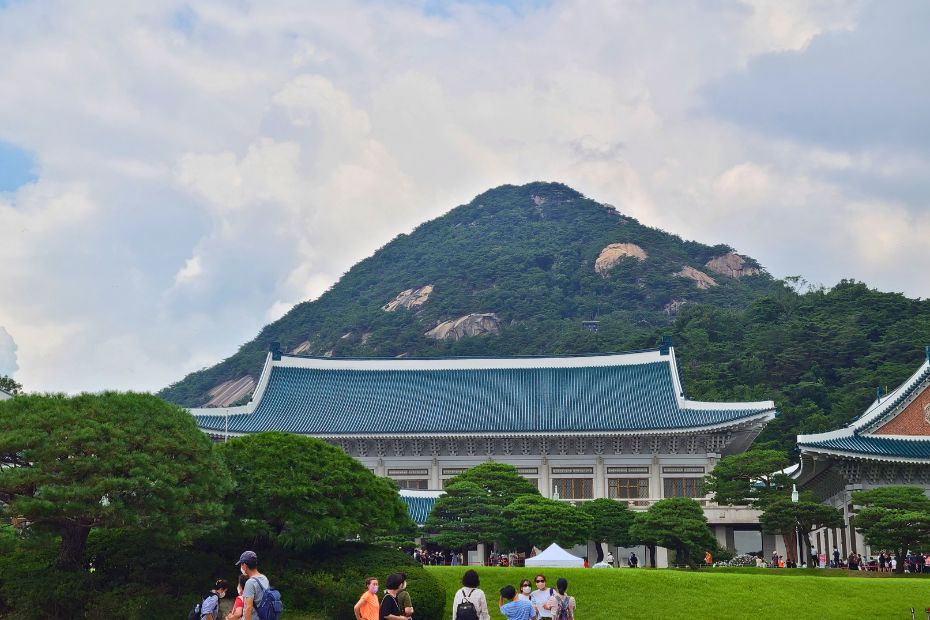
Seoul’s principal royal compounds—including Gyeongbokgung, Changdeokgung, Changgyeonggung, and Deoksugung—typically charge nominal admission fees. However, a prominent municipal initiative permits free general admission for any visitor wearing traditional Korean attire, known as hanok. This policy incentivizes cultural participation and photographic documentation within the palace grounds. Additionally, general public entry to these historical complexes is waived on national cultural holidays, such as Seollal (Lunar New Year) and Chuseok (Korean Thanksgiving), as well as on the last Wednesday of each month, designated nationally as Culture Day.
Ancient Fortress Walls
Stretching over 18 kilometers across Seoul’s central mountains and urban districts, the remnants of the ancient Seoul City Wall offer free access to hikers and history enthusiasts alike. Constructed in 1396 to defend the capital from foreign incursions, these stone battlements are flanked by maintained hiking trails, historic gatehouses—such as Dongdaemun and Namdaemun—and watchtowers. The Seoul City Wall Museum, situated near the fortifications, further complements the experience by providing complimentary indoor exhibits and observation decks overlooking central historical zones.
Urban Regeneration and Public Green Spaces
In recent decades, municipal authorities in Seoul have prioritized large-scale urban renewal projects, transforming industrial relics and concrete infrastructure into accessible ecological corridors and recreational zones.
Cheonggyecheon Stream
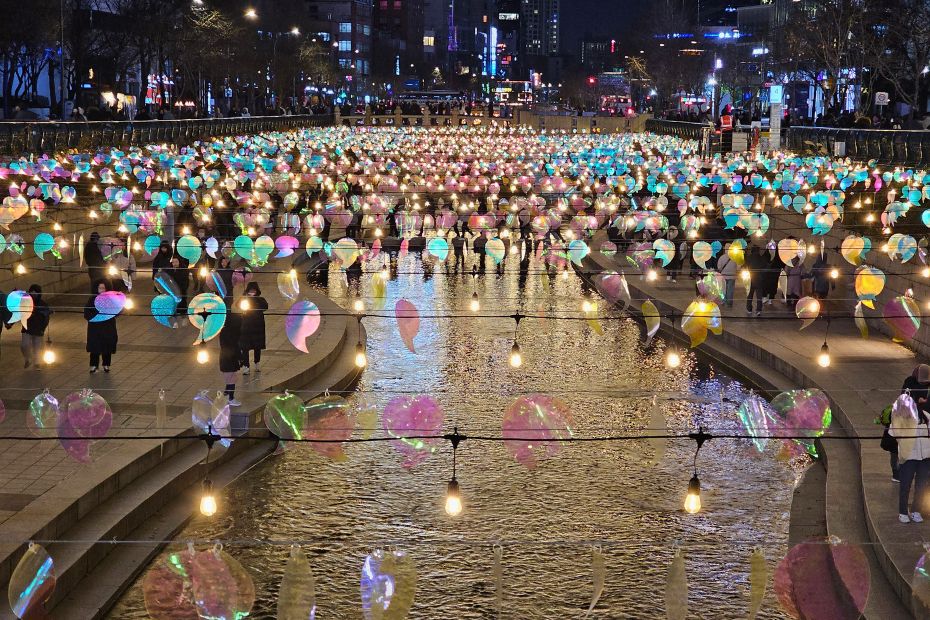
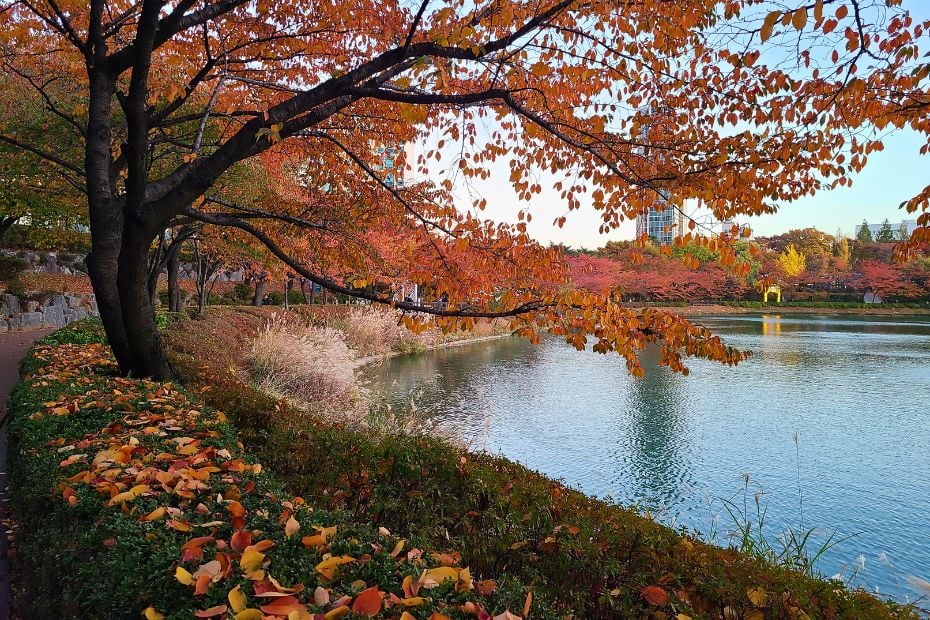
Running through the commercial core of downtown Seoul, the Cheonggyecheon Stream is a prominent example of successful urban daylighting and ecological restoration. Originally paved over by an elevated highway in the mid-twentieth century, the waterway was restored in 2005 as a 10.9-kilometer public recreation space. The stream sits below street level, providing a pedestrian-only refuge characterized by stone bridges, public art displays, and cascading waterfalls. The area frequently hosts seasonal events, including the Seoul Lantern Festival and summer night markets.
Dongdaemun Design Plaza (DDP)
Designed by the late architect Zaha Hadid, the Dongdaemun Design Plaza is a landmark of neo-futuristic architecture characterized by its sweeping, fluid aluminum-paneled facade. While ticketed exhibitions occupy the interior galleries, the surrounding exterior plazas, multi-level lawns, rooftop parks, and cascading public walkways remain open to the public twenty-four hours a day, completely free of charge. The plaza functions as a central hub for fashion events, design expositions, and large-scale digital light projections.
Hangang River Parks and Linear Walkways
The Han River (Hangang) is bordered by an extensive network of interconnected waterfront parks offering unobstructed views of the metropolitan skyline. Accessible 24 hours a day, these green spaces feature dedicated cycling paths, sports facilities, and extensive turf areas. Complementing the riverfront are innovative pedestrian conversions such as Seollo 7017—a former highway overpass transformed into an elevated botanical walkway connecting Seoul Station to Namdaemun Market—and the Gyeongui Line Forest Park, developed along a decommissioned railway corridor.
Cultural Institutions and State-Run Museums
Seoul houses several world-class cultural repositories that maintain permanent collections accessible to the general public without admission charges, aligning with national educational mandates.

National Museum of Korea
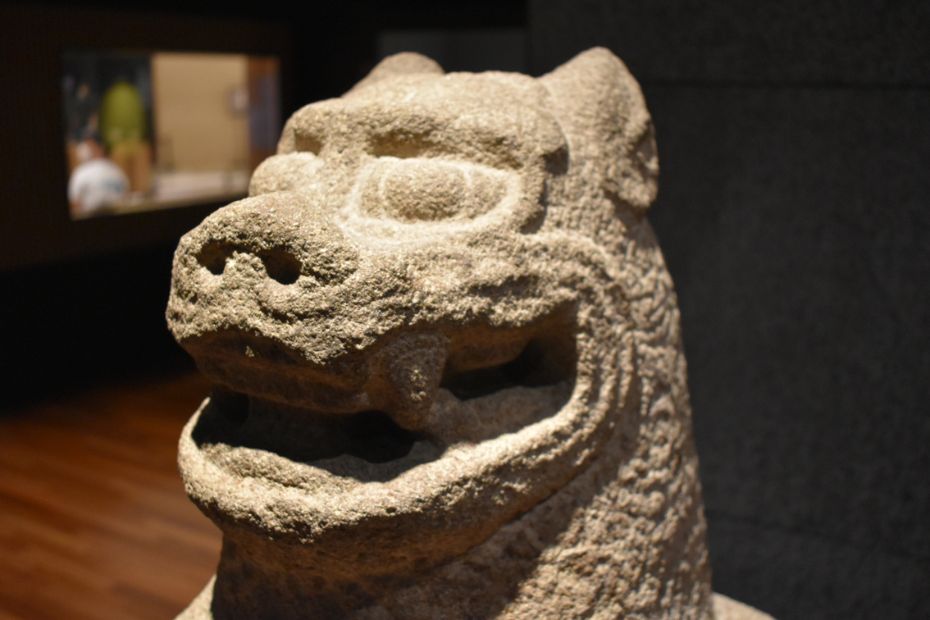
As the flagship institution of Korean history and art, the National Museum of Korea in Yongsan District houses a vast collection exceeding 150,000 artifacts. Permanent exhibitions spanning paleolithic tools, Silla-era gold crowns, Goryeo celadon ceramics, and Joseon-era paintings are available for public viewing without an entry fee. The museum campus also features spacious indoor atriums, outdoor reflection ponds, and dedicated educational zones.
National Folk Museum of Korea
Located within the outer precincts of Gyeongbokgung Palace, the National Folk Museum of Korea explores the daily lives, agricultural traditions, religious practices, and social structures of the Korean people across generations. The museum utilizes life-sized replicas of historic streetscapes, traditional rural homes, and interactive displays to contextualize the cultural evolution of Korean society.

War Memorial of Korea
Spanning a comprehensive indoor and outdoor campus in Yongsan, the War Memorial of Korea serves as a national repository documenting the military history of the Korean Peninsula. While focusing heavily on the Korean War, the museum exhibits extensive chronological records from ancient conflicts to modern peacekeeping missions. The outdoor exhibition park features decommissioned military hardware, including artillery, tanks, and transport aircraft, open for public inspection.
Strategic Economic Management for Travelers
Optimizing a budget-friendly itinerary in Seoul involves leveraging local commercial infrastructure and municipal cost-saving mechanisms.
- Public Transit Integration: Securing a rechargeable transportation card, such as a T-Money card, upon arrival at Incheon Airport or at local convenience stores ensures access to discounted fares across the city’s integrated subway and bus networks.
- Culinary Economy: Traditional municipal markets—such as Gwangjang Market and Namdaemun Market—offer an extensive array of regional specialties and street foods at fraction-of-restaurant costs, combining culinary exploration with economical dining.
- Alternative Cultural Access: Visitors seeking traditional experiences without purchasing commercial rentals can utilize complimentary hanbok trial stations operated by municipal tourism organizations in districts such as Myeongdong.
- Comprehensive City Passes: For travelers combining free itineraries with select paid attractions, multi-day municipal passes such as the Discover Seoul Pass or Go City Seoul Pass can consolidate entry expenditures and reduce cumulative sightseeing costs.
Through careful geographical planning and utilization of municipal resources, travelers can engage deeply with Seoul’s multifaceted identity, proving that comprehensive cultural immersion does not require a prohibitive financial investment.
