


North Korea has adjusted its stringent international border policies by lifting entry restrictions for tourists who have recently traveled to India and Bangladesh, signaling a measured recalibration of its public health safeguards. According to updates provided by tour operators specializing in the Democratic People’s Republic of Korea (DPRK), Pyongyang has removed these two South Asian nations from its prohibited travel list. The shift comes as state authorities attempt to balance global infectious disease vigilance with a gradual, highly controlled resumption of international tourism and limited economic engagement.
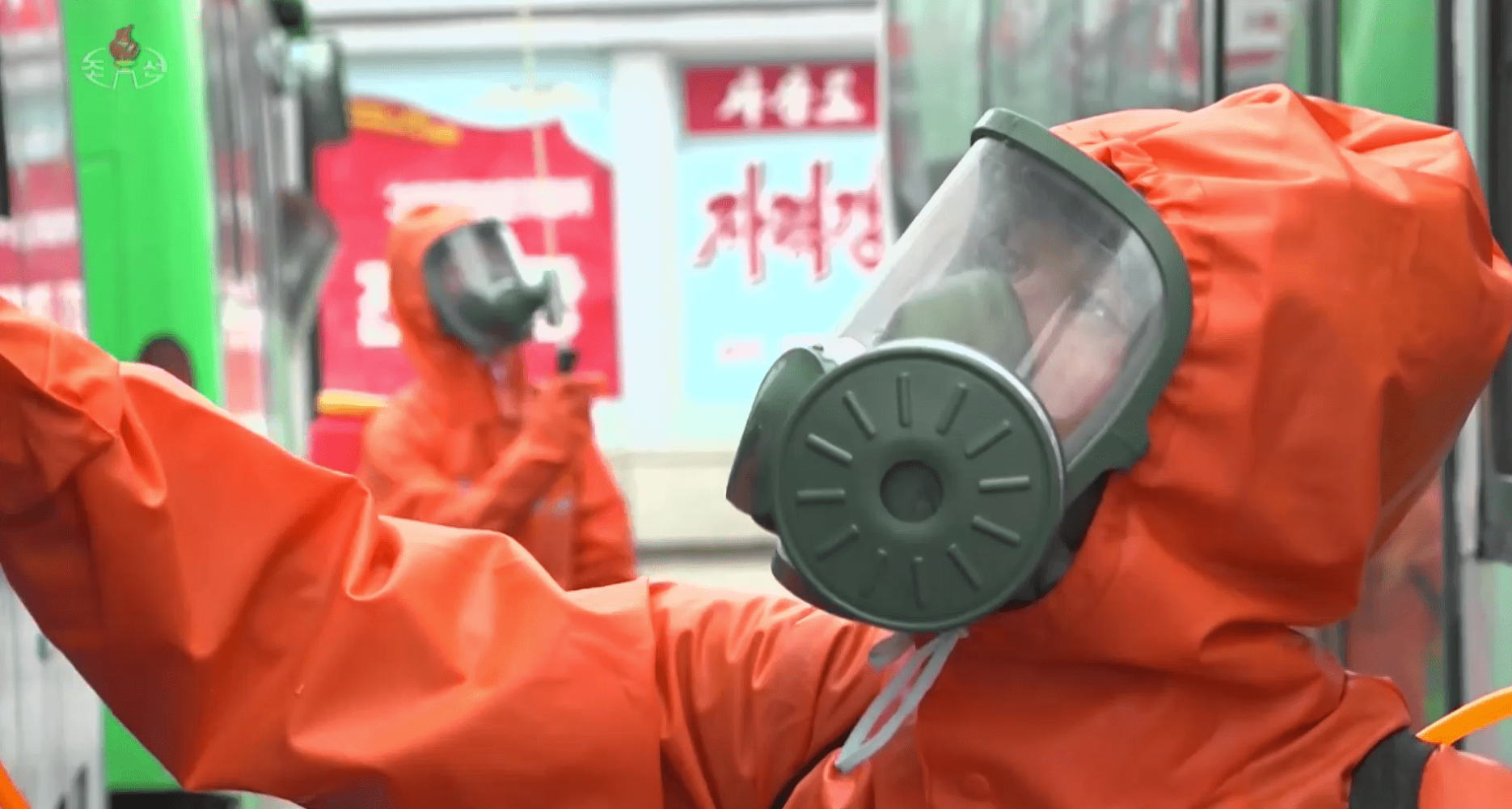
However, the relaxation remains strictly localized. Pyongyang continues to enforce sweeping entry bans on travelers who have visited nearly a dozen African nations, maintaining a rigid defense perimeter against specific high-consequence pathogens. The policy update highlights the country’s ongoing sensitivity to external health threats, a posture that has defined its border administration since the onset of the global pandemic in early 2020. While doors are inching open for select regions, the overarching framework of containment and rigorous quarantine protocols remains firmly in place.
Evolution of North Korea’s Post-Pandemic Border Policies
To understand North Korea’s current health-related entry controls, it is necessary to examine the evolution of its border administration over the past several years. When the global health crisis materialized in January 2020, Pyongyang was among the first governments globally to implement an absolute seal on its international borders. Air routes were suspended, train lines to China and Russia were halted, and all foreign nationals—including diplomats, humanitarian workers, and tourists—were subjected to sweeping bans or mandatory, prolonged quarantine periods.
Even as international air travel and overland trade routes began a slow, stuttering revival in 2023 and 2024, North Korea maintained a decentralized matrix of health restrictions targeted at specific diseases. Rather than reopening uniformly, the regime instituted a dynamic risk-assessment model. Under this framework, foreign visitors are evaluated not merely by their country of nationality or immediate point of departure, but by their complete travel history over preceding weeks.
The recent removal of India and Bangladesh from the restricted list demonstrates that Pyongyang’s emergency committees are periodically reviewing regional disease data. Previously, the presence of Nipah virus outbreaks and localized health alerts in parts of South Asia had triggered defensive travel bans. The recent re-evaluation suggests that state epidemiologists have deemed the public health risk from these nations to have receded to acceptable thresholds, enabling tour agencies to resume planning itineraries for travelers who have spent time in those regions.
Chronology of Recent Travel Restrictions and Ebola Protocols
The ongoing regulatory adjustments are part of a continuous loop of border management decrees issued by North Korea’s Ministry of Public Health and quarantine authorities. A chronological overview illustrates how the state monitors and responds to international disease events:
- Early 2020: North Korea closes all international borders, implementing a total ban on foreign tourists and strictly limiting cargo inflows to prevent the introduction of viral pathogens.
- Mid-2023 to Late 2024: Limited resumption of passenger rail and air service involving select nations, primarily China and Russia. Strict medical screening procedures remain mandatory at all ports of entry.
- August 2026: Pyongyang introduces a renewed wave of targeted travel restrictions, focusing explicitly on foreign tourists and business visitors who have transit or travel histories in regions experiencing outbreaks of Ebola and other hemorrhagic fevers. This decree places nearly a dozen African states under immediate entry bans.
- September to October 2026: Tour operators specializing in DPRK travel begin receiving updated advisories from local partners. India and Bangladesh are officially removed from the prohibited travel categories, while restrictions on targeted African nations are reinforced.
This timeline illustrates a dual-track strategy: while Asian neighbors and traditional trade partners are subjected to rolling evaluations based on localized containment successes, African nations associated with recurring Ebola virus disease (EVD) vectors face sustained, long-term exclusion.
Perspectives from Specialized Tour Operators and Observers
The operational realities of North Korea’s travel policies are largely communicated through specialized foreign intermediaries. Agencies such as Sweden-based Korea Konsult and other China-based DPRK tour operators serve as the primary conduits of information for prospective travelers and international media.
Speaking to industry reporters, representatives from Korea Konsult confirmed that the recent administrative adjustment provides much-needed clarity for international travelers who frequently visit South Asia before attempting to join group tours into Pyongyang. Under previous guidelines, a tourist who spent time in India or Bangladesh for business or leisure would be summarily disqualified from obtaining a North Korean visa, regardless of their current health status or vaccination records.
However, travel industry analysts caution that the easing of rules for South Asia should not be misinterpreted as a return to pre-2020 open tourism. Independent travel to North Korea remains impossible; visitors must travel in tightly monitored groups accompanied by state-assigned guides. Furthermore, every prospective traveler must submit comprehensive, multi-week travel histories, medical declarations, and undergo rigorous pre-screening processes long before arriving at a designated gateway city such as Beijing or Vladivostok.
Fact-Based Analysis of Economic and Diplomatic Implications
The selective easing of entry controls carries several important implications for North Korea’s broader diplomatic and economic trajectory:
- Incremental Economic Revival: Tourism represents a vital, albeit minor, source of hard currency for the North Korean state. By gradually smoothing out entry requirements for non-restricted regions, Pyongyang signals its intent to slowly revitalize its hospitality infrastructure without exposing the domestic population to perceived biological vulnerabilities.
- Strict Bio-Security as Statecraft: The maintenance of permanent bans against African nations dealing with Ebola and other severe infectious diseases underscores how public health policy in North Korea is inextricably linked with national security narratives. Protecting the domestic populace from external contamination is framed by state media as a paramount duty of the ruling authorities, reinforcing internal solidarity and state control.
- Controlled Global Engagement: The nuanced adjustments show that Pyongyang is capable of making administrative adjustments based on international health data, moving away from blanket bans toward targeted risk management. This administrative sophistication allows the regime to selectively engage with specific international markets while keeping its protective shields intact against perceived threats from other global regions.
As North Korea continues to refine its border management protocols, foreign travelers and tour operators must remain vigilant regarding shifting requirements. While the removal of India and Bangladesh offers a positive sign for regional travel flexibility, the enduring restrictions on African states demonstrate that Pyongyang’s cautious, health-conscious approach to international borders will remain a defining feature of its foreign policy for the foreseeable future.
