

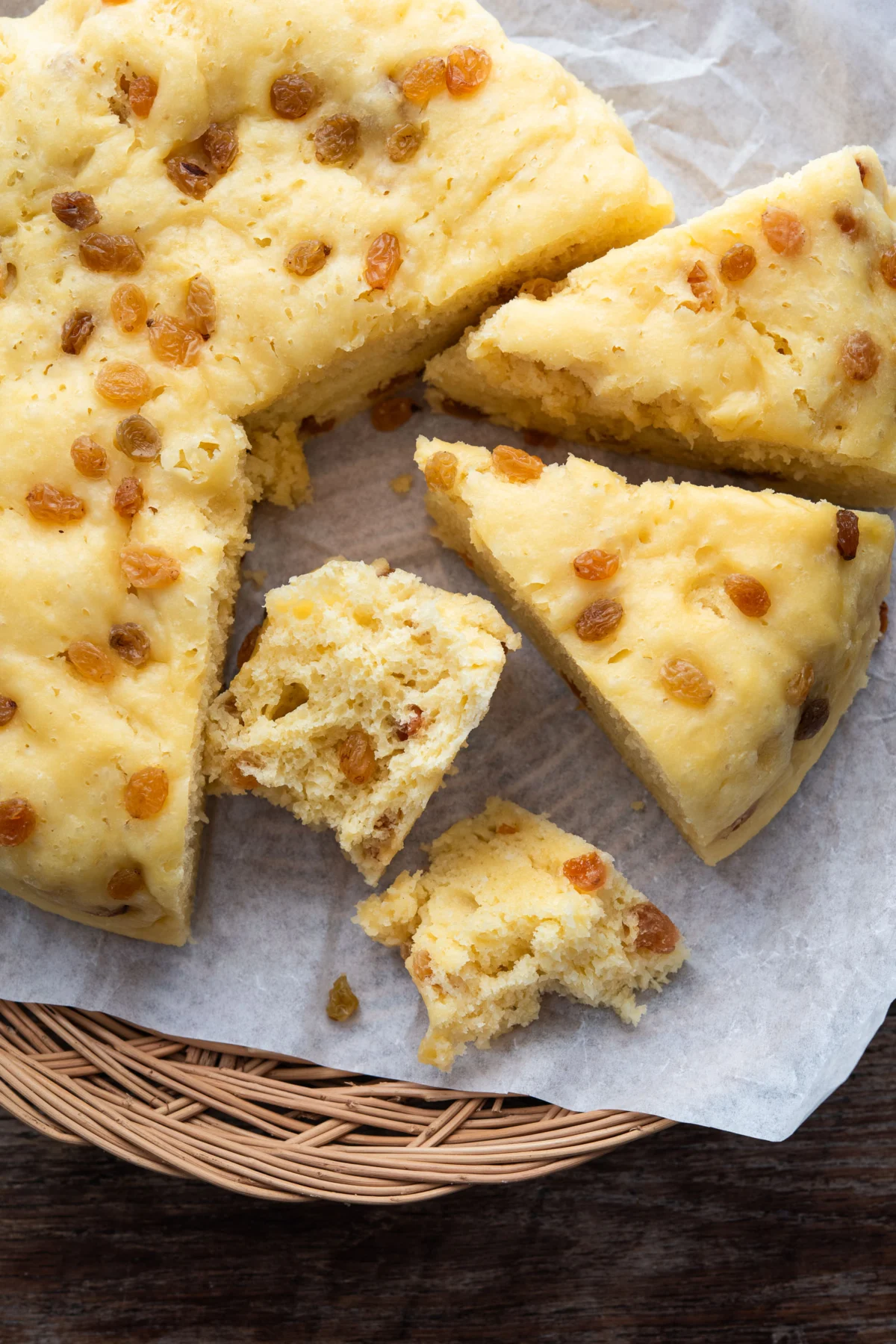
The culinary landscape of Korea is characterized by a sophisticated interplay between ancient fermentation techniques and staple grain preparation. Among the most culturally significant, yet often overlooked, examples of this heritage is sulppang, a traditional steamed bread leavened with makgeolli, the country’s indigenous rice wine. Unlike Western breads that rely on commercial bakeries for standardized yeast, sulppang—or "alcohol bread"—serves as a tangible link to Korea’s agricultural past, representing a method of food preservation and production that prioritizes natural microbial activity.
The Science of Natural Leavening in Traditional Baking
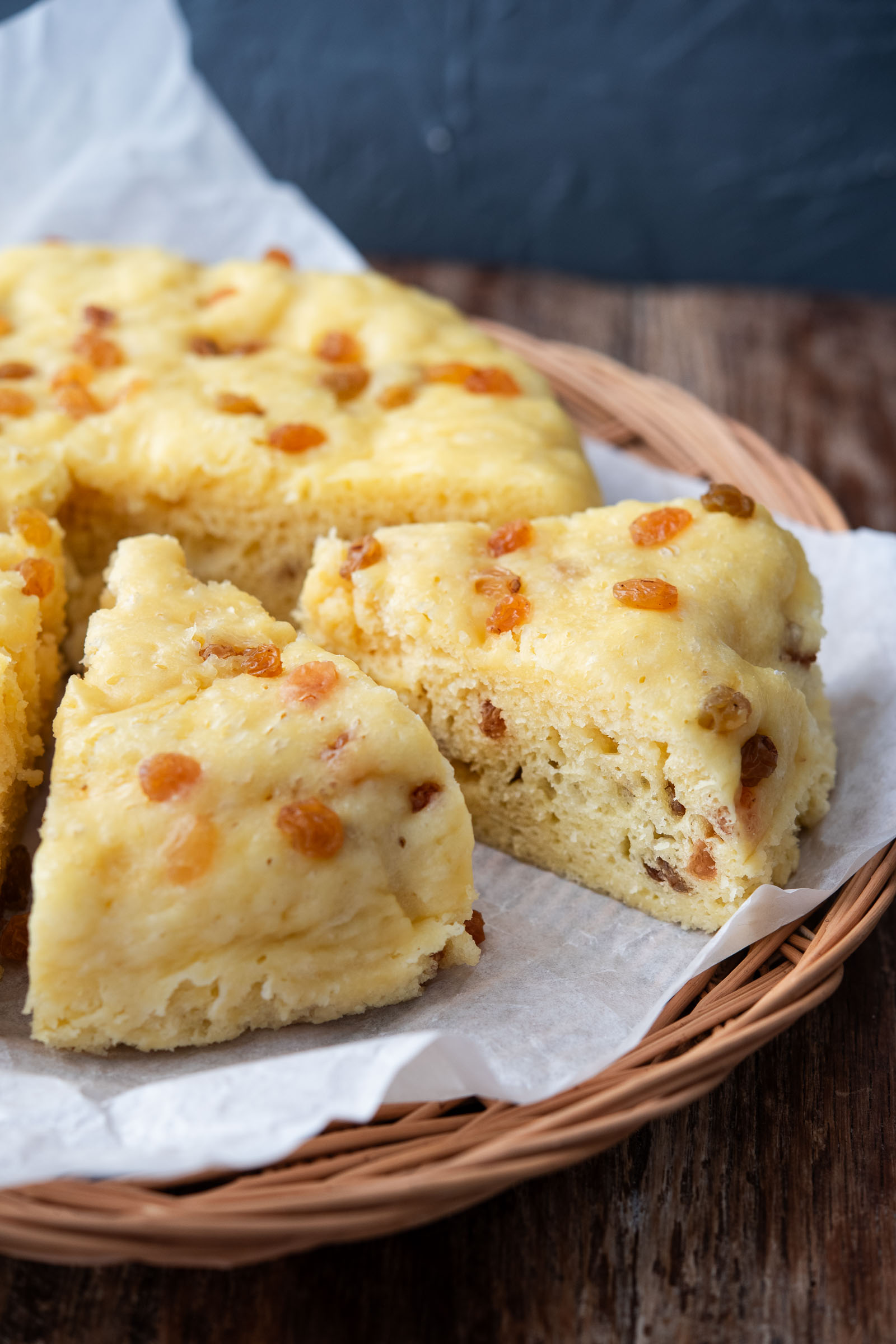
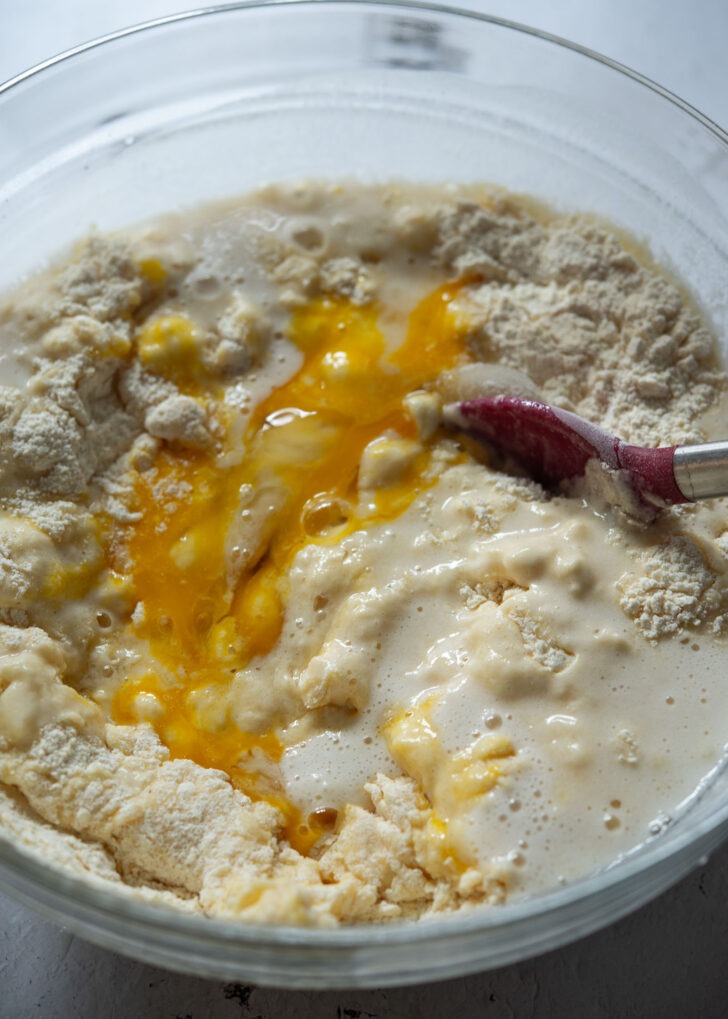
The primary characteristic that distinguishes sulppang from conventional leavened products is its reliance on the natural yeast and lactic acid bacteria inherent in makgeolli. Makgeolli is produced through the fermentation of steamed rice, water, and nuruk, a traditional fermentation starter containing various molds and yeasts. When incorporated into a bread batter, these active microbial cultures initiate a slow, steady fermentation process.
From a biochemical perspective, the carbon dioxide produced by the wild yeasts in the makgeolli creates the characteristic airy, sponge-like crumb of the bread. Simultaneously, the lactic acid bacteria contribute a subtle, pleasant tang that balances the natural sweetness of the rice and the added sugars. In modern culinary applications, the efficacy of this rise depends heavily on the state of the makgeolli. Fresh, unpasteurized varieties—labeled "saeng-makgeolli"—contain living yeast colonies that are highly active. Conversely, pasteurized variants have undergone thermal processing to extend shelf life, which renders the yeast inactive, necessitating the addition of commercial leavening agents to achieve the desired volume.
Historical Context and Evolution
Historically, sulppang was a staple of the traditional Korean marketplace. During the mid-20th century, as street food culture flourished in urban centers like Seoul and Busan, large, industrial-sized steamers were common fixtures in public markets. These stalls served as essential hubs for commuters and families, providing a quick, nutritious, and affordable source of sustenance.
The simplicity of the original recipe—typically composed of refined wheat flour, sugar, and the fermented liquid—reflected the scarcity of ingredients during the post-war era. Over the decades, however, the recipe has undergone refinements. Contemporary bakers have introduced ingredients such as fine cornmeal to adjust the structural integrity and flavor profile of the bread. The inclusion of cornmeal creates a crumb that is not only more tender but also possesses a distinct texture that distinguishes it from the more elastic, gluten-heavy structures of Western-style breads.
Comparative Analysis: Steaming Versus Baking
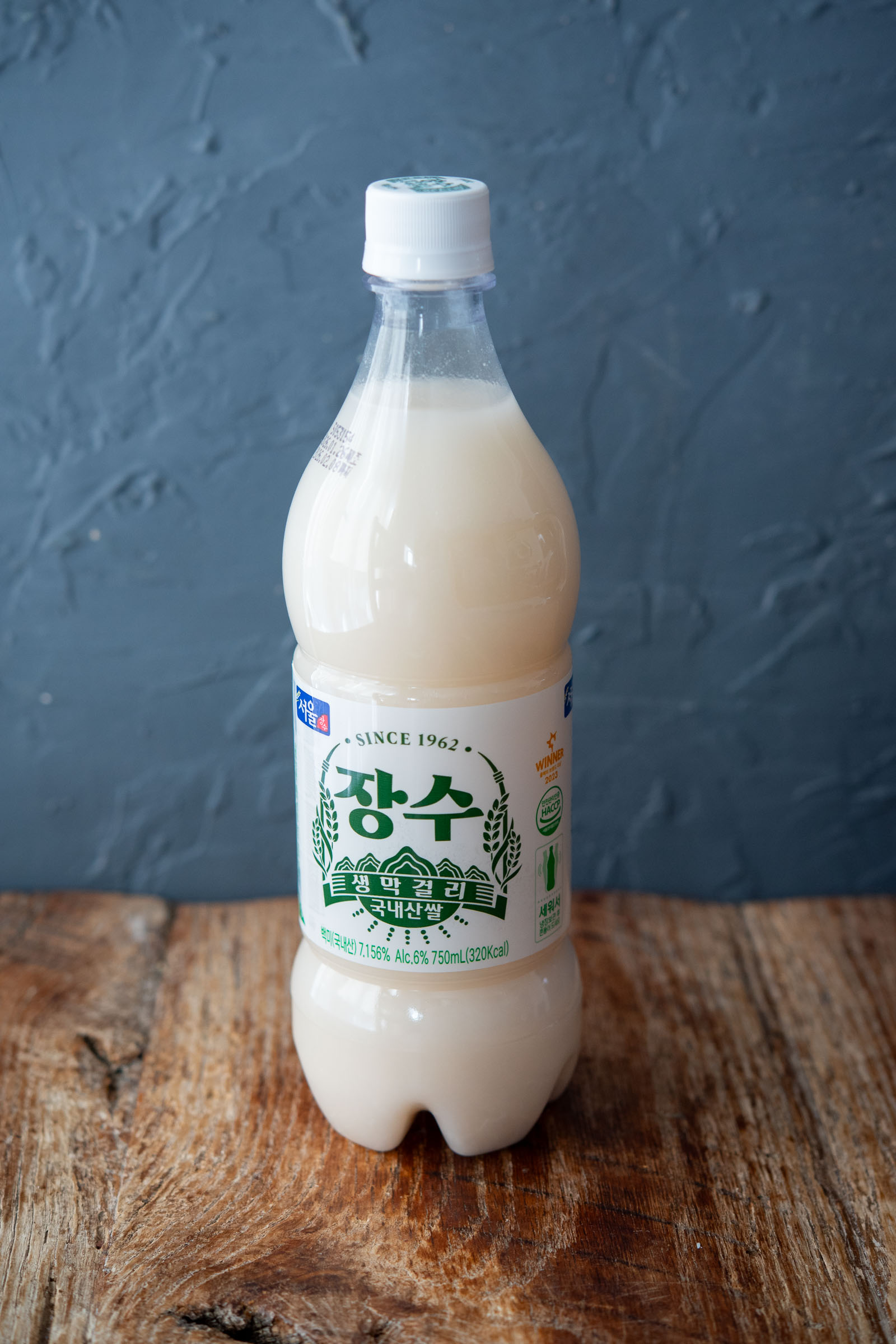
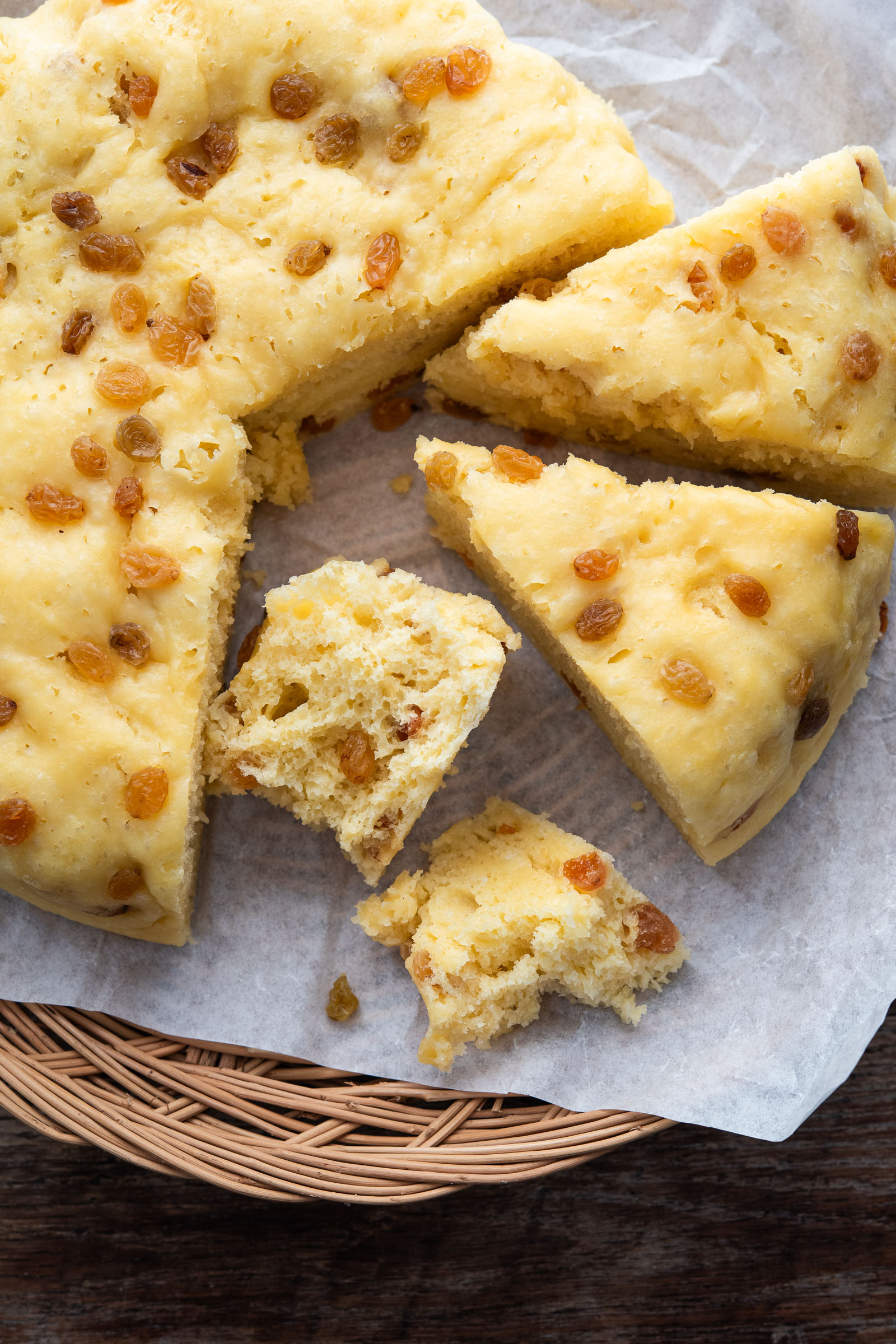
The decision to utilize steam as a cooking method rather than dry-heat baking is fundamental to the identity of sulppang. Steaming involves a moist heat environment where the internal temperature of the dough does not exceed 100 degrees Celsius (212 degrees Fahrenheit). This process prevents the formation of a hard, caramelized crust, resulting in a product that is uniformly soft and moist throughout.
From a nutritional standpoint, the steaming process preserves a higher level of moisture within the starch matrix, contributing to the bread’s long-lasting softness. Furthermore, the absence of the Maillard reaction—which requires high, dry heat to brown proteins and sugars—preserves the delicate, yeasty flavor profile of the fermented rice base. While some modern home cooks have attempted to adapt the recipe for conventional ovens, professional chefs and culinary historians maintain that the resulting product loses the characteristic "bounce" and textural lightness that are hallmarks of authentic, steamed sulppang.
Practical Application and Technical Challenges
For practitioners of this traditional craft, achieving a consistent result requires a high degree of precision regarding environmental conditions. Temperature control is the most critical factor in the proofing stage. Because the fermentation relies on live biological agents, the ambient temperature of the kitchen directly influences the rate of gas production.
Current best practices involve the following technical steps:
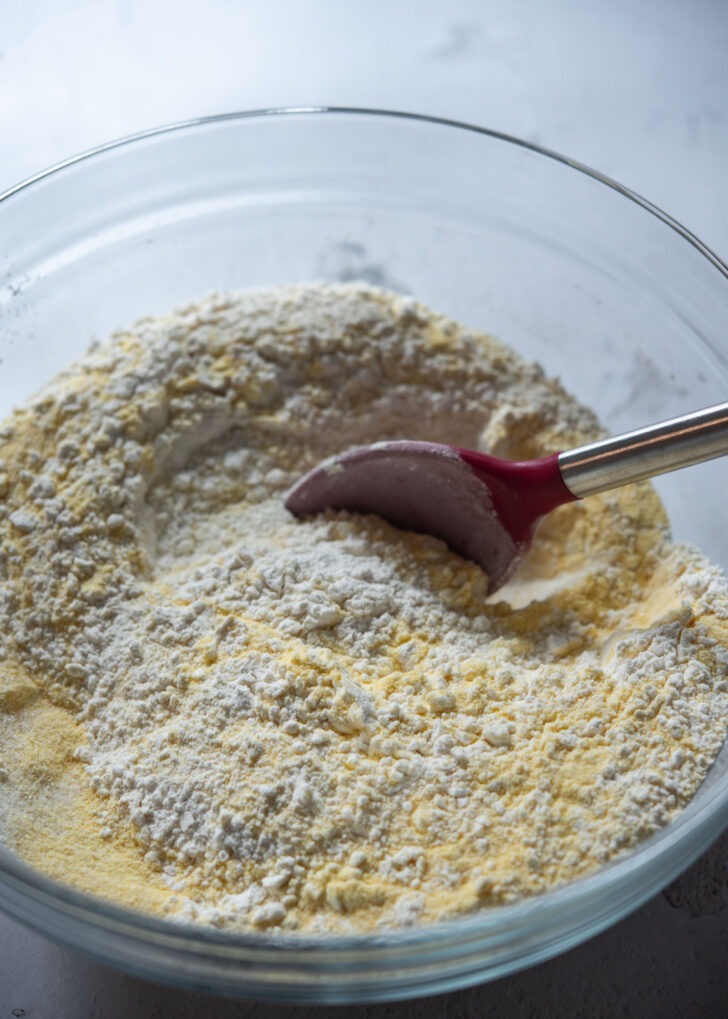
- Batter Consistency: The ratio of liquid to dry ingredients must result in a viscosity similar to that of a thick muffin batter. If the batter is too aqueous, it fails to trap the carbon dioxide; if it is too viscous, the internal pressure generated by the yeast is insufficient to create the desired expansion.
- Controlled Fermentation: Using a proofing environment, such as an oven with a bowl of hot water, ensures that the temperature remains within the optimal range for yeast activity (typically between 25 and 30 degrees Celsius).
- Steam Management: Maintaining a consistent, rolling boil during the steaming phase is vital. If the water temperature drops, the bread may collapse, resulting in a dense, gummy texture.
Implications for Modern Gastronomy
The resurgence of interest in sulppang can be viewed through the lens of a broader, global shift toward artisanal and heritage foods. As consumers become increasingly wary of the additives and preservatives found in mass-produced, commercially leavened bread, the "slow food" approach—which includes natural fermentation—has regained cultural currency.
While sulppang remains a niche product compared to mass-market baked goods, its presence in contemporary dessert cafes and upscale health-food stores is increasing. This trend suggests a growing appreciation for the functional benefits of fermented foods, which are often cited for their probiotic content and improved digestibility.
Future Outlook and Research
While the current methodology for making sulppang is well-documented, there remains significant potential for further scientific study regarding the specific strains of yeast found in regional makgeolli. Researchers in food science have begun to categorize these strains to determine how they influence the aromatic compounds of the final product.
Furthermore, as the global demand for gluten-alternative and fermented products grows, sulppang presents a unique case study. The potential for replacing standard wheat flour with ancient grains or alternative flours while maintaining the structural benefits of the makgeolli-led fermentation could lead to new developments in the gluten-free market.
In conclusion, sulppang is far more than a simple regional snack. It is a testament to the ingenuity of traditional Korean food systems, demonstrating how a byproduct of alcohol production can be transformed into a staple food item. By bridging the gap between historical necessity and modern nutritional awareness, the preservation of the sulppang-making technique ensures that a significant aspect of Korean culinary heritage continues to thrive in an increasingly industrialized food environment.
