

The Evolution of Samsung’s Audio Strategy
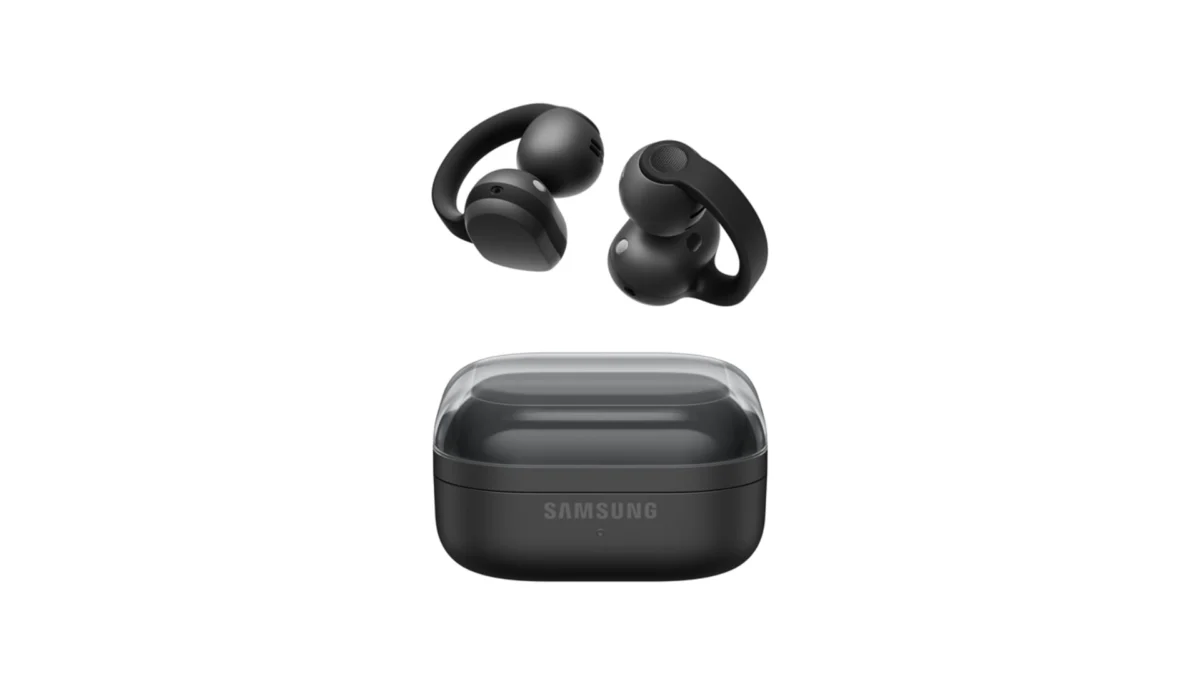
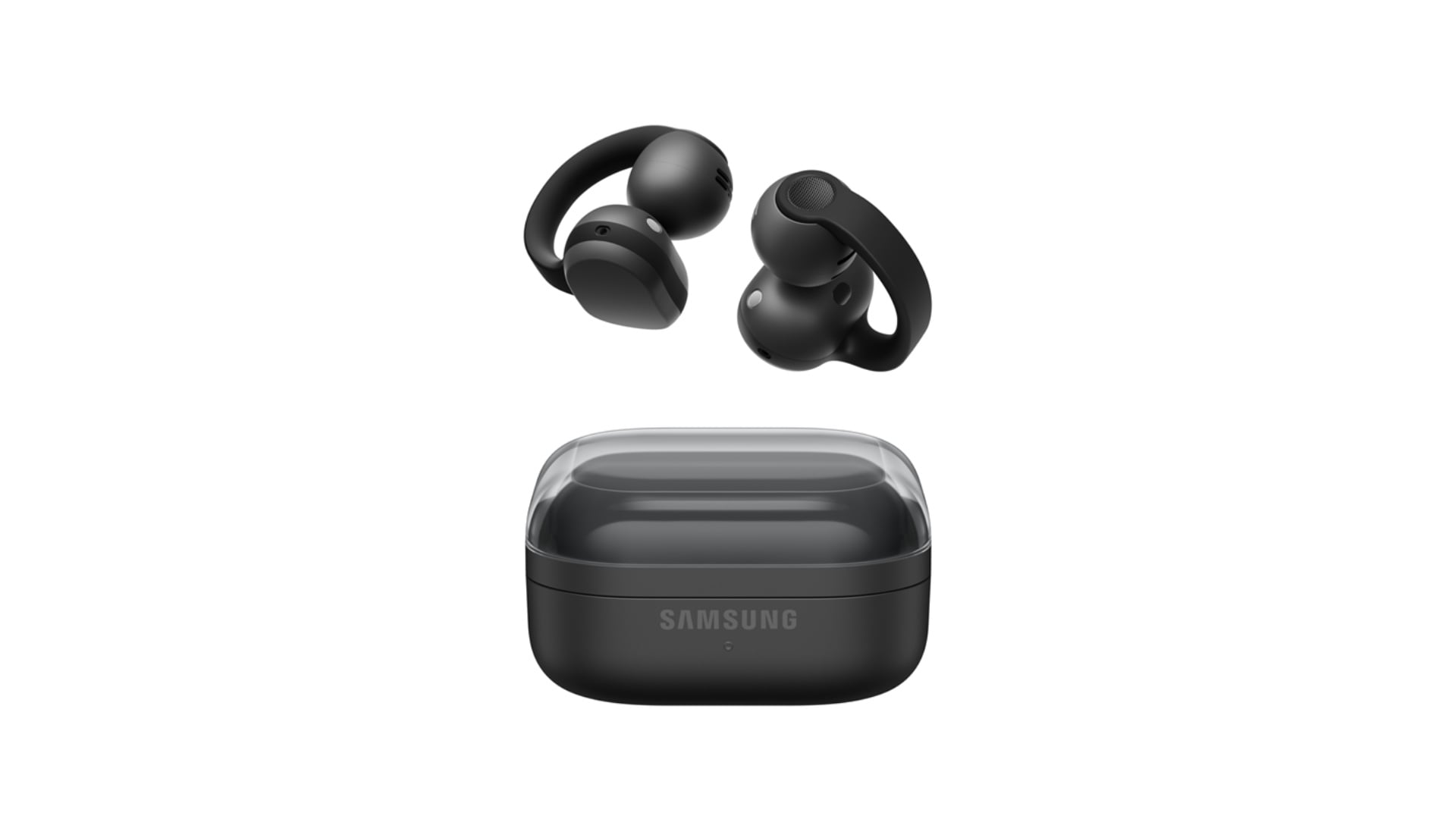
Samsung has long been a dominant force in the True Wireless Stereo (TWS) market, with its Galaxy Buds series setting industry standards for noise cancellation and sound fidelity. However, the introduction of the Galaxy Buds On represents a pivot in product philosophy. Unlike the Pro or standard series, which rely on silicone tips to create a physical seal within the ear canal, the Galaxy Buds On utilize a clip-on mechanism.
This design is engineered for users who experience discomfort or "ear fatigue" during extended listening sessions, a common criticism of in-ear monitors. By resting outside the ear canal, these earbuds allow for greater situational awareness—an essential feature for urban commuters and fitness enthusiasts—without sacrificing the audio performance expected from the Galaxy brand. This shift mirrors broader industry trends where manufacturers are increasingly exploring open-ear designs to cater to a diverse demographic of listeners who prioritize ambient awareness alongside high-fidelity audio.
Technical Specifications and Engineering Innovations
At the heart of the Galaxy Buds On lies the Qualcomm Snapdragon S7 Gen 1 Sound Platform. This high-performance chip is the engine driving the device’s efficiency and audio processing capabilities. The integration of the S7 Gen 1 is particularly notable for its low-power architecture, which enables the earbuds to deliver an impressive 9.5 hours of continuous playback on a single charge. This longevity is a significant benchmark for a device of this form factor, where space for battery cells is inherently limited.
Beyond the processing power, Samsung has invested heavily in proprietary technologies to overcome the inherent acoustic challenges of open-ear designs. The "TwinBoost" speaker system is designed to maintain depth and clarity, frequencies that often dissipate in open-ear configurations. Furthermore, the inclusion of "Audio Leakage Reduction" technology addresses the common user concern of sound bleeding into public spaces. By using sophisticated signal processing, the Galaxy Buds On aim to direct audio into the ear more precisely, ensuring privacy while maintaining a rich soundstage.
Timeline of the Launch and Market Entry
The rollout of the Galaxy Buds On began with a strategic focus on South Korea, Samsung’s primary market. On October 27, 2026, the device officially entered the domestic market with a retail price of KRW 299,000, approximately equivalent to $220. At the time of the announcement, Samsung maintained a cautious silence regarding the global availability of the product.
This "South Korea-first" strategy is a recurring pattern for Samsung, often used to gauge initial consumer reception and iron out supply chain logistics before scaling to international markets. However, the interval between the local launch and potential global release is narrowing. Recent sightings by industry observers at SammyGuru confirm that European retailers have begun preparing for local stock, with Swiss listings pricing the units between CHF 179 and CHF 199 (roughly $216 to $241). These listings serve as a strong indicator that the internal global distribution network is active and that a formal announcement regarding European and North American availability is likely to follow in the coming weeks.
Economic Implications and Competitive Landscape
The pricing strategy for the Galaxy Buds On places them in the premium segment of the TWS market. By positioning the product at approximately $220, Samsung is competing directly with high-end open-ear alternatives from established audio brands like Bose and Sony.
Market analysts observe that this price point reflects the R&D costs associated with the Snapdragon S7 Gen 1 integration and the custom-engineered drivers. The broader implication here is that Samsung is diversifying its audio ecosystem. While the Galaxy Buds Pro series will likely remain the flagship choice for users requiring Active Noise Cancellation (ANC) and immersive isolation, the Galaxy Buds On offer a specialized tool for the "all-day" user. This segment, which includes professionals who spend hours on voice calls and individuals who consume media while maintaining awareness of their surroundings, is currently underserved by traditional sealed-earbud designs.
Consumer Feedback and Expected Market Reception
While official global sales figures remain pending, early commentary from tech reviewers and industry analysts suggests a positive outlook for the form factor. The transition to a clip-on design is viewed as a necessary evolution for the brand, as it addresses the growing demand for wearable technology that integrates seamlessly into a user’s lifestyle rather than isolating them from it.
Furthermore, the design choice is being heralded as a victory for ergonomics. The weight distribution of a clip-on device is generally more balanced than traditional earbuds, which can become uncomfortable due to the pressure exerted on the ear canal. If the "Audio Leakage Reduction" technology proves effective in real-world scenarios, it could set a new standard for open-ear acoustics, potentially forcing competitors to accelerate their own development cycles for similar technology.
Official Stance and Future Outlook
As of the current reporting, Samsung has not issued a formal press release detailing the exact dates for a global launch. However, the emergence of retail listings across Europe suggests that the administrative processes for importation and distribution are already underway. Typically, when regional retailers begin populating their databases with product SKUs, it indicates that inventory is either in transit or that a marketing embargo is nearing its expiration.
Industry experts anticipate that Samsung may coordinate a wider regional launch before the end of the current quarter to capitalize on holiday season consumer spending. Such a move would be strategically sound, providing a strong anchor for their wearable audio division as the company moves into the next fiscal year.
Strategic Analysis of the Audio Industry
The audio market has reached a point of saturation regarding standard in-ear buds. To maintain growth, companies must innovate through form factor and specialized use cases. Samsung’s move with the Galaxy Buds On is not merely an attempt to sell a new device; it is a calculated effort to capture a specific demographic of users who have been reluctant to adopt traditional TWS earbuds.
The reliance on Qualcomm’s platform is also a testament to the importance of the partnership between hardware manufacturers and chipset designers. By leveraging the S7 Gen 1, Samsung ensures that the Galaxy Buds On can handle complex processing tasks—such as real-time audio equalization and low-latency connectivity—without requiring a larger chassis. This synergy between the chip’s power efficiency and the device’s compact, clip-on design creates a compelling value proposition that stands out in a crowded marketplace.
Conclusion
The trajectory of the Galaxy Buds On launch confirms that Samsung is moving steadily toward a comprehensive global rollout. With the South Korean launch already behind them, the shift toward international retail availability signals that the company is confident in the product’s performance and its potential to disrupt the current TWS hierarchy. As these earbuds move from regional exclusivity to global availability, they will likely redefine the expectations for comfort and situational awareness in the wearable audio space. Potential customers outside of South Korea should monitor official Samsung channels, as the current retail listings are a strong harbinger of an imminent, broader announcement. The Galaxy Buds On represent more than just a new product—they represent the future of wearable audio, where technology is designed to enhance, rather than obstruct, the wearer’s interaction with the world around them.
