

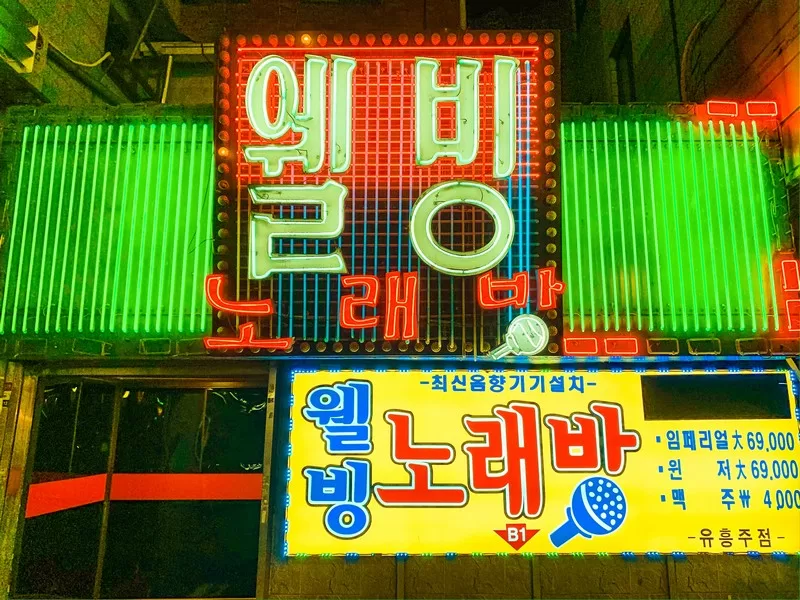
The metropolitan landscape of Seoul is globally renowned for its vibrant nocturnal economy, encompassing 24-hour retail markets, bustling districts like Hongdae and Gangnam, and a thriving club and concert scene. However, for both international visitors and casual tourists, navigating the city’s transit infrastructure after the standard subway network shuts down around midnight has historically presented a formidable challenge. Recent viral social media documentation highlighting stranded travelers outside early-morning venues has reignited discussions regarding late-night mobility in the South Korean capital. While the underground rail system ceases operations near midnight, Seoul’s public transit apparatus is engineered to function continuously through specialized alternatives, provided commuters possess a strategic understanding of nocturnal schedules, tariff structures, and application-based booking tools.
Deconstructing the Seoul Subway Closure Schedule
Contrary to popular belief, there is no single, universal closure time for the entire Seoul subway network. While the system officially operates between roughly 5:30 AM and midnight, the availability of a final train depends heavily on the specific station, the individual subway line, the direction of travel, mandatory transfers, and the day of the week.

For major commuter lines that extend far into the surrounding Gyeonggi-do province, a train departing a central hub at midnight may terminate its journey long before reaching suburban destinations. Furthermore, transferring between lines late at night carries the risk of arriving at a junction station just after the connecting final train has departed. Municipal transit authorities strongly advise commuters utilizing digital wayfinding utilities, such as Naver Map or KakaoMap, to calculate route-specific departures rather than relying on general network closure times. Passengers approaching midnight are instructed to monitor onboard digital displays and audio announcements to verify terminal stations, ensuring they do not inadvertently find themselves stranded miles from their intended destination.
The Owl Bus Network: Seoul’s Nocturnal Public Transit Backbone
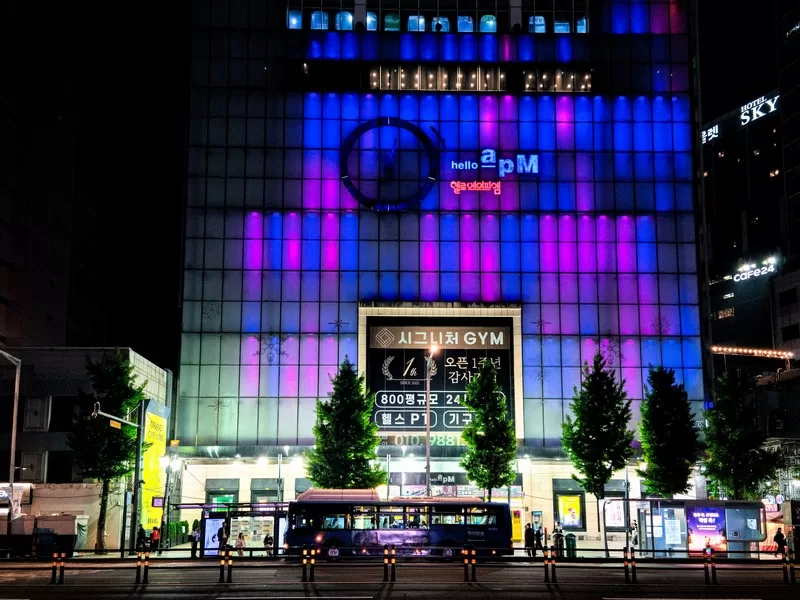
To bridge the mobility gap created by the sleeping subway system, the Seoul Metropolitan Government operates a dedicated fleet of late-night public transport vehicles colloquially known as Owl Buses, or Olppaemi Buses. Easily identified by the letter "N" preceding their route numbers, these 14 distinct routes generally operate between 11:00 PM and 6:00 AM, offering an economical alternative to private hire vehicles.
Unlike daytime bus services that simply extend their hours, Owl Bus routes are custom-designed to link major nightlife hubs—such as Hongdae, Jongno, Dongdaemun, and Gangnam—directly with dense residential sectors. With a standard adult fare set at ₩2,500, these buses provide critical equity in transit access, allowing late-night workers and patrons to traverse the city without incurring exorbitant private transportation costs. Because these buses run on lower frequencies than daytime services, passengers must consult real-time tracking applications to coordinate their arrivals at designated stops precisely.

Navigating Taxi Availability and Surcharge Structures
For those requiring point-to-point transportation, Seoul’s taxi network remains fully operational throughout the night, though high demand in entertainment districts frequently creates bottlenecks. Street-hailing remains viable, but digital dispatch applications have become essential tools for modern commuters. Platforms such as KakaoT and international options like Uber facilitate bookings, while specialized services like k.ride cater specifically to foreign nationals by eliminating the requirement for a local phone number or domestic payment card.
Travelers utilizing taxis during nocturnal hours must account for the city’s tiered late-night surcharge system, which is legally mandated to compensate drivers operating during off-peak hours. The regulatory surcharge framework is structured as follows:
- A 20% surcharge applies between 10:00 PM and 11:00 PM.
- A peak 40% surcharge is enforced between 11:00 PM and 2:00 AM.
- A 20% surcharge is applied between 2:00 AM and 4:00 AM.
Standard daytime tariffs resume at 4:00 AM.
Additionally, journeys originating within Seoul proper that cross municipal boundaries into Gyeonggi-do incur an out-of-city distance surcharge. Industry analysts note that late-night hailing difficulties around 3:00 AM or 4:00 AM are rarely indicative of a systemic transit failure, but rather reflect temporary surges in passenger demand relative to active driver supply.
Alternative Shelter and the 24-Hour Urban Culture
When transit congestion peaks and the cost of private hire vehicles escalates, local urban culture offers deeply ingrained alternatives for weathering the early morning hours. Rather than engaging in prolonged attempts to secure a ride home immediately following venue closures, many residents utilize Seoul’s robust infrastructure of 24-hour establishments.
Patrons frequently frequent traditional 24-hour dining rooms to consume specialized hangover soups—culinary staples traditionally associated with post-entertainment recovery—or utilize high-speed computer rooms known as PC bangs. Similarly, traditional bathhouses and communal sleeping facilities, known as jjimjilbangs, have historically served as safe havens for resting until public rail services resume. However, municipal authorities advise that post-pandemic shifts in commercial operations have caused varying operating hours among individual bathhouses, necessitating digital verification prior to arrival.
Upcoming Infrastructure Enhancements: The Firefly Bus Initiative
To further alleviate late-night transit congestion, municipal authorities continue to expand the city’s nocturnal transit capabilities. The Seoul Metropolitan Government announced the rollout of the "Firefly Bus" initiative, designed to complement the existing Owl Bus network. Scheduled for deployment in late 2026, these specialized vehicles are engineered to optimize transit loops between primary commercial districts—including Gwanghwamun, Myeongdong, and the Dongdaemun Design Plaza—and major transportation transfer hubs.
While traditional Owl Buses primarily focus on funneling commuters from central nightlife zones into outlying residential neighborhoods, the forthcoming Firefly Bus service aims to streamline inter-district movement for both residents and international tourists. Transportation economists view this initiative as a proactive step toward supporting Seoul’s nocturnal economy while simultaneously mitigating neighborhood-specific taxi shortages.
Specialized Transit Realities for Regional Travelers
Commuters residing outside the municipal borders of Seoul within the Gyeonggi-do region—encompassing urban centers such as Suwon, Ilsan, and Bundang—face distinct logistical hurdles when participating in Seoul’s nightlife. Because the municipal Owl Bus network is optimized for intra-city transit, suburban travelers cannot rely on these routes for end-to-end transportation home.
Regional transit planners consistently recommend that suburban visitors establish a comprehensive itinerary before embarking on evening outings. Options include scheduling departures to align with the final regional rail connections, budgeting explicitly for the combined surcharges associated with long-distance late-night taxis, or committing to remain within the city center until morning rail services recommence.
Implications for International Tourism and Urban Mobility
The ongoing evolution of Seoul’s late-night transit ecosystem underscores the complex realities of managing a 24-hour global metropolis. As tourism figures continue to rebound toward pre-pandemic highs, municipal agencies face mounting pressure to bridge informational gaps for foreign visitors unfamiliar with localized transport protocols.
By expanding multi-language digital integration, introducing flexible booking platforms, and continuously evaluating bus route efficiencies, Seoul maintains its reputation as a highly accessible urban center. Ultimately, analytical reviews of the city’s nocturnal transit indicate that missing the final subway train does not constitute a systemic breakdown of infrastructure, but rather demands an informed approach to utilizing Seoul’s diverse array of alternative mobility solutions.
