

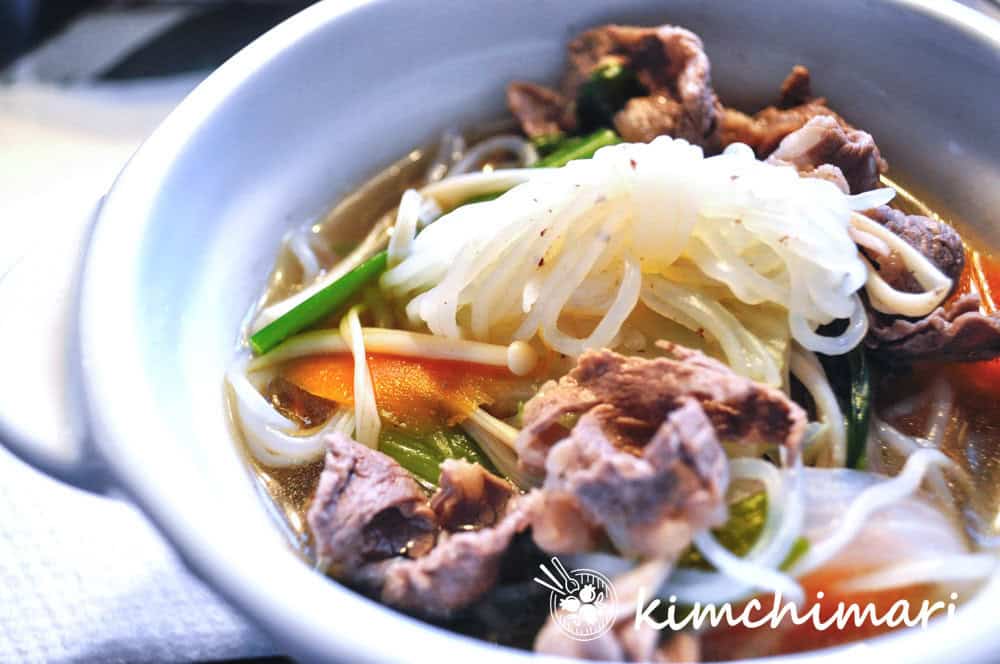
Korean style shabu shabu represents a fascinating convergence of traditional East Asian communal dining and modern nutritional preferences, transforming a classic Japanese hot pot concept into a uniquely vibrant, vegetable-forward dining experience. While the foundational technique of cooking thinly sliced meats and assorted vegetables in a simmering, flavorful broth shares a lineage with Japanese shabu shabu and Chinese hot pot, the Korean culinary adaptation emphasizes deeply savory broths, robust dipping sauces, and a concluding ritual of nutrient-dense rice porridge, known as jook. This interactive style of cooking has experienced a significant surge in popularity across domestic kitchens and specialized restaurants, driven by growing consumer demand for meals that balance culinary engagement with health-conscious ingredients.
The Culinary Origins and Personal Evolution of the Recipe
The historical roots of shabu shabu trace back to mid-20th-century Japan, where the dish was popularized and named after the swishing sound (shabu-shabu) made when meat is rapidly cooked back and forth in boiling water or broth. However, regional interpretations have flourished across Asia. Culinary developers and home cooks often note that commercial establishments rarely capture the nuanced flavor profiles achieved through personal preparation. For many culinary enthusiasts, the inspiration stems from nostalgic encounters with regional variations—such as delicate pheasant stock preparations on Jeju Island—which elevate the baseline beef or vegetable broths commonly found in commercial settings.
Over decades of refinement, home cooks and culinary researchers have tailored the recipe to optimize both flavor extraction and nutritional value. By focusing on high-volume vegetable consumption paired with measured portions of premium, paper-thin protein cuts, this style bridges the gap between indulgent dining and clean eating. Food historians and nutritionists observe that this method aligns closely with contemporary shifts toward mindful eating, where the pacing of the meal encourages slower consumption and better satiety regulation.
Selecting the Optimal Equipment for Hot Pot Dining

Executing an authentic shabu shabu meal requires specialized yet accessible kitchen equipment designed for table-side cooking. Industry standards point to the electric hot pot as the quintessential appliance for this style of dining. Unlike traditional stovetop cooking, a dedicated electric hot pot allows diners to maintain a continuous, regulated simmer directly at the dining table, fostering the communal atmosphere that defines the experience.
Culinary equipment analysts recommend selecting electric cookers capable of reaching high thermal thresholds—specifically those exceeding 450 degrees Fahrenheit—to ensure rapid liquid recovery when cold ingredients are introduced. For households lacking an electric hot pot, alternative configurations such as portable tabletop gas burners, induction cookers, or standard pots placed on insulated mats serve as viable substitutes. The primary operational objective remains consistent: maintaining a steady, bubbling broth that can instantly cook paper-thin proteins upon immersion.
Anatomy of the Ingredients: Proteins, Noodles, and Broths

The success of a Korean style shabu shabu relies heavily on the precise selection and preparation of its component ingredients. Central to the dish is the meat, which demands rigorous attention to thickness and fat distribution. Premium cuts such as rib eye, chuck, and occasionally pork loin or lean chicken are meticulously sliced to a paper-thin consistency. This extreme thinness ensures that the protein cooks within seconds, retaining optimal tenderness without developing a tough or chewy texture.
For enthusiasts preparing cuts at home, temperature manipulation serves as a crucial technique. By freezing the meat for approximately 90 to 180 minutes, the protein achieves a semi-firm state that allows for precise slicing against the grain using a sharp utility knife. This method mimics the commercial slicing standards found in specialized Asian butcher shops and Japanese grocery stores, which utilize high-speed commercial slicers to achieve translucency in beef marbling.
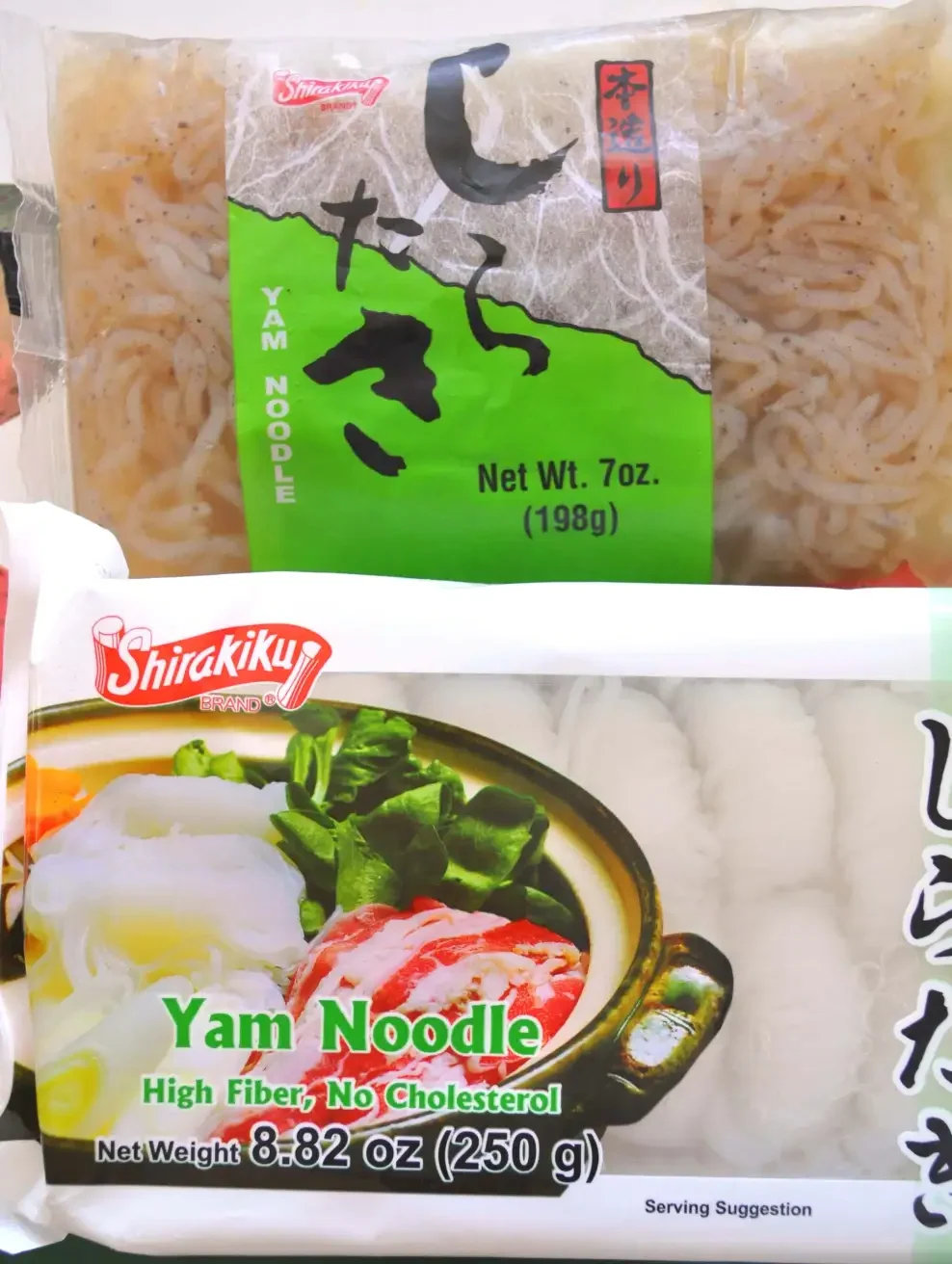
Complementing the proteins is an array of fiber-rich elements, most notably yam noodles (shirataki noodles) or kelp noodles. These traditional ingredients are prized within the culinary community for their zero-calorie profile and unique chewy texture. Because yam noodles do not absorb excessive liquid or thicken the surrounding broth, they maintain an al dente consistency regardless of extended cooking durations, making them an ideal addition to simmering soups.

Broth Formulation and Dipping Sauce Profiles
The flavor architecture of Korean style shabu shabu is divided between the foundational soup stock and the contrasting dipping sauces. The soup stock typically begins with a base of dried kelp (kombu), dried anchovies, or shiitake mushrooms, creating a rich umami-laden foundation that evolves in complexity as vegetables and meats are continuously introduced throughout the meal.
Dipping sauces serve to elevate and individualize each bite, offering a balance of acidity, creaminess, and umami. Standard accompaniments include:

- Creamy Sesame Citrus Sauce: A rich emulsion blending toasted sesame paste, soy sauce, citrus juice (such as yuzu or lemon), and a touch of sweetness.
- Lime Kelp Sauce (Ponzu-style): A sharp, refreshing mixture of soy sauce, vinegar, citrus, and dashi, providing a clean contrast to rich proteins.
- Commercial Enhancements: Popular store-bought variants such as Memmi, Kon Shabu, and Pon Shabu sauces offer standardized consistency and authentic regional flavor profiles for home cooks seeking convenience.
Step-by-Step Preparation and Cooking Chronology
The chronological flow of a shabu shabu meal is structured to maximize flavor development over time:
- Broth Preparation: Bring the primary soup stock (kelp and anchovy or mushroom base) to a rolling boil in the tabletop electric hot pot.
- Vegetable Introduction: Add firm root vegetables and hardy greens (such as napa cabbage, radishes, and mushrooms) to the pot first, allowing them to soften and enrich the broth’s flavor profile.
- Protein Cooking: Using long cooking chopsticks or tongs, take individual sheets of paper-thin beef or pork and swish them through the boiling broth for 5 to 10 seconds until just cooked through.
- Saucing and Consumption: Dip the cooked meat and vegetables into the preferred citrus or sesame sauce before eating. Repeat the process continuously, adding noodles and remaining ingredients as space permits.
The Grand Finale: Shabu Shabu Jook (Porridge)

A defining characteristic of Korean style shabu shabu is the incorporation of a concluding course known as jook, or rice porridge. Once the primary proteins and vegetables have been consumed, the remaining liquid in the pot—now intensely flavorful and infused with the nutritional essences of the meal—serves as the base for a comforting rice dish.
To prepare the jook, excess solids are strained from the pot, leaving a concentrated broth. Cooked white rice, finely chopped vegetables (such as carrots, onions, and scallions), and a drizzle of sesame oil are added to the simmering liquid. The mixture is stirred gently until the rice breaks down and absorbs the rich stock. Just before serving, a beaten egg is swirled into the porridge to add silkiness, garnished with toasted sesame seeds and crushed seaweed flakes. This final course ensures zero waste while providing a deeply satisfying, warming conclusion to the communal feast.
Nutritional Analysis and Broader Dietary Implications

From a nutritional standpoint, Korean style shabu shabu occupies a highly favorable position within modern dietary frameworks. Dietitians and food scientists point out that the method of boiling meat rather than frying or roasting significantly reduces overall lipid consumption while retaining essential amino acids and micronutrients. Furthermore, the high ratio of leafy greens, cruciferous vegetables, and mushrooms ensures a substantial intake of dietary fiber, vitamins, and antioxidants.
The inclusion of zero-calorie yam noodles and the portion-controlled nature of thinly sliced proteins make the dish highly adaptable for individuals managing caloric intake or pursuing metabolic health goals. Because diners actively participate in the cooking process, portion awareness is naturally heightened, leading to slower eating habits and improved digestive comfort. As consumer interest in interactive, health-conscious dining continues to expand globally, Korean style shabu shabu stands out as a timeless culinary tradition that seamlessly bridges the demands of modern nutrition with the rich heritage of communal Asian gastronomy.
