

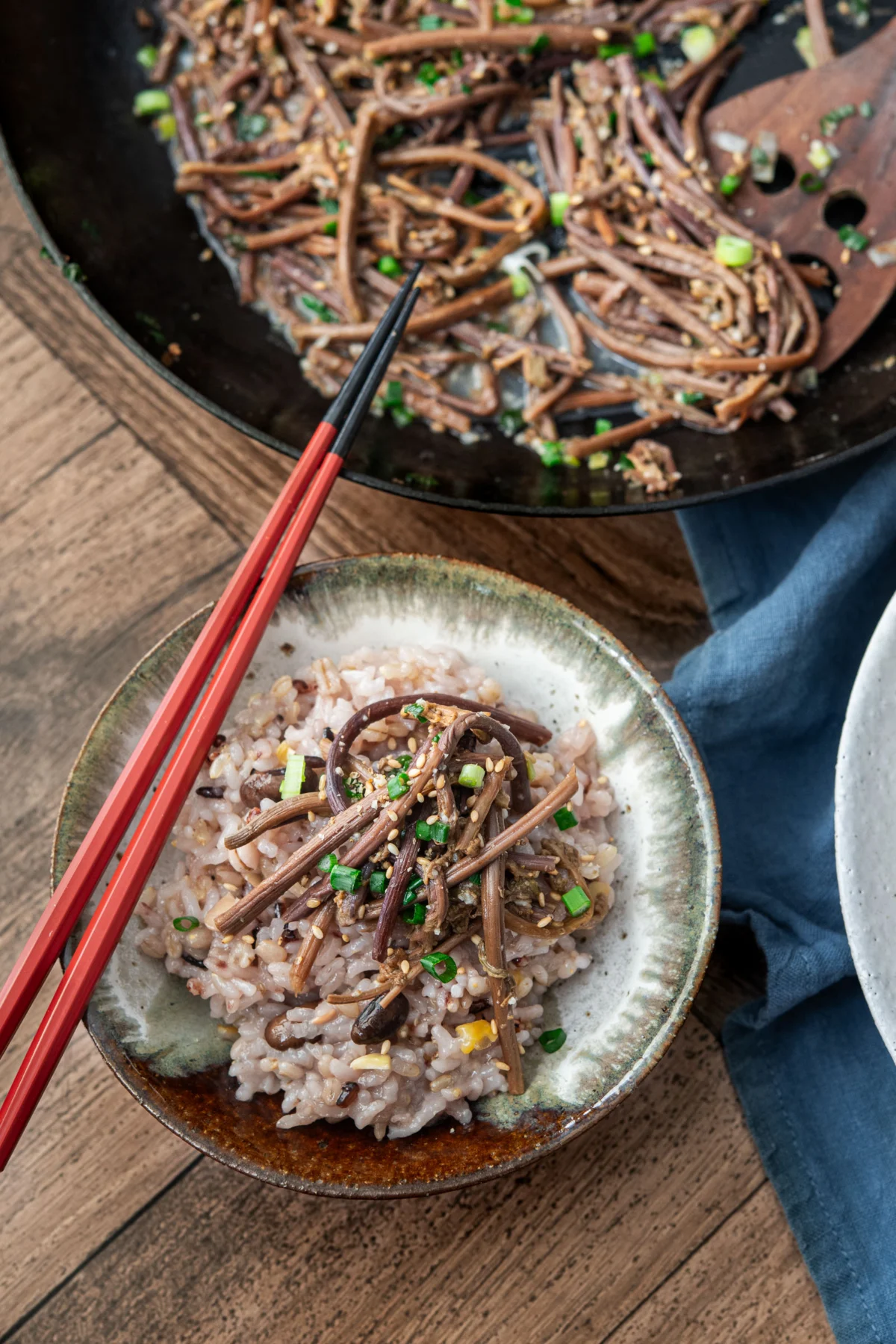
The Botanical and Culinary Roots of Gosari
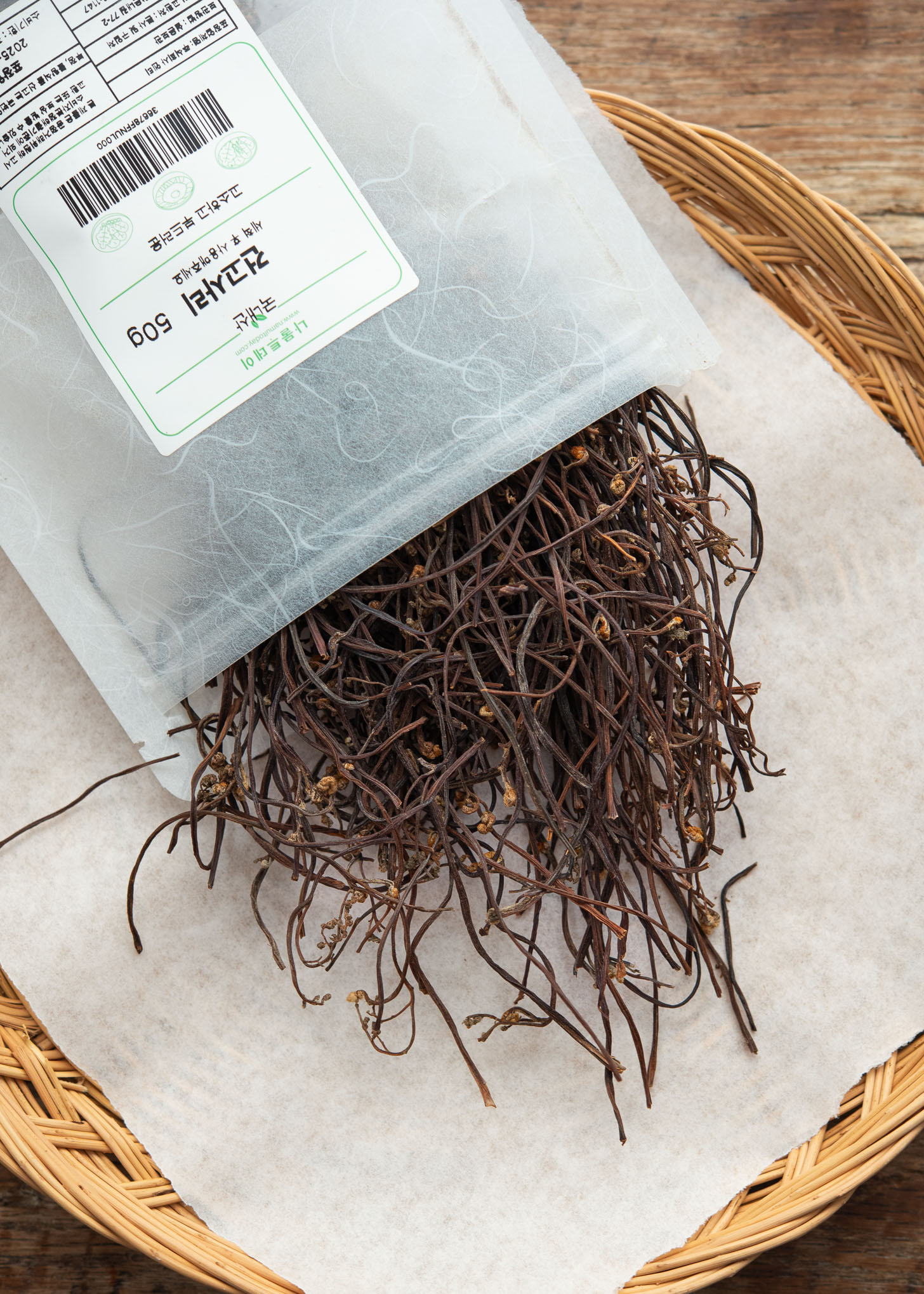
The primary ingredient, gosari, is the young, curled frond of the Pteridium aquilinum, commonly known as bracken fern. In the Korean culinary tradition, these fronds are harvested in the spring when they are at their most tender. Once collected, the ferns undergo a rigorous process of boiling and sun-drying to neutralize potential toxins and preserve the plant for year-round consumption.
Nutritionally, bracken fern is recognized for its high fiber content and various essential minerals, including iron, potassium, and magnesium. While it is low in calories—averaging approximately 62 calories per serving—it provides a dense, chewy texture that serves as an effective medium for the absorption of aromatic seasonings. In the modern context, the dish has gained traction among plant-based and vegan communities globally, as it offers a substantial "meaty" mouthfeel without the use of animal products.
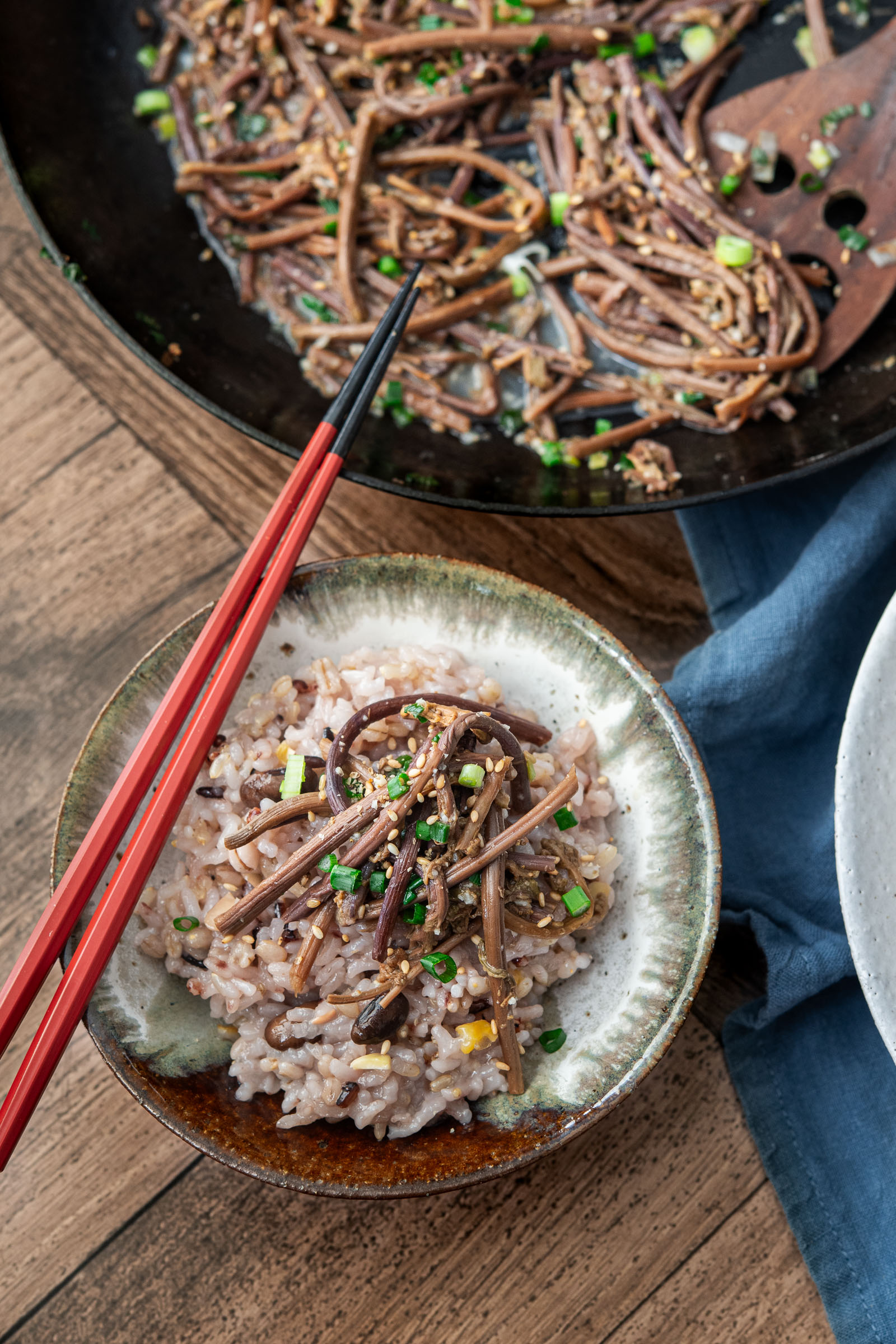
Historical Context and Ritual Significance
The prominence of gosari namul is inextricably linked to jesa, the solemn ritual of honoring ancestors. In traditional Korean Confucian culture, the preparation of food for these ceremonies is a meticulous task involving specific guidelines. Gosari is almost always included in the namul spread because it represents the earth and the bounty of the mountain.
During Chuseok, the importance of this dish is magnified. As families gather to share meals and perform rites, the presence of various vegetable dishes, or namul, signifies gratitude for the harvest. The time-intensive nature of rehydrating and preparing the dried ferns is viewed not as a burden, but as a deliberate act of devotion and respect toward the tradition being honored.
The Technical Requirements of Preparation
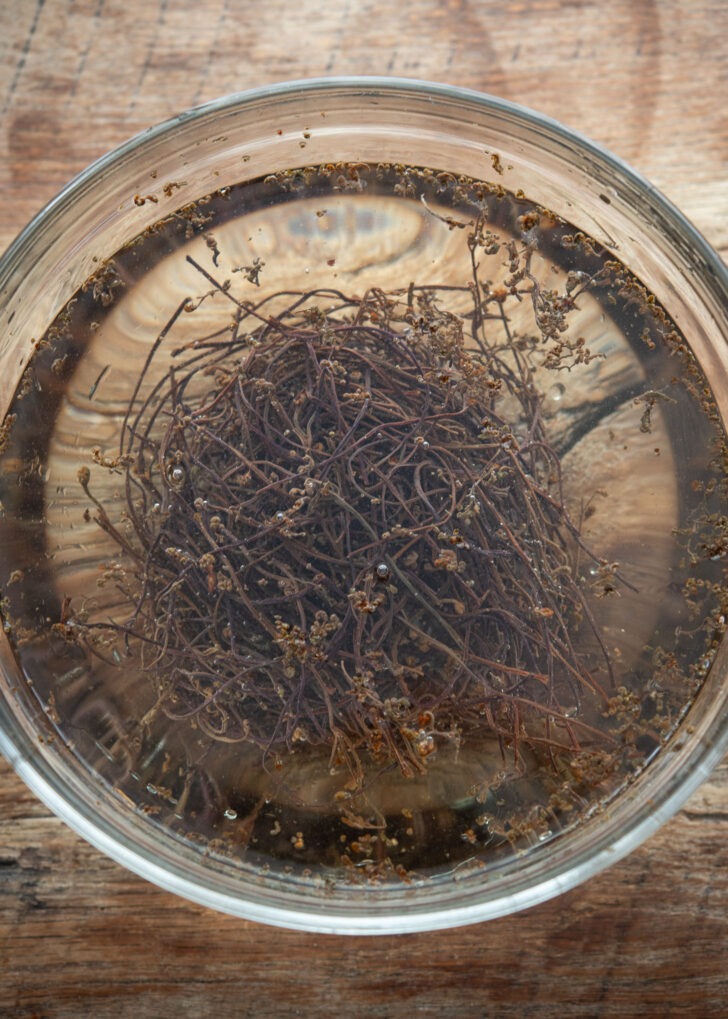
The transition from a dried, brittle stalk to a tender side dish is a technical process that demands precision. Unlike fresh vegetables that can be sautéed immediately, dried fernbrake requires a multi-stage rehydration protocol to ensure the removal of bitterness and the restoration of texture.
- Rinsing and Preliminary Soaking: The process begins with a thorough rinse to remove surface dust, followed by a short initial soak in cold water.
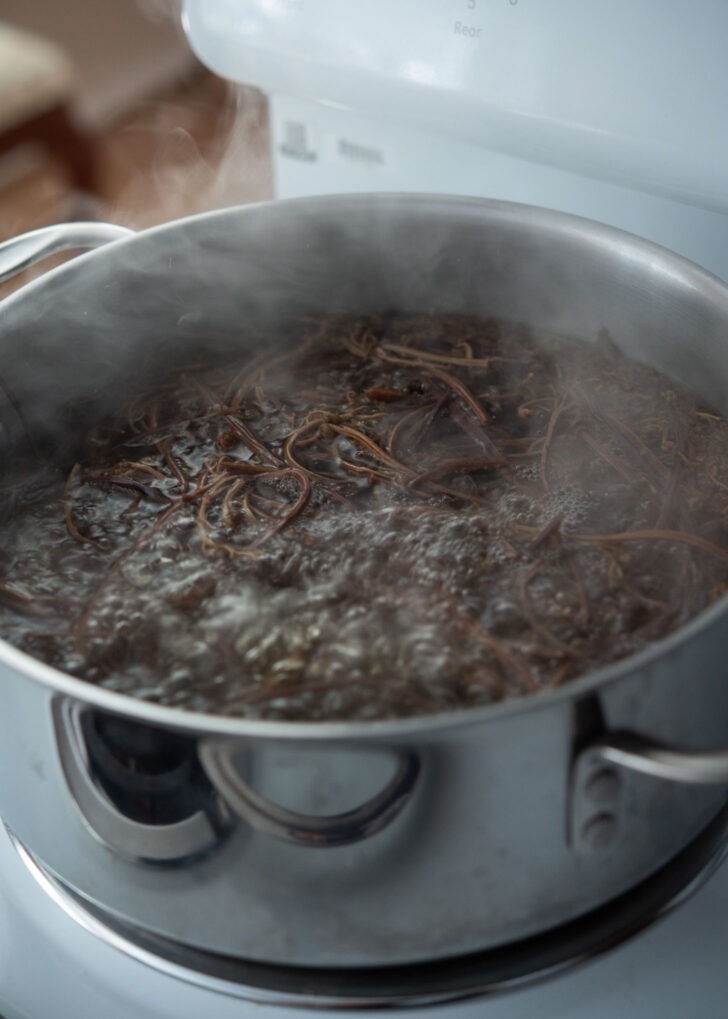
- Thermal Softening: The ferns are placed in a pot and brought to a gentle, sustained simmer. This heat treatment is critical to breaking down the lignin and complex fibers that characterize the dried state.
- The Essential Rest Period: After the simmer, the ferns must rest in the hot cooking water. This phase allows the internal moisture to equalize, preventing the outer layers from becoming mushy while the core remains tough.
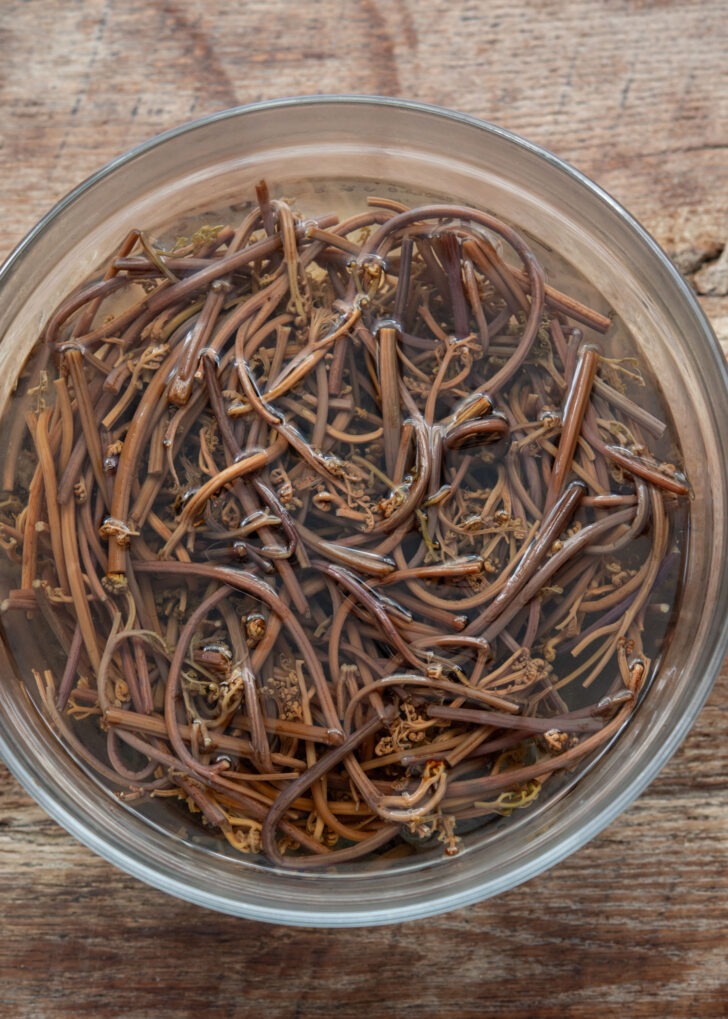
- The Overnight Rehydration: The final stage involves a cold-water soak lasting between 8 and 12 hours. This step is non-negotiable for achieving the desired pliability.
- Quality Control: Professional and home chefs alike evaluate the readiness of the fern by testing the flexibility of the stem. A properly prepared piece should bend without snapping and offer a gentle resistance when chewed.
Culinary Methodology and Flavor Profiles
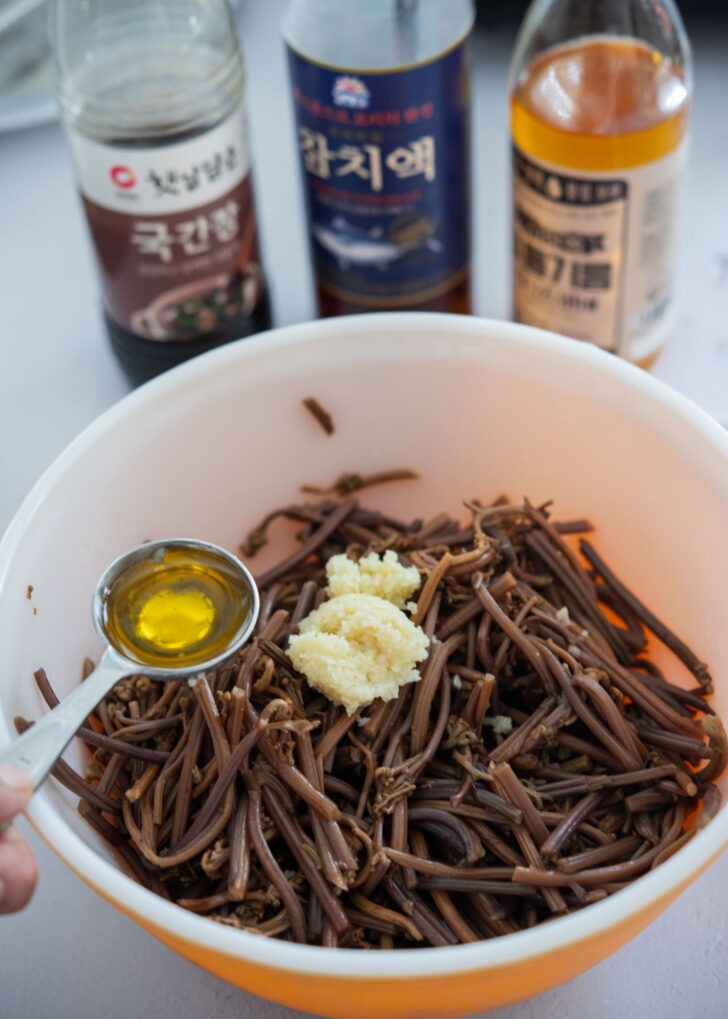
Once the gosari is prepared, the seasoning process is designed to complement its inherent earthy, mushroom-like flavor. The standard preparation involves a combination of aromatics and umami-rich liquids. Essential ingredients include minced garlic, Korean soup soy sauce (guk-ganjang), and perilla oil. Perilla oil is often preferred over sesame oil in this specific dish due to its unique nutty profile, which balances the robustness of the fern.
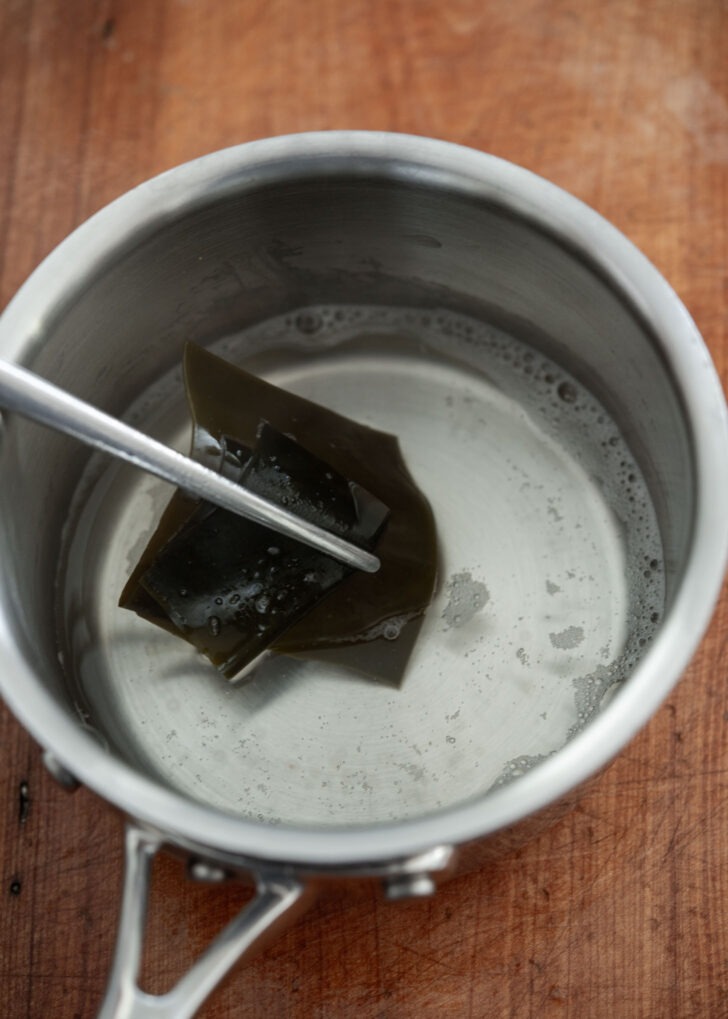
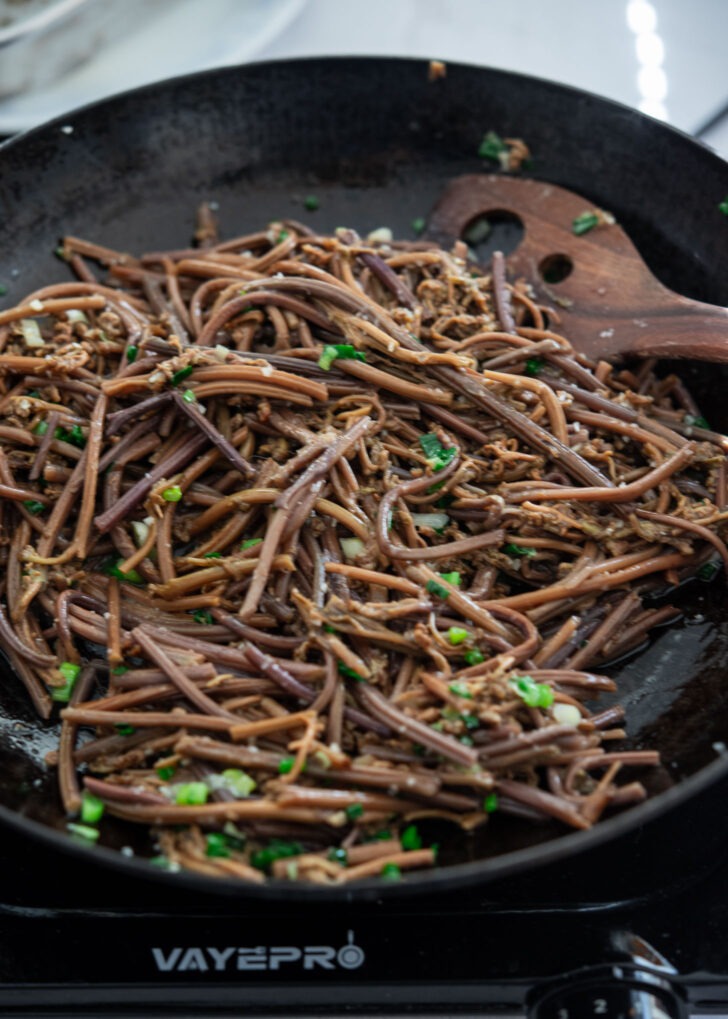
For those seeking to enhance the depth of the flavor, the incorporation of dashima (dried kelp) stock is considered a professional standard. This broth adds a layer of subtle salinity and complexity that permeates the fern strands during the final sauté. The dish is finished by gently stir-frying the seasoned ferns until they are glossy and tender, ensuring they retain sufficient moisture to prevent the fibers from becoming dry or stringy.
Broader Economic and Global Implications
The market for dried gosari has seen consistent demand both domestically in South Korea and within international markets where interest in authentic Korean cuisine is rising. Because the plant must be harvested in the wild and processed with care, it remains a relatively premium product. Variations exist in the quality of the dried product, with Korean-grown varieties often fetching higher prices due to their thinner, more tender stems compared to imported varieties, which may require more extensive rehydration.
From a culinary standpoint, the inclusion of gosari in iconic dishes such as bibimbap (mixed rice) and yukgaejang (spicy beef and vegetable soup) has solidified its status as an essential ingredient in the Korean pantry. Its versatility allows it to function as a standalone banchan or a structural component of a larger, more complex meal.
Expert Guidance on Texture and Consistency
Culinary experts emphasize that the most common error in preparing gosari namul is rushing the rehydration phase. If the stem remains tough after the initial steps, it is recommended to return the ingredients to a fresh pot of water for a secondary, short simmer. The objective is to achieve a texture that is neither mushy nor stringy.
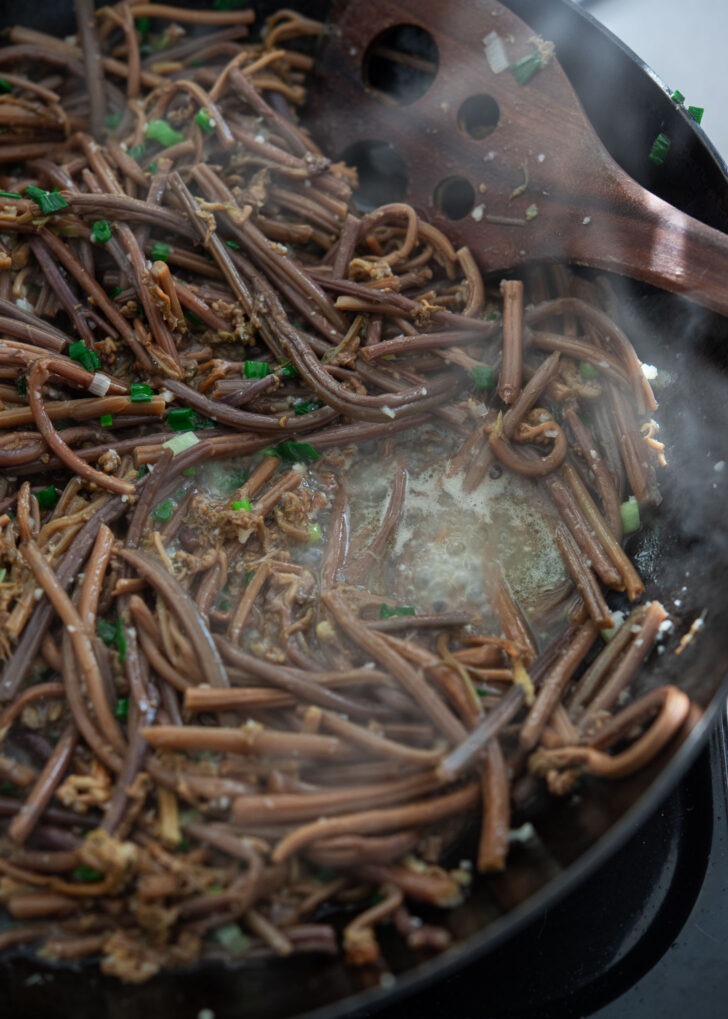
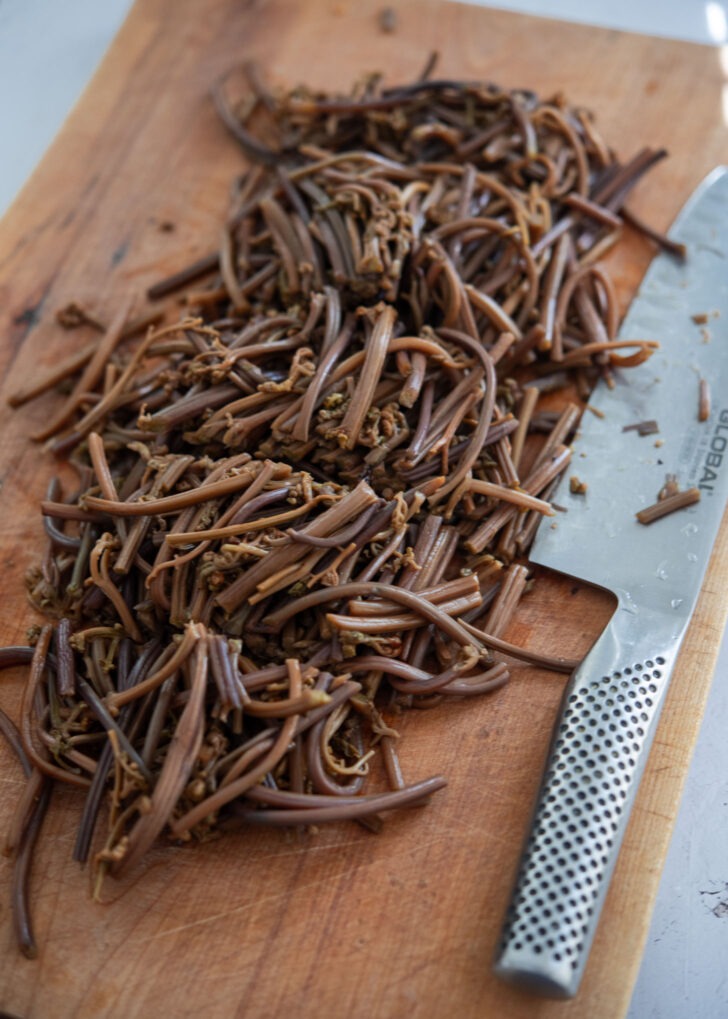
If the dish is being prepared for a large-scale gathering or a traditional ceremony, consistency in cutting is also vital. The fern should be trimmed of any woody, fibrous ends before being cut into uniform, bite-sized lengths. This ensures an even distribution of heat and seasoning during the final stir-fry, resulting in a cohesive presentation.
Conclusion and Future Outlook
As the global culinary landscape continues to diversify, traditional dishes like gosari namul are being re-examined for their nutritional value and sustainability. The dish is a testament to the ingenuity of traditional preservation methods, turning a wild-harvested forest plant into a sophisticated culinary experience. Whether served as part of a ritualistic feast or as a simple, everyday accompaniment to grain bowls, gosari namul remains a vital link to the history and identity of Korean cuisine. For the home cook, mastering the preparation of this humble fern is more than just a recipe; it is an immersion into a centuries-old tradition of patience, respect, and flavor refinement.
