

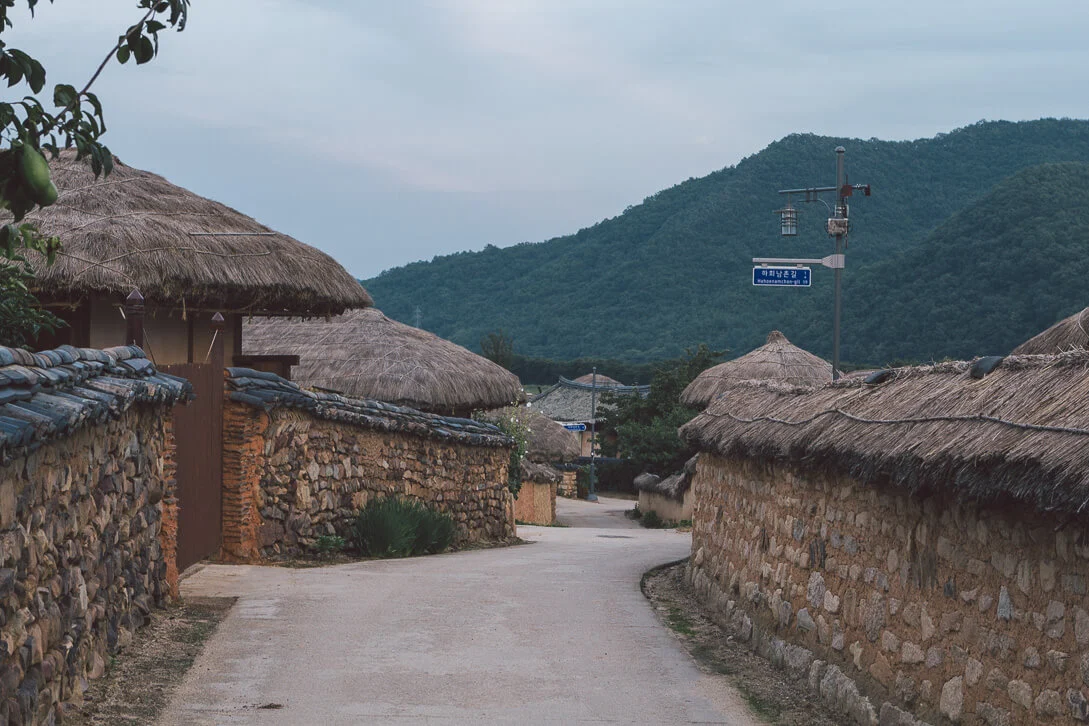
Andong Hahoe Village, located in the Gyeongsangbuk-do province of South Korea, stands as one of the most significant repositories of Joseon Dynasty architecture and Confucian tradition in East Asia. Recognized as a UNESCO World Heritage site since 2010, the village offers a preserved window into the clan-based culture that defined Korean society for centuries. Recent cultural excursions to this historic site underscore its enduring importance, not only as a tourist destination but as a living museum of rural life and architectural evolution.

Historical Context and Architectural Significance
The village of Hahoe derives its name from the Nakdong River, which meanders around the settlement in a distinctive "S" shape, creating a topographical feature known as a "Hahoe" (river-encircling) layout. The village was founded by the Ryu clan of Pungsan during the 16th century and has remained a clan-based village for over 600 years.

The architectural integrity of the site is characterized by the coexistence of two distinct housing styles: the yangban (aristocratic) residences, constructed with tiled roofs, and the chogajip (thatched-roof) homes of the commoners. These structures are built using traditional Korean construction methods, utilizing natural materials such as wood, clay, and rice straw. The village layout adheres strictly to Confucian principles of spatial organization, where the placement of houses relative to the topography and orientation was carefully considered to achieve harmony with the surrounding landscape of mountains and riverbanks.

Chronology of Recognition and Preservation
The preservation of Hahoe Village has been a multi-decade project involving both the South Korean government and international heritage bodies.

- 1984: The village was designated as a National Important Folklore Material (No. 122) by the South Korean government, providing it with legal protection against modern structural encroachment.
- 1999: A pivotal moment for the village occurred when Queen Elizabeth II of the United Kingdom visited the site during her state visit to South Korea. The event significantly raised the international profile of the village, cementing its status as a premier cultural destination.
- 2010: UNESCO officially inscribed Hahoe and Yangdong Historic Villages on the World Heritage List. The organization cited the villages as the most representative examples of clan-based villages in Korea, noting that they reflect the social structure and unique Confucian aristocratic culture of the early Joseon period.
Socio-Economic Dynamics of Rural Heritage Sites
The preservation of Hahoe Village presents a complex set of challenges, particularly regarding the balance between historical authenticity and the requirements of modern tourism. Unlike "folk villages" that are recreated for visitors, Hahoe remains a functioning residential community. Residents continue to occupy many of the historic homes, leading to a unique integration of 21st-century living standards with 16th-century structural constraints.

The economic model of the village has shifted from traditional agriculture to a hybrid economy heavily reliant on cultural tourism. While this transition has ensured the funding necessary for the maintenance of aging structures, it has also necessitated the implementation of strict zoning laws. Modern amenities are largely sequestered to the village periphery to protect the aesthetic integrity of the central district.

From an analytical standpoint, the absence of modern commercial franchises, such as convenience stores or high-rise developments, within the core of the village is a calculated policy choice. By limiting the proliferation of modern retail, the village maintains an atmosphere of "temporal suspension," which is a primary draw for the millions of visitors who travel to the Gyeongsangbuk-do region annually.

Cultural Traditions and Local Gastronomy
The cultural identity of Andong is inextricably linked to its culinary traditions and performing arts. The most notable of these is the Hahoe Byeolsin-gut Talnori, a traditional mask dance drama that originated within the village. These performances were historically performed to appease the village’s tutelary deities and to provide social commentary on the rigid class structures of the Joseon era.

Complementing the cultural landscape is the regional cuisine, most famously Andong jjimdak. This dish, consisting of braised chicken, vegetables, and glass noodles in a savory soy-based sauce, originated in the central markets of Andong. Culinary historians note that the dish emerged in the 1980s as a response to the growing influence of Western-style fried chicken shops, with local merchants combining traditional Korean braising techniques with abundant local produce. The popularity of the dish has since transcended regional borders, becoming a staple of Korean cuisine both domestically and internationally.

The Role of Religious Architecture
Within the village and its surrounding rural landscape, the presence of religious structures often serves as a focal point for architectural discourse. While South Korea is home to a diverse array of religious institutions—ranging from historic Buddhist temples to contemporary Christian churches—the integration of these structures into rural, historic settings is often debated.

In the case of the Hahoe region, the aesthetic placement of religious buildings often mirrors the broader landscape, where the minimalist design of the local churches and traditional temples provides a sense of continuity. Scholars of Korean architecture have noted that when religious structures are designed with sensitivity to the existing vernacular—utilizing similar rooflines or natural stone foundations—they can enhance, rather than detract from, the historical narrative of the site.

Broader Implications for Global Heritage
The case of Andong Hahoe Village serves as a model for the management of historic sites in rapidly developing nations. As South Korea continues to modernize its urban centers, the preservation of sites like Hahoe provides a critical counter-narrative, grounding the national identity in its ancestral roots.

The sustainability of the village depends on the continued cooperation between the Cultural Heritage Administration of Korea, local provincial authorities, and the resident population. The primary implication for the future of the site is the need for "adaptive reuse." As younger generations move toward urban centers like Seoul, finding ways to ensure the village remains a thriving, occupied space—rather than a static, empty museum—will be the defining challenge for the next decade.

Conclusion
Andong Hahoe Village remains a testament to the resilience of Korean traditions. From its early origins as a clan-based settlement to its current status as a UNESCO-protected site, the village has successfully navigated the pressures of modernization. By prioritizing the preservation of its architectural heritage and traditional customs, Hahoe provides an essential service to the global understanding of East Asian history. For observers of cultural heritage, the village is not merely a collection of buildings, but a living record of the social, economic, and religious life of the Joseon Dynasty, offering insights that are as relevant today as they were centuries ago. As tourism to the region continues to expand, the focus remains firmly on protecting the delicate equilibrium that allows this historic village to function, educate, and inspire.
