

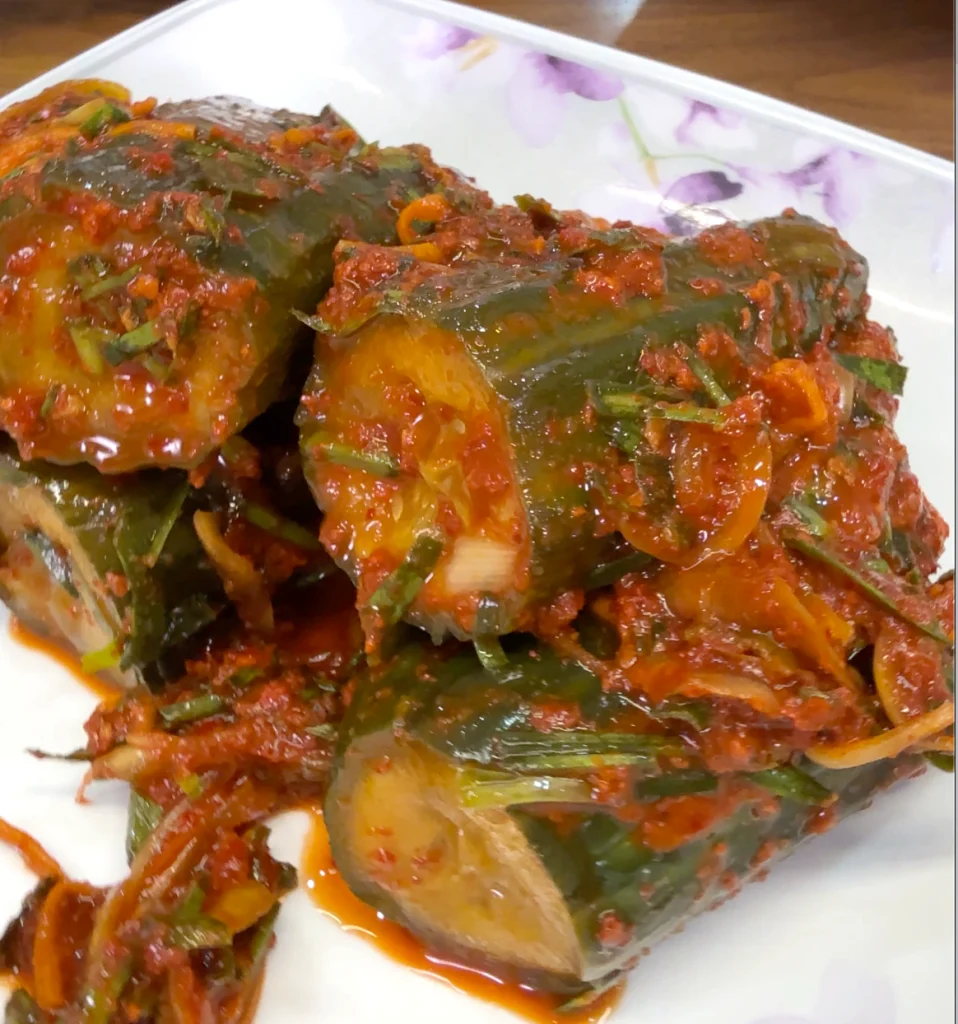
The cultural significance of Oi Sobagi, or Korean cucumber kimchi, extends far beyond its status as a simple side dish. Known for its distinctively crisp texture and refreshing flavor profile, this fermented vegetable preparation is a cornerstone of Korean gastronomy, particularly during the warmer months of the year. While traditional preparations involve intricate techniques, such as stuffing cucumbers with aromatic chives and seasoned chili pastes, the dish has evolved to accommodate contemporary lifestyles, offering both convenience and historical authenticity.
The Historical and Cultural Context of Fermentation
Fermentation has served as a primary method of food preservation in Korea for centuries, necessitated by the country’s distinct seasonal climate. Historically, the practice of kimjang—the communal preparation of large quantities of kimchi—ensured that households had a reliable source of vitamins and probiotics throughout the harsh winter months.
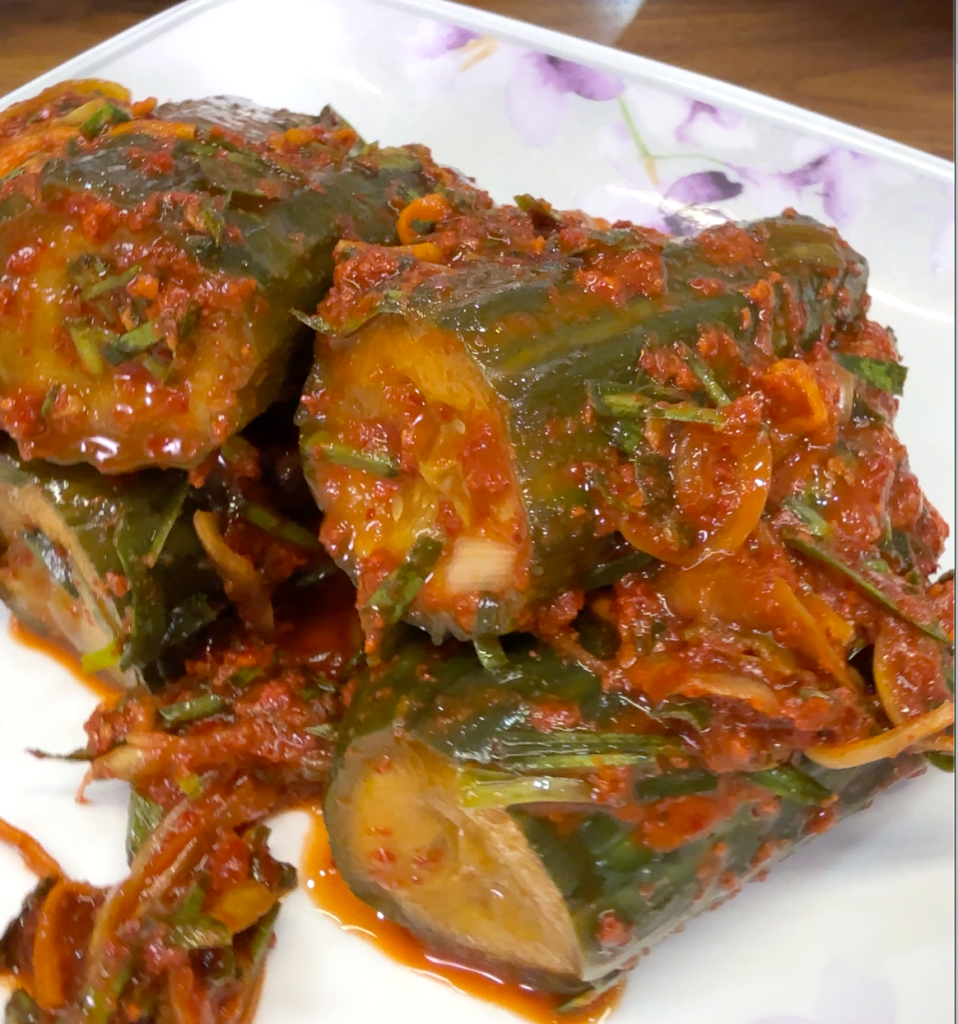
Oi Sobagi occupies a unique position in this timeline. Unlike the more robust napa cabbage kimchi (baechu-kimchi), which is built for long-term storage, cucumber kimchi is characterized by its ephemeral nature. Because of the high water content and delicate structure of cucumbers, the fermentation process is significantly accelerated. Consequently, it is regarded as a "fresh" kimchi, typically consumed within a short window of time to maintain its signature crunch. Traditionally, the dish was a seasonal favorite, utilized as a cooling agent during the sweltering heat of the Korean summer, providing a savory, spicy, and hydrating addition to a meal.
Culinary Methodology and Technical Considerations
The preparation of Oi Sobagi is a study in precision and ingredient selection. To achieve the ideal result, culinary experts emphasize the importance of selecting specific cucumber varieties. The Korean cucumber, known for its thin skin and minimal seed cavity, is the gold standard for this dish. When such varieties are unavailable, English cucumbers or kirby cucumbers serve as suitable alternatives due to their structural integrity and lower water content compared to standard garden cucumbers.
The process typically begins with a crucial brining stage. By soaking the cucumbers in a concentrated saline solution, moisture is drawn out of the vegetable, which serves two purposes: it creates a firmer, crunchier texture and prevents the final dish from becoming watery as the salt and spices penetrate the flesh.

Following the brining, the seasoning profile is constructed. The fundamental components include gochugaru (Korean red chili powder), which provides the heat and vibrant color; garlic; ginger; and a savory element, most commonly anchovy fish sauce or salted shrimp (saeujeot). These ingredients provide the depth of umami necessary to balance the inherent sweetness of the fresh cucumber.
Modern Adaptations and Kitchen Efficiency
In the modern culinary landscape, there has been a noticeable shift toward simplifying the preparation of Oi Sobagi. While the traditional method involves slicing the cucumber in a cross-pattern to create a "pocket" for stuffing, many home cooks have transitioned to a "bite-sized" approach. By cutting the cucumbers into uniform, smaller pieces before seasoning, the labor-intensive stuffing process is bypassed entirely. This adaptation has made the dish more accessible to a global audience, allowing for a faster transition from preparation to the dinner table without sacrificing the essential flavor profile.
For those adhering to traditional aesthetics, however, the stuffing method remains preferred for formal presentations. This technique highlights the visual contrast between the bright green skin of the cucumber and the vivid red filling, showcasing the artisanal nature of the preparation.

The Science of Storage and Fermentation Control
The fermentation of cucumber kimchi is a volatile process that requires careful management. Because it ferments much faster than other varieties, storage conditions are critical. In contemporary Korean households, the use of specialized kimchi refrigerators is common. These appliances are engineered to maintain a constant, precise temperature that slows down the activity of lactobacillus bacteria, thereby extending the shelf life of the product while maintaining its flavor profile.
For those without access to specialized refrigeration, the use of airtight containers—ideally those with vacuum-seal technology—is recommended to mitigate the impact of oxygen exposure. Oxygen encourages the growth of unwanted microorganisms that can lead to rapid softening of the vegetable. Properly compressed, with as little air space as possible, the kimchi can be preserved for several weeks. However, experts advise that after approximately one month, the structural integrity of the cucumber begins to decline, resulting in a mushy texture that is generally considered past its prime.
Nutritional Implications and Global Popularity
The global rise of Korean cuisine has brought items like Oi Sobagi into the mainstream, fueled by a growing interest in probiotic-rich foods. Fermented vegetables are widely recognized for their role in gut health, providing beneficial bacteria that aid in digestion and immune function. Furthermore, the inclusion of ingredients like garlic and ginger adds significant anti-inflammatory properties to the dish.

From a nutritional standpoint, the calorie count of cucumber kimchi remains low, while the concentration of vitamins A and C, provided by the chili peppers and fresh cucumbers, remains high. This makes it an ideal side dish for those seeking to incorporate more fermented foods into a balanced diet.
Market Trends and Equipment Evolution
The commercial availability of tools designed to facilitate kimchi making has seen a sharp increase in the last decade. Companies have introduced dedicated fermentation vessels that feature inner vacuum lids to simulate the conditions of onggi—the traditional, breathable earthenware jars used for centuries. These modern containers are designed to manage the gases produced during the fermentation cycle, preventing the "potency" of the fermentation process from overwhelming the domestic environment.
Additionally, the availability of high-quality, authentic ingredients, such as coarse sea salt harvested from the Sinan islands and premium-grade anchovy fish sauce, has become increasingly accessible through global e-commerce platforms. This ease of access has empowered home cooks outside of Korea to replicate the authentic taste of Oi Sobagi with high success rates.

Conclusion and Future Outlook
As the global palate continues to diversify, the presence of Oi Sobagi on international menus is likely to grow. Its ability to serve as both a palate cleanser and a robust flavor enhancer positions it well within the modern culinary trend of "functional food." Whether prepared in the traditional stuffed style for a celebratory meal or as a quick, chopped side dish for a weeknight dinner, the dish remains a testament to the enduring nature of Korean fermentation traditions.
For those embarking on the process of making Oi Sobagi for the first time, the primary takeaway is the importance of patience during the brining phase and the necessity of temperature control during storage. By respecting the chemical nature of the ingredients and utilizing modern storage solutions, any home cook can successfully integrate this vibrant, crunchy, and healthful dish into their regular repertoire, ensuring that the legacy of this seasonal staple continues to thrive in kitchens around the world.
