

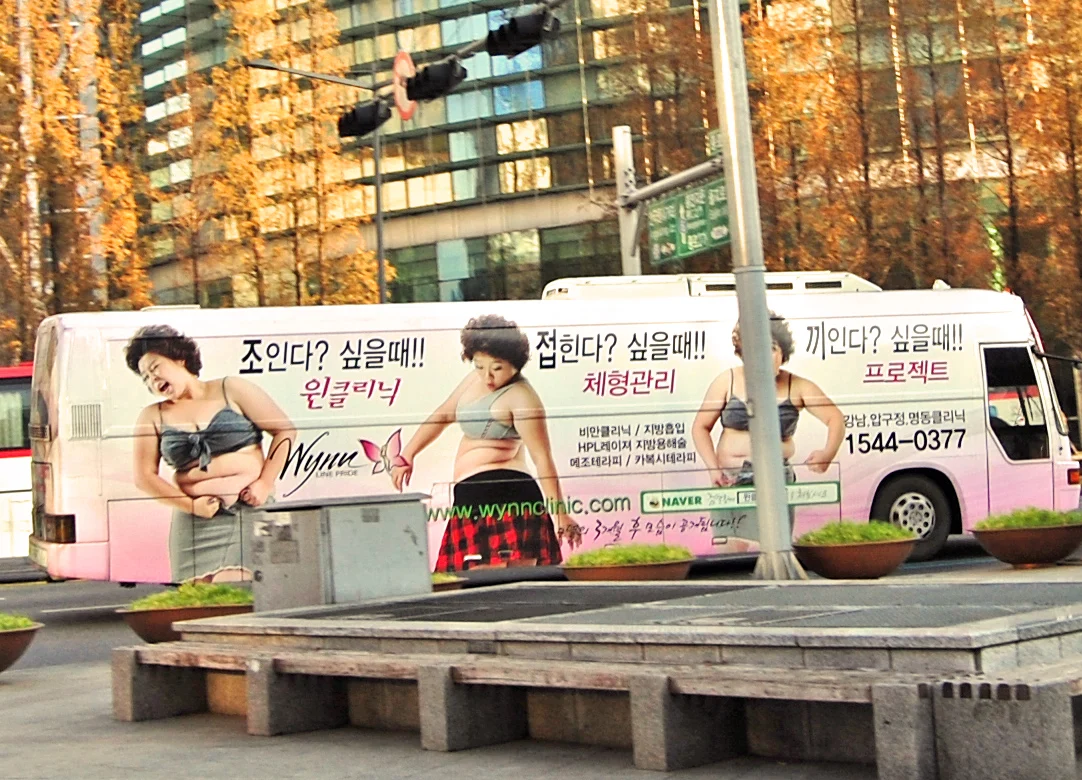
The global standard for official identification, particularly for passports, mandates that photographs remain an accurate, unaltered representation of an individual’s physical appearance. However, expatriates residing in South Korea frequently encounter a unique phenomenon: the automatic, often unrequested, digital enhancement of government-mandated photographs. In a nation where the beauty industry is deeply integrated into daily life, photo studios and automated kiosks have standardized the practice of "beautification"—thinning jawlines, enlarging eyes, and smoothing complexions—even for documents intended for international travel. This practice has sparked a debate regarding the tension between local cultural norms and the strict requirements of international security protocols.

The Cultural Context of Aesthetic Enhancement
South Korea is widely recognized as the global capital of cosmetic enhancement, with the highest per-capita rate of plastic surgery in the world. According to data from the International Society of Aesthetic Plastic Surgery (ISAPS), the cultural emphasis on appearance is profound, influencing everything from job application requirements to social interactions. In the Korean professional sphere, it is not uncommon for employers to request a "resume photo" that adheres to high aesthetic standards. Consequently, the photo service industry has evolved to meet this demand by providing high-level digital retouching as a standard service rather than a premium add-on.
When foreign residents enter these establishments or utilize local photo kiosks for passport renewal, they are often subjected to these local defaults. For many, the result is a jarring departure from their actual appearance. The digital intervention typically includes "skin smoothing," which removes natural textures like freckles or scars, and facial contouring, which alters bone structure to better align with prevailing local beauty ideals.
Chronology of a Passport Renewal Incident
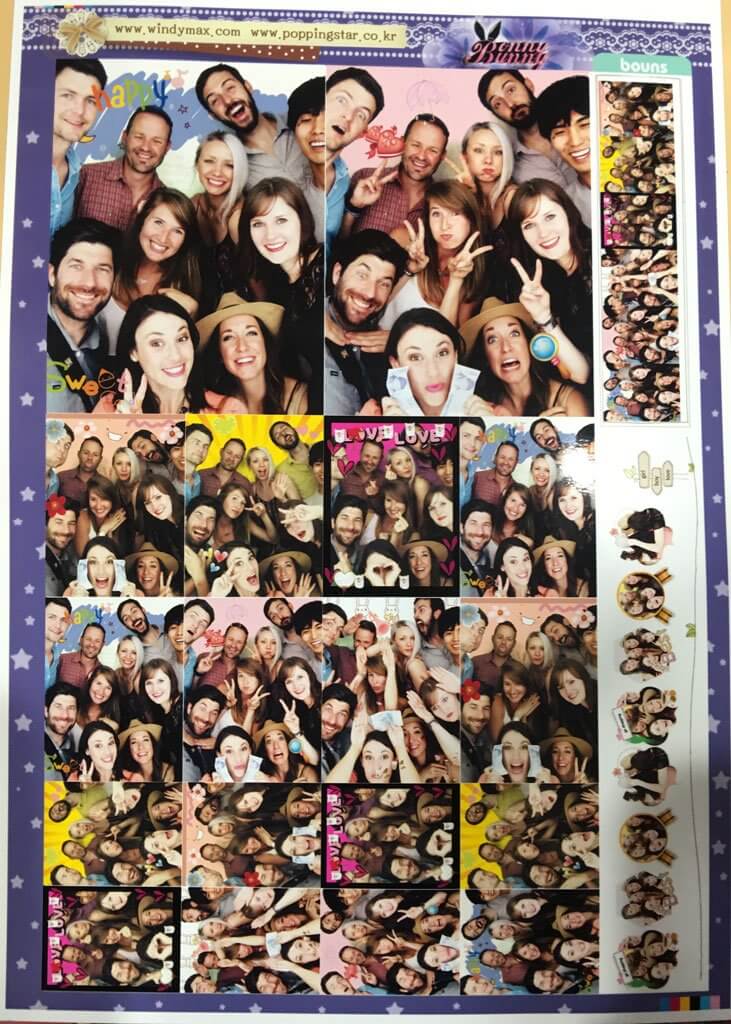
The experience of one U.S. citizen navigating this process in Seoul illustrates the systemic nature of the issue. After receiving a rejection for a personal passport photo due to incorrect sizing, the individual utilized a photo booth located within the U.S. Embassy in Seoul. Despite the controlled environment of an embassy-sanctioned facility, the resulting images were heavily processed.
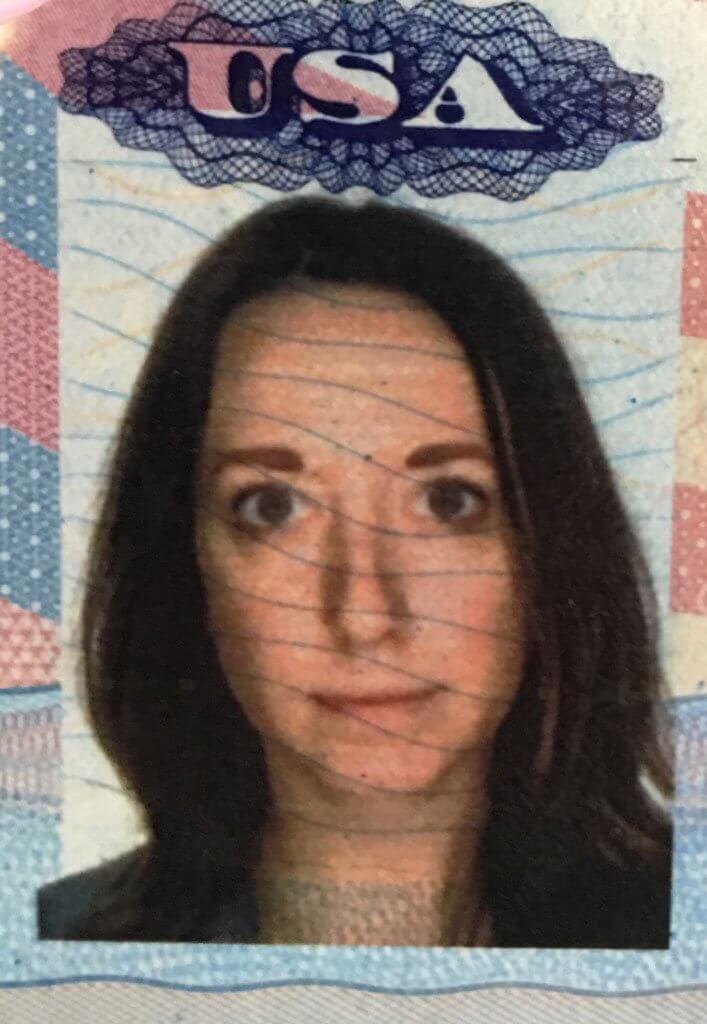
Upon reviewing the images, the subject noted significant alterations: the shading around the nose was adjusted to mimic professional contouring, the eyes appeared larger, and the skin tone was unnaturally uniform. While the U.S. Embassy ultimately accepted these photos for the final document, the discrepancy between the subject’s real-world appearance and the government-issued image raised concerns about potential border control complications. This experience is mirrored by numerous other expats, who have reported similar encounters ranging from amused confusion to genuine concern regarding their ability to clear international customs.
Comparative Case Studies: Expats and Altered Identity
The trend is not limited to isolated incidents. A cohort of expatriates in South Korea has documented their struggles with these "beautified" photos.
- Katie, an educator in Korea: After having photos taken at a professional studio, she discovered her facial features had been fundamentally altered. The studio removed her natural forehead wrinkles and dark circles while reshaping her mouth and nose. Her experience highlights a common theme: the photographers often consider these adjustments an act of professional courtesy or a standard element of "quality" service.
- Laura, an expatriate student: When she attempted to have professional photos taken for an Alien Registration Card, she found her jawline and neck had been thinned without her consent. Her attempt to request an "unaltered" version was met with confusion from the staff, who viewed the request as counterintuitive to the purpose of a portrait.
- Shelley, a world traveler: During a global tour, Shelley and her husband discovered that their Korean-processed passport photos had undergone significant retouching. Their concern peaked while crossing the border into Israel—a region with heightened security scrutiny. Though they were questioned, the interaction was ultimately attributed to regional geopolitical tensions rather than their photographs, yet the incident underscored the risks associated with non-compliant identification.
The Security Implications and Official Standards
The International Civil Aviation Organization (ICAO), which sets the standards for passports worldwide, is clear on the matter: photographs must be an "accurate representation" of the holder. The U.S. Department of State’s guidelines for passport photos explicitly state that the image must be a clear likeness and that digital manipulation, including the removal of blemishes or the use of filters, is strictly prohibited.
When a photo booth or studio applies algorithmic beauty filters, it risks violating these security requirements. If a photograph is sufficiently altered, it can potentially lead to "false rejection" at automated biometric gates, where facial recognition software matches the traveler’s live image against the stored digital file. While many expats have reported that their altered photos have not yet caused them to be denied entry into other nations, experts in border security warn that the risk of administrative delays or questioning remains a valid concern.
Broader Socio-Economic Impact
The prevalence of this practice reflects a societal obsession with "image" that permeates the South Korean economy. For the local population, these enhancements are viewed as a positive, value-added service. However, for the international community, the lack of a "raw" option in many studios creates a cultural disconnect.
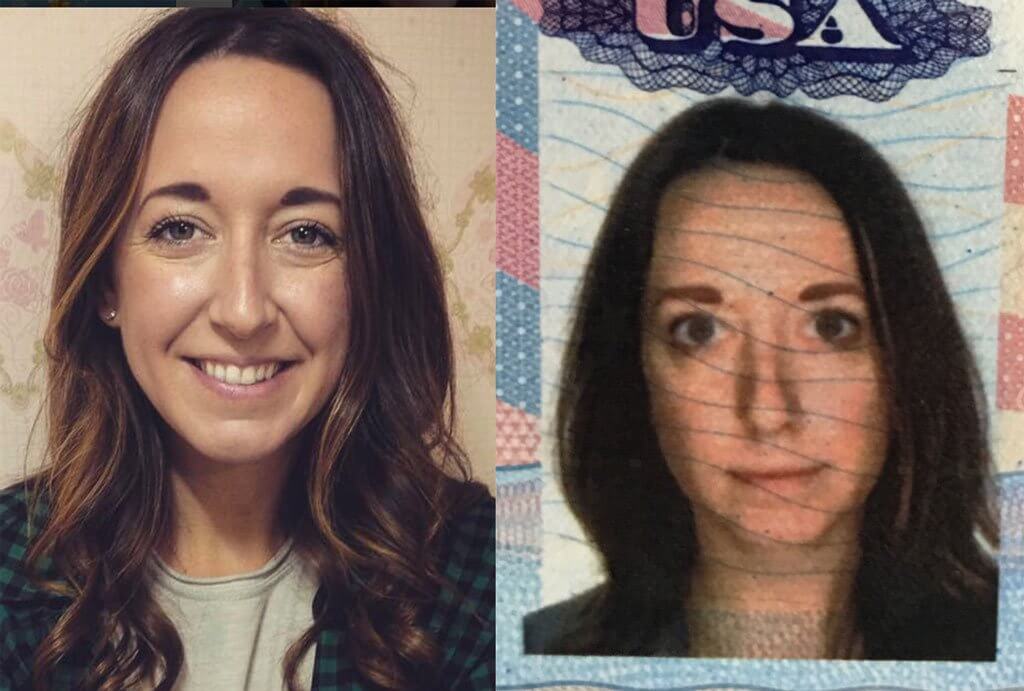
The economic pressure to look perfect is so ingrained that even in sectors where accuracy is paramount, such as government documentation, the impulse to "improve" the subject remains. For the average traveler, this results in a decade-long commitment to an identity document that, while aesthetically pleasing by local standards, may not reflect the reality of the passport holder.
Conclusion and Recommendations
The situation in South Korea serves as a fascinating case study on the intersection of cultural aesthetics and bureaucratic requirements. While the digital retouching provided by Korean studios is rarely intended to deceive, it fundamentally conflicts with the purpose of a passport: to provide an objective, verifiable identity.

For those currently residing in South Korea or other regions with similar cultural norms, the recommendation is to seek out photography services that explicitly guarantee "raw" or "untouched" files. Should a traveler find themselves in possession of a significantly altered photo, it is advisable to keep the original, unedited digital files as a secondary form of identification, or to seek an alternative source for photos that comply strictly with international standards. As facial recognition technology becomes increasingly sophisticated at international borders, the necessity for accurate, unmanipulated identity documentation will only become more critical, regardless of local beauty trends.
