

The Evolution of Culinary Preservation
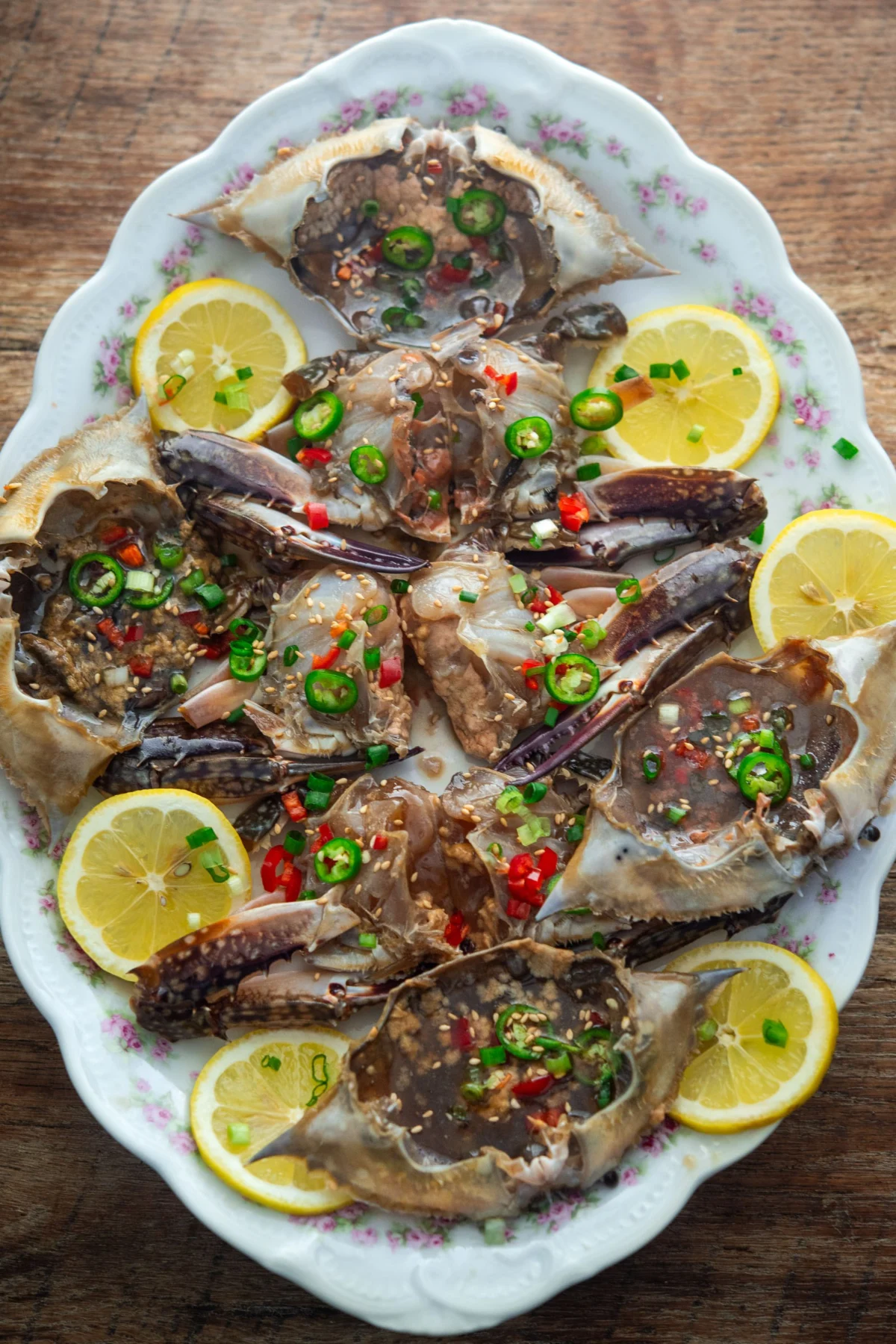
The practice of marinating raw crustaceans in soy sauce, known as Ganjang Gejang, is a cornerstone of Korean seafood preparation, dating back several centuries. Originally developed as a means of extending the shelf life of highly perishable crab meat, the dish relies on the osmotic pressure of a concentrated saline-soy solution to draw moisture out of the crab meat while simultaneously curing it.
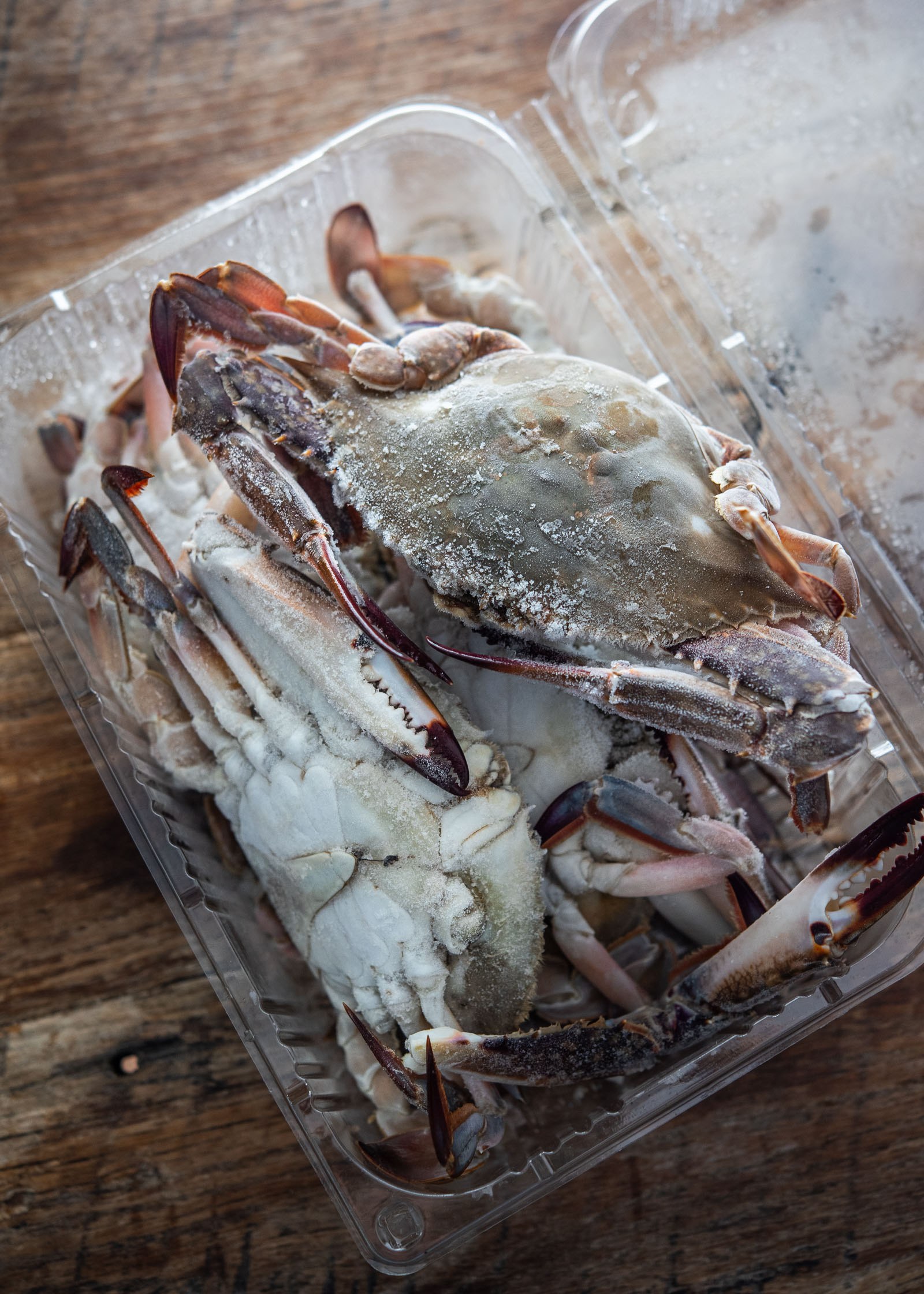
Historically, the dish was restricted by the biological cycles of the crab—specifically the migration and spawning patterns of the blue crab (Portunus trituberculatus). The autumn season was traditionally favored for male crabs due to their firm, succulent meat, while the spring was prized for female crabs containing rich, golden roe. Modern advancements in flash-freezing technology have effectively decoupled this dish from the calendar. By freezing the crustaceans at the point of capture, the integrity of the delicate proteins is maintained, allowing for the preparation of Ganjang Gejang throughout the year without compromising safety or texture.
Scientific and Culinary Parameters
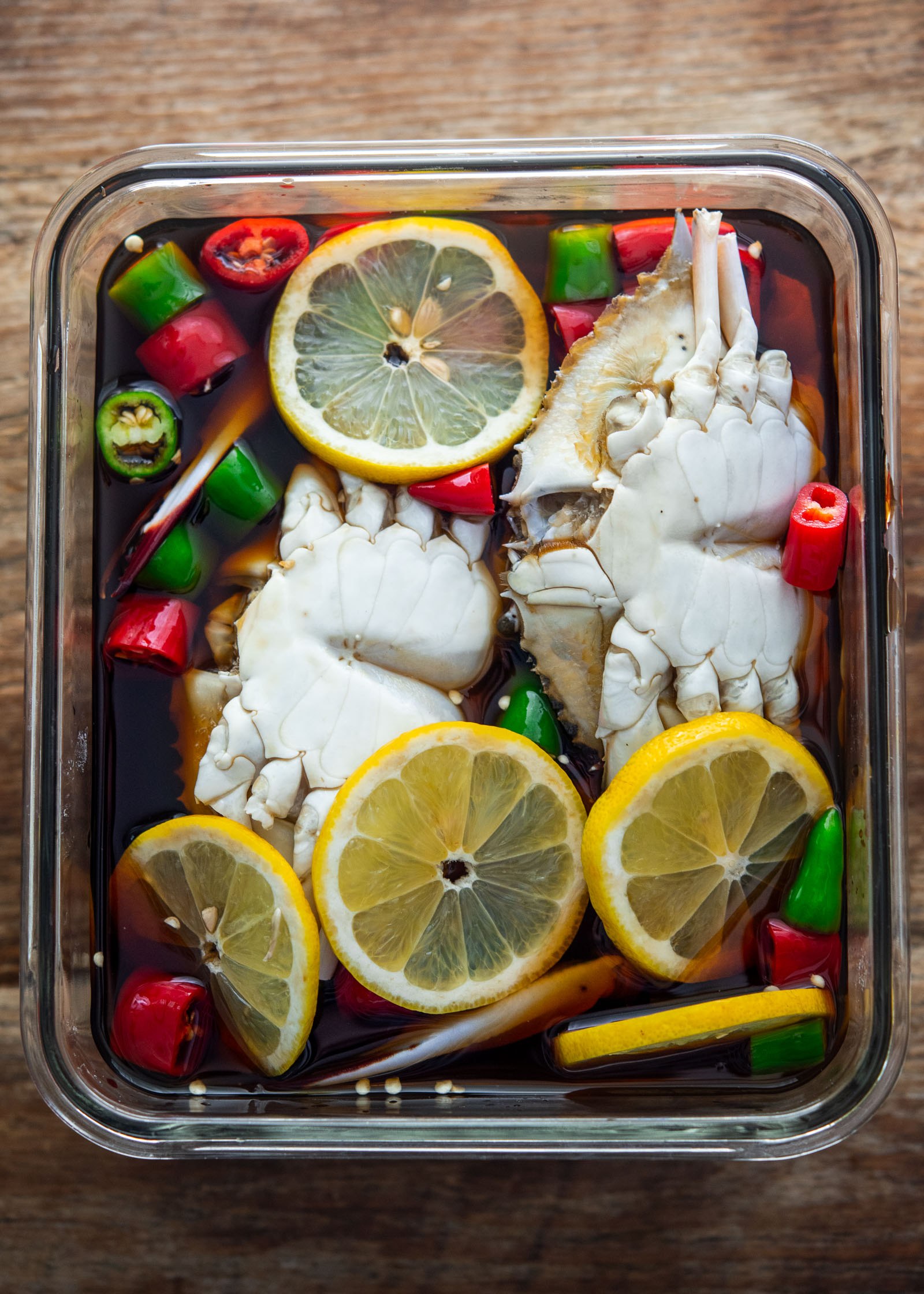
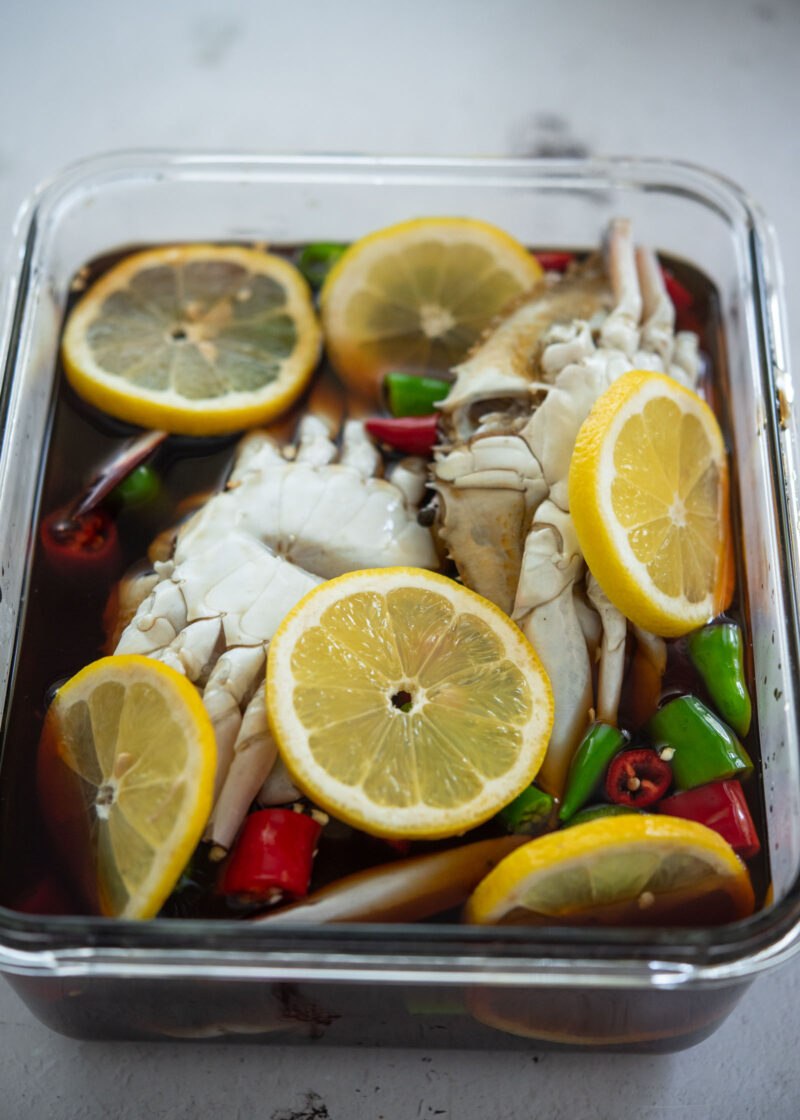
The preparation of Ganjang Gejang is governed by strict temperature and timing requirements to ensure both flavor development and food safety. The marinade typically consists of a kelp-infused soy base, often fortified with Korean tuna sauce, sweet rice wine, and aromatics such as garlic, onion, and chili. The chemical process involves a 24-hour marination cycle for whole, shell-on crabs, which allows the savory compounds of the brine to permeate the dense, sweet muscle tissue of the crustacean.
Data indicates that the "rice thief" moniker, or bap-doduk, is more than a cultural idiom; it reflects the dish’s unique flavor profile. The high sodium and amino acid content of the marinade triggers a strong gustatory response, necessitating the consumption of plain, warm white rice to balance the intensity of the flavor. Nutritional analyses show that while the dish is high in protein, the sodium content is significant, often exceeding 9,000mg per standard preparation, necessitating portion control.
Public Health and Regulatory Considerations
The consumption of raw seafood carries inherent risks, including exposure to pathogens such as Vibrio parahaemolyticus and various parasites. Public health authorities, including the Korean Ministry of Food and Drug Safety, consistently issue guidance regarding the handling of raw marinated seafood.
The primary defense against foodborne illness in the preparation of Ganjang Gejang is the maintenance of a strict cold chain. The crab must be kept at or below 4°C (40°F) throughout the thawing, cleaning, and marinating process. Furthermore, it is a clinical consensus that individuals with compromised immune systems, including pregnant women, young children, and the elderly, should abstain from consuming raw crustacean products regardless of the marination method. The marination process itself, while effective at altering the texture of the meat, is not a sterilization process and does not eliminate the risk of bacterial contamination present in the raw product.
Economic and Cultural Significance
The popularity of Ganjang Gejang has surged internationally alongside the broader "Hallyu" or Korean Wave. Regional hubs, particularly those along the west coast of the Korean Peninsula, have developed a robust tourism industry centered around the consumption of this dish. During peak seasons, specialized restaurants report significant economic activity, with consumer demand for high-quality, roe-bearing female crabs driving premium market prices.
The shift toward using frozen, pre-cleaned, and pre-cut crabs has democratized the dish, allowing it to move from a labor-intensive restaurant specialty to a viable home-cooking project. Retailers have responded by offering vacuum-sealed, cleaned crab kits, which reduce the barrier to entry for home cooks who might otherwise be intimidated by the anatomical complexity of cleaning a whole, raw crab.
Standardized Preparation Procedures
Modern culinary standards for the dish follow a specific, reproducible sequence:
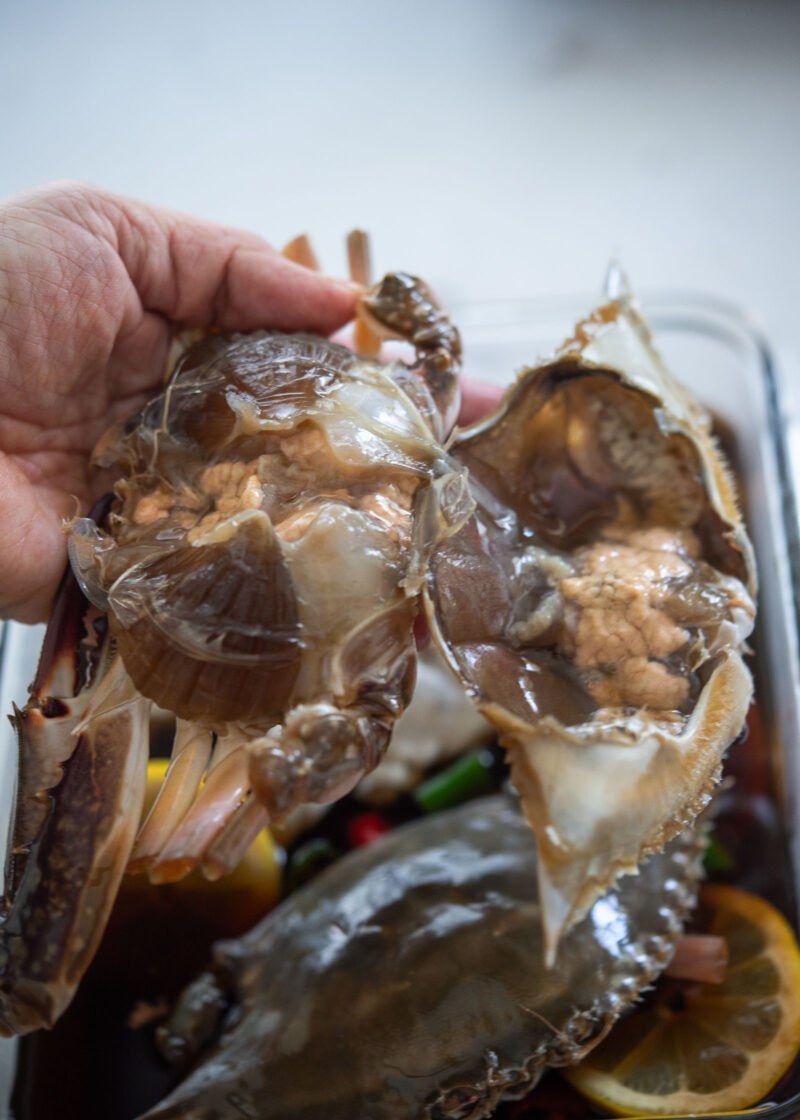
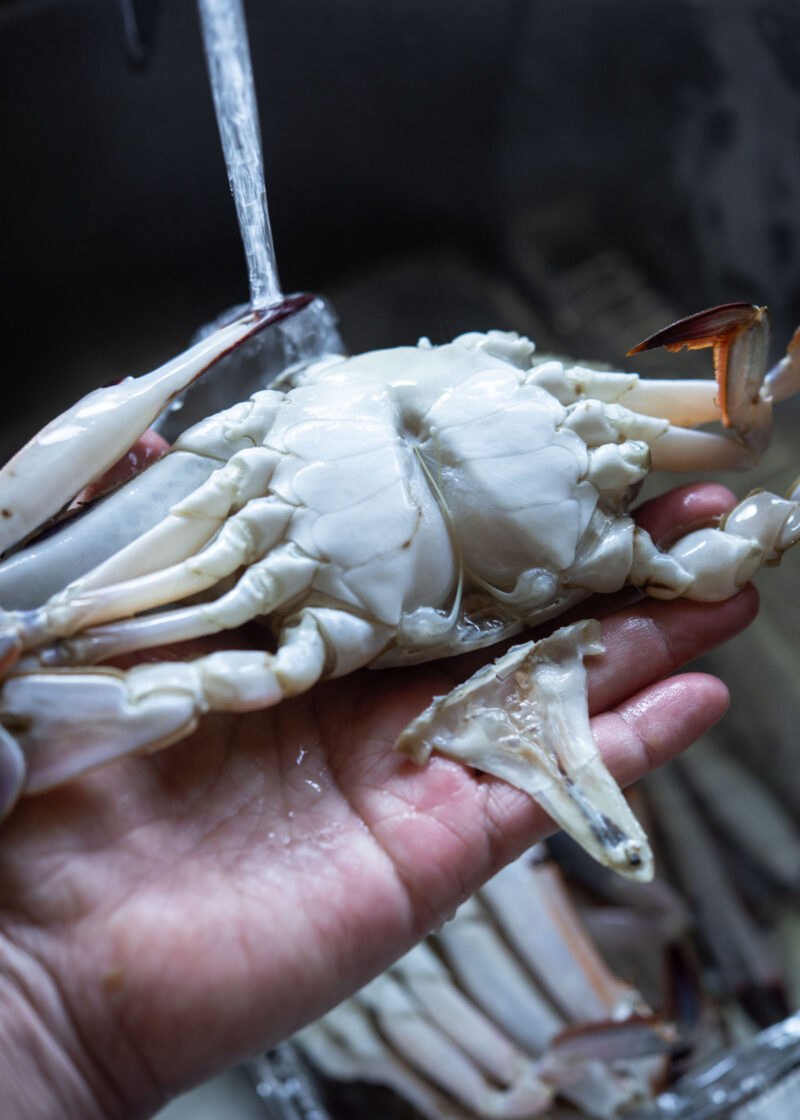
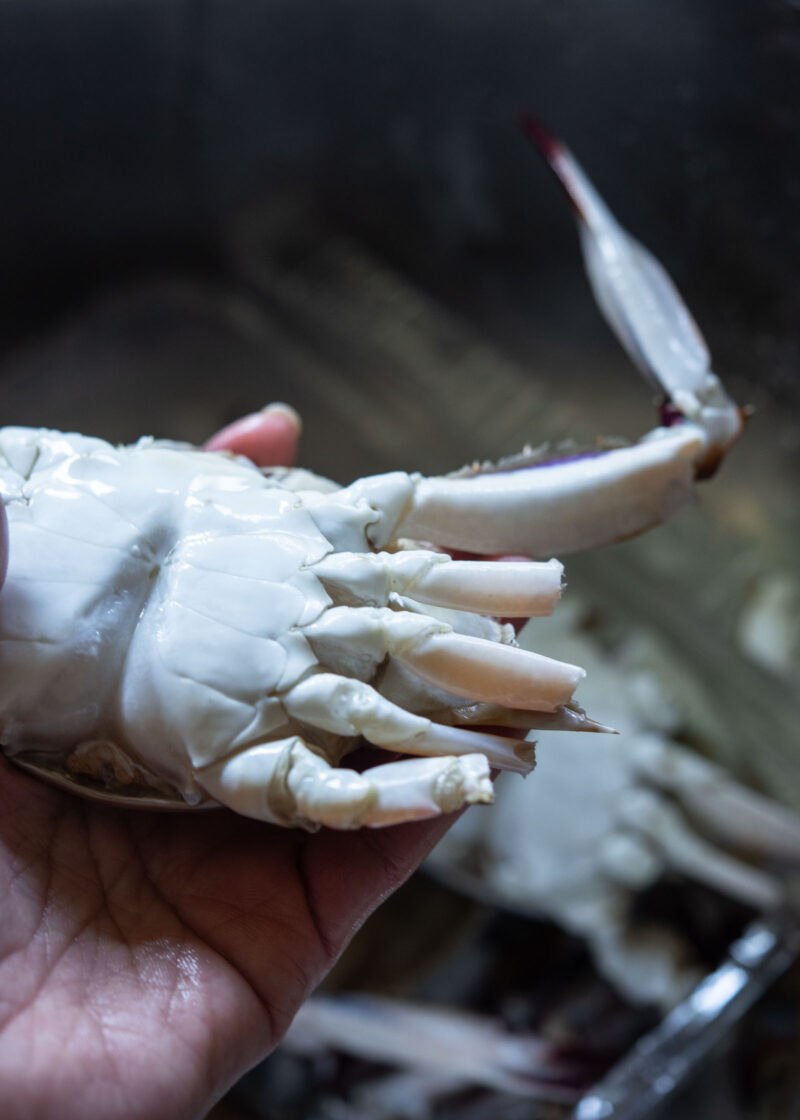
- Cleaning and Sanitization: Frozen crabs are rinsed under cold, running water. The abdominal apron is removed—a critical step for hygiene—and the shell is scrubbed with a dedicated brush. The tips of the legs are removed, as they contain negligible meat and can harbor debris.
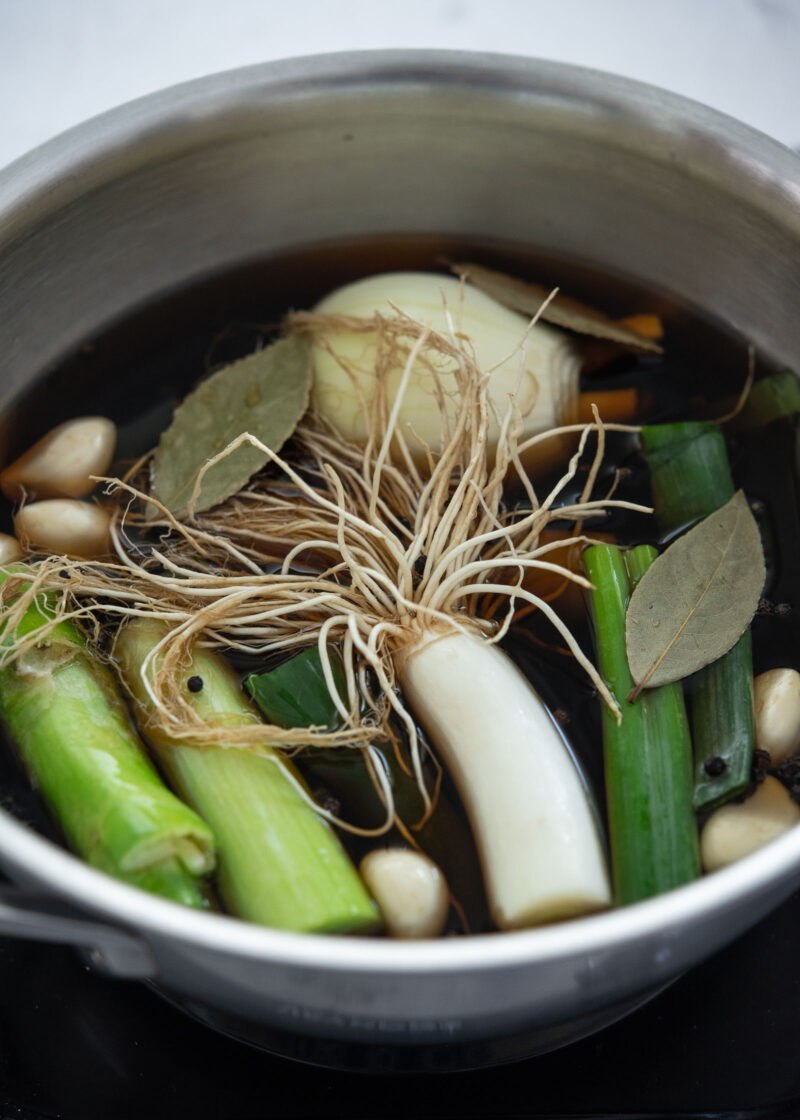
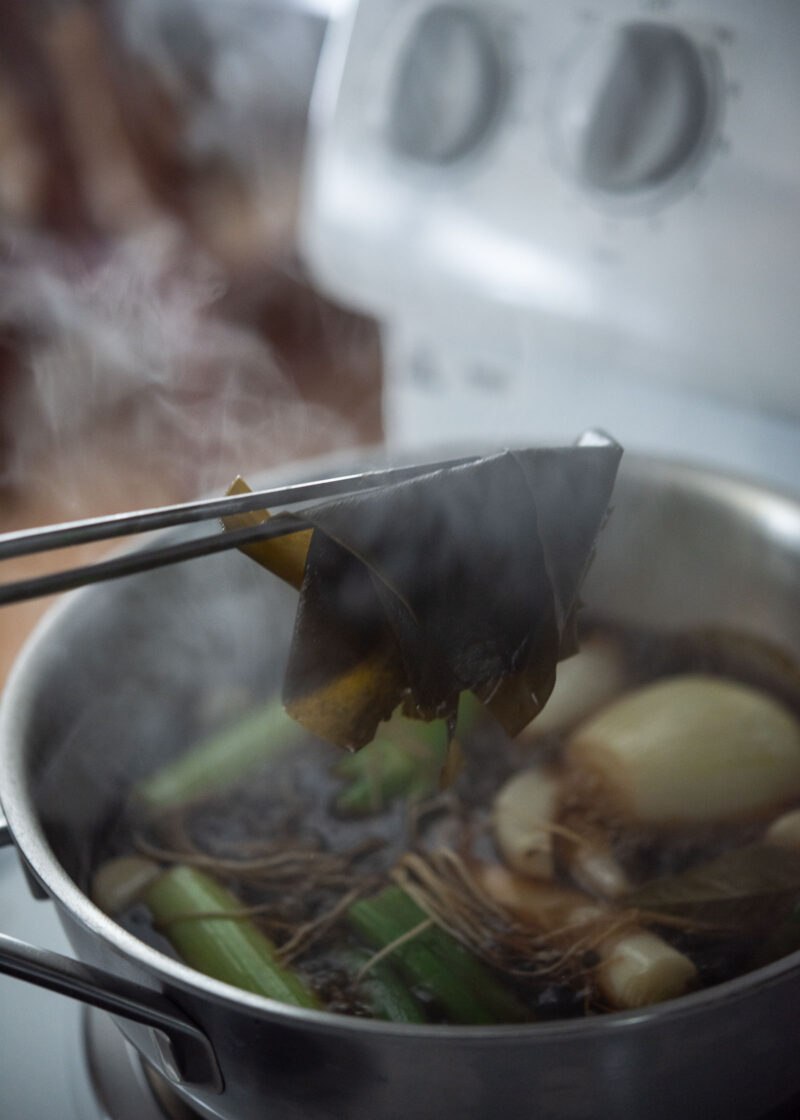
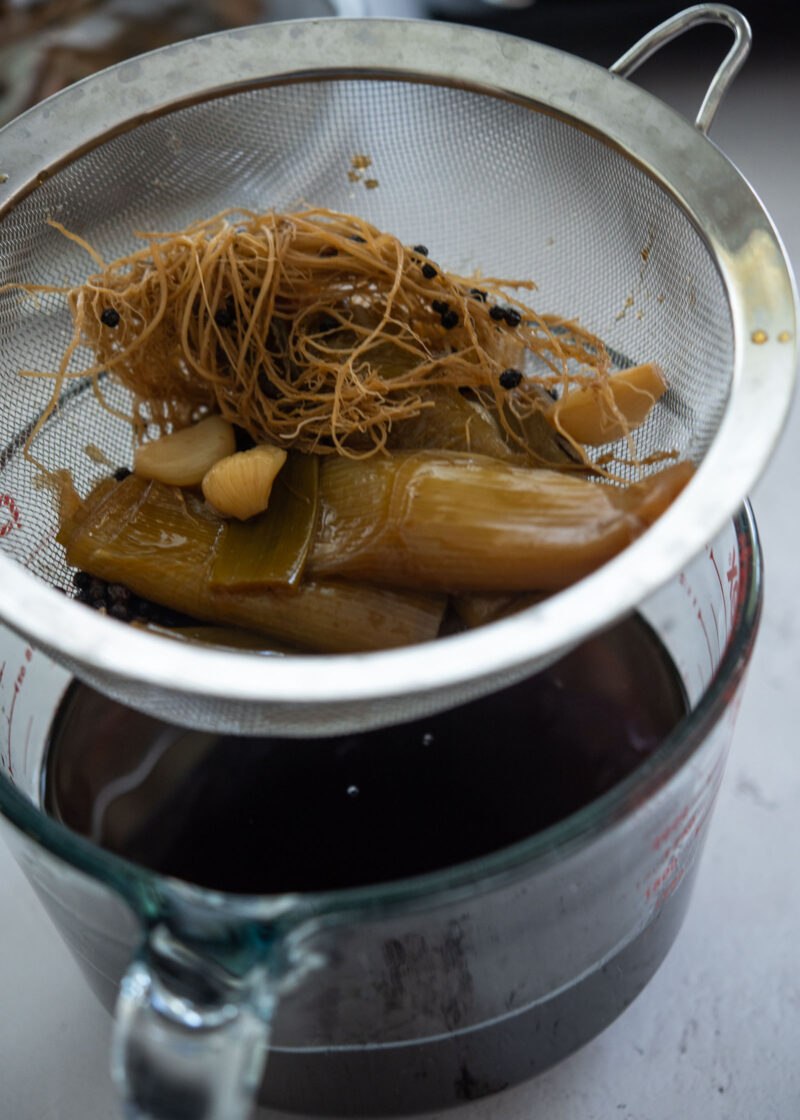
- Marinade Formulation: The brine is prepared by boiling dried kelp, soy sauce, and aromatics. This stage serves to neutralize the raw aroma of the seafood and infuse the liquid with complex savory notes.
- Chilling: The marinade must be completely cooled before being poured over the raw crab. The use of heat at any point after the crab is added would effectively cook the meat, altering the intended sashimi-like texture.
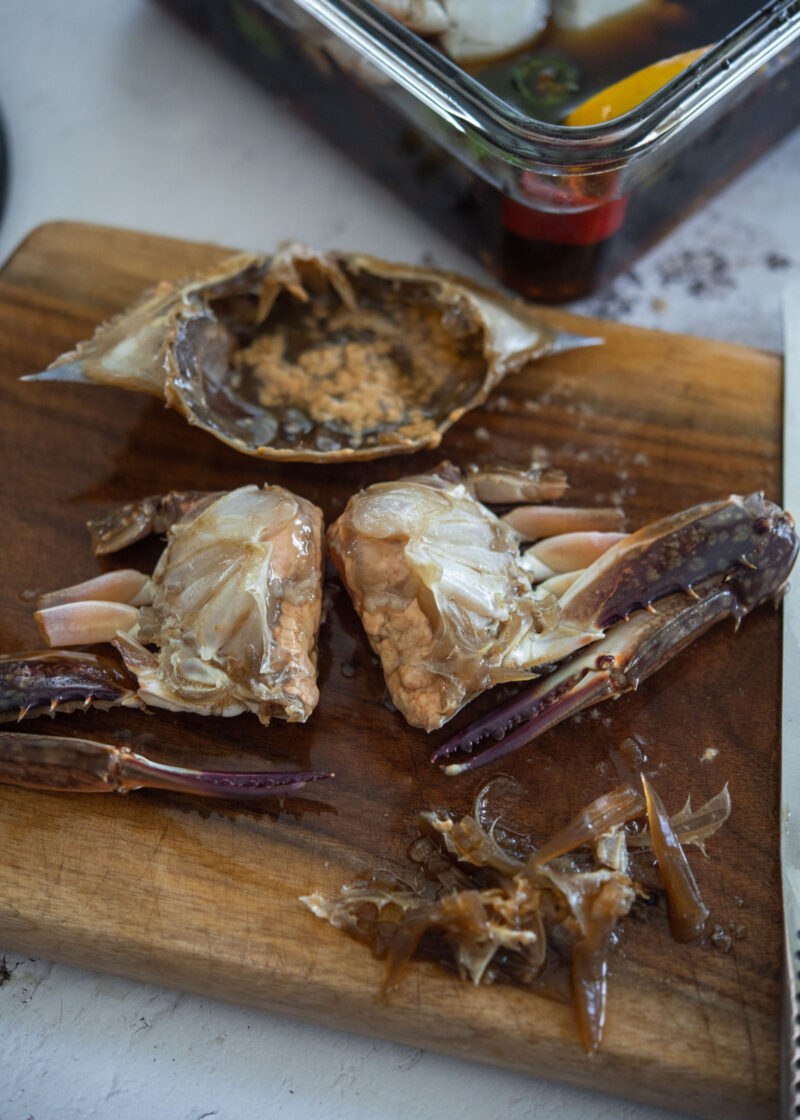
- Maturation: The marinating time is calculated based on the physical state of the crab. While whole crabs require up to 24 hours to achieve flavor equilibrium, halved or segmented crabs may reach this state in as little as 12 hours due to the increased surface area exposed to the brine.
Analysis of Future Trends
The trend toward "DIY" or home-prepared Ganjang Gejang is expected to continue as supply chains for frozen, high-quality seafood become more efficient. Furthermore, there is an ongoing movement within the culinary community to experiment with lower-sodium variants of the traditional soy marinade, as consumers become increasingly health-conscious.
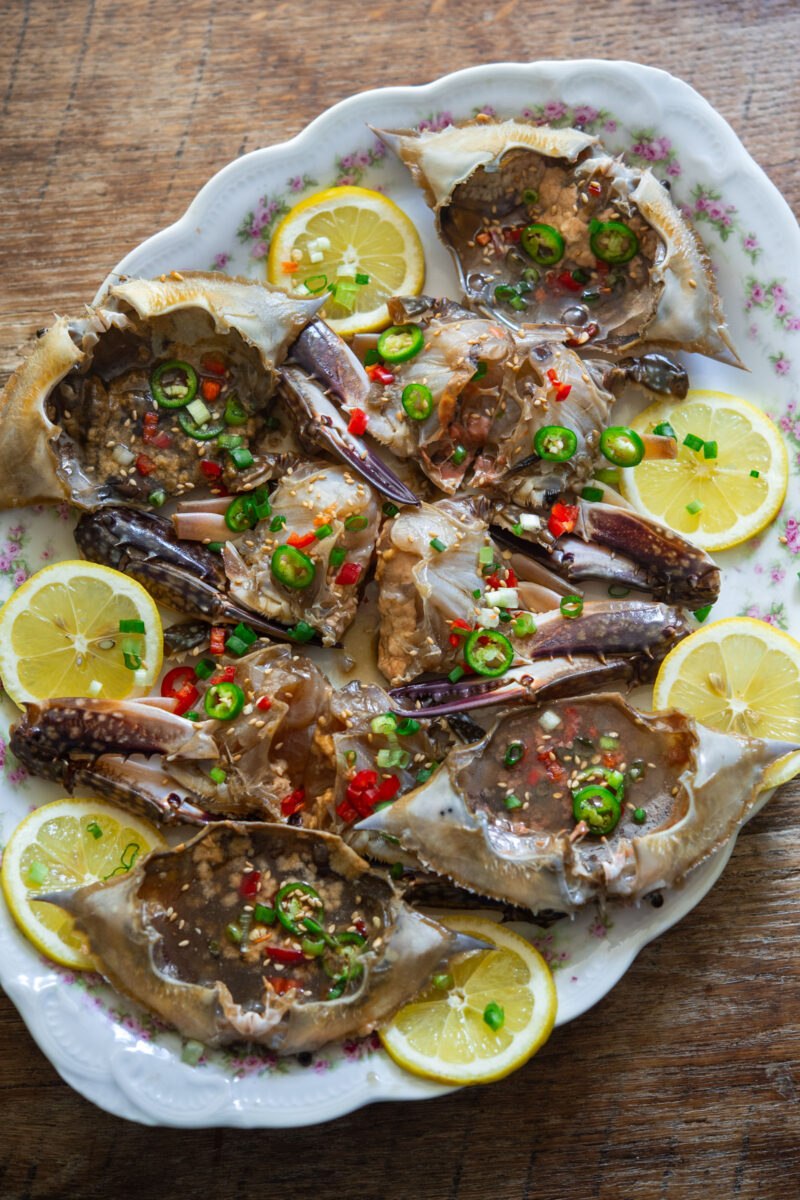
However, the core identity of the dish remains tied to its traditional roots. Whether served in a Michelin-starred establishment in Seoul or a domestic kitchen, the ritualistic consumption—mixing rice directly into the crab shell—remains an essential component of the dining experience. As the global palate continues to embrace fermented and raw preparations, the importance of maintaining rigorous food safety standards while preserving the authentic, labor-intensive craft of Ganjang Gejang will be paramount for its continued growth in international markets.
The ongoing discourse among food scientists and traditional chefs emphasizes that while innovation in packaging and sourcing is beneficial, the foundational techniques—careful sourcing, precise temperature control, and the balance of salty, sweet, and umami flavors—remain the defining characteristics of a high-quality product. As consumers continue to seek authentic cultural experiences through food, Ganjang Gejang stands as a testament to the longevity of traditional preservation techniques when adapted to modern lifestyles.
