

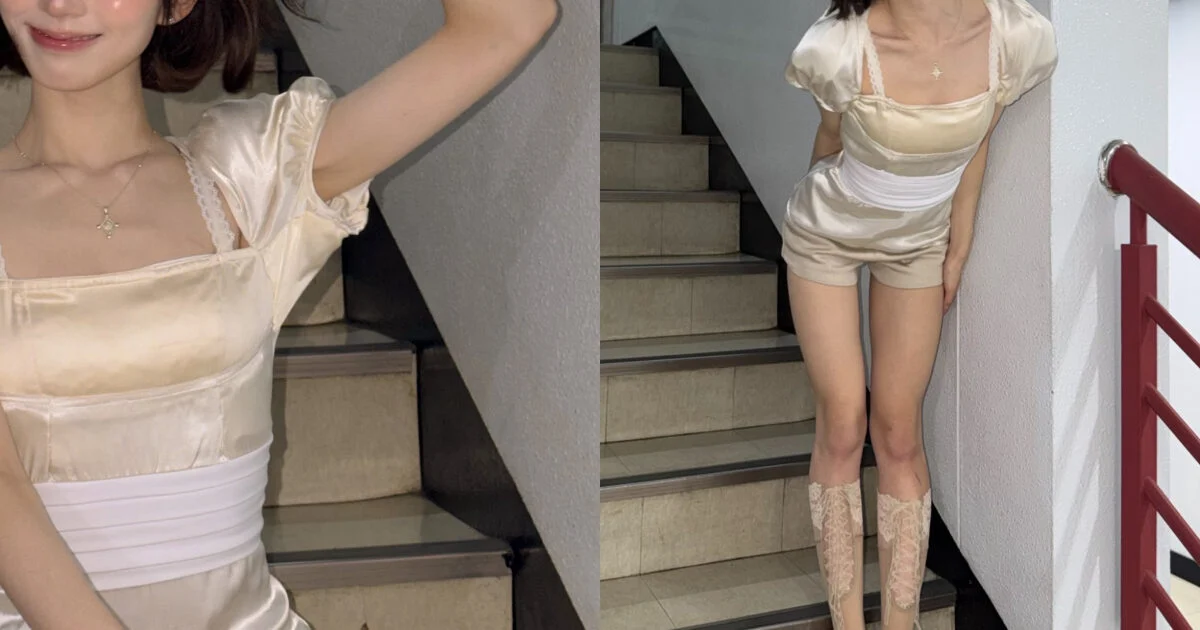
The entertainment industry and public forums have recently turned their attention toward Haewon, a prominent member of the South Korean multinational girl group NMIXX, following a notable and rapid shift in her physical appearance. On October 26, 2026, official updates shared across the group’s verified social media channels showcased the singer sporting a freshly styled short bob haircut. However, rather than the hairstyle alone commanding public discourse, it was her visibly slender and fragile frame that immediately triggered widespread discussion. The stark contrast in her physical presentation compared to her previous promotional cycles has ignited a polarized debate among netizens, fans, and cultural observers regarding K-pop idol standards, rigorous touring schedules, and public health concerns within the entertainment sector.
Chronology of Recent Public Appearances and Visual Updates
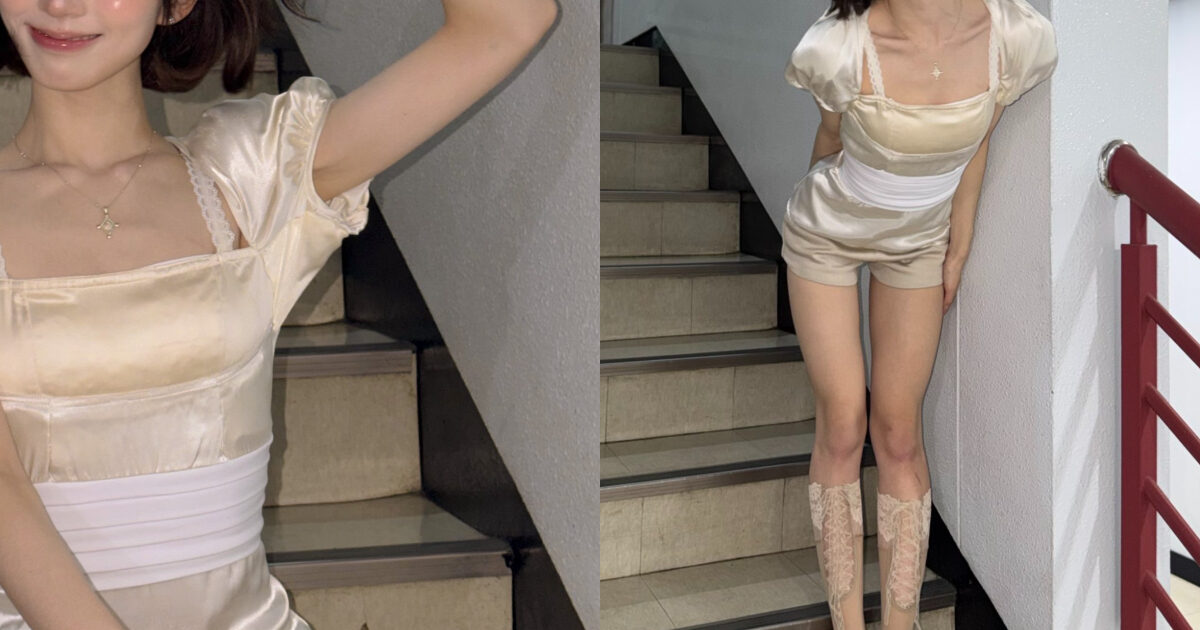
The discourse surrounding Haewon’s appearance began escalating in late October 2026 as NMIXX ramped up their promotional commitments and social media presence. On October 22, 2026, fan-captured media and short clips—such as those shared by prominent fan archives like @maru_ohw on social media platforms—first hinted at a streamlined silhouette. Observers on community boards noted that her jawline appeared sharper and her overall stature significantly diminished.
The conversation reached a peak a few days later, on October 26, when high-resolution promotional imagery and selfies were uploaded to NMIXX’s official accounts. The photographs, intended to highlight her new bob haircut, instead drew intense scrutiny toward her frail and thin figure. Within hours, screenshots of these posts were cross-posted to popular South Korean online communities, most notably Instiz, where netizens amassed thousands of views and comments debating the underlying causes and visual implications of her transformation. This rapid online traction underscores the intense magnifying glass under which fourth-generation K-pop idols operate, where minute changes in styling or weight are instantly analyzed by global fandoms.

Industry Context and the Pressures of K-Pop Visual Standards
To understand the public’s divided reaction, one must examine the broader context of body image standards within the South Korean pop music industry. K-pop idols are notoriously subjected to rigorous visual expectations, which often involve strict dietary regimens, intensive choreography practices, and relentless promotional schedules.
NMIXX, managed by SQU4D (a subsidiary of JYP Entertainment), debuted in February 2022 and has since maintained a punishing schedule comprising album releases, global showcases, festival appearances, and variety show tapings. The physical toll of maintaining a high-energy performance style—often characterized by complex, high-impact choreography paired with stable live vocals—frequently leads to significant fluctuations in weight among members. While agencies typically coordinate professional management teams to oversee health and nutrition, the intersection of intense public scrutiny and demanding career milestones often places artists in a delicate balancing act between physical endurance and aesthetic expectations.

Divided Public Responses and Netizen Reactions
The emergence of Haewon’s leaner physique has sharply divided the public, reflecting broader societal anxieties about health versus aesthetic norms in entertainment.
On one side of the spectrum, a segment of netizens expressed profound concern, arguing that the singer’s weight loss has crossed the threshold from standard idol maintenance into a cause for genuine worry. Comments across platforms like Instiz highlighted her frail appearance, with several users expressing heartache and questioning whether her demanding schedule or personal stress contributed to the rapid change. These voices frequently advocate for greater protective measures by talent agencies, emphasizing that the physical and mental well-being of artists should supersede visual conformity.
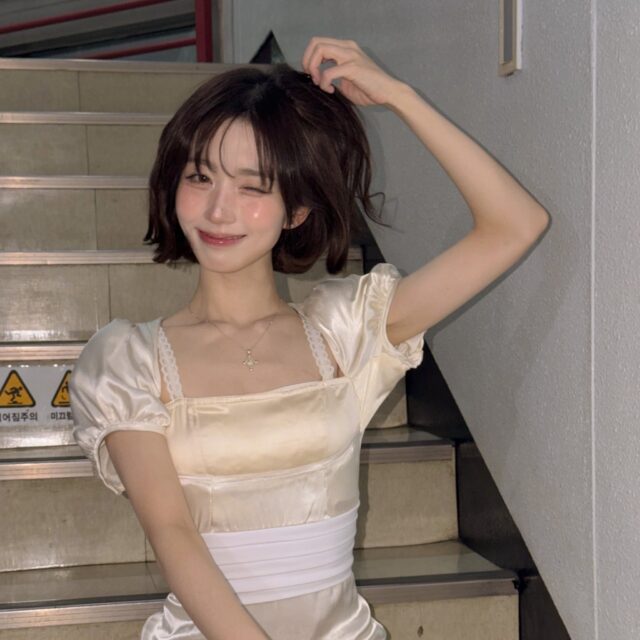
Conversely, another faction of the fandom and general public defended Haewon, suggesting that the visual shift could be attributed to a combination of styling choices, natural metabolic changes, the slimming effect of a short bob haircut, and the rigorous caloric expenditure inherent to active idol promotions. Supporters argued that public commentary should refrain from diagnosing or policing artists’ bodies based strictly on promotional photographs, which can be influenced by lighting, angles, and makeup. Furthermore, some pointed out that criticism—even when framed as concern—can place undue psychological pressure on the artist.
Broader Implications for Agency Accountability and Fandom Culture
The ongoing dialogue surrounding Haewon’s recent appearance transcends an isolated celebrity gossip cycle, touching upon vital conversations regarding agency accountability and the ethics of fandom culture in the digital age.
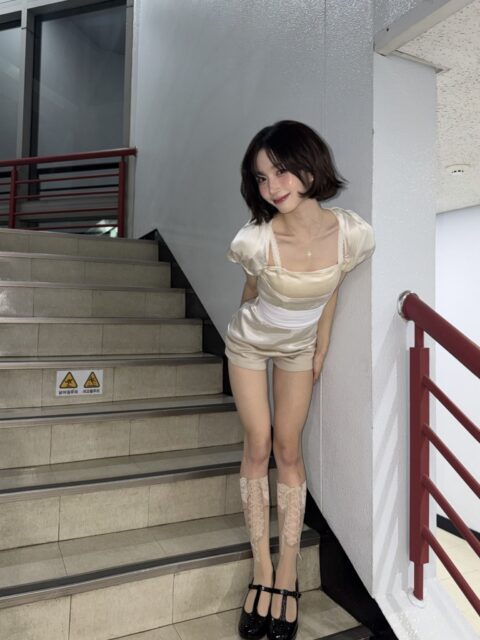
Talent management agencies in South Korea face mounting pressure from international and domestic consumer bases to transparently prioritize artist health. Incidents where idols display drastic physical transformations often prompt renewed calls for comprehensive medical evaluations, mandatory rest periods, and transparent communication from labels regarding artist welfare. When agencies remain silent during periods of intense public speculation, it frequently opens a vacuum filled by rumors and unwarranted concern.
Simultaneously, the situation underscores the evolving nature of fandom culture. While fan communities serve as vital support systems and promotional engines for groups like NMIXX, the hyper-fixation on physical metrics can sometimes cross boundaries into invasive surveillance. Navigating this delicate equilibrium requires a concerted effort from both agencies—through proactive health communication—and fans, by fostering a culture that celebrates musical artistry and performance capability above transient physical standards. As NMIXX continues its active promotions, the conversation sparked by Haewon’s visuals serves as a poignant reminder of the heavy invisible labor borne by performers in the global spotlight.
