

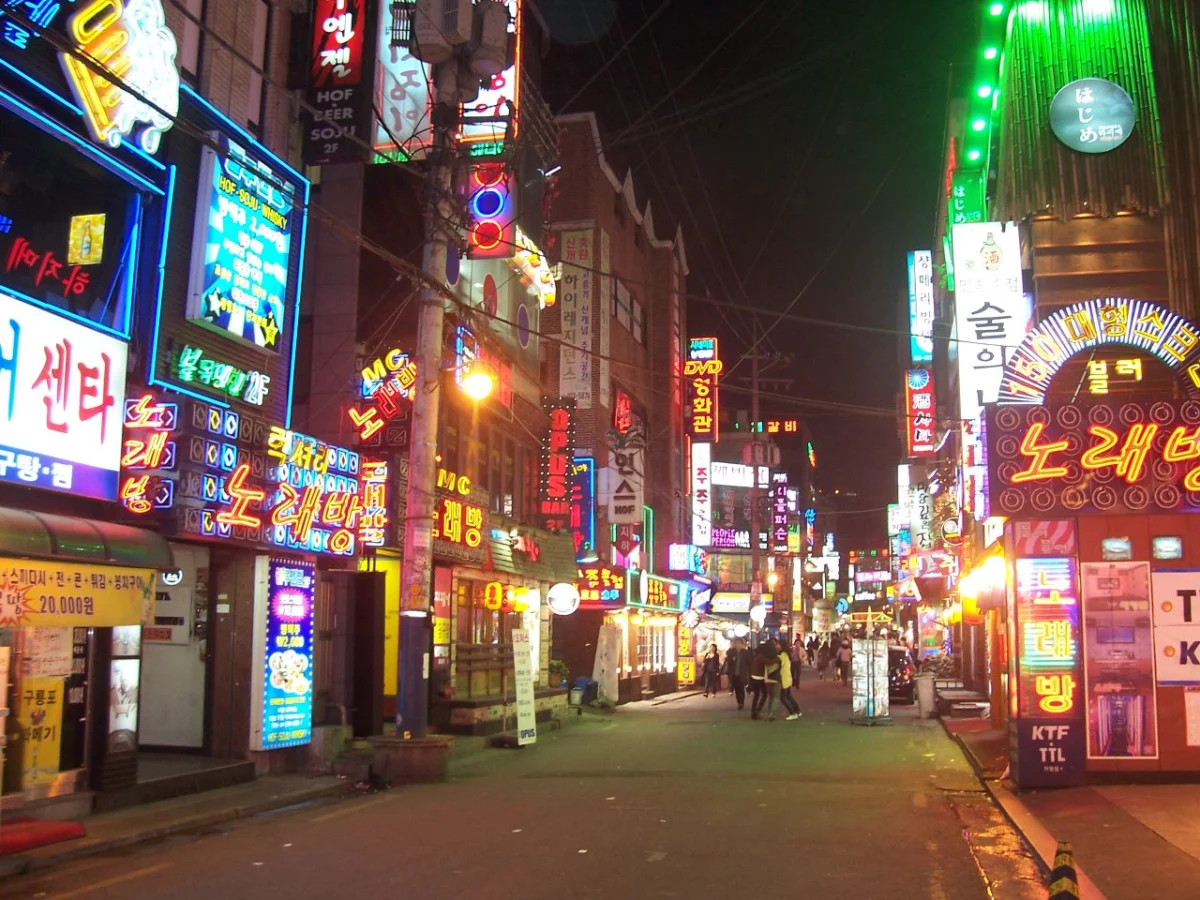
Seoul, a sprawling metropolis that seamlessly blends ancient dynastic history with hyper-modern urban infrastructure, presents a significant challenge for visitors tasked with selecting the ideal base for their stay. With a population exceeding 9.7 million and a geography defined by its division by the Han River, the city is a collection of distinct neighborhoods, each offering a unique cultural identity and logistical profile. This guide provides a comprehensive analysis of Seoul’s primary districts, focusing on transit accessibility, neighborhood characteristics, and strategic accommodation options for business and leisure travelers.

Historical Heart: Jongno-gu and the Cultural Core
Jongno-gu serves as the historical and administrative epicenter of South Korea. It is the site of the Joseon Dynasty’s primary landmarks, including Gyeongbokgung and Changdeokgung palaces. For the short-term visitor, this area offers the highest density of cultural attractions within walking distance.

Bukchon Hanok Village, situated between the two major palaces, remains a unique residential enclave of traditional wooden houses known as hanoks. Staying in this area requires a respect for local quietude, as the district remains a functioning neighborhood. Accommodations such as the Haemil Hanok Guesthouse provide an immersive experience, particularly with traditional ondol floor-heating systems, which remain a cultural staple in Korean architecture.

In contrast, the Insadong and Gwanghwamun corridors offer a more commercial, albeit traditional, atmosphere. Insadong is characterized by narrow alleys housing antique shops, art galleries, and traditional tea houses. Gwanghwamun, meanwhile, acts as the central square of the city, dominated by government offices and the statues of King Sejong and Admiral Yi Sun-sin. The area is highly functional for business travelers, with modern hotels such as the Shilla Stay Gwanghwamun offering proximity to major corporate headquarters and embassies. Ikseon-dong represents the modern evolution of these districts, where historical architecture has been repurposed into trendy cafes and boutiques, attracting a younger demographic while maintaining a central location.

Youth Culture and Nightlife: Mapo-gu
The Mapo-gu district, comprising Hongdae, Sinchon, and Edae, is the city’s primary hub for university-aged students and independent culture. Hongik University (Hongdae) is the anchor for this area, which is characterized by a 24-hour cycle of nightlife, street art, and independent fashion.

The economic profile of this area leans toward younger travelers and those seeking a dynamic social environment. Unlike the quieter, more traditional atmosphere of Jongno-gu, Hongdae is defined by its street performances and club culture. Accommodations in this sector, such as the Nine Brick Boutique Hotel, emphasize modern, western-style comforts tailored to a tech-savvy, younger clientele. Sinchon and Edae serve as adjacent hubs, with the latter heavily influenced by Ewha Womans University. These areas are slightly more budget-conscious, making them ideal for solo travelers and backpackers who prioritize proximity to the city’s most vibrant social districts.

Commercial and Retail Hubs: Jung-gu
Jung-gu is the nexus of retail and high-end commerce in Seoul. Myeongdong, the district’s most recognizable shopping precinct, is a high-density area where major international brands and local cosmetics retailers congregate. It is arguably the most popular tourist destination in the city.

The strategic importance of Myeongdong lies in its transport links and its position at the foot of Namsan Park, home to the iconic N Seoul Tower. Hotels in this area, including the Aloft Seoul Myeongdong, cater to a mix of high-spending tourists and business professionals. Dongdaemun, further east within the same district, serves as the capital of the Korean fashion industry. The Dongdaemun Design Plaza (DDP), designed by the late Zaha Hadid, serves as a landmark for the area, hosting international fashion weeks and design exhibitions. The area’s nocturnal economy is particularly active, as the wholesale markets in Dongdaemun operate deep into the early morning hours, providing a unique logistical experience for visitors.

The Diplomatic and Expat Corridor: Yongsan-gu
Itaewon, located within Yongsan-gu, occupies a unique position in Seoul’s geography. Historically linked to the presence of the United States military, the neighborhood has evolved into the city’s most multicultural district. It is the primary area for international cuisine, diverse nightlife, and a high concentration of foreign embassies.

The neighborhood offers a centralized location that serves as a bridge between the historical northern districts and the affluent southern districts. It is particularly popular with international travelers who seek a familiar social landscape. Accommodations in Itaewon, such as the Hamilton Hotel, are well-positioned for transit, situated directly adjacent to subway lines that facilitate movement to the War Memorial of Korea and the National Museum of Korea.

Financial and Luxury Districts: Yeongdeungpo-gu and Gangnam-gu
Yeouido, situated on an island in the Han River within Yeongdeungpo-gu, is the city’s financial district, often referred to as the "Wall Street of Seoul." It is the seat of the National Assembly and major broadcasting networks. The atmosphere here is professional and orderly, making it a preferred location for corporate travelers and families who prioritize a quieter environment. The IFC Mall and the Conrad Seoul provide high-end, integrated experiences for those seeking luxury.

Across the river, Gangnam-gu defines the modern, affluent image of Seoul. Since the late 20th century, this area has seen rapid development, resulting in a skyline dominated by high-rise corporate towers and luxury residential complexes. Gangnam is also a center for medical tourism, particularly in the fields of dermatology and plastic surgery. The COEX complex in Samseong-dong acts as a massive convention and retail hub, often necessitating stays in nearby properties like the Oakwood Premier Coex Center for those attending international conferences.

Navigating the Metropolis: Infrastructure and Logistics
The efficiency of Seoul is largely attributed to its public transit system, which is widely considered one of the most reliable in the world. The Seoul Metropolitan Subway operates with a high frequency, connecting all major districts. The integration of the T-Money card system allows for seamless transfers between subways, buses, and taxis.

For international arrivals, the Incheon International Airport Railroad (AREX) provides rapid access to the city center. Within the city, commuters are advised to avoid peak hours—specifically 4:30 PM to 8:00 PM—when congestion on both public transit and roads is at its highest. While navigation apps such as Google Maps remain functional, visitors are encouraged to utilize Naver Map or KakaoMap, which provide more accurate, real-time data on local routes and public transit departures.

Strategic Planning: Seasonal Considerations
Seoul experiences four distinct seasons, each presenting different travel conditions. Winters (December to February) are characterized by sub-zero temperatures and occasional snowfall, while summers (June to August) are hot, humid, and marked by the monsoon season. The most favorable times for tourism are the spring (April to May) and autumn (September to October). During spring, the cherry blossom season draws significant crowds, particularly at Yeouido Park and Seokchon Lake. Autumn provides mild temperatures and clear skies, which are optimal for visiting the ancient palaces and the scenic trails of Namsan Mountain.

Economic and Safety Implications for Travelers
South Korea maintains low crime rates, and Seoul is generally considered a safe environment for all travelers. However, visitors are encouraged to adhere to standard urban security measures, such as utilizing RFID-blocking accessories to prevent digital theft. Currency exchange should be managed via local bank ATMs rather than airport kiosks, which often carry unfavorable rates. For long-term connectivity, the availability of affordable, high-speed SIM card rentals allows travelers to maintain reliable access to digital navigation and translation tools.

By aligning their accommodation choices with the specific requirements of their trip—whether for business, retail therapy, or historical exploration—visitors can navigate the complexity of Seoul with greater ease, ensuring a productive and culturally enriching experience in one of the world’s most dynamic capital cities.
