

South Korea stands as a global titan of digital infrastructure, boasting one of the world’s most advanced internet penetration rates and a hyper-connected urban landscape. As the birthplace of technological giants such as Samsung and LG, the nation has fostered an ecosystem where daily life is inextricably linked to mobile applications. For expatriates, students, and travelers alike, mastering these local digital tools is no longer merely a convenience; it is a fundamental requirement for navigating the complexities of modern Korean society. From securing logistics in a fast-paced delivery culture to mastering real-time public transit navigation, these ten applications provide the essential framework for a seamless experience in the country.

The Evolution of the Korean Mobile Ecosystem
The rapid digitization of South Korean society can be traced back to the early 2000s, when government-backed investments in broadband infrastructure laid the groundwork for the mobile-first economy that exists today. By 2023, mobile commerce in South Korea had surged, with food delivery and e-commerce platforms becoming the primary channels for consumer spending. This reliance on "super-apps"—platforms that integrate multiple services into a single interface—has redefined consumer expectations. As of the latest industry reports, the average South Korean smartphone user manages a suite of specialized apps that handle everything from grocery procurement to property leasing, creating a highly efficient, albeit localized, digital environment.

1. Baedal Minjok: The Standard for Logistics and Food Delivery
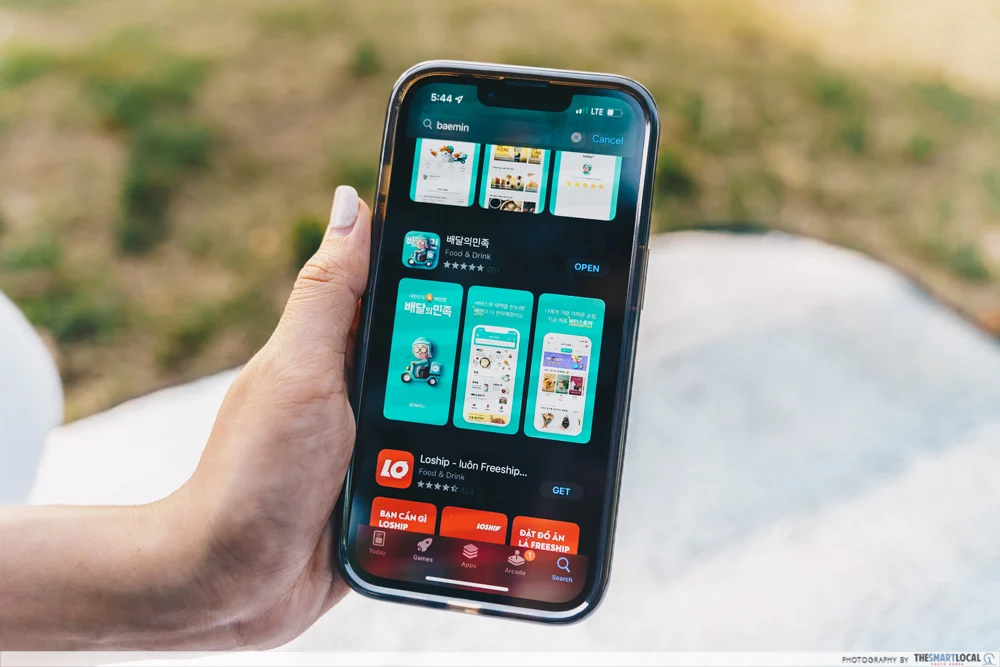
Known colloquially as "Baemin," Baedal Minjok has revolutionized the Korean food service industry since its inception in 2010. It serves as the primary conduit between the country’s dense network of restaurants and millions of daily consumers. Beyond simple meal delivery, the platform has expanded into "Baemin 1," a premium single-order delivery service designed to optimize transit times and ensure meal quality. The implications of this platform are significant: it has empowered small-scale restaurant owners by providing a digital storefront while simultaneously setting high expectations for delivery speed, often resulting in food arriving at residential doorsteps within 30 to 45 minutes.

2. MangoPlate: The Data-Driven Dining Companion
While global platforms like Yelp or TripAdvisor maintain a presence in Korea, they often suffer from a lack of localized data. MangoPlate fills this void by serving as the country’s most reliable restaurant discovery engine. With a database curated by local users, it provides honest, transparent reviews and high-quality photography. Its strength lies in its sophisticated filtering capabilities, allowing users to categorize dining options by specific neighborhood, price point, and cuisine type. By integrating directly with mapping services, it bridges the gap between digital discovery and physical arrival, making it an indispensable tool for food exploration.

3. Coupang: The Backbone of Korean E-Commerce
Coupang has fundamentally altered the retail landscape in South Korea, acting as the domestic equivalent of Amazon but with a significantly faster logistics cycle. Its "Rocket Delivery" service, which guarantees delivery by 7:00 AM for orders placed before midnight, is a marvel of supply chain management. This efficiency is supported by a network of massive automated fulfillment centers located within close proximity to major metropolitan areas. For residents, Coupang offers a comprehensive marketplace that covers everything from perishable groceries via "Rocket Fresh" to international goods through "Rocket Jikgu," effectively centralizing the retail experience.

4. Bunjang: The Secondary Market Revolution
The circular economy in South Korea is thriving, and Bunjang sits at the center of the secondhand goods market. It has become a crucial hub for enthusiasts, particularly within the K-pop community, who utilize the platform to trade rare photocards, limited edition albums, and vintage technology. The introduction of "Bunjang Pay"—a secure, escrow-based payment system—has mitigated the risks historically associated with person-to-person transactions. While the platform requires a degree of linguistic proficiency and local identity verification, its role in facilitating sustainable consumption cannot be overstated.

5. Naver Maps: Precision Navigation in a Dense Environment
Google Maps often fails to provide granular, real-time data in South Korea due to strict local regulations regarding geospatial data. Consequently, Naver Maps has emerged as the definitive navigation tool. It provides unparalleled accuracy for public transportation routes, including precise bus arrival times and subway exit recommendations. The application’s strength lies in its integration of real-world data: it displays elevation changes, bike paths, and detailed building information that is essential for maneuvering through South Korea’s hilly, densely populated urban centers.

6. KakaoTalk: The Unified Communication Hub
KakaoTalk is not merely a messaging app; it is the fundamental identity of the Korean digital experience. With nearly universal adoption across the nation, it serves as the bridge between individuals, businesses, and government services. Beyond standard text and voice messaging, the app’s "Open Chat" feature provides a space for community building based on niche interests, ranging from language exchange groups to apartment hunting. Its ecosystem includes an integrated payment system, gift-giving modules, and official channels that allow users to manage everything from utility payments to corporate inquiries.

7. ZIGBANG: Streamlining the Housing Market
Finding accommodation in South Korea involves navigating a unique system of large security deposits (jeonse or wolse). ZIGBANG simplifies this process by providing a transparent interface for listing and viewing properties. By offering virtual tours and clear documentation of utility fees and move-in dates, the app reduces the asymmetry of information between landlords and tenants. While the app is highly effective, industry experts continue to advise users to conduct physical inspections, as digital listings cannot fully account for building maintenance or neighborhood noise levels.

8. Kakao T: The Standard for Modern Mobility
As an extension of the Kakao ecosystem, Kakao T has become the default for on-demand transportation. It offers a tiered taxi booking system, ranging from standard metered rides to premium services like "Black" and "Venti." By providing clear fare estimates and integrated payment options through KakaoPay, the app removes the ambiguity often associated with hailing cabs in foreign environments. Its real-time tracking and automated driver assignment have significantly increased the safety and reliability of point-to-point transit.

9. Papago: Bridging the Linguistic Divide
Developed by Naver, Papago utilizes advanced neural machine translation to offer highly accurate translations between Korean and numerous other languages. Unlike more generic translation tools, Papago is optimized for the nuances of the Korean language, including honorifics and context-dependent speech. Its "Phrasebook" and "Word Cards" features are specifically designed for expatriates and tourists, providing practical vocabulary for scenarios ranging from restaurant ordering to medical emergencies, thereby lowering the barrier to daily interaction.

10. AirMapKorea: Monitoring Environmental Health
Given the concerns regarding fine dust (particulate matter) that periodically affect the Korean peninsula, AirMapKorea has become a vital health resource. Utilizing data from KT’s network of sensors, the app provides hyper-local air quality information. This allows residents to make informed decisions regarding outdoor activities, such as exercising or commuting, based on real-time pollution levels. It serves as a reminder of how South Korea’s tech-forward approach is applied to public health, providing citizens with the tools to mitigate the impact of environmental fluctuations.

Broader Implications and Strategic Integration
The reliance on these applications highlights a significant shift in how modern urban populations interact with their environment. The integration of these services into a single, mobile-accessible framework has created a "smart city" reality that is managed by the consumer’s fingertips. However, this level of convenience requires a baseline of digital literacy and, often, a local phone number for verification, which can pose a hurdle for short-term visitors.

For those planning an extended stay in South Korea, the strategic adoption of these tools is the key to minimizing cultural friction. The country’s digital infrastructure is designed to reward those who embrace its ecosystem. Whether it is through the seamless logistics of Coupang or the precise routing of Naver Maps, these applications function as a digital layer over the physical landscape, enabling a level of efficiency that is rare in other parts of the world. As these platforms continue to evolve, incorporating AI-driven recommendations and expanded financial services, their role as the primary interface for life in South Korea will only continue to solidify. Users are encouraged to view these installations not as an exhaustive list, but as the foundational blocks of a successful and integrated experience in the Republic of Korea.
