

Gyeonggi Province, known as Gyeonggi-do, stands as the most populous and strategically significant region in South Korea, serving as the sprawling administrative and geographical envelope for the capital city, Seoul. Encompassing an area of approximately 10,184 square kilometers, the province acts as a vital economic, industrial, and historical corridor. While Seoul serves as the nation’s political and cultural heart, Gyeonggi-do functions as its essential support system, housing major tech headquarters, critical military installations, and a vast network of historical landmarks that define the identity of the Korean Peninsula. For international travelers and residents alike, the province offers an accessible entry point into the deeper historical tensions and modern industrial prowess that characterize contemporary South Korea.

Historical Context and Regional Geography
The name Gyeonggi-do translates literally to the "area surrounding the capital," a definition that highlights its role in the Joseon Dynasty’s defensive and administrative planning. The province’s geography is complex; it wraps around Seoul like a ring, though it excludes the capital itself and the western hub of Incheon. This "donut" formation creates a unique logistical advantage, as the province is interconnected with Seoul via a sophisticated network of subway lines, high-speed rail, and express bus services, making remote rural sites as accessible as urban centers.

The region is divided into northern and southern sectors, with the northern portion bearing the weight of history due to its proximity to the Demilitarized Zone (DMZ). The 38th parallel, which bisects the peninsula, remains one of the most heavily fortified borders in the world. Consequently, Gyeonggi-do is the primary theater for both the lingering tensions of the Korean War and the ongoing efforts toward unification and diplomatic dialogue.
Strategic Economic and Industrial Hubs

The economic influence of Gyeonggi-do cannot be overstated. Suwon, the provincial capital, serves as the primary base for Samsung Digital City, a colossal hub for global electronics manufacturing and research and development. Beyond technology, the province maintains a diverse economic base. Cities like Pyeongtaek host major military facilities, including Camp Humphreys and Osan Air Base, which play a pivotal role in the United States-South Korea security alliance.
Meanwhile, cities like Gwangmyeong have pivoted toward becoming major retail and logistical centers, famously hosting the world’s largest IKEA location. This integration of global commercial brands with local manufacturing creates a unique landscape where high-tech campuses sit adjacent to traditional agricultural zones and preserved historical sites.

The DMZ and the Borderlands: A Legacy of Conflict
The most internationally recognized aspect of Gyeonggi-do is its border with North Korea. For researchers, historians, and tourists, the DMZ represents a living archive of the 1950–1953 conflict. The Paju region, in particular, serves as the gateway to this sensitive zone.

Key sites, such as the Dora Observatory and the 3rd Infiltration Tunnel, provide visceral evidence of the Cold War’s persistence. The 3rd Infiltration Tunnel, discovered in 1978, remains a point of significant strategic study; it was engineered to allow for the rapid transport of thousands of armed personnel into South Korea, an act that violated the Korean Armistice Agreement. Current surveillance of the border continues to be a high-priority operation for the South Korean government, and the presence of the UN Command in these areas underscores the international stakes of regional stability.
The Odusan Unification Observatory offers a civilian-accessible alternative to military-led tours, providing a panoramic view into North Korea. From this vantage point, observers can view the "propaganda village" of Kijong-dong. Analytical reports from intelligence agencies and independent observers have long characterized the village as a "ghost town," maintained for visual effect to project prosperity, yet lacking a permanent residential population. The existence of these sites serves as a reminder of the psychological and physical walls that have separated families for over seven decades.

Cultural Heritage and Modern Preservation
Beyond the geopolitical sphere, Gyeonggi-do preserves the architectural and cultural heritage of the Joseon Dynasty. The Suwon Hwaseong Fortress, a UNESCO World Heritage site, represents a pinnacle of 18th-century Korean military architecture. Commissioned by King Jeongjo to honor his father, Prince Sado, the fortress walls and gates are not merely relics but are integrated into the modern urban fabric of Suwon, serving as a public park and a site for cultural festivals.

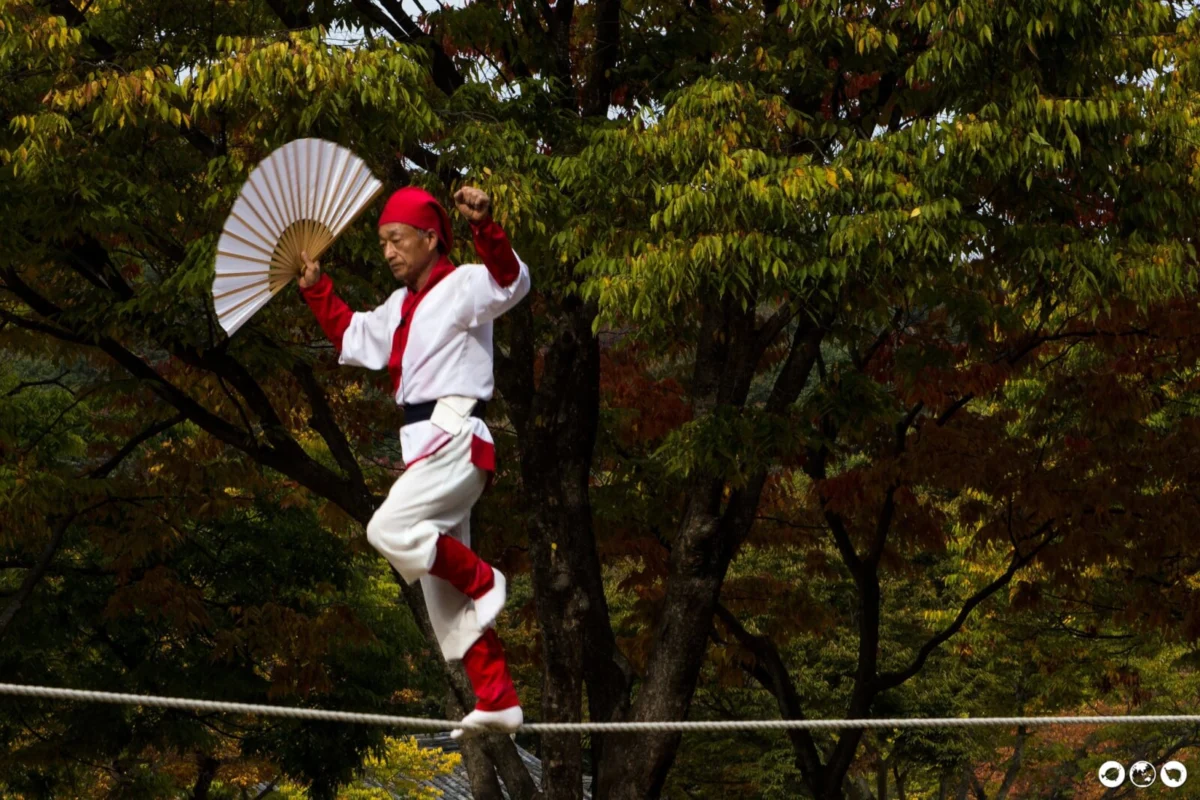
The Korean Folk Village in Yongin provides a different type of preservation, serving as an open-air museum that displays traditional life, customs, and craftsmanship. By maintaining period-accurate housing and hosting demonstrations of traditional weddings and performances, the village acts as an educational resource, ensuring that the rapid modernization of South Korea does not erase its historical foundations.
Artistic Expression and Non-Traditional Tourism

In recent decades, Gyeonggi-do has embraced the development of "Art Valleys" and creative communes, transforming abandoned industrial sites into cultural landmarks. The Pocheon Art Valley, formerly a granite quarry, is a flagship example of environmental restoration. By reclaiming an industrial scar and converting it into an ecological and artistic park, the local government has demonstrated a sustainable model for urban planning.
Similarly, the Heyri Art Valley in Paju stands as a testament to the influence of the creative class in Korea. Established by a coalition of artists, writers, and architects, the valley functions as a laboratory for modern design and conceptual art. It hosts dozens of galleries and museums that operate independently of state-run institutions, offering a glimpse into the evolving aesthetic priorities of contemporary Korean society.

Environmental and Seasonal Tourism
The province also serves as a critical environmental resource for the urban populations of Seoul and Incheon. Bukhansan National Park, which extends into the northern reaches of Gyeonggi-do, provides a necessary ecological buffer. The park is one of the most visited national parks per capita in the world, serving as a site for both recreational hiking and the preservation of granite peak ecosystems.

Seasonal tourism is a major economic driver for the province, with sites like the Garden of Morning Calm in Gapyeong drawing millions of visitors annually. The garden’s "Lighting Festival," held during the winter months, has become a staple of regional tourism, demonstrating the capacity of the province to generate revenue through curated, immersive public experiences.
Implications and Future Outlook

The trajectory of Gyeonggi-do is inextricably linked to the future of the Korean Peninsula. As the province continues to expand its technological and logistical infrastructure, it must balance the demands of rapid urbanization with the preservation of its historical and environmental assets. Furthermore, the region’s role as the primary interface with North Korea means that any shift in geopolitical climate will be felt most acutely in cities like Paju and Uijeongbu.
The ongoing efforts to foster cultural exchange through institutions like the Heyri Art Valley and the educational outreach of the DMZ sites suggest a strategy of "soft power," wherein the province uses its history and culture to engage the international community. For policymakers, the challenge remains to maintain the province’s competitive economic edge while ensuring that the physical and psychological scars of the division remain a subject of learning and peace-building rather than mere spectacle.

In summary, Gyeonggi-do is a region of profound complexity. It is an industrial powerhouse that houses the future of global technology, a historical bastion that protects the memories of the Joseon Dynasty, and a frontline zone that manages the delicate reality of a divided nation. Through its diverse array of parks, fortresses, art galleries, and border observatories, the province offers a comprehensive view of the forces that have shaped, and continue to shape, the Republic of Korea. Whether through the lens of economic development or historical inquiry, Gyeonggi-do remains an indispensable component of the Korean experience.
