

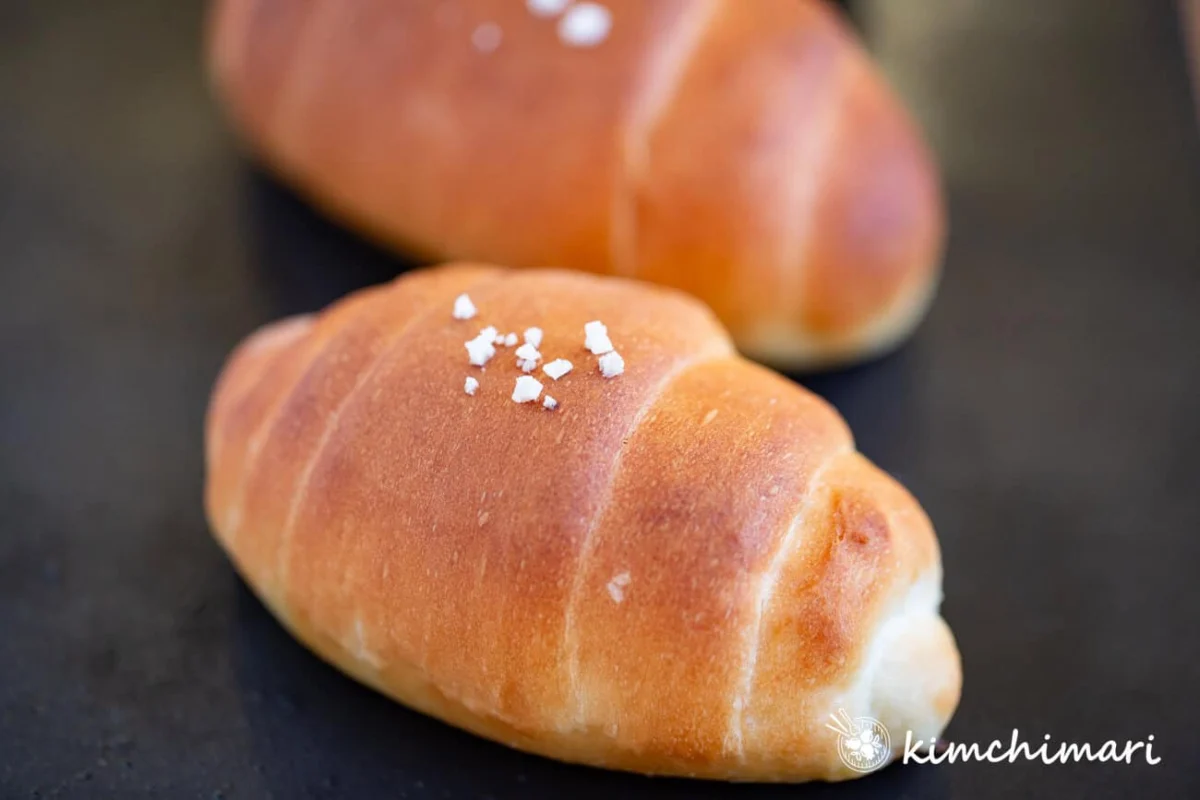
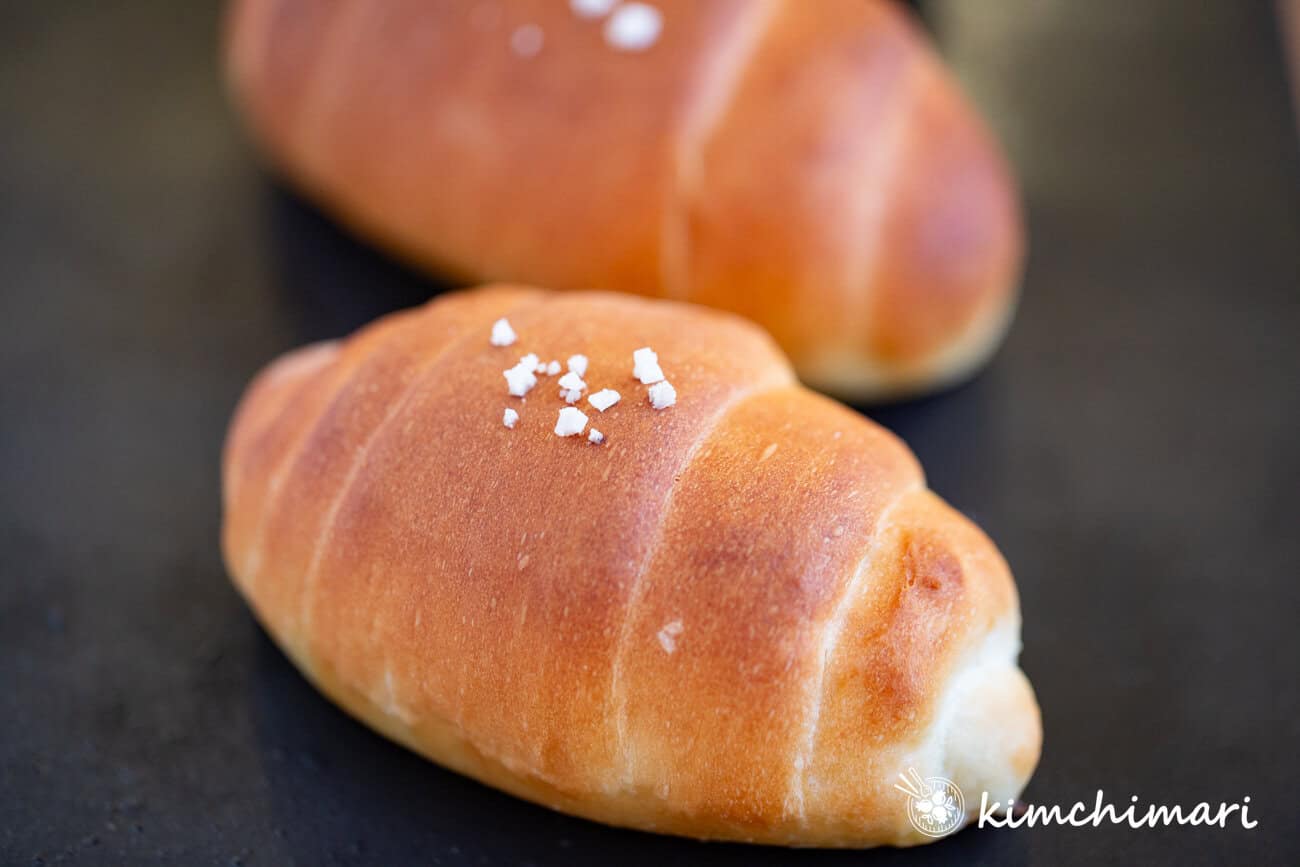
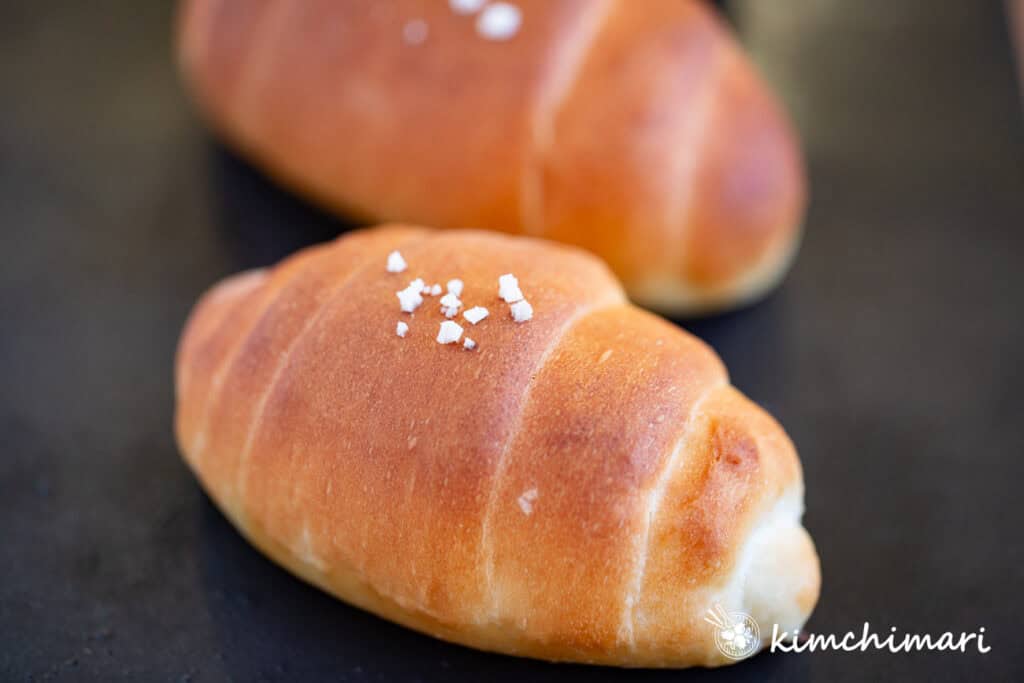
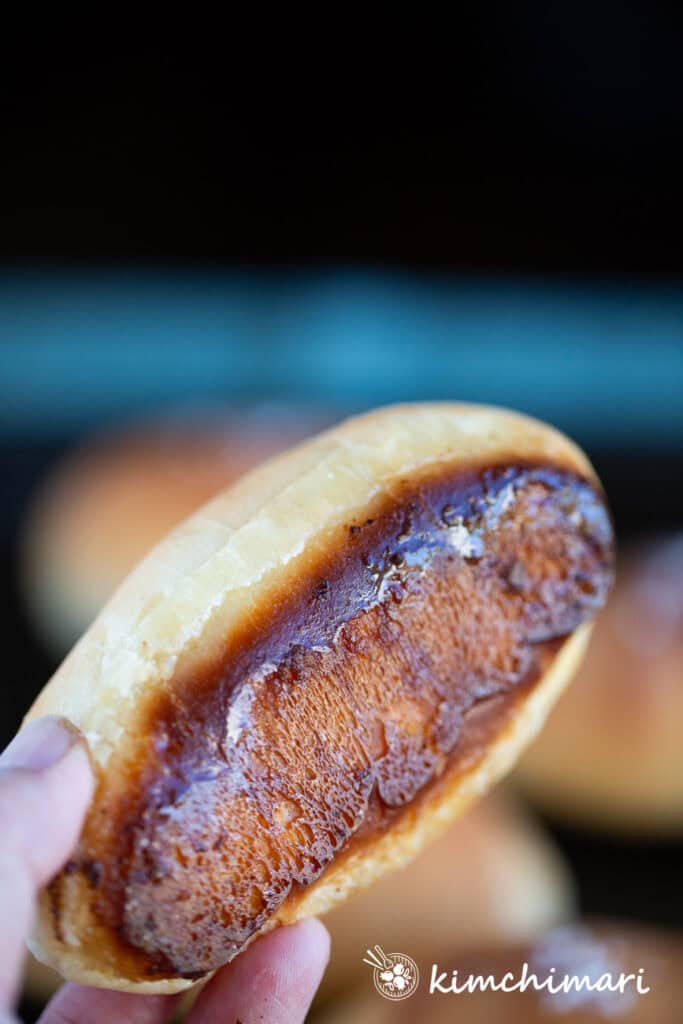
Salt bread, globally recognized by its Japanese name shio pan or its Korean counterpart sogeum ppang, has quietly transitioned from a humble regional bakery item into one of the most sought-after culinary sensations across East Asia. At first glance, the baked good resembles a standard golden dinner roll topped with coarse salt crystals. However, a closer examination of its structural composition reveals a delicate golden crust, a silky and pillowy interior, and a distinctly crispy, butter-caramelized bottom. This unique interplay of textures and the deliberate balance of sweet and savory flavor profiles have propelled the pastry to international prominence, capturing the attention of professional bakers, casual food enthusiasts, and cultural analysts alike.
Origins and Evolution: From Ehime to Seoul
The lineage of salt bread traces back to Japan, specifically originating within the Ehime Prefecture. Japanese bakers conceptualized shio pan as an accessible, affordable, and deeply comforting product that prioritized foundational baking principles over overly complex flavor profiles. The core innovation of the recipe relies on wrapping a solid piece of cold butter directly inside the dough before baking. As the bread enters the oven, the butter liquefies, partially absorbing into the surrounding crumb to create a rich, aromatic interior while simultaneously forming a small, signature hollow pocket. Any butter that escapes the dough during the baking process pools at the base of the pan, frying the bottom crust into a crisp texture that serves as a deliberate contrast to the soft crumb above.
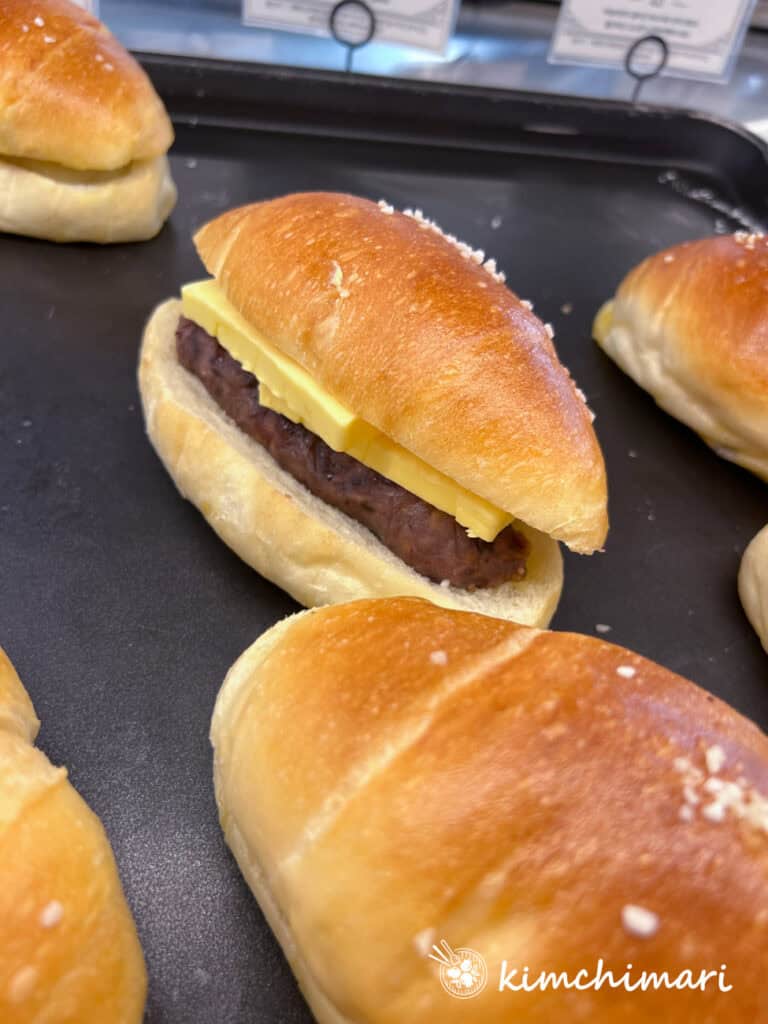
When the concept migrated across the sea to South Korea, local bakers embraced sogeum ppang and systematically re-engineered it to align with regional palate preferences. While the traditional Japanese shio pan typically maintains a lighter, airier texture with a thin, crisp crust and a hollow core, the Korean iteration evolved to become noticeably richer, denser, and more buttery. Modern South Korean bakeries have further expanded the boundaries of the traditional recipe by introducing creative variations, such as incorporating generous fillings of sweet red bean paste (danpat) alongside supplementary pats of cold butter, transforming a simple side roll into a decadent snack or dessert item.
Baking Science and Technical Complexities
Despite its deceptively minimalist appearance, the production of salt bread requires rigorous attention to temperature control, timing, and structural shaping. Culinary professionals note that achieving the ideal texture is a delicate technical challenge. The use of cold butter is non-negotiable; if the butter is too warm prior to baking, it will melt prematurely and completely leak out of the dough during proofing, destroying the interior moisture and preventing the formation of the internal steam pocket. Similarly, bakeries utilizing standard commercial or home equipment must manage proofing environments carefully. If dough pieces are exposed to excessive ambient heat during final fermentation, the structural integrity of the fat containment fails, leading to flat, overly spread rolls rather than tall, structured crescents.
Furthermore, the iconic crispy bottom of the bread is heavily dictated by equipment choices. Culinary tests indicate that utilizing dark metal baking pans without parchment paper facilitates direct contact between the escaping butter and the hot pan surface, generating the necessary Maillard reaction for a deep, caramelized crust. Conversely, lighter pans or the introduction of parchment liners often insulate the base, yielding a softer bottom that misses the signature textural contrast defining authentic salt bread.
Standardization Challenges and Professional Adaptations
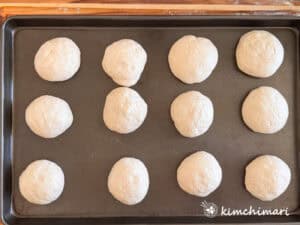
As the commercial demand for sogeum ppang continues to accelerate in metropolitan hubs such as Seoul, Tokyo, and increasingly across Western markets, consistency has emerged as a central challenge for independent and chain bakeries alike. Because the manufacturing process relies heavily on manual labor—specifically rolling dough from a triangular cone shape into a tight, croissant-like spiral—batch uniformity is difficult to maintain.
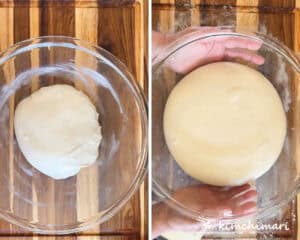
Artisanal bakers have reported that production time delays between the first and final shaped trays can lead to uneven proofing cycles. To counteract this, master bakers frequently employ staged proofing methods, refrigerating subsequent trays of shaped dough to halt yeast activity until the initial batch is ready for the oven. This procedural adjustment ensures that every roll achieves an identical rise, golden coloration, and structural crumb density upon baking.
Broader Economic and Culinary Implications
The phenomenon of salt bread underscores a broader shift in modern consumer preferences toward "comfort-driven minimalism" in the global food and beverage sector. In an era dominated by hyper-elaborate, visually complex pastries designed primarily for digital media platforms, the enduring popularity of salt bread demonstrates a collective return to foundational baking techniques. By elevating basic ingredients—flour, yeast, butter, and salt—into an optimized sensory experience, the culinary community has demonstrated that simplicity, when executed with absolute precision, possesses substantial commercial viability.
Industry analysts note that the cross-cultural pollination between Japanese baking techniques and Korean culinary innovation serves as a prime example of modern gastronomic globalization. As diaspora communities introduce shio pan and sogeum ppang to North America, Europe, and Oceania through specialized Asian bakeries and independent micro-bakeries, the product is systematically integrating into mainstream Western baking repertoires. Culinary schools and recipe developers have begun featuring the item in formal curricula, signaling its permanent transition from a regional trend to a staple of international baking culture.
