

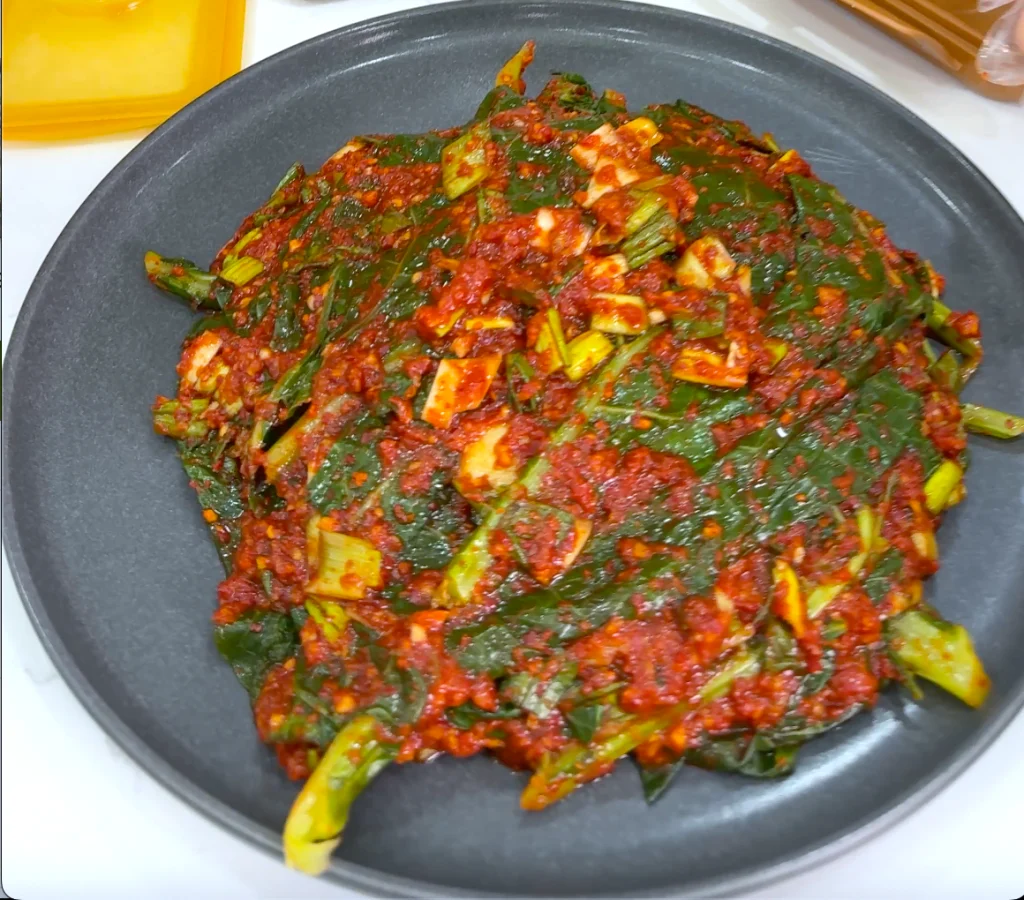
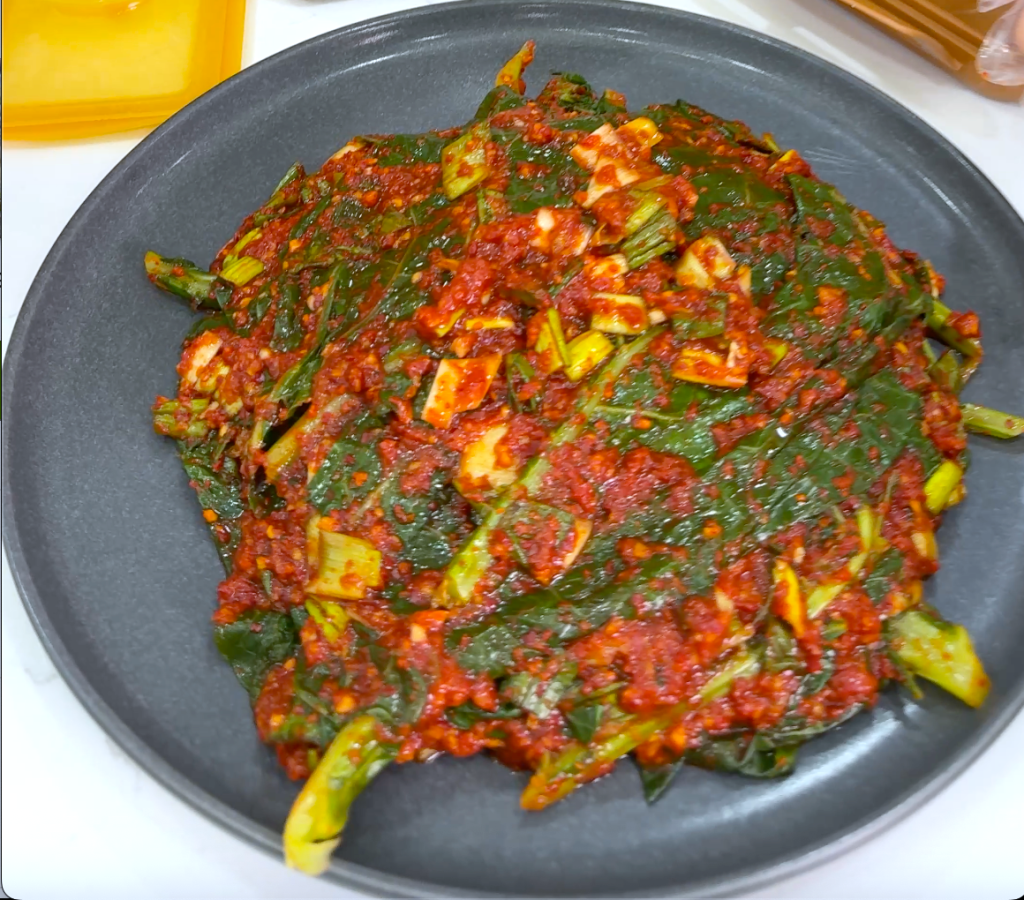
The global culinary landscape is experiencing a significant shift as traditional fermentation techniques, once geographically confined to specific regions, are increasingly applied to non-native produce. Among the most notable recent developments in this space is the successful adaptation of kimchi-making methods to collard greens. While traditionally associated with Southern American cuisine and Mediterranean diets, collard greens are proving to be an ideal vessel for the complex, probiotic-rich seasoning profiles of Korean kimchi, signaling a broader trend toward cross-cultural gastronomic innovation.
The Evolution of Fermentation: From Tradition to Modern Adaptation
Kimchi, a staple of Korean cuisine, is traditionally defined by the lacto-fermentation of napa cabbage or radishes using a seasoning base of gochugaru (Korean red pepper flakes), garlic, ginger, and fermented seafood. The scientific foundation of this process relies on the development of Lactobacillus bacteria, which thrive in a salty environment enriched by a carbon source, typically provided by a starch-based paste such as sweet rice flour.
Historically, the use of leafy greens in Korean cooking—such as perilla leaves or radish greens—provided a framework for the current adaptation of collard greens. Unlike the firm, dense structure of napa cabbage, which requires a lengthy brining process to draw out moisture and soften cellular walls, collard greens possess a fibrous yet pliable texture that responds exceptionally well to a brief blanching technique. This modification allows the leaves to retain their integrity while absorbing the pungent, umami-rich seasoning, effectively shortening the preparation timeline compared to traditional cabbage kimchi.

Chronology of Development and Preparation
The refinement of collard green kimchi has moved from experimental home kitchens to a recognized niche within the broader "global pantry" movement. The preparation process generally follows a standardized chronology designed to optimize flavor and shelf stability:
- Starch Base Preparation: The creation of a sweet rice flour paste serves as the foundation. This paste acts as the primary fuel for fermentation, ensuring a robust colony of beneficial bacteria develops during the curing process.
- Thermal Processing: Collard greens undergo a controlled blanching phase. This step is critical; it must be calibrated to soften the greens without compromising their structural fiber. If over-blanched, the leaves risk disintegration during the fermentation cycle.
- Seasoning Application: The application of the kimchi paste, enriched with gochugaru and fermented aromatics, is performed once the greens have cooled. Modern techniques suggest allowing this mixture to mature in a refrigerated environment for several hours before full fermentation begins to harmonize the flavors.
- Fermentation Phase: The storage in vacuum-sealed, specialized fermentation containers allows for the controlled release of carbon dioxide, which is essential to prevent the growth of undesirable molds and to ensure the acidity levels remain within the optimal range for preservation.
Nutritional and Economic Implications
The integration of collard greens into the kimchi repertoire carries significant nutritional implications. Collard greens are a nutrient-dense cruciferous vegetable, high in vitamins K, A, and C, as well as fiber and calcium. When combined with the probiotic benefits inherent in fermented foods, the resulting dish offers a unique synergy of prebiotic fiber and probiotic cultures.

From an economic perspective, the availability of collard greens in Western markets makes this specific variant of kimchi highly accessible. Unlike napa cabbage, which can fluctuate in price and availability based on seasonal import cycles, collard greens are a year-round staple in many parts of the world. This accessibility facilitates a democratization of fermentation, allowing home cooks to produce traditional-style fermented goods without the necessity of sourcing niche Korean produce.
Technical Substitutions and Ingredient Sourcing
A significant barrier to entry for many non-Korean cooks has historically been the reliance on specific ingredients like salted shrimp (saeu-jeot). Culinary experts and food scientists have established clear substitution protocols to maintain the integrity of the dish’s flavor profile.

The standard ratio for substitution—replacing two tablespoons of fermented shrimp with a mixture of one tablespoon of anchovy fish sauce and one tablespoon of coarse sea salt—is widely recognized as the gold standard for maintaining the necessary salinity and depth of flavor. The quality of the sea salt is paramount; coarse Korean sea salt, often sourced from the mineral-rich mudflats of Sinan, contains trace minerals that contribute to the crisp texture of the fermented vegetables, a factor that finer, processed table salts cannot replicate.
Industry and Expert Perspectives
Food industry analysts suggest that the rise of "fusion-fermentation" is a response to a growing consumer interest in gut health and the "food as medicine" movement. While traditionalists might argue that the absence of indigenous Korean greens alters the fundamental nature of the product, proponents view this evolution as the natural trajectory of culinary history.

"The fundamental principle of kimchi is the preservation of nutrients through lacto-fermentation," notes one culinary historian. "Whether the substrate is cabbage, radish, or collard green is secondary to the preservation technique itself. By applying the rigorous, time-tested methods of the Korean tradition to local, abundant produce, we are seeing the emergence of a truly globalized, healthy, and sustainable food practice."
Broader Impact and Future Outlook
The success of this recipe signals a shift in how Western consumers interact with global culinary traditions. By providing clear, repeatable instructions for adapting traditional methods, platforms are encouraging a deeper engagement with the science of fermentation.

Furthermore, the shift toward using home-fermentation equipment—such as vacuum-sealed storage containers—suggests a professionalization of the home kitchen. These tools, which prevent oxidation and regulate the environment for fermentation, remove much of the guesswork previously associated with the craft. As supply chains for authentic Korean ingredients like high-grade gochugaru continue to expand, the barrier to entry will likely continue to fall, leading to further experimentation with other hardy, nutrient-dense greens.
In conclusion, the emergence of collard green kimchi is more than just a culinary curiosity; it is a case study in the successful synthesis of traditional wisdom and modern produce. By respecting the chemical requirements of fermentation while embracing the versatility of local ingredients, the culinary community is creating a durable, health-conscious, and culturally respectful model for the future of global nutrition. As more consumers prioritize gut health and sustainable eating, the influence of these traditional Korean methods on everyday cooking is expected to grow, cementing kimchi’s place not just as a side dish, but as a fundamental component of a modern, well-rounded diet.
