

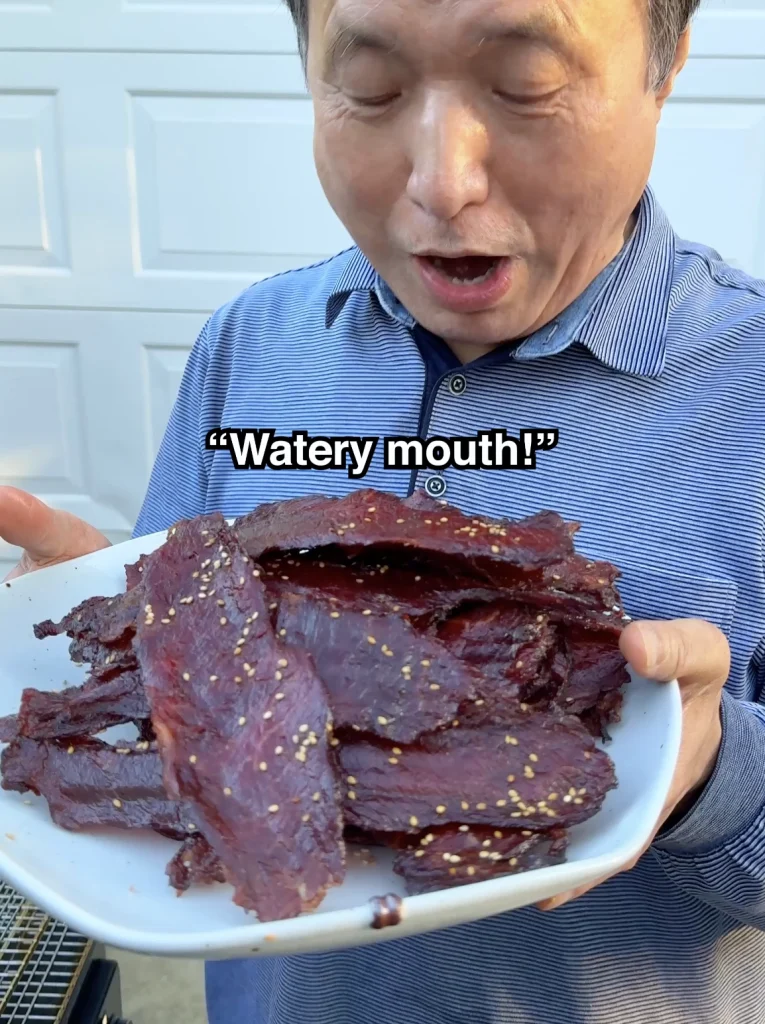
The resurgence of artisanal, home-prepared snacks has reached a new milestone with the rising popularity of Korean-style beef jerky, a culinary evolution that combines traditional Asian marination techniques with modern smoke-curing processes. While commercial beef jerky has long been a staple of the convenience food industry, recent shifts in consumer preferences toward healthier, transparent, and preservative-free ingredients have driven home cooks to experiment with complex flavor profiles that were previously difficult to find in supermarket aisles. The Korean BBQ jerky preparation method, which relies on a multi-day curing process and applewood smoke infusion, represents a departure from the high-sodium, ultra-processed standards of the mass-market snack industry.
The Evolution of Home-Cured Meats
The craft of drying and preserving meat is one of the oldest culinary practices in human history, utilized across diverse cultures from the pemmican of North America to the biltong of South Africa. In the Korean culinary tradition, the emphasis has historically been on "bulgogi-style" preparations—using thin-sliced beef marinated in a mixture of soy sauce, sugar, sesame oil, garlic, and grated pear. When applied to jerky, this method transforms the meat from a simple protein source into a complex, umami-rich experience.
In recent years, the intersection of home food technology—specifically the increased accessibility of multi-layer baking racks and high-efficiency convection ovens—and the global proliferation of Korean cuisine has allowed for a "gourmet-at-home" movement. Data from culinary research groups suggests that interest in DIY preserved meats has increased by approximately 22% since 2022, as consumers look for ways to mitigate the rising costs of pre-packaged artisanal snacks.
Chronology of the Preparation Process
The methodology required to achieve a professional-grade Korean BBQ jerky is labor-intensive, requiring a commitment to time that mass-market producers cannot replicate due to the demands of large-scale supply chains. The process typically follows a strict three-phase timeline:
- The Marination Phase (48 Hours): Unlike commercial brands that utilize injection brining to expedite curing, the artisanal Korean method requires a two-day marination. This duration allows the enzymes from natural additives—often derived from Asian pears—to tenderize the beef fibers, while the soy-based marinade penetrates the cellular structure of the meat. This deep saturation is responsible for the characteristic depth of flavor that defines Korean BBQ profiles.
- The Preparation and Rack-Setting Phase (1 Hour): Once marinated, the meat must be precisely arranged. The use of multi-layer baking racks is essential here. By maximizing airflow, the cook ensures that the moisture content is removed evenly, preventing the spoilage that occurs when pieces are overcrowded.
- The Smoking and Dehydration Phase (4 Hours): The final stage involves the application of heat and smoke. The incorporation of applewood—a mild, sweet hardwood—provides a nuanced smoke profile that complements the salty-sweet nature of the soy-based marinade without overwhelming the delicate flavor of the beef.
Comparative Analysis: Commercial vs. Artisanal
A fact-based comparison between commercially produced jerky and the home-cured Korean BBQ style highlights significant disparities in nutritional profiles and economic impact.
Nutritional Implications:
Commercial jerky products are frequently cited for high levels of sodium nitrate, potassium sorbate, and excessive added sugars used to stabilize the product for long shelf lives (often up to 12 months). Conversely, the home-prepared version allows for the elimination of artificial preservatives. By utilizing the natural sugars found in the marinade ingredients, the home cook can reduce the glycemic impact of the snack while maintaining the necessary dehydration required for safety.

Economic Considerations:
The cost of premium beef jerky in the retail sector has seen a steady increase, with artisanal brands often retailing at prices exceeding $30 to $40 per pound. By sourcing bulk top-round or eye-of-round cuts and performing the curing process at home, the cost of production can be reduced by approximately 40% to 60%, depending on the quality of the beef selected. This economic efficiency is a primary driver for the growing popularity of the recipe among budget-conscious families.
The Role of Technology in Modern Home Cooking
The equipment used in this process has also undergone a technological shift. The standard oven, once sufficient for basic tasks, is increasingly being replaced by specialized dehydrators and multi-tier convection systems. These tools allow for precise temperature control, usually maintained between 145°F and 160°F, to ensure the meat reaches a food-safe temperature while maintaining the texture of a high-quality jerky.
Industry experts note that the use of high-quality baking racks—specifically those designed for maximum airflow—has become the gold standard for home jerky makers. Without proper air circulation, the meat risks "steaming" rather than "drying," which compromises both the texture and the safety of the final product.
Broader Impacts on Culinary Trends
The movement toward Korean BBQ jerky is symptomatic of a broader trend toward "culinary autonomy." As consumers become more aware of the labor and ingredients behind their food, the desire to replicate restaurant-quality snacks at home has become a form of hobbyist expression.
Furthermore, the integration of global flavors into traditional preservation methods suggests that the next wave of home-cooking will be defined by "fusion preservation." We are seeing an increase in the application of Gochujang (Korean chili paste), sesame oil, and ginger in non-traditional formats, signaling a shift away from the traditional hickory-smoke-and-pepper profile that dominated the jerky market for decades.
Safety and Regulatory Context
While home preparation offers significant benefits, it is important to acknowledge the safety protocols required for meat preservation. The United States Department of Agriculture (USDA) emphasizes that proper drying requires the meat to reach a specific internal temperature to eliminate potential pathogens such as Salmonella and E. coli. The four-hour cook time at a controlled, consistent temperature is not merely a stylistic choice; it is a critical safety step to ensure the moisture activity (aw) of the meat is low enough to prevent microbial growth.
Conclusion: The Future of the Snack Market
As the home-curing trend continues to mature, it is likely that we will see a shift in how retailers position their products. The success of the Korean BBQ jerky model demonstrates that there is a significant market segment that prioritizes flavor complexity and nutritional integrity over the convenience of off-the-shelf purchases. By bridging the gap between historical preservation techniques and modern Korean flavor profiles, home cooks are effectively redefining the standards for what constitutes a high-quality snack. Whether through the use of traditional marination methods or the adoption of advanced dehydration technology, the movement toward self-sufficiency in the kitchen shows no signs of slowing down, setting a new benchmark for the future of domestic culinary arts.
