

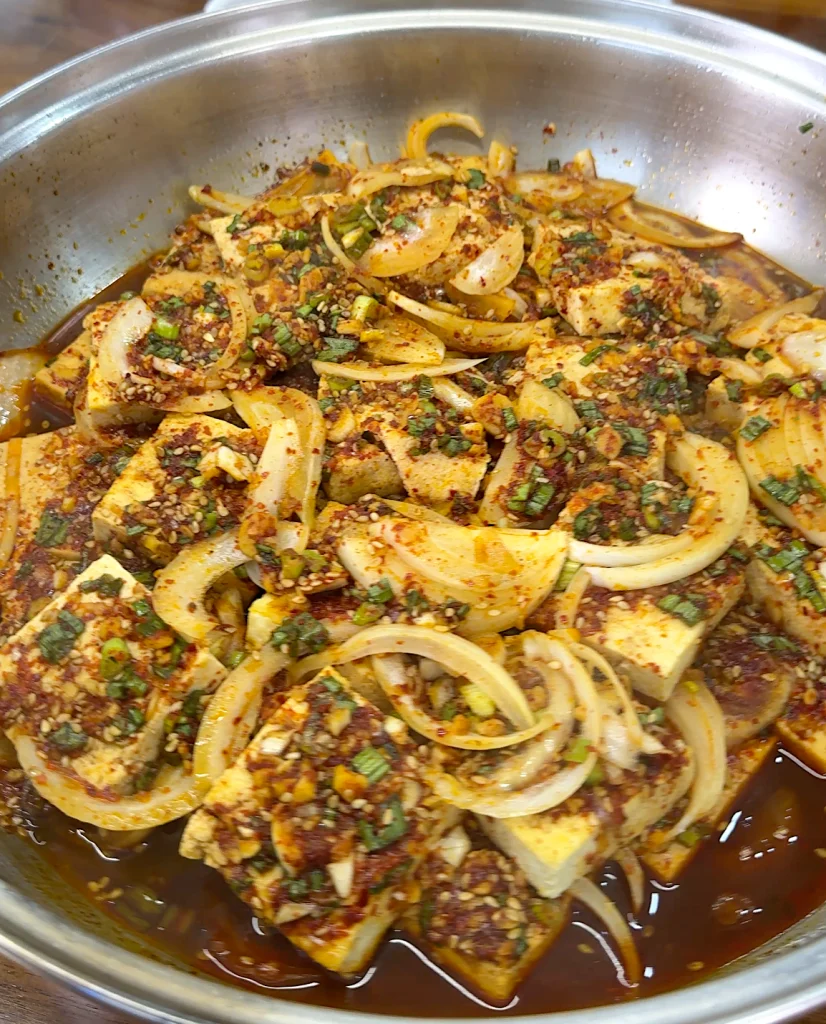
Tofu, a derivative of condensed soy milk pressed into solid white blocks, has long been recognized globally as a nutritional powerhouse. Yet, despite its high protein content and essential amino acid profile, the ingredient frequently suffers from a reputation for being bland or texturally uninspiring. In the realm of Korean gastronomy, however, this perception is challenged through a traditional preparation technique known as Dubu Jorim. Translating literally to "braised tofu," this dish represents a cornerstone of the Korean banchan—or side dish—culture, elevating a simple, affordable legume product into a sophisticated, flavor-forward culinary staple.
The Historical and Cultural Context of Dubu Jorim
The integration of tofu into the Korean diet dates back centuries, with historical records suggesting the widespread adoption of soy-based products during the Goryeo Dynasty. As a shelf-stable and cost-effective source of plant-based protein, tofu became essential for both agrarian communities and monastic diets. The jorim method—the act of simmering ingredients in a seasoned, reduced liquid—evolved as a primary preservation and flavor-enhancement technique.
Dubu Jorim is not merely a recipe; it is a manifestation of the Korean culinary philosophy that prioritizes balancing nutrition with bold, complex flavors. By braising the tofu, the cook allows the porous texture of the soybean curd to absorb a savory, spicy, and slightly sweet sauce. This process effectively masks the inherent neutrality of the tofu while maintaining its structural integrity. In modern Korean households, it serves as a versatile side dish that complements steamed rice, providing a balanced profile of macronutrients that rivals meat-based alternatives in terms of satiety.
Culinary Methodology: The Science of the Braise
The preparation of Dubu Jorim requires precision, particularly regarding heat management and equipment selection. According to professional culinary standards, the choice of pan is critical. Ideally, a frying pan should be sized to allow the tofu slices to be arranged in a single, even layer, preventing overcrowding, which can lead to steaming rather than searing.
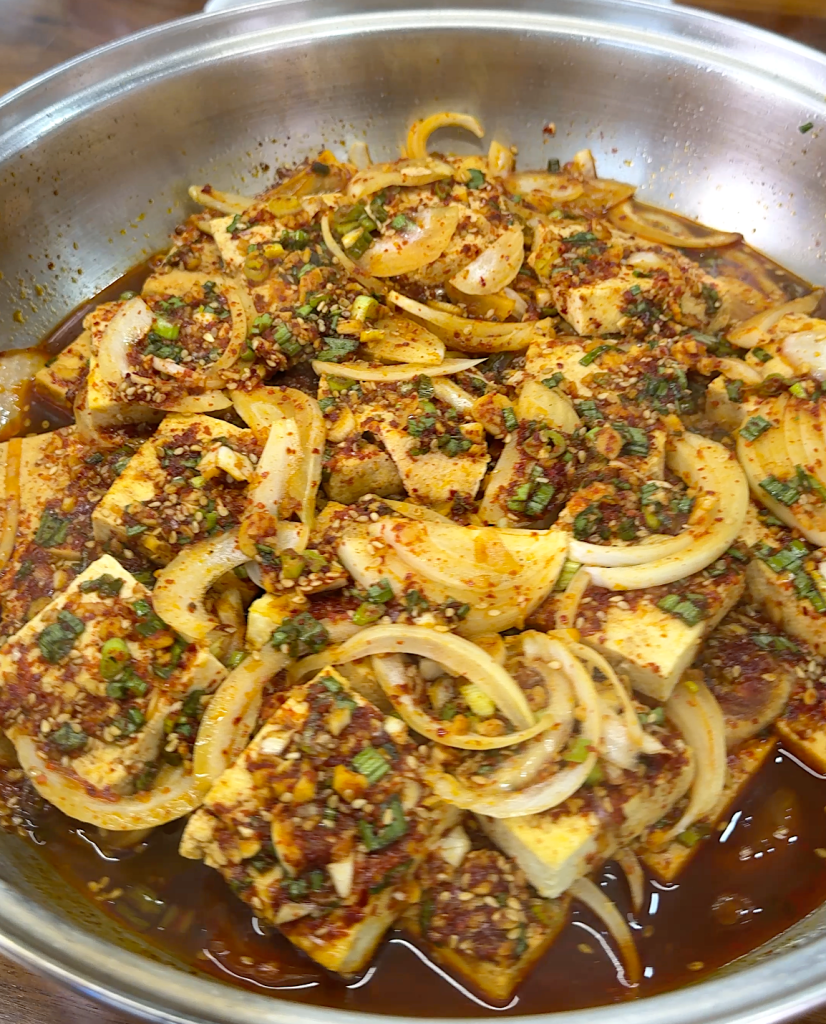
The cooking process typically involves two distinct stages. First, the tofu is pan-seared to create a golden, slightly firm crust. This Maillard reaction not only improves the mouthfeel of the dish but also provides a structural barrier that prevents the tofu from disintegrating during the subsequent braising phase. Second, the braising liquid—typically a mixture of soy sauce, gochugaru (Korean red pepper powder), garlic, scallions, and a sweetener such as sugar or honey—is added to the pan.
The simmering process is conducted over low to medium heat, allowing the sauce to reduce and caramelize around the tofu. This transformation, occurring over approximately 30 minutes of cook time, turns the braising liquid into a glaze. The result is a dish that offers a spicy, savory kick that stimulates the appetite, contrasting sharply with the soft, creamy interior of the tofu block.
Nutritional Implications and Market Trends
From a nutritional perspective, tofu is a significant source of plant-based protein, containing all nine essential amino acids. A single block of firm tofu provides a substantial amount of calcium, manganese, and iron. For vegetarians and vegans, Dubu Jorim is often cited as a "meat substitute" because of its density and its ability to carry heavy, umami-rich flavors that are often associated with braised meat dishes.

The global market for soy-based products has seen consistent growth over the past decade. Industry reports indicate that the shift toward plant-forward diets, driven by concerns over environmental sustainability and personal health, has increased the demand for accessible, high-protein recipes. Dubu Jorim aligns with this global trend, offering a bridge between traditional ethnic cuisine and modern dietary preferences. As consumers seek to reduce their reliance on animal proteins, traditional dishes that provide high satisfaction levels—without the high caloric or environmental cost of meat—are gaining traction in international markets.
Chronology of Culinary Adoption
While the exact origins of the first braised tofu recipe remain unrecorded in formal history, the evolution of the dish followed the general expansion of the Korean spice trade. The introduction of the chili pepper to Korea in the late 16th century was the definitive turning point for the dish. Prior to this, jorim preparations were largely soy-based and lacked the distinctive heat that characterizes contemporary Dubu Jorim.
- 16th Century: Introduction of chili peppers to the Korean peninsula, facilitating the creation of the modern spicy braising liquid.
- Late 19th Century: Standardization of banchan service in Korean restaurants, solidifying Dubu Jorim as a staple side dish in both domestic and public settings.
- 21st Century: The digital era facilitates the global dissemination of the recipe. Through social media and culinary blogs, the specific techniques of pan-searing and braising are being demystified for a global audience, leading to increased adoption in non-Korean households.
Analysis: Economic and Social Impact
The economic viability of Dubu Jorim cannot be overstated. In an era where food inflation is a persistent concern, tofu remains one of the most stable and affordable protein sources available to the average consumer. The simplicity of the ingredients—soybeans, aromatics, and basic condiments—makes the dish resilient to supply chain volatility that often affects meat and dairy prices.
Furthermore, the social significance of the dish lies in its role within the family dining structure. In Korean culture, the banchan system encourages communal eating, where multiple dishes are shared among diners. Dubu Jorim, being inexpensive and straightforward to prepare in large quantities, exemplifies the concept of "home cooking" that fosters communal bonds. It is a dish designed for sharing, reflecting the cultural emphasis on collective experience over individual serving sizes.

Professional Perspectives on the Dish
Culinary experts frequently highlight the importance of high-quality gochugaru in the success of the dish. The grade of the red pepper powder dictates the depth of the color and the nuance of the heat. Experts advise that while commercial powders are widely available, the "coarse grind" variety is preferred for braising to ensure that the texture of the sauce remains consistent and does not become overly grainy or pasty.
Regarding equipment, the use of vacuum-sealed containers for storage—such as those commonly utilized in the fermentation of kimchi—is also recommended by professionals. By storing the leftovers in airtight conditions, the tofu continues to marinate in the residual sauce, often improving in flavor within the first 24 hours of refrigeration. This indicates that the dish is not only a functional meal for the immediate dinner hour but also an excellent candidate for meal prepping.
Broader Implications for Global Cuisine
The rise of Dubu Jorim in the international culinary scene is a microcosm of the "fusion of traditions" movement. As global kitchens adopt the techniques of the East, we see a broader integration of braising as a preferred method for plant-based proteins. This shift suggests a move away from the "meat-and-potatoes" model toward a more diverse, spice-centric model of dining.
The success of the dish rests on its ability to solve the "blandness problem" inherent in unprocessed tofu. By treating the tofu as a sponge for flavor rather than as a primary protein to be masked, the jorim method offers a blueprint for how other plant-based ingredients can be treated to satisfy a global palate.

In conclusion, Dubu Jorim stands as a testament to the sophistication of Korean culinary traditions. By utilizing a simple, time-honored braising process, it transforms a humble ingredient into a nutrient-dense, flavorful, and economically viable meal. As the global shift toward plant-based nutrition continues, the techniques embodied in this dish offer valuable insights into how healthy eating can remain indulgent and culturally rich. Whether viewed as a staple of Korean history or a modern solution to contemporary dietary needs, Dubu Jorim remains an essential study in the art of the braise.
