

The vibrant red tents known as pojangmacha serve as a cornerstone of South Korean social life, representing a deeply rooted culinary and cultural institution. These ubiquitous street-side establishments, typically found in urban centers across Seoul and beyond, function as informal hubs where locals gather for late-night meals and beverages. For both the uninitiated tourist and the expatriate resident, understanding the nuanced etiquette of the pojangmacha is essential for navigating the local social landscape with decorum.

Historically, the pojangmacha emerged as a resilient symbol of Korea’s rapid urbanization in the late 20th century. During the post-war economic development era, these mobile or semi-permanent stalls provided affordable, accessible dining for laborers and office workers. While many modern iterations have transitioned into more formal, albeit temporary, structures, the core philosophy remains unchanged: they are egalitarian spaces for camaraderie. According to data from the Seoul Metropolitan Government, while the number of licensed street vendors has fluctuated due to zoning regulations, the cultural demand for these venues remains robust, with hundreds of thousands of transactions occurring annually in districts like Jongno and Mapo.

The Hierarchical Framework of Social Drinking
In Korean society, the act of consuming alcohol is rarely an isolated activity; it is a ritualistic social performance guided by Confucian principles of respect and seniority. These traditions are not merely ceremonial but serve to reinforce the social cohesion of the group.

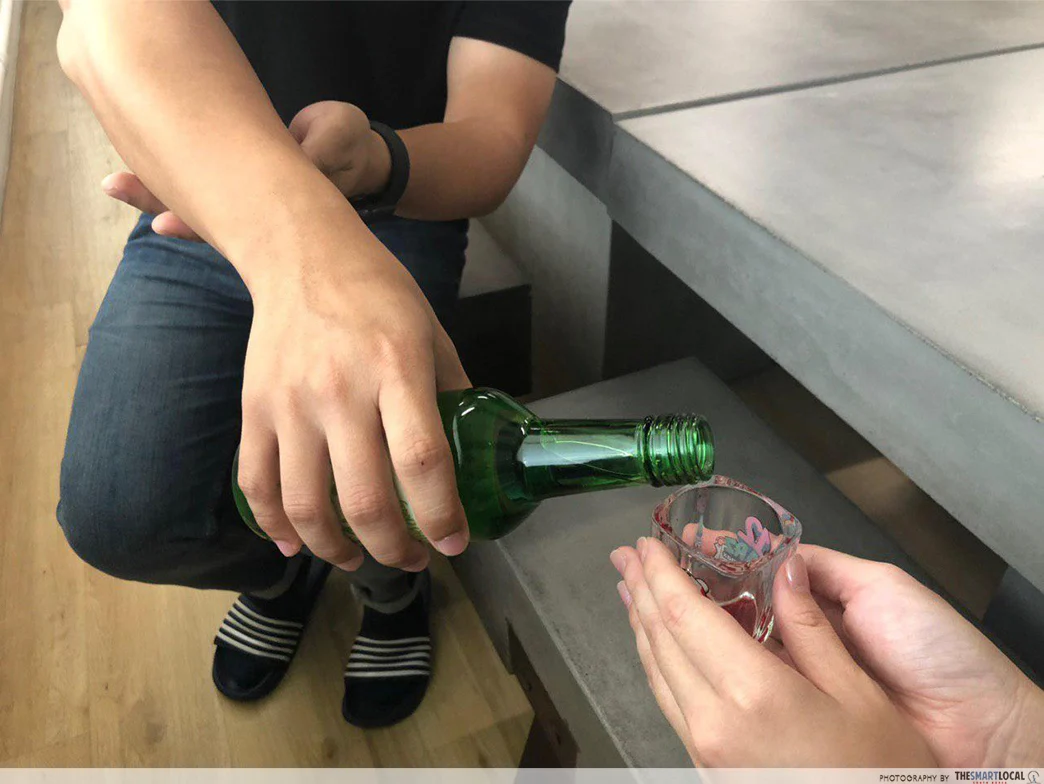
The foundational rule involves the management of the pouring process. By custom, the most senior person at the table—whether defined by chronological age or professional rank—is afforded the privilege of pouring the first glass. Following this initial gesture, the responsibility shifts to the youngest members of the group to ensure that no glass remains empty. This cycle of service functions as a silent acknowledgment of the group’s internal hierarchy.

Physical gestures are equally significant. When pouring, one should utilize the right hand to hold the bottle while placing the left hand under the right elbow or wrist. This movement is a deliberate demonstration of humility and deference. Conversely, when receiving a drink, the guest must hold their glass with both hands to signify gratitude and respect. While these rules may relax in informal settings among close peers, maintaining these standards is widely regarded as a mark of cultural competence and social maturity.

Rituals of Engagement and Consumption
The act of clinking glasses is governed by specific spatial logic. When toasting, a person of lower status must ensure the rim of their glass is positioned slightly below that of their senior. This physical lowering of the vessel mirrors the social hierarchy. Furthermore, when drinking, it is customary to turn one’s head away from the elder or superior, shielding the act of consumption behind one’s hand. This practice, rooted in historical etiquette, emphasizes the maintenance of decorum even in a relaxed environment.

For the first round, it is expected that all participants consume their drinks in a single motion, a practice known as the "first glass" tradition. This act symbolizes unity and a collective commitment to the social evening. Subsequent drinks may be consumed at a more moderate pace, though the prohibition against refilling one’s own glass remains absolute. To pour for oneself is interpreted as an indication of social isolation or a lack of group cohesion.

The Culinary Landscape of Anju
No visit to a pojangmacha is complete without the consumption of anju, a diverse category of food specifically designed to pair with alcoholic beverages. Unlike western bar snacks, which often lean toward fried or salty items, Korean anju is a sophisticated culinary category that balances texture, spice, and temperature.

The menu at a typical tent is curated to complement specific spirits:

- Soju: The national spirit of Korea, a clear, distilled liquor made from rice or other starches. It pairs exceptionally well with fatty or spicy proteins, such as dalgttongjip (stir-fried chicken gizzard) or odolppyeol (spicy stir-fried cartilage).
- Makgeolli: A traditional, unfiltered rice wine characterized by its milky appearance and sweet-tart profile. This beverage is traditionally paired with jeon, or savory pancakes, particularly on rainy days—a cultural association so strong that it often leads to a spike in demand for both products during inclement weather.
- Somaek: A popular "bomb" drink consisting of a shot of soju dropped into a glass of beer. This creation is indicative of the modern Korean penchant for blending traditional spirits with contemporary leisure habits.
Economic and Social Implications
The preservation of the pojangmacha culture presents a complex challenge for urban planners. As cities modernize and traditional street-side stalls face pressure from commercial development, the preservation of these spaces is often debated. Supporters argue that pojangmacha are vital "third places"—social environments distinct from the home and the office—that facilitate mental health and social decompression.

Critics, however, point to sanitation and licensing concerns. Official reports from the Seoul Health Department have historically emphasized the need for stringent hygiene standards, leading to the gradual professionalization of these vendors. Today, most reputable pojangmacha operate under strict health codes while striving to retain their nostalgic, open-air atmosphere.

Practical Advice for Visitors
For those intending to visit a pojangmacha, preparedness is key. First, most of these venues operate on a cash-only basis; the absence of digital payment infrastructure is a deliberate choice to keep operations simple and overhead low. Second, the ability to recognize when to decline a drink is a vital skill. If a patron has reached their limit, they should leave their glass partially filled rather than empty, which serves as a polite, non-verbal signal that they are not seeking a refill.

Furthermore, the "Love Shot"—a practice where two people hook their arms together to drink simultaneously—should be viewed as a gesture of deep friendship or reconciliation. While often portrayed in media as a romantic gesture, in a professional or social context, it is a method of dissolving tension between individuals.

Conclusion
The pojangmacha is far more than a venue for alcohol consumption; it is a historical archive of Korean social behavior. By adhering to the established etiquette—respecting seniority, maintaining proper pouring techniques, and appreciating the culinary craft of anju—visitors can transcend the role of a mere tourist and participate in an authentic piece of Korean life. As these red tents continue to evolve within the urban landscape, they remain an essential destination for those seeking to understand the intersection of tradition, community, and hospitality in South Korea.
