

The culinary landscape of Korea is defined by its sophisticated reliance on fermented foundations, with doenjang (fermented soybean paste) serving as a pillar of the national diet. Among the myriad ways this savory, earthy ingredient is utilized, one of the most quintessential summer preparations is Gochu Doenjang Muchim, a side dish featuring fresh green chili peppers tossed in a robust, umami-rich soybean paste dressing. This dish, celebrated for its simplicity and nutritional profile, serves as a testament to the Korean philosophy of balancing fermented depth with the seasonal brightness of garden-fresh vegetables.
The Historical and Cultural Context of Doenjang Muchim
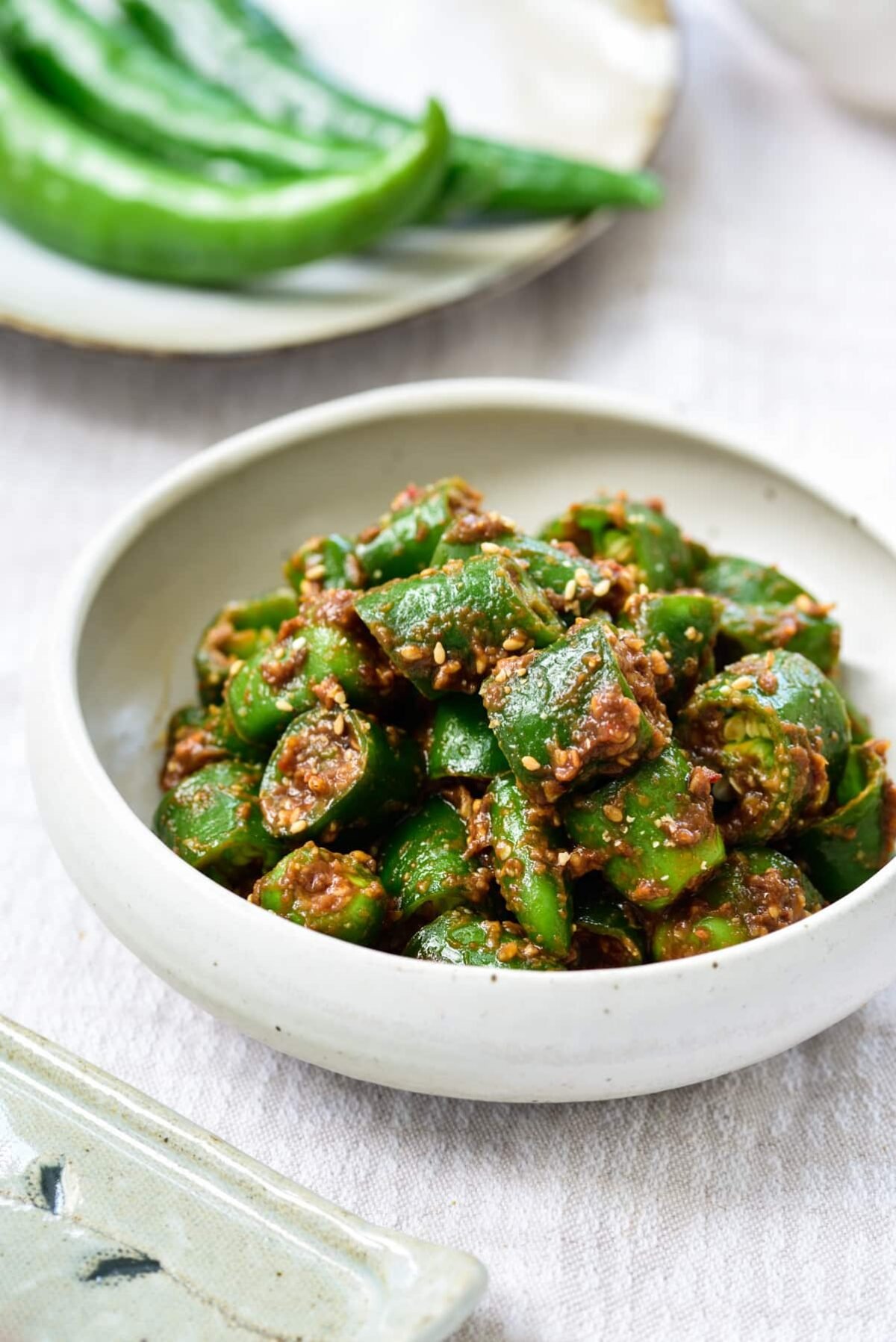
The practice of seasoning vegetables with doenjang, collectively known as doenjang muchim, dates back centuries. While historical records from the Joseon Dynasty highlight the importance of fermented sauces in preserving food, the modern iteration of this specific dish—utilizing raw, crisp chili peppers—has become a staple in contemporary Korean households. The dish serves a dual purpose: it acts as a palate cleanser during heavy meals, particularly those featuring grilled meats like samgyeopsal (pork belly), and provides a concentrated source of probiotics through the raw, unheated fermented paste.
In traditional Korean culinary arts, the "muchim" (tossed salad) category relies on the freshness of the primary vegetable. By using raw chili peppers, the chef maintains a structural integrity that contrasts with the softness of the paste, creating a mouthfeel that is highly prized. This method of preparation differs significantly from other common namul (vegetable) dishes, which typically require blanching or sautéing. Because the peppers are not cooked, they retain a high concentration of Vitamin C and capsaicin, the latter of which is often credited in nutritional studies with boosting metabolism and aiding digestion.
Selecting the Ideal Chili Pepper: The Rise of Asagi Gochu
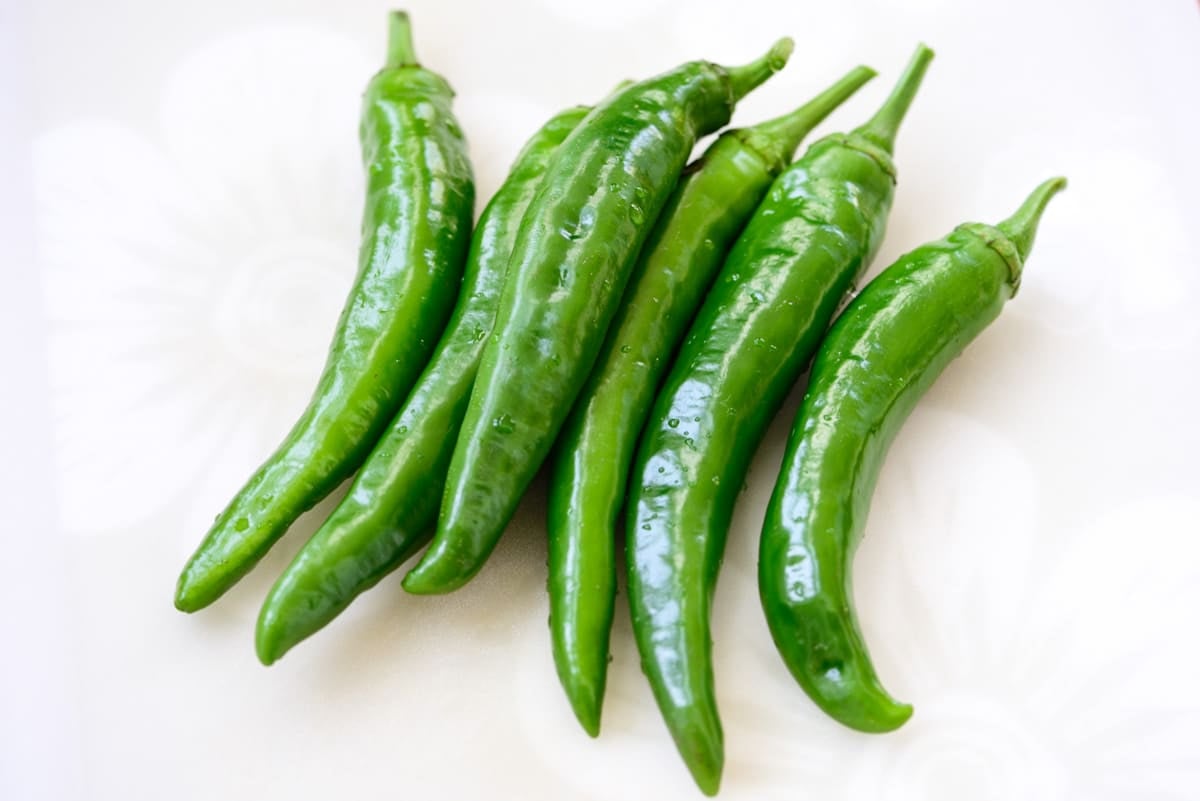
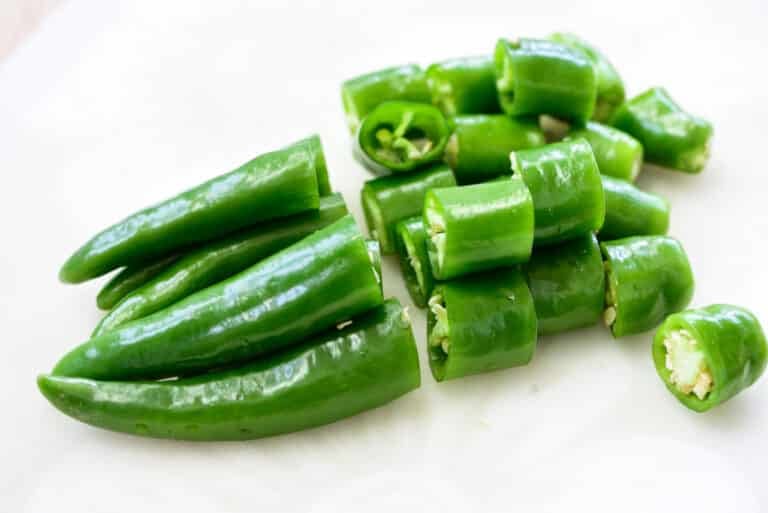
The success of Gochu Doenjang Muchim depends heavily on the selection of the chili pepper. The culinary standard for this dish is the asagi gochu, often referred to as "cucumber chili" due to its remarkably high water content and mild flavor profile. Unlike the fiery Cheongyang chili, which is cultivated for intense heat, the asagi gochu is bred for texture.
Market data from agricultural cooperatives in South Korea indicates that demand for mild, crunchy pepper varieties has increased steadily over the last decade, driven by a consumer preference for "snackable" vegetables. These peppers, which typically measure between 10 to 15 centimeters in length, are harvested before they reach full maturity, ensuring a thinner skin and a lack of aggressive spice. For home cooks and culinary professionals alike, the asagi gochu represents an ideal equilibrium; it provides the crunch of a cucumber and the subtle, grassy aroma of a green pepper without overwhelming the complex, salty notes of the doenjang sauce.
The Science of the Doenjang Dressing
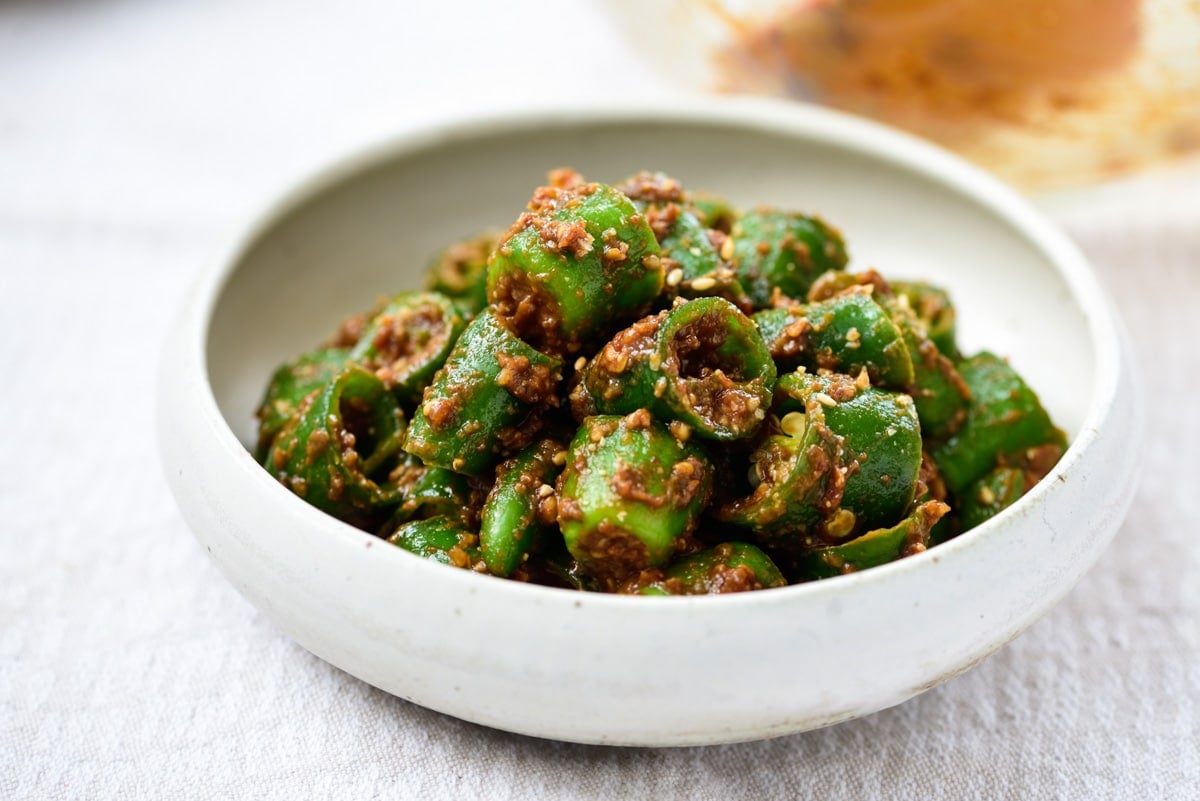
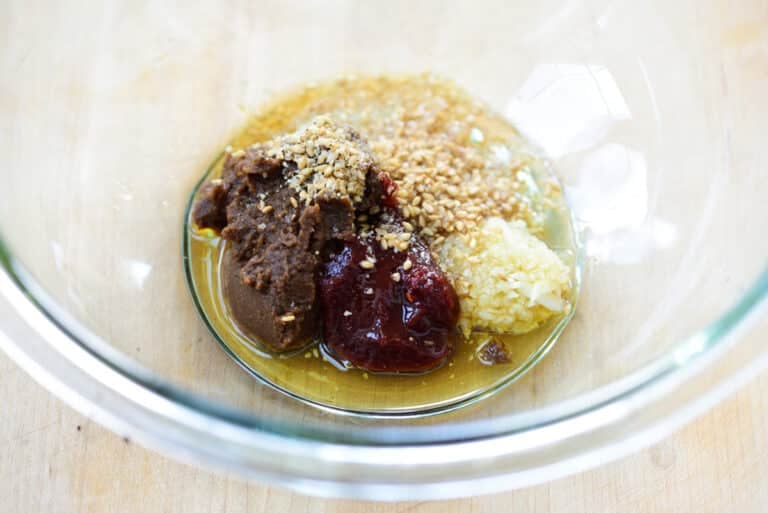
The dressing is the functional heart of the dish. A traditional mixture typically combines doenjang with a small quantity of gochujang (red chili paste) to provide a subtle sweetness and depth of color. From a biochemical perspective, the interaction between the amino acids in the fermented soybean paste and the sugars present in the fresh peppers creates a flavor synergy.
Culinary experts note that the addition of sesame oil is not merely for aroma but acts as a surfactant, ensuring the viscous paste adheres evenly to the smooth surface of the chili peppers. Furthermore, the inclusion of minced garlic and toasted sesame seeds adds layers of pungency and nuttiness that balance the inherent saltiness of the fermented base. Because the salt content in commercially produced doenjang can vary significantly—often ranging from 8% to 15%—chefs and home cooks are advised to calibrate the mixture based on the specific brand’s sodium profile.
Chronology of Preparation and Service
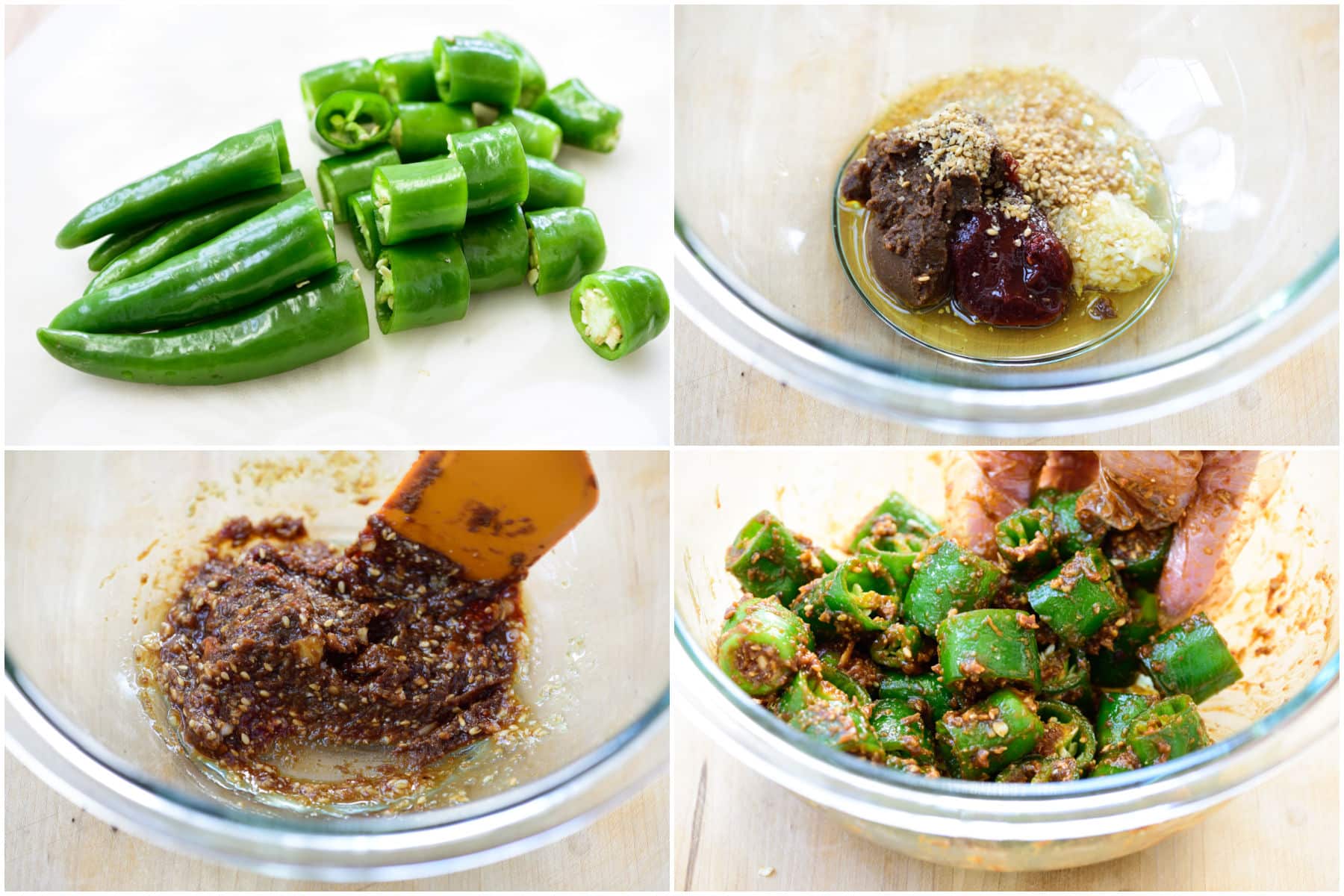
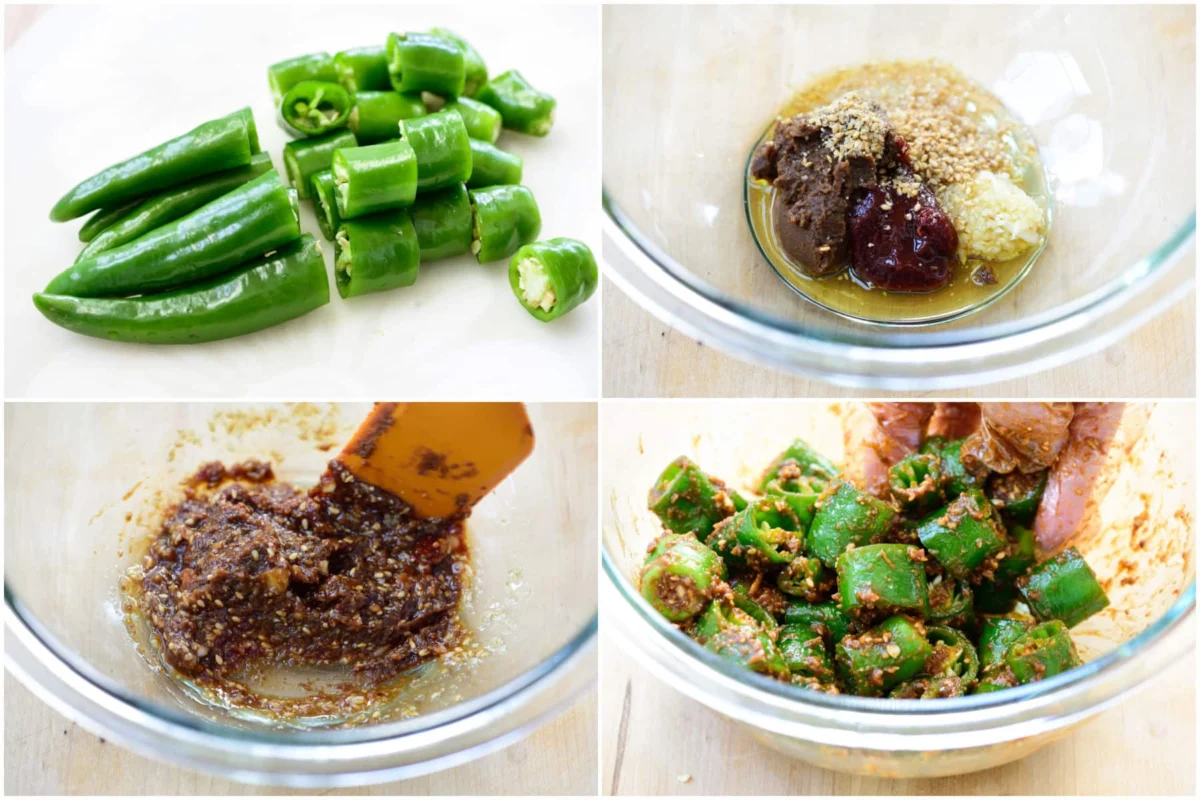
The preparation of Gochu Doenjang Muchim is noted for its efficiency, typically requiring less than ten minutes of active labor. The standard operational procedure involves three distinct phases:
- Preparation: The peppers are washed and sliced into uniform, bite-sized rounds. Removing the seeds is optional, though often done to ensure a cleaner texture.
- The Emulsion: The doenjang base is prepared by mixing the paste with aromatics, a touch of honey or sugar, and a binding agent such as sesame oil.
- The Assembly: The peppers are gently tossed with the sauce immediately before service. This timing is critical; as salt is hygroscopic, it draws moisture out of the peppers if the dish sits for too long, leading to a loss of the prized crunch.
Data and Nutritional Implications
Nutritionally, this dish is highly efficient. A serving of Gochu Doenjang Muchim provides a significant amount of dietary fiber and beneficial bacteria. Fermented soybeans are a well-documented source of isoflavones, which have been linked in various longitudinal studies to heart health and improved bone density. When paired with the high-fiber content of the green peppers, the dish serves as a low-calorie, nutrient-dense addition to a larger meal.
However, public health experts caution that the sodium content of the doenjang sauce should be monitored by those with dietary restrictions. While the fermentation process creates a healthy probiotic environment, the total sodium intake remains a factor to consider in the context of the broader Korean diet, which is historically high in preserved and salted ingredients.
Market Impact and Global Culinary Adoption
The rise of Korean cuisine (K-Food) on the global stage has facilitated a wider appreciation for such niche side dishes. While once confined to traditional domestic kitchens, Gochu Doenjang Muchim is increasingly appearing on the menus of modern Korean-fusion restaurants in major metropolitan hubs like New York, London, and Tokyo.
This trend is supported by the global rise of interest in fermentation. As international consumers become more familiar with kimchi, they are diversifying into other fermented soybean products. The simplicity of this dish makes it an accessible entry point for home cooks who are interested in Korean flavors but may be intimidated by more complex fermentation processes. By focusing on raw ingredients and a straightforward mixing technique, the dish demystifies the use of doenjang, framing it not just as a soup base but as a versatile condiment for fresh produce.
Strategic Considerations for Future Consumption
For those looking to integrate this dish into their diet, the seasonality of the ingredients remains the most significant constraint. While asagi gochu can be found in specialty markets year-round, the quality peaks during the summer months when the peppers are at their most crisp.
The longevity of the dish is, as previously noted, limited. Unlike kimchi, which improves with age due to ongoing fermentation, Gochu Doenjang Muchim is a "fresh-eat" preparation. Once the dressing is applied, the structural integrity of the vegetable begins to degrade. Culinary institutions recommend that if one must store the leftovers, they should be kept in an airtight container for no more than 48 hours to minimize texture loss.
Conclusion
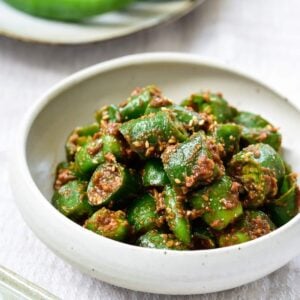
Gochu Doenjang Muchim remains a fundamental expression of Korean culinary ingenuity. It bridges the gap between the ancient tradition of fermentation and the modern demand for fresh, plant-forward nutrition. By elevating the humble green chili pepper through the use of aged soybean paste, this dish demonstrates how limited ingredients, when treated with respect for their natural properties, can yield a complex and satisfying result. As the culinary world continues to prioritize gut health and bold, fermented flavors, the relevance of this simple, time-honored dish is expected to grow, cementing its status as an essential component of the global Korean pantry.
