

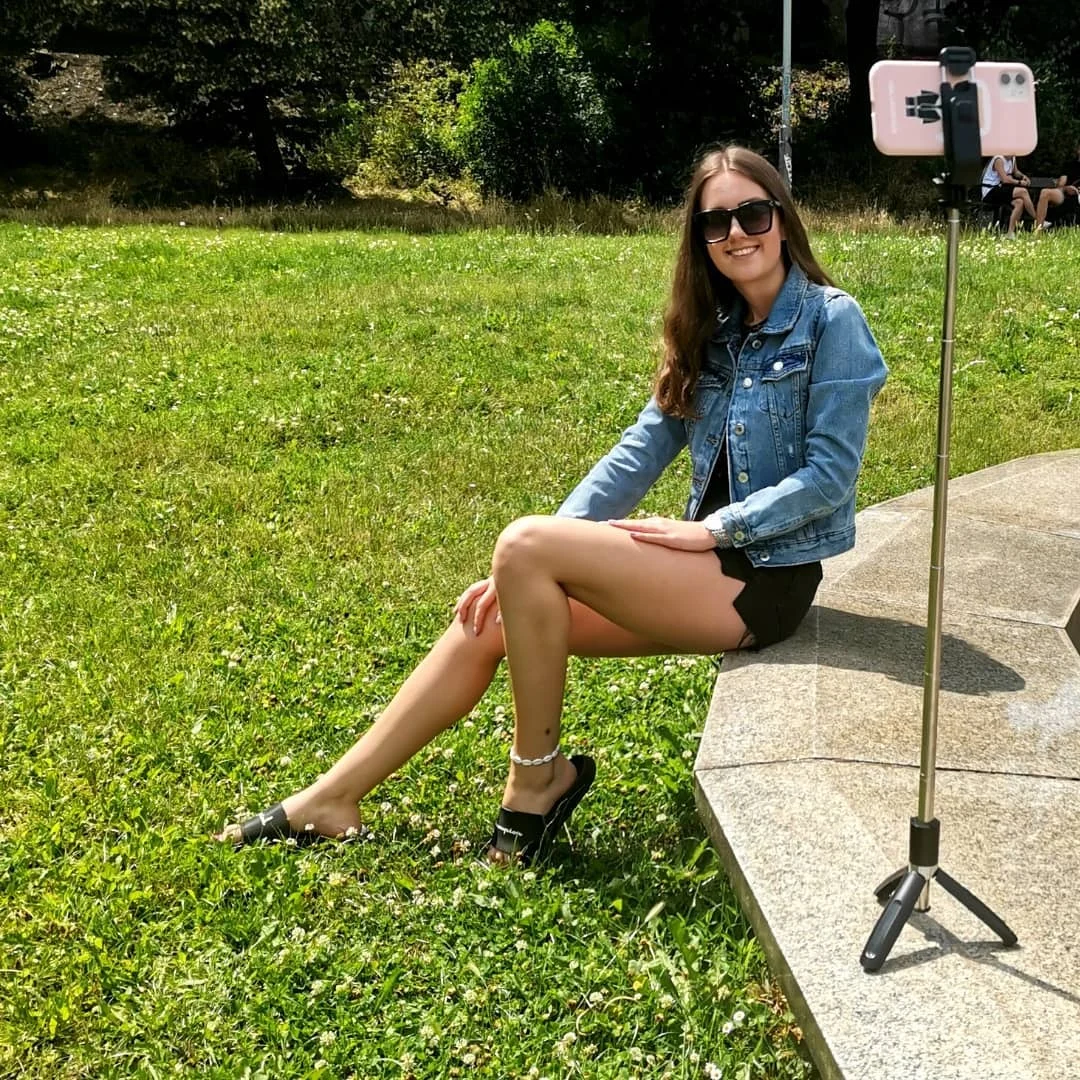
Solo travel in South Korea has surged in popularity over the last decade, transitioning from a niche pursuit to a mainstream trend supported by robust infrastructure and a high level of public safety. According to the Korea Tourism Organization, the number of international visitors traveling independently has seen a compound annual growth rate of approximately 12% leading into the 2020s, driven by the global popularity of Korean media and the accessibility of the country’s public transportation network. For the solo traveler, South Korea offers a unique blend of hyper-modern efficiency and deeply rooted tradition, though navigating the nuances of its social customs and urban logistics requires careful preparation.
Strategic Accommodation Selection and Safety Protocols
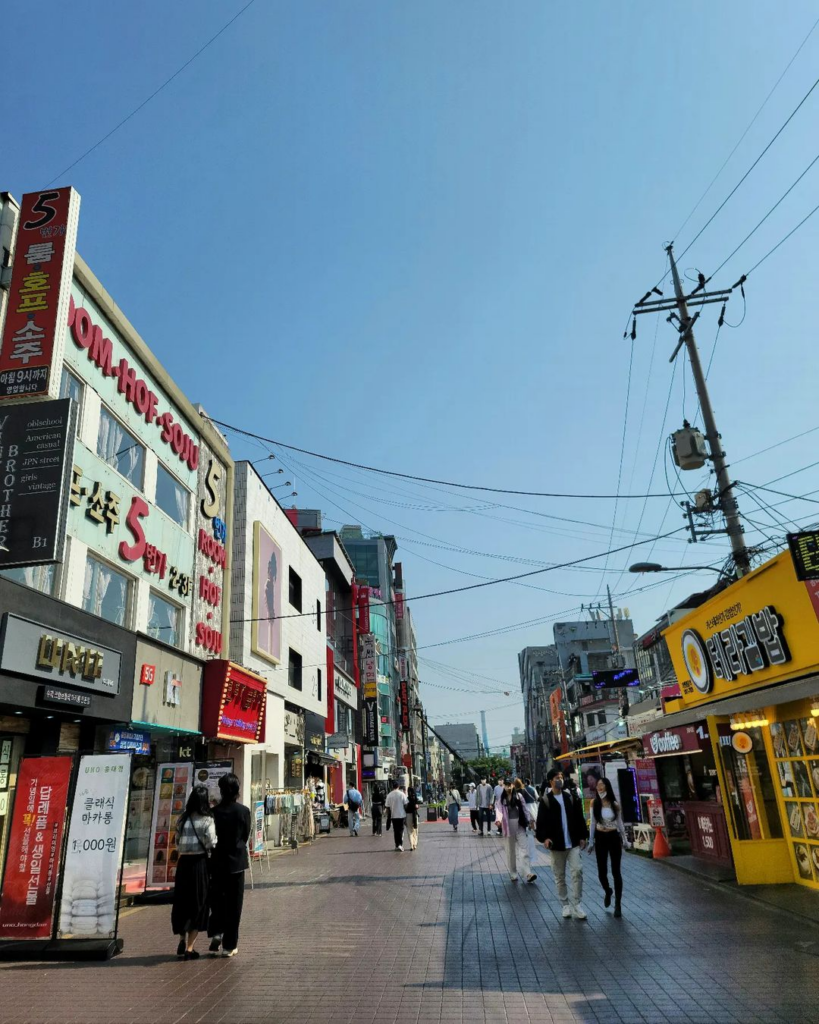
When planning a solo excursion to South Korea, the choice of accommodation is the foundational element of a successful trip. While South Korea consistently ranks among the safest nations globally, with low rates of violent crime, urban centers like Seoul and Busan still necessitate common-sense precautions. Industry analysts advise travelers to prioritize lodging in high-traffic, well-lit districts such as Myeongdong, Hongdae, or Gangnam. These areas offer the dual benefit of 24-hour connectivity via public transit and proximity to essential services.
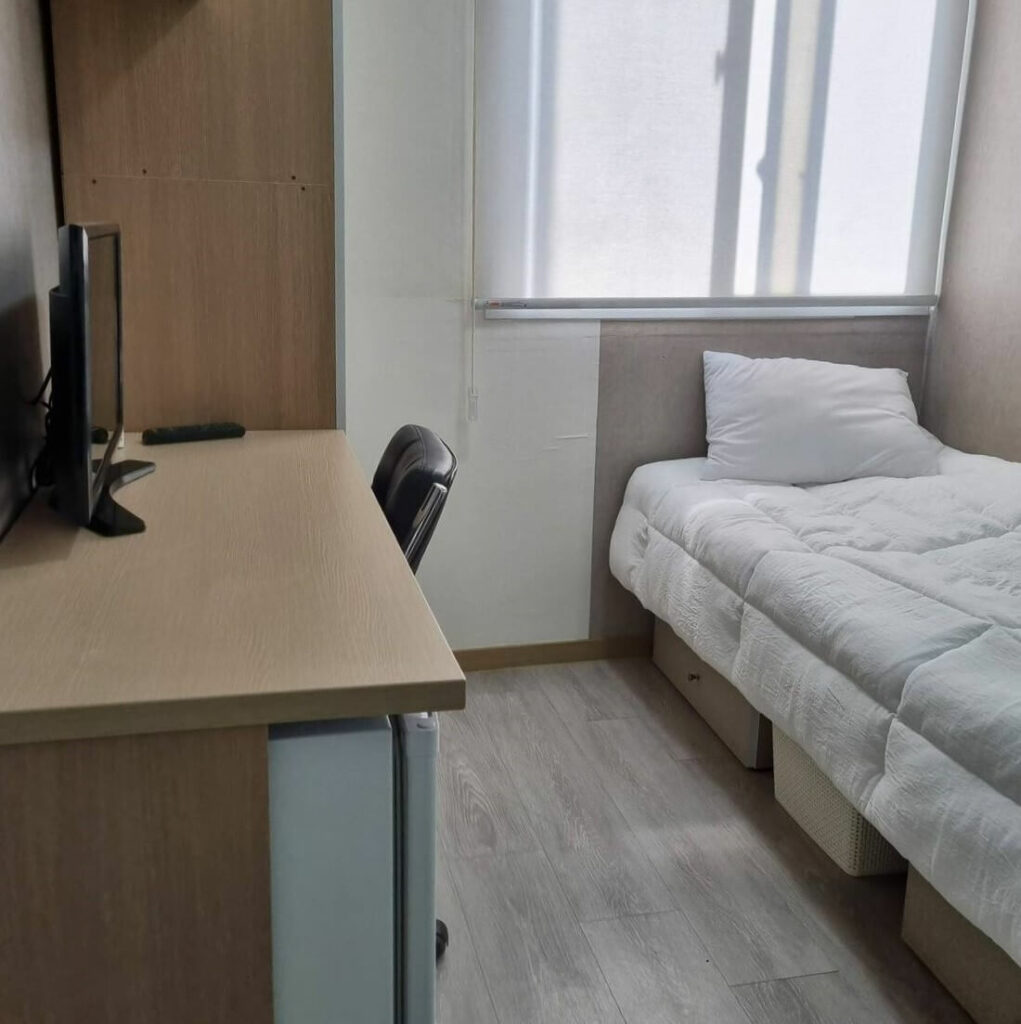
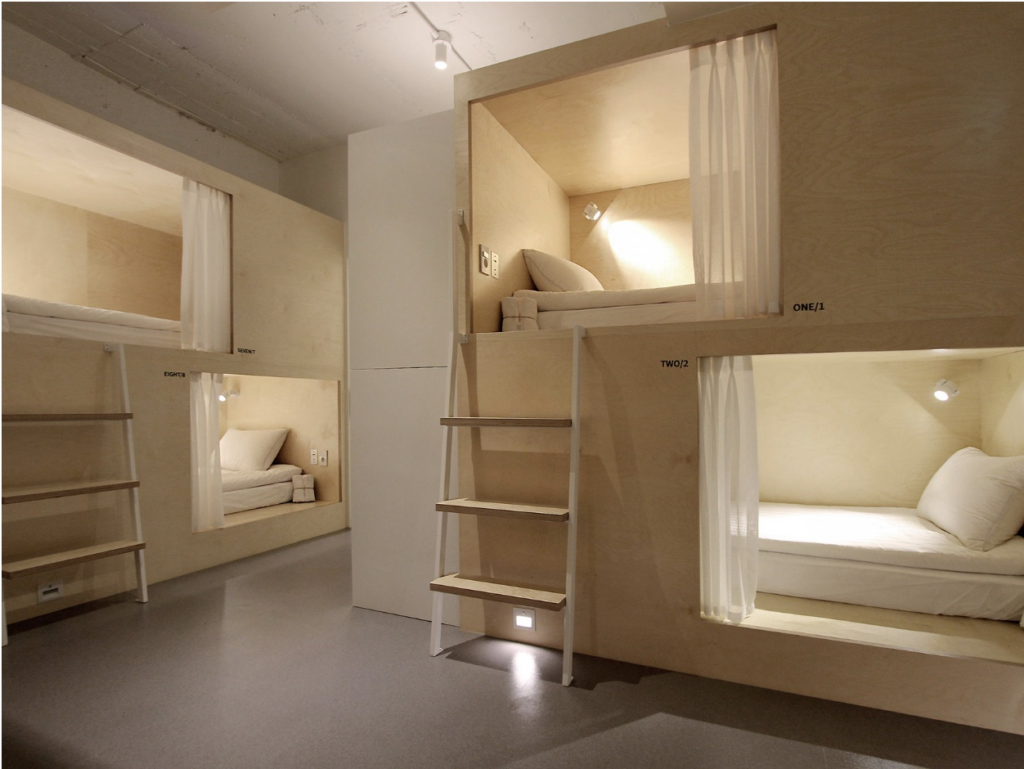
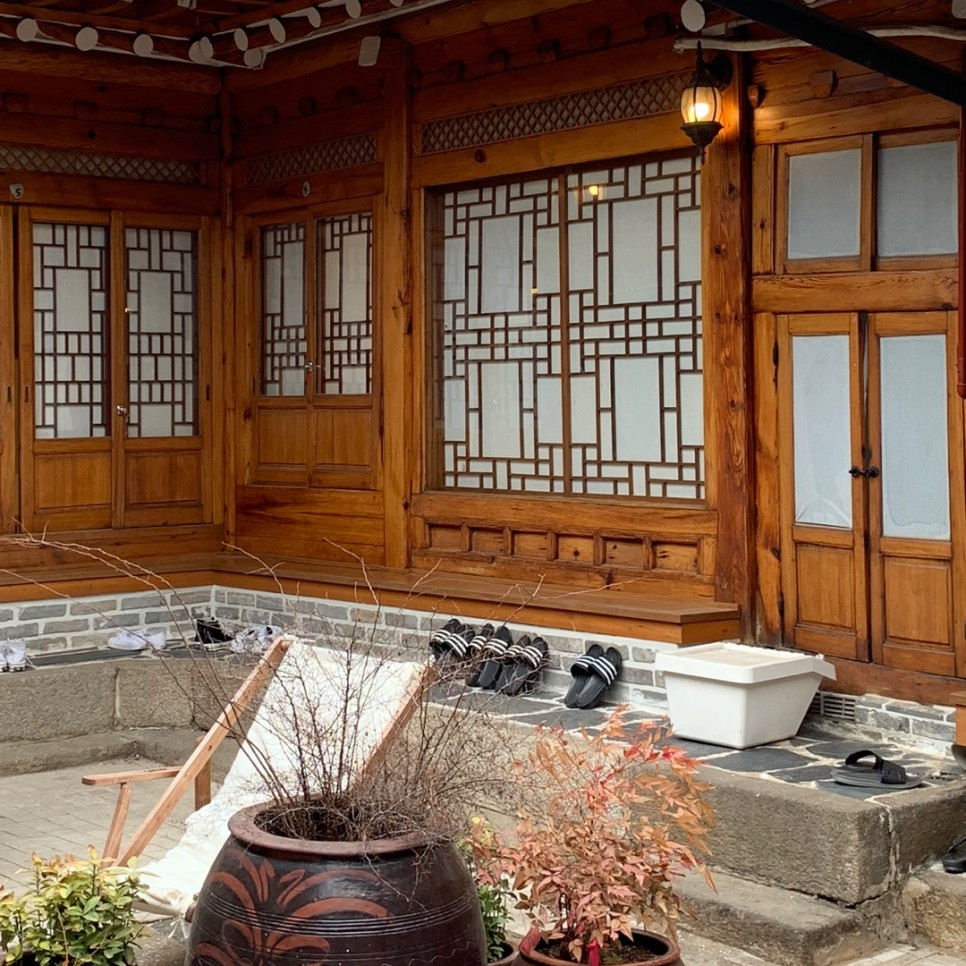
Data from hospitality sector reports indicates that for solo female travelers, the demand for gender-segregated accommodations has risen, leading to an increase in female-only hostels and boutique guesthouses. These establishments typically offer enhanced security features, such as biometric access and on-site staff, which provide both physical safety and peace of mind. Conversely, for travelers operating on a constrained budget, the goshiwon—originally designed as quiet, minimalist study rooms for students—has become a viable, albeit Spartan, lodging alternative. While these rooms are compact and often feature shared amenities, their ubiquity near universities and major transit hubs makes them a practical choice for long-term budget stays. For those seeking cultural immersion, hanok guest houses in areas like Bukchon or Jeonju provide a window into traditional architecture, updated with modern plumbing and climate control systems.
Logistical Efficiency: Transportation and Communication
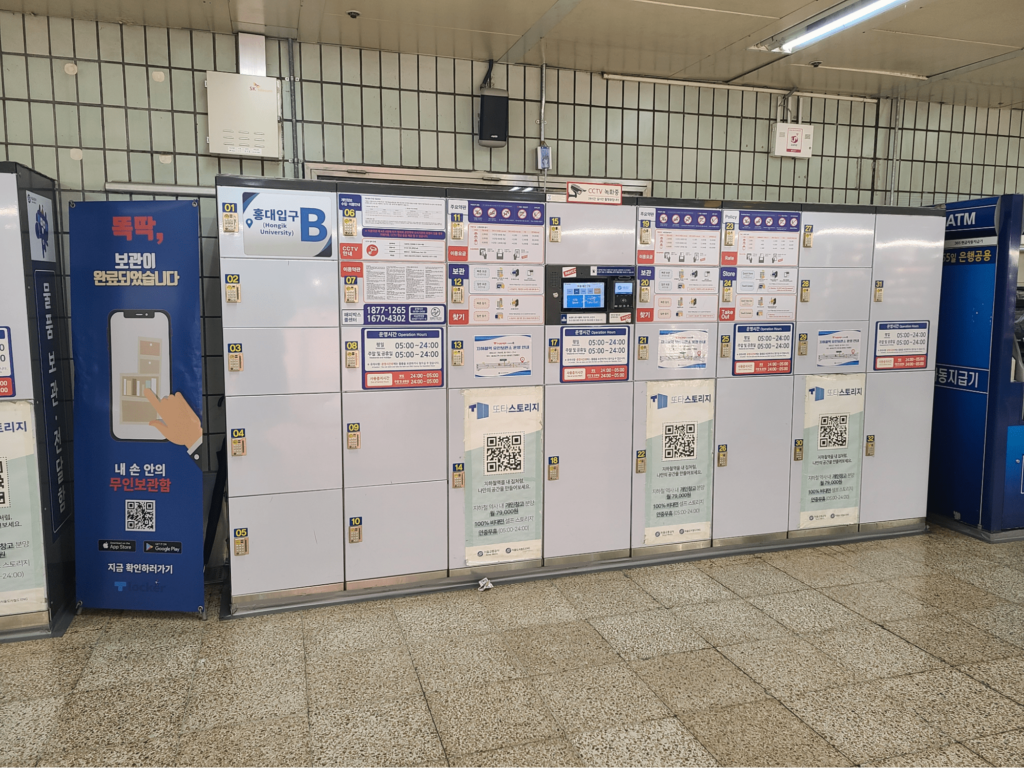
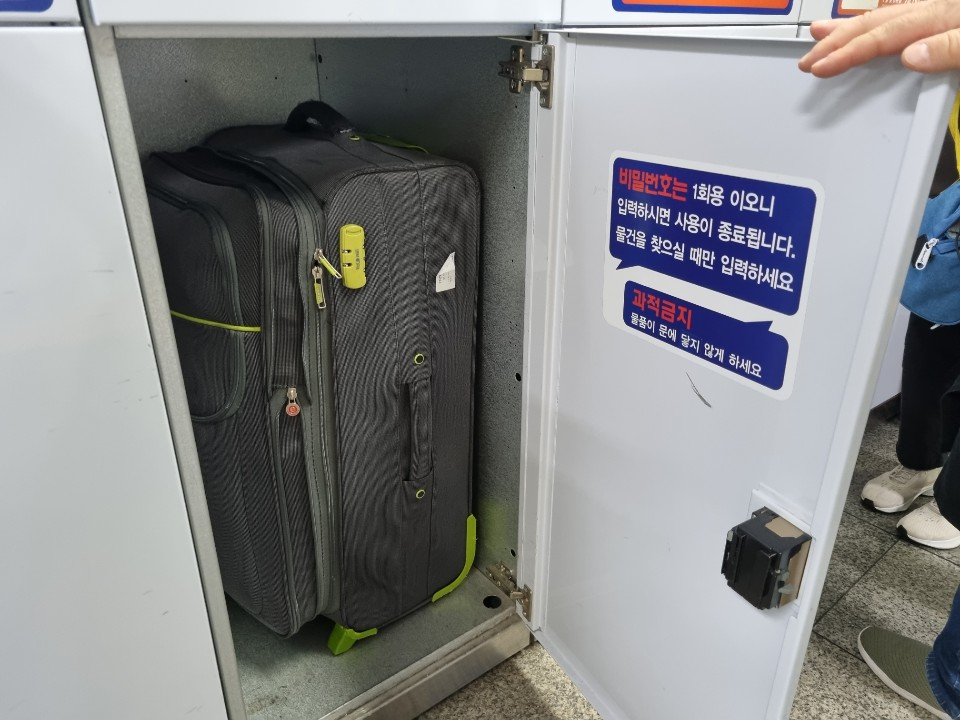
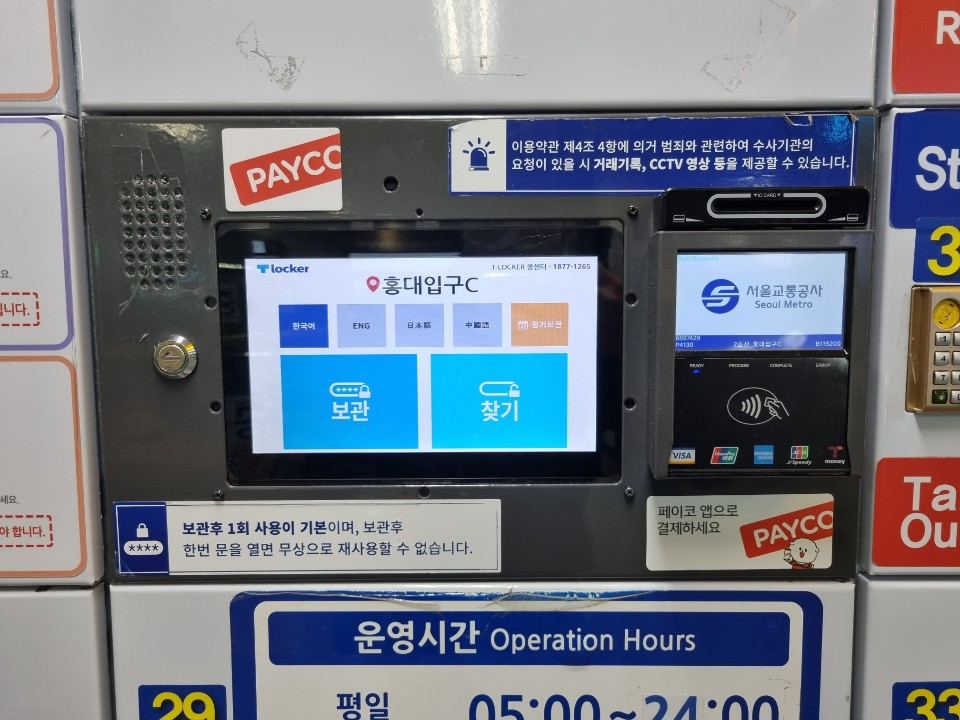
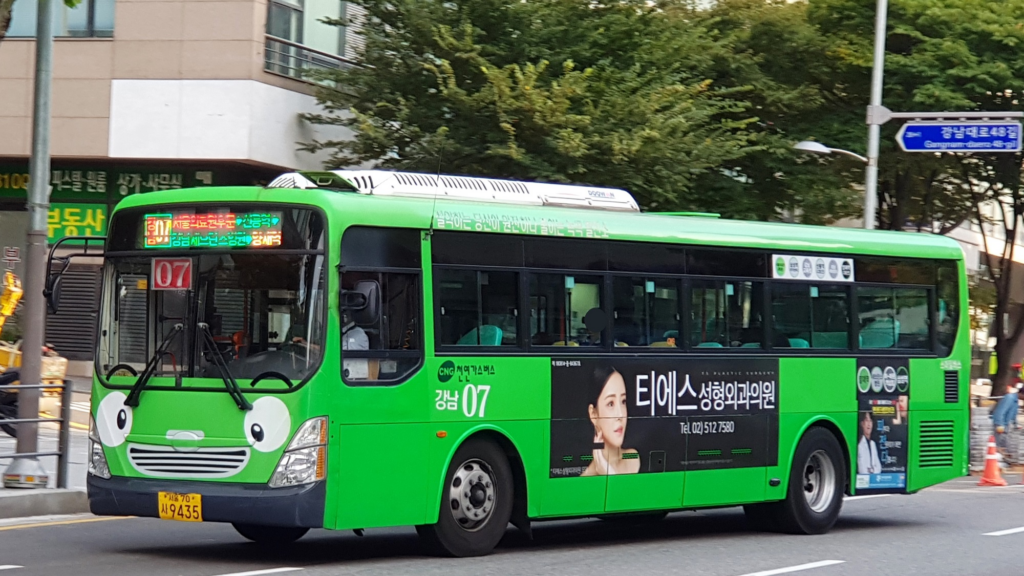
The backbone of South Korean travel efficiency is the T-money card system. This reloadable smart card is essential, providing seamless access to subways, buses, and even taxi payments and locker rentals. The integration of this system across all major cities reduces the friction of travel, allowing visitors to navigate complex transit routes without the need for cash or language-heavy interactions.
Regarding connectivity, the choice between a physical SIM card, an eSIM, or a portable Wi-Fi egg is a critical decision. Most modern travel experts recommend a local SIM card with a designated phone number. While Wi-Fi eggs provide reliable internet, they require daily charging and carry the risk of loss or damage. A local number is increasingly necessary for the digital ecosystem of Korea, particularly for accessing delivery applications, making restaurant reservations, and verifying accounts on local services.
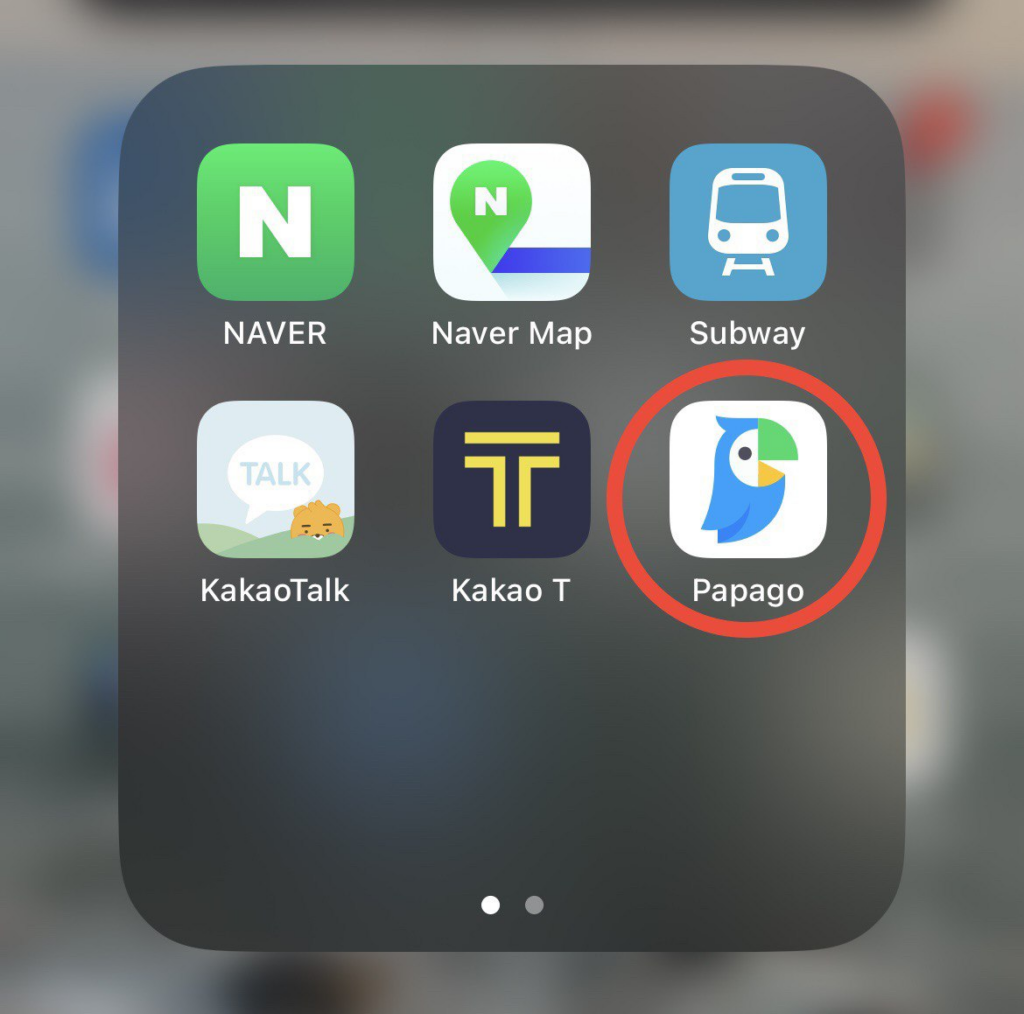
The language barrier, while often perceived as a significant hurdle, is effectively mitigated by the ubiquity of AI-driven translation tools. The Naver Papago application has emerged as the industry standard for travelers in Korea, offering superior accuracy for the Korean language compared to general-purpose global competitors. Its features—including voice-to-voice conversation, image translation for menus, and romanization for pronunciation—are indispensable for those navigating regions where English proficiency may be lower.
Culinary Navigation for the Solo Diner
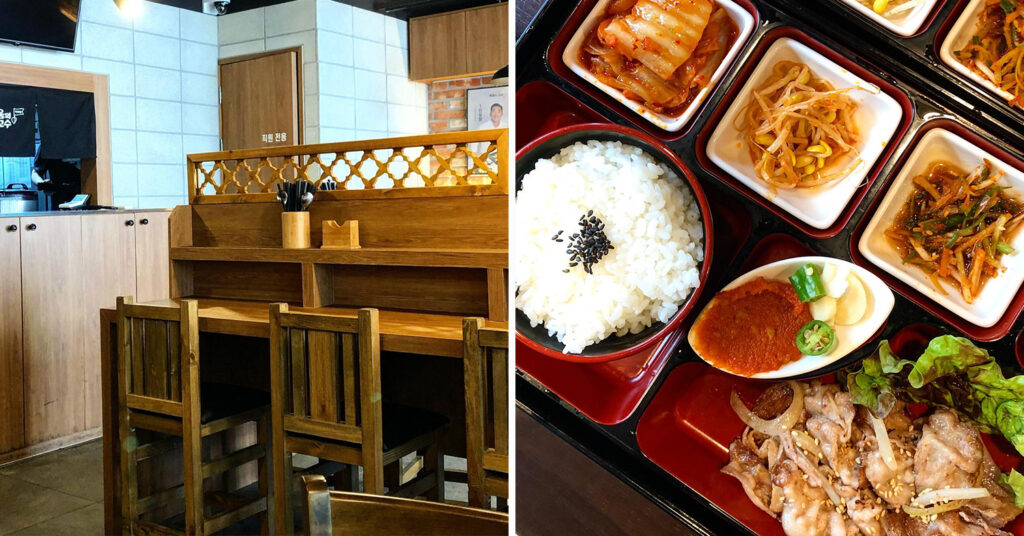
South Korean dining culture has traditionally been centered around communal eating, with dishes like Korean BBQ (samgyeopsal) frequently requiring a minimum of two diners due to grill table setup. However, the rise of "hon-bap" (the culture of eating alone) has forced a significant shift in the service industry.
The most accessible options for solo diners include:
- Fast Food Chains: Brands like Mom’s Touch, No Brand Burger, and international chains utilize advanced, English-language self-ordering kiosks, removing the anxiety of verbal ordering.
- Bunsik (Snack) Eateries: Chains such as Kimbap Heaven offer a diverse, affordable menu ranging from soups and stews to rice dishes, served in a fast-paced environment where solo dining is the norm.
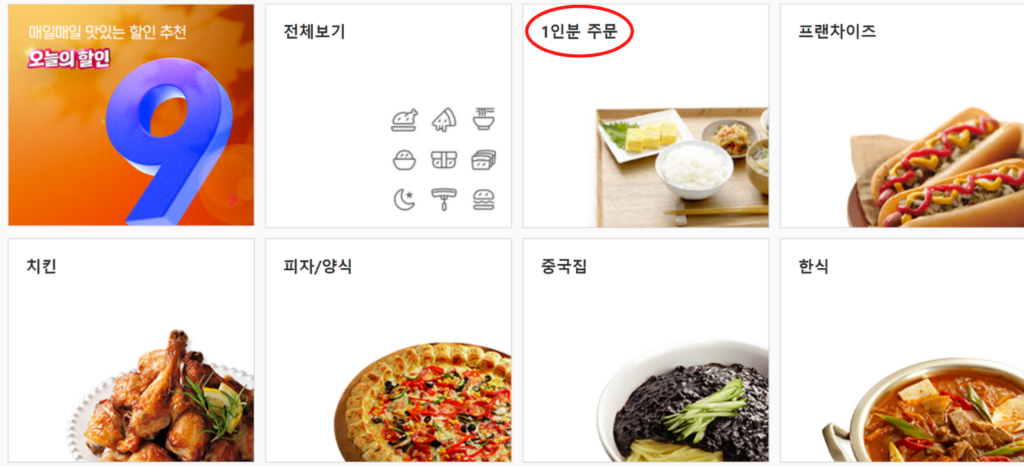
- Delivery Platforms: Applications like Yogiyo and Baedal Minjok have introduced specific "1-person serving" categories, allowing solo travelers to bypass the traditional minimum order requirements that previously excluded single diners.
For those determined to experience the communal atmosphere of Korean BBQ, specialized restaurants that offer solo-grill setups have begun to appear in districts like Hongdae and Itaewon. These venues acknowledge the growing market of solo travelers and provide counter seating specifically designed for single-person service.
Risk Mitigation: Lost Property and Contingency Planning

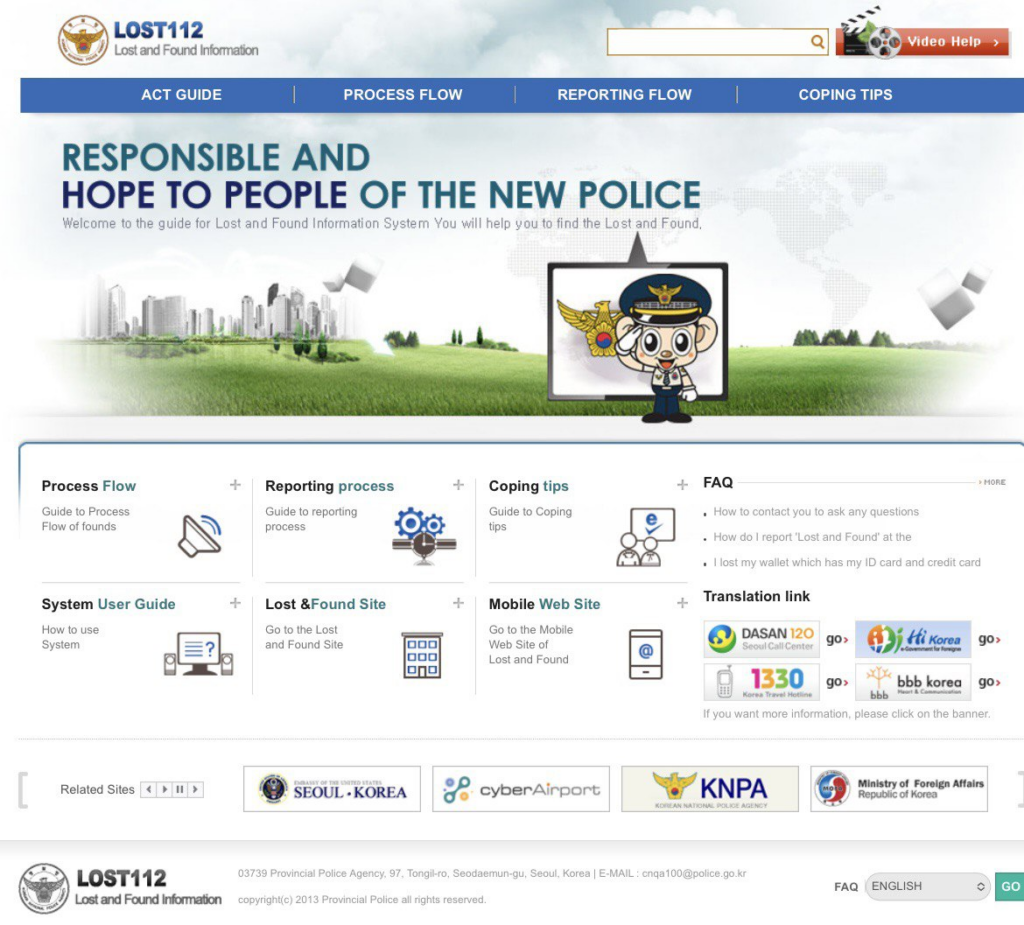
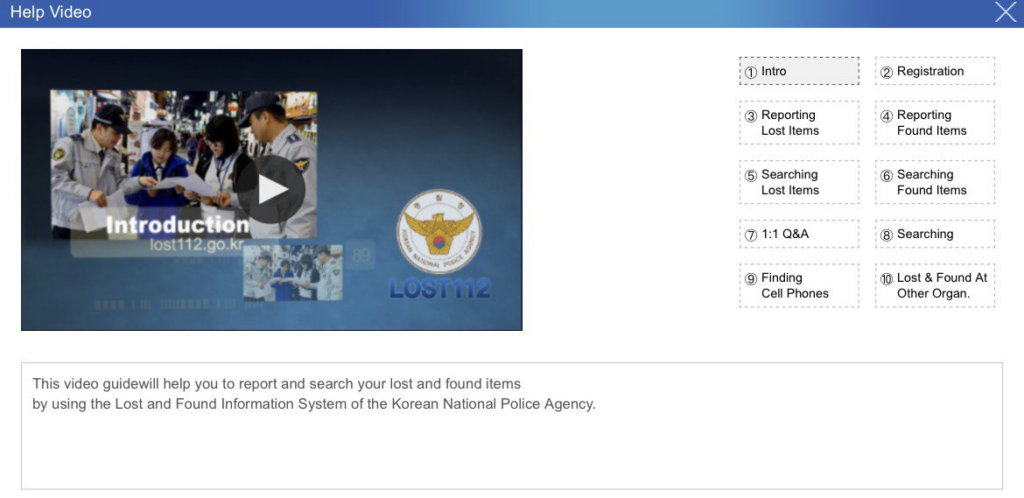
The frequency of lost items being returned to their owners in South Korea is notably high, a testament to the local social contract regarding property. Should a traveler misplace an item, the government-backed "LOST112" portal serves as the primary centralized database for recovered property. This service is accessible in multiple languages and provides a structured process for reporting and claiming items lost in public spaces, on transit, or in commercial venues.
Travelers are also advised to exercise caution during intercity travel. When utilizing long-distance buses, it is common practice for vehicles to stop at highway rest areas for 15-minute breaks. Travelers should note their bus’s license plate number—often displayed on the dashboard—as parking areas can be crowded with identical vehicles. Given the strict scheduling of these transport services, punctuality is mandatory; buses will typically depart at the scheduled time regardless of whether all passengers have returned to their seats.
Economic and Social Implications of Independent Travel
The rise of independent tourism in South Korea has prompted both policy and infrastructure changes. Local governments in major hubs are increasingly investing in multilingual signage, digital infrastructure, and tourist-friendly locker facilities at subway stations. These investments are not merely for convenience; they are strategic efforts to maintain the country’s competitive edge as a top-tier global travel destination.
From an economic standpoint, the "solo economy" in Korea is expanding. Businesses are adapting by creating smaller, more efficient consumer goods and service packages, ranging from solo-karaoke booths to single-portion food items. This evolution has broader implications for the tourism sector, suggesting that future developments will continue to favor personalization and digital integration.
For the solo traveler, the objective is to leverage these resources to create a seamless experience. By utilizing the country’s advanced digital tools, respecting local dining etiquette, and prioritizing high-visibility accommodation, travelers can navigate South Korea with confidence. The country remains one of the few destinations where the combination of high-tech efficiency and traditional safety allows for a truly independent and enriching travel experience, confirming its status as a premier location for the modern solo explorer.
