

The landscape of home horticulture is undergoing a quiet diversification as gardeners increasingly look beyond traditional western cultivars to cultivate specialized, culturally distinct crops. Drawing on over a decade of hands-on agricultural experience, master gardeners and culinary historians are highlighting an expanded roster of 18 traditional Korean vegetables suitable for home cultivation. This comprehensive seasonal planting guide aims to bridge the gap between authentic Korean gastronomy and backyard horticulture, offering enthusiasts access to unique ingredients that are frequently unavailable in standard commercial supermarkets.
For decades, the availability of authentic Korean produce outside of the Korean peninsula relied heavily on specialized import markets, often limiting non-immigrant populations and culinary hobbyists to a fraction of the nation’s diverse agricultural output. However, the rising global popularity of Korean cuisine—spurred by cultural exports, fermenting trends, and an increased interest in diverse regional flavors—has sparked a parallel surge in seed availability and home gardening interest. The cultivation of these 18 specialized plants not only enhances the authenticity of traditional dishes such as kimchi, namul, and ssam, but also introduces resilient, historically significant crops to modern soil.
Spring Planting: Capitalizing on Mild Temperatures
Agricultural experts emphasize that spring planting requires strict adherence to seasonal timelines, particularly for cool-season crops. These varieties thrive in the mild temperatures of early spring but are highly susceptible to bolting or developing a bitter flavor profile when exposed to summer heat.
Among the primary spring offerings is Jeok Sangchu, a specialized category of Korean red leaf and flower lettuces prized for their exceptional tenderness and subtle sweetness. Unlike standard western romaines or iceberg varieties, these lettuces are specifically cultivated for structural pliability, making them optimal for ssam—the traditional practice of wrapping grilled meats and rice.
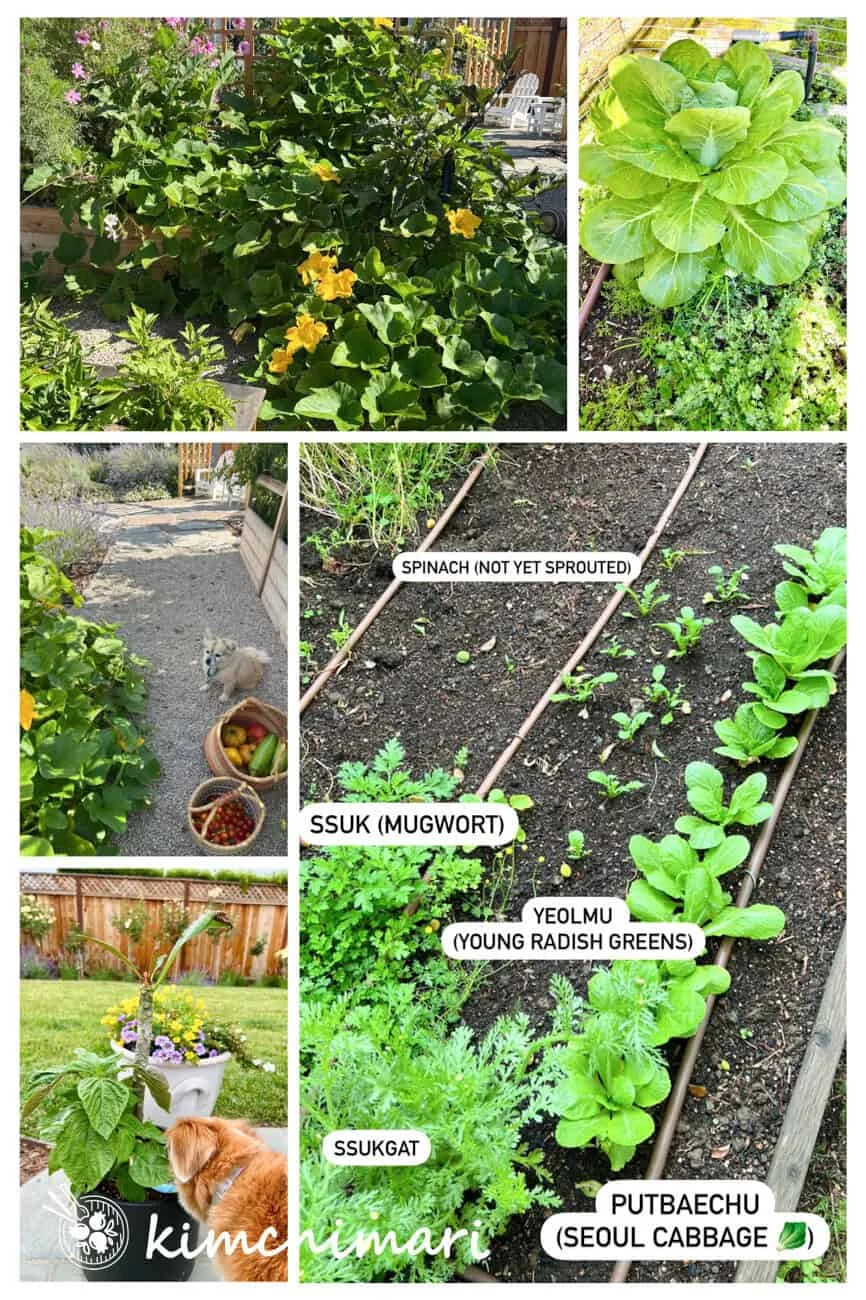
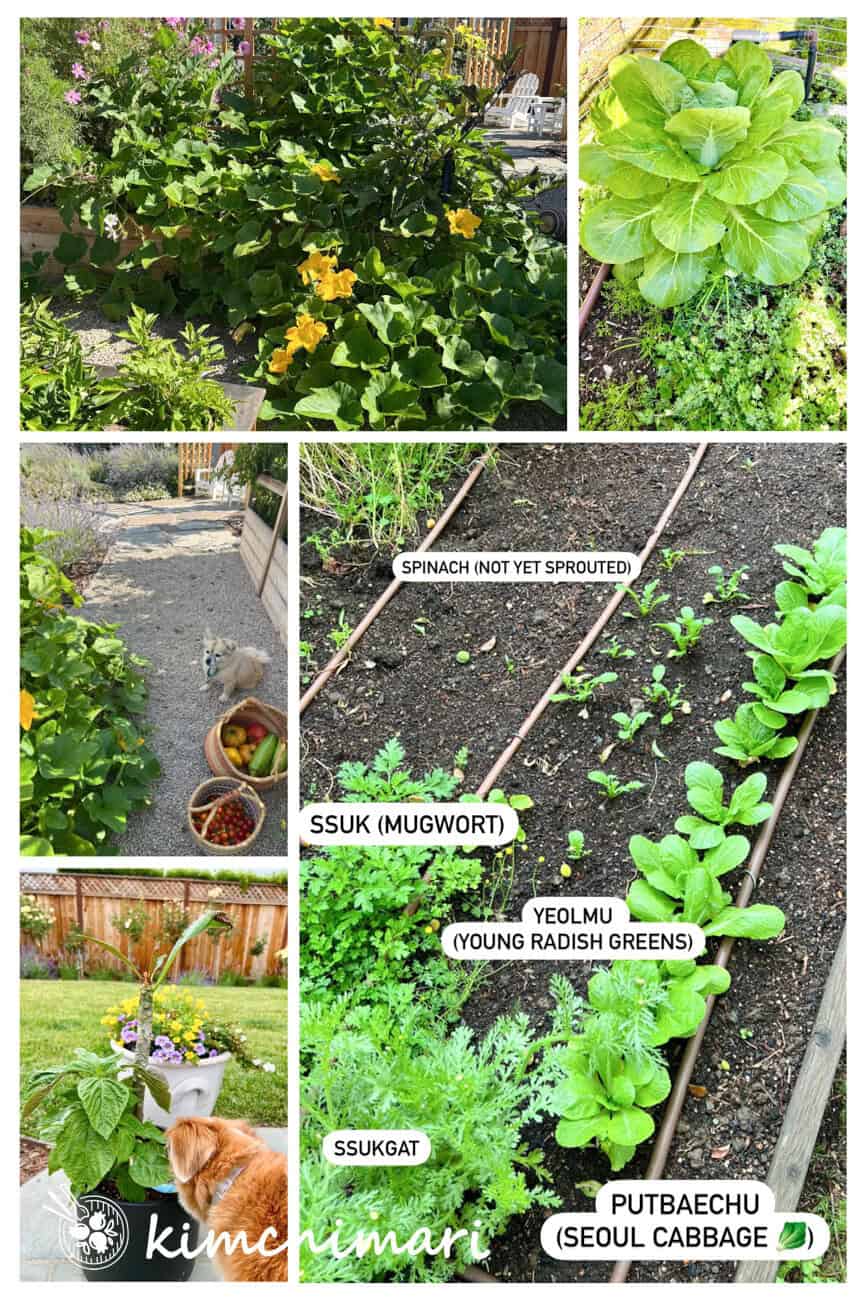
Another essential spring crop is Yeolmu, or young radish greens. Highly revered in Korean culinary traditions, Yeolmu is seldom found in mainstream Western grocery stores. The greens, characterized by a tender texture and a mild, peppery bite, serve as the foundational ingredient for Yeolmu Kimchi, a quintessential summer dish typically served cold alongside noodles or rice.
The foraging tradition is further represented by Naengi, commonly known as shepherd’s purse. Highly anticipated as a harbinger of spring in Korea, Naengi is consumed whole, including a portion of its taproot. It imparts an earthy, nutty profile ideal for traditional soybean paste soups (doenjang guk). Rounding out the spring cohort are Jeok Gat, or Korean red mustard greens. Featuring deep purple-red foliage, these greens provide a pungent, aromatic warmth that elevates complex fermentations like Kimjang kimchi while serving as an aesthetically striking ornamental addition to garden beds.
Late Spring and Summer Planting: Maximizing Warmth and Sunlight
As soil temperatures rise and the threat of frost dissipates, the garden shifts toward heat-loving varieties that require sustained sunlight and warm earth to reach maturity.
Kkari Gochu, widely recognized internationally as shishito peppers, represents a cornerstone of summer agricultural output in Korea. The specific Korean strains, however, are selected for a distinct smoky undertone that intensifies when subjected to high-heat roasting or pan-frying. While the vast majority of these wrinkled green peppers remain mild—averaging around 100 on the Scoville scale—their occasional unpredictable heat adds a dynamic element to culinary preparations.
Perhaps the most culturally iconic summer crop on the list is Chamoe, the traditional Korean melon. Characterized by a bright golden rind interrupted by distinct white sutures, this oblong fruit matures to roughly one pound and yields an intensely sweet, crisp flesh paired with edible seeds. Horticultural trials indicate that home cultivation in temperate zones provides superior flavor profiles compared to imported specimens that undergo prolonged transit.
Additional summer staples include Gaji, the slender, low-seed Korean eggplant that offers a more delicate texture than its larger American counterparts, and Danhobak, a dense kabocha-type squash weighing between three and four and a half pounds. Danhobak is not only valued for its velvety, sweet interior but also holds a historic place in Korean nutritional culture, traditionally prescribed to new mothers to assist with postpartum recovery and fluid regulation.
Fall and Winter Cultivation: The Foundation of Kimchi Production
The autumn agricultural cycle is dominated by robust, cool-season root vegetables and specialized brassicas that form the structural backbone of Korea’s most famous culinary tradition: Kimjang, the communal preparation of winter kimchi.
At the center of this seasonal planting is Mu, the quintessential Korean radish. Distinct from European radishes, Mu is dense, highly juicy, and balances a sharp peppery bite with natural sweetness. Planted traditionally in late August for a November harvest, it remains an indispensable component for authentic kimchi and broths. Complementing Mu is Chonggakmu, a specialized young ponytail radish harvested complete with its elongated stems and fine root structures, specifically utilized for Chonggak Kimchi.
Leafy brassicas also dominate the autumn planting schedule. Bomdong, a non-heading winter cabbage native to the southern regions of Korea, exhibits exceptional cold tolerance—having been successfully cultivated through mild northern hemisphere winters—and yields flatter, sweeter, and more tender leaves than standard napa cabbage. It is joined by Eolgari Baechu, a loose-head Seoul green cabbage prized for its rapid maturation cycle, and Shigeumchi, the distinctively fibrous, sweet Korean spinach. Unlike standard western spinach, which tends to break down rapidly under heat, Korean spinach maintains its structural integrity and succulent mouthfeel during prolonged cooking. The autumn roster is completed by Baek Kyeong Geundae, a white-stemmed Swiss chard utilized extensively in traditional blanched side dishes (namul) and soups.
Perennial Varieties: Long-Term Agricultural Investments
For gardeners willing to exercise long-term patience, perennial Korean vegetables offer sustainable annual harvests once established.
Doraji, or balloonflower root, is a culturally significant perennial that produces striking purple, balloon-shaped blossoms before yielding a thick, ginseng-like root. Prized for its mildly bitter flavor profile, Doraji is a staple ingredient in bibimbap preparations (Doraji Namul).
Similarly, Chwinamul (Aster Scaber) and Gomchwi (Fischer’s Ragwort) represent foraged mountain vegetables that have been successfully integrated into domestic garden environments. Chwinamul dies back during harsh winters before aggressively re-emerging in the spring, while Gomchwi produces dramatic, heart-shaped foliage on plants that can reach up to six feet in height. Rounding out the perennial selections is Auk, or curled mallow, a resilient green featuring prominent purple stems that exhibits natural resistance to common garden pests such as slugs while producing nutritious foliage ideal for autumn broths.
Implications and Practical Growing Considerations
Agricultural analysts note that the democratization of specialized seed distribution through online marketplaces, Asian grocery networks, and dedicated specialty seed companies has significantly lowered the barrier to entry for cultivators interested in non-Western crops. Furthermore, horticultural extension specialists emphasize that many of these varieties—particularly perilla, chives, leaf lettuces, and scallions—exhibit high adaptability to container gardening, making them viable options for urban residents operating on balconies or small patios.
By diversifying garden spaces to include these 18 specialized crops, modern horticulturists not only preserve agricultural biodiversity but also gain direct access to the nuanced flavors that define authentic Korean gastronomy. As interest in home food security and cultural culinary exploration continues to expand, the cultivation of these heritage vegetables marks a significant evolution in backyard gardening trends.
