


The Economic Drivers of Production Scaling
For over a decade, Samsung’s Galaxy A series has served as the bedrock of the company’s market share, consistently accounting for more than 70% of its total smartphone shipments. By offering a diverse range of devices that balance premium features with accessible pricing, Samsung has maintained a stronghold in emerging markets and high-volume sectors. However, the current macroeconomic climate has forced a fundamental reevaluation of this strategy.
The primary catalyst for this production reduction is the sharp rise in the cost of essential hardware components. Over the past 12 months, the global market for memory chips—specifically DRAM and NAND flash storage—has seen a dramatic price escalation. Supply chain bottlenecks, combined with a sustained increase in demand for high-performance computing and artificial intelligence infrastructure, have driven up the costs of these components, leaving consumer electronics manufacturers with narrower margins.
While Samsung recently implemented a broad price hike across its entire product portfolio—encompassing everything from entry-level budget phones to its premium flagship offerings—the company’s internal financial analysis suggests that these adjustments are insufficient to offset the sustained rise in bill-of-materials (BOM) costs.
Chronology of Market Pressure
The shift toward reduced production is the culmination of a year-long trend that began in early 2026.
- Q1 2026: Initial signs of supply chain strain emerge as memory manufacturers prioritize high-margin AI data center contracts, limiting the supply of consumer-grade mobile memory.
- Q2 2026: Samsung reports rising manufacturing overheads in quarterly earnings calls, noting that external inflationary pressures are impacting hardware costs.
- Q3 2026: Samsung implements a strategic price increase across the Galaxy lineup. Market analysts observe the impact of these hikes, noting a cooling effect on consumer demand for mid-range handsets.
- Q4 2026: The current decision to slash A-series production by 20% is finalized as a means to optimize resource allocation during the year-end fiscal consolidation.
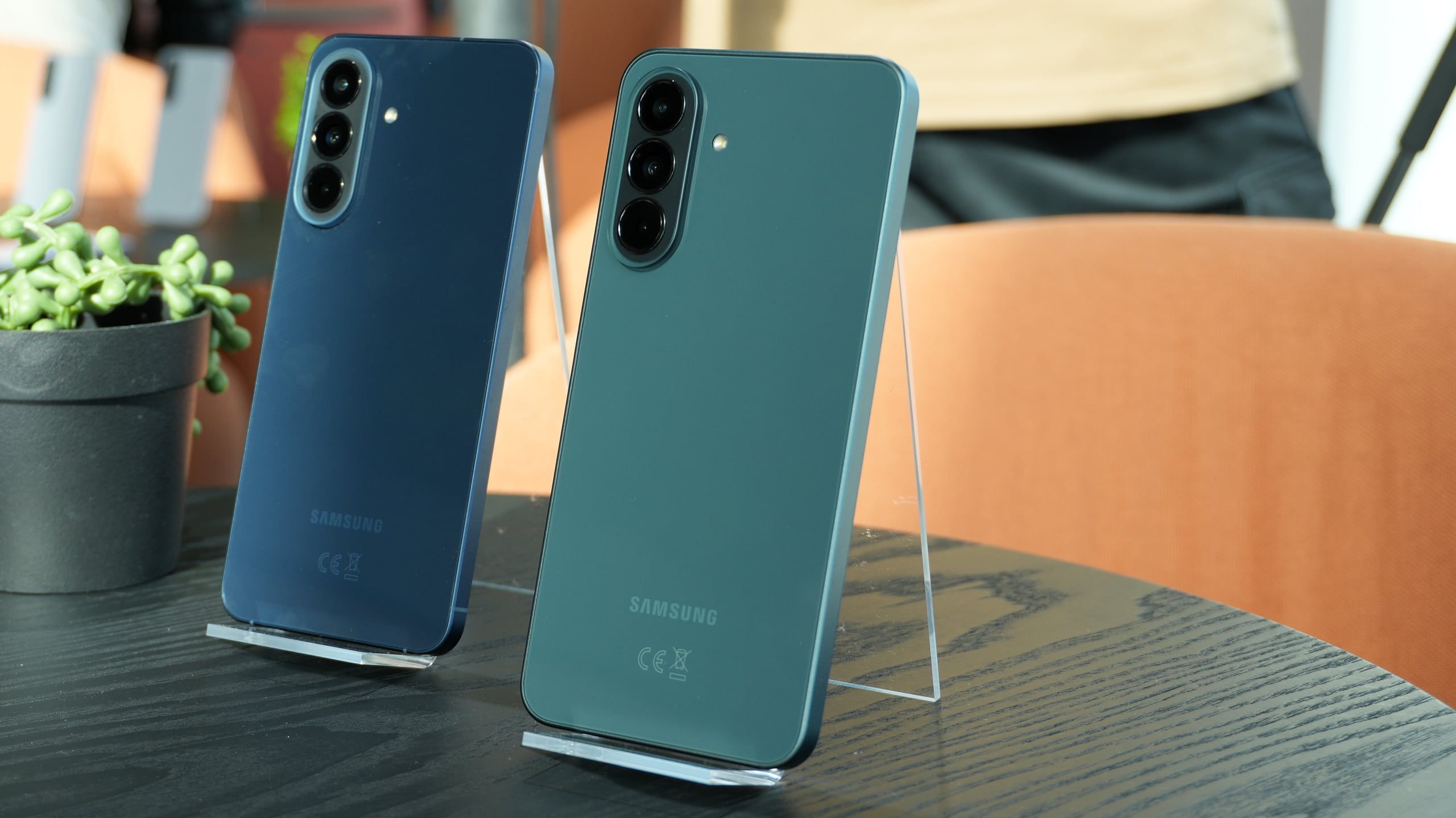
By curbing the production of the A series, Samsung is effectively prioritizing its limited inventory of high-grade memory chips for the Galaxy S and Galaxy Z series. These premium devices offer significantly higher profit margins, providing a financial buffer that the lower-priced Galaxy A models simply cannot match in the current cost-intensive environment.
Strategic Implications for the Smartphone Market
The decision to deprioritize the mid-range sector carries profound implications for the global smartphone hierarchy. For years, the volume of A-series sales has been the primary metric keeping Samsung ahead of its closest rival, Apple. By voluntarily limiting the availability of these devices, Samsung is essentially conceding a portion of its market share to focus on bottom-line profitability.
Market analysts suggest that this creates a strategic opening for competitors, particularly Chinese OEMs such as Xiaomi, Oppo, and Vivo, which may be better positioned to maintain aggressive pricing strategies in the mid-range segment. If Samsung’s supply of budget-friendly phones dries up or becomes significantly more expensive, consumers may naturally migrate to these alternatives, potentially threatening Samsung’s long-standing position as the world’s leading smartphone manufacturer by volume.
Potential for Downgraded Specifications
Beyond the sheer reduction in volume, industry observers warn that the 2027 fiscal year may see further compromises in product design. To keep retail prices from skyrocketing beyond the reach of the average consumer, manufacturers are increasingly looking at component substitution.
There is a growing consensus among technology analysts that future mid-range releases may feature "downgraded" specifications compared to their predecessors. This could manifest as the use of lower-cost display panels, simplified camera modules, or reduced secondary hardware features. By stripping away non-essential high-end features, companies can maintain a lower price point while still managing to turn a profit despite the elevated costs of core silicon.
Broader Industry Impact
The situation at Samsung serves as a bellwether for the wider electronics industry. The transition from a "growth-at-all-costs" model to a "margin-centric" model is becoming a common theme among major hardware manufacturers.
The reliance on advanced memory modules—which are now being diverted to high-performance AI tasks—has created a zero-sum game for mobile device manufacturers. As the AI boom continues to monopolize semiconductor capacity, the "everyday" smartphone is being squeezed out.

Furthermore, this pivot could signal the end of an era for the "feature-packed mid-ranger." For years, the Galaxy A series was praised for bringing features previously reserved for flagships—such as high-refresh-rate AMOLED displays and sophisticated multi-camera arrays—to a wider audience. If the industry shifts toward cost-cutting and specification reduction, the consumer experience in the mid-range segment could regress, marking a departure from the rapid technological democratization seen over the last decade.
Looking Toward 2027
As the industry looks toward the next calendar year, the volatility of the memory market remains the greatest variable. If component prices stabilize, Samsung may have the flexibility to ramp up production once again. However, if the current cost trajectory holds, the company may be forced to permanently restructure its product tiers, potentially consolidating the A series into a more focused, smaller lineup of devices.
Investors and market analysts are currently monitoring Samsung’s Q4 performance closely. The firm’s ability to maintain its overall revenue while shipping fewer units will be the ultimate test of its current strategy. If the pivot to premium-heavy production successfully protects the company’s bottom line, it may serve as a roadmap for other major electronics firms facing similar supply-side constraints.
In the immediate term, consumers looking for high-value mid-range devices may find supply constraints starting in late 2026. Prospective buyers who were waiting for the next generation of the Galaxy A series may find themselves facing higher prices or fewer available model variations.
Ultimately, Samsung’s decision is a pragmatic, albeit risky, response to the realities of modern manufacturing. By prioritizing the high-end Galaxy S and Z series, the company is attempting to insulate itself from the volatility of the commodity component market. Whether this move secures its financial future or inadvertently gifts the market share crown to its competitors remains the central question for the year ahead. As the industry continues to navigate these complex supply chain challenges, the era of the high-spec, low-cost smartphone appears to be reaching a definitive, and perhaps permanent, inflection point.
