

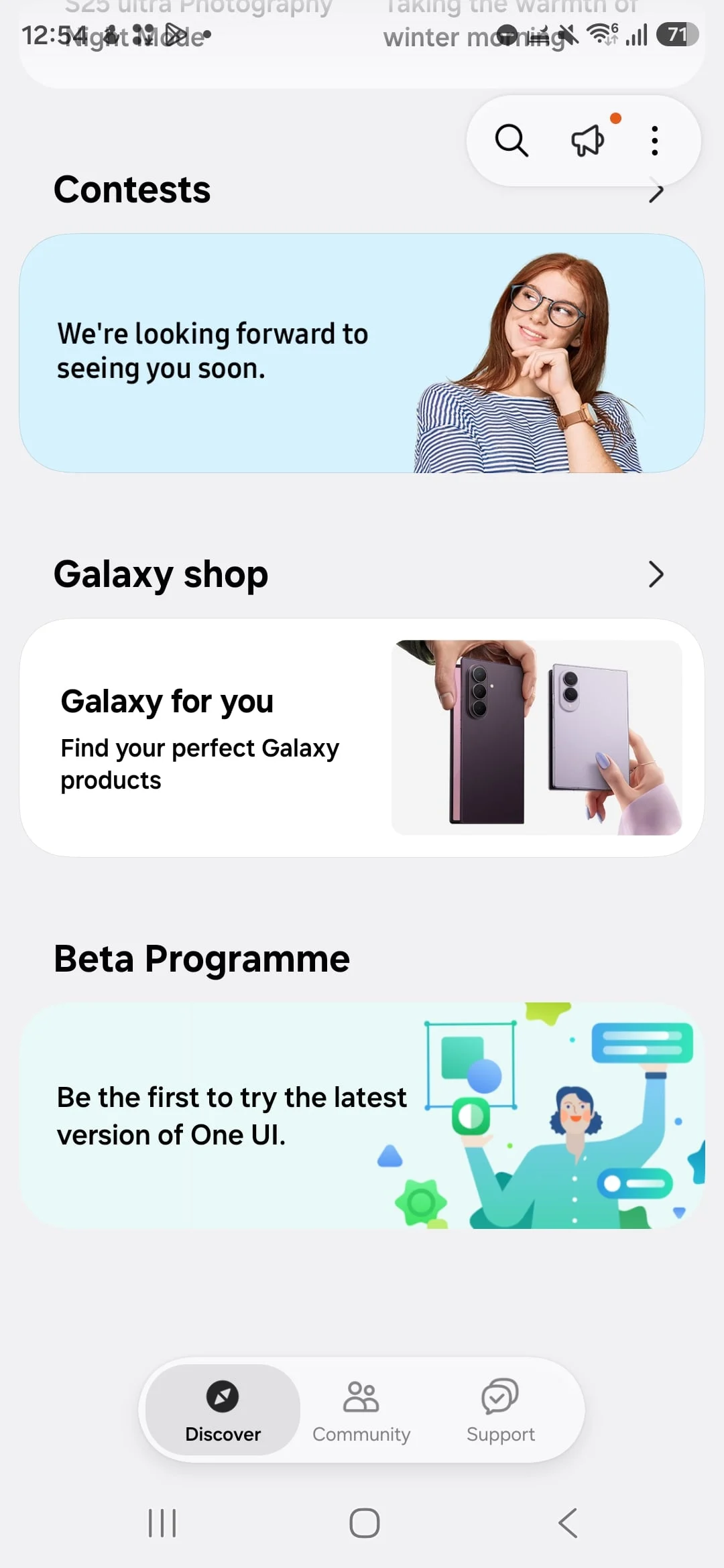
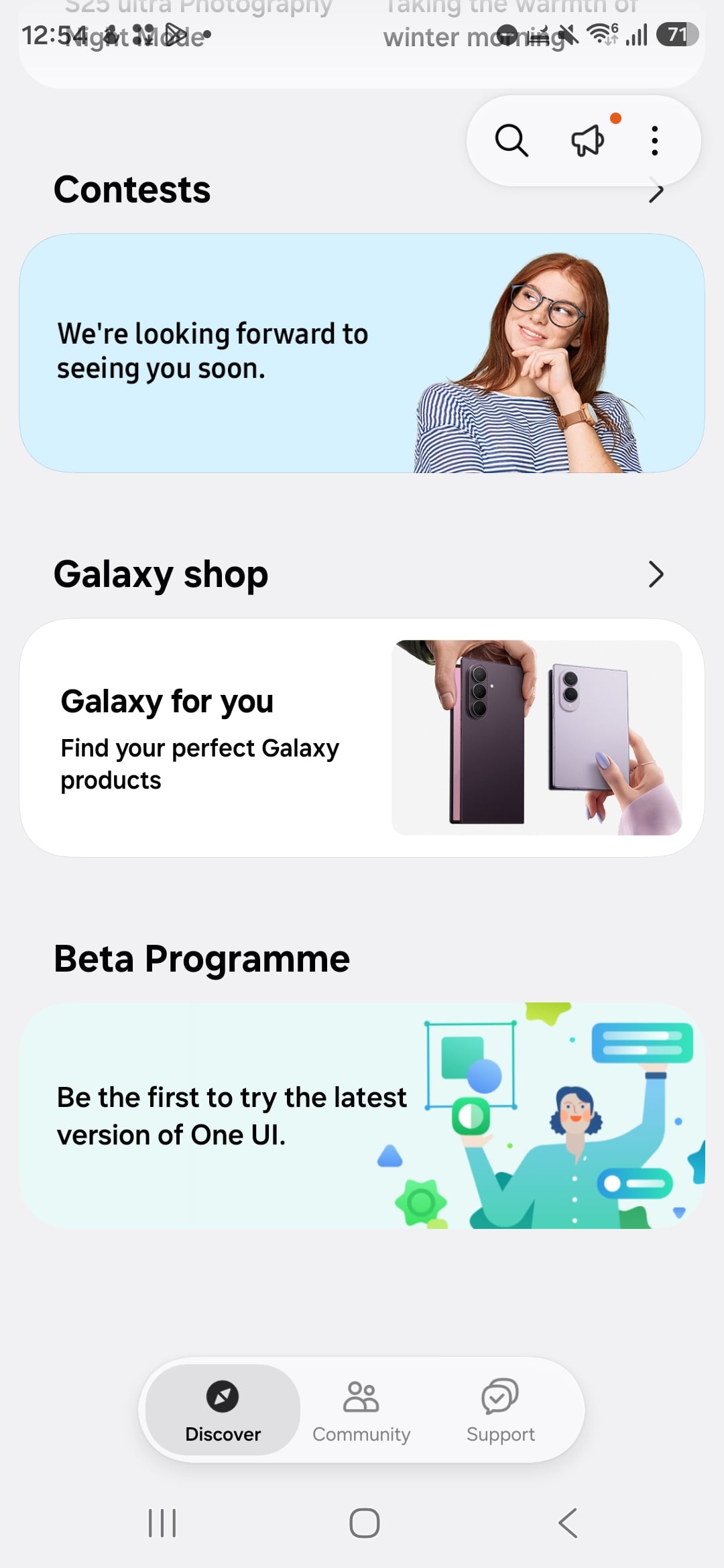
The anticipation surrounding the next major iteration of Samsung’s proprietary software skin is reaching a fever pitch. Recent visual refinements within the Samsung Members application, the primary gateway for users to access, register for, and engage with early-access software builds, suggest that the rollout of the One UI 9.5 beta is closer than previously projected. These subtle yet significant interface modifications indicate that the company’s internal infrastructure is being primed for a public release, likely marking the beginning of the testing phase for the next generation of the Android 17-based user experience.
Decoding the UI Changes in Samsung Members
The primary indicator of this accelerated timeline is a redesigned promotional banner located at the base of the Samsung Members home screen. This specific section is traditionally reserved for high-priority announcements, including hardware pre-orders and software beta invitations. The update to the banner design—replacing the previous iteration with a fresh, modernized aesthetic—serves as a clear signal that the underlying registration portal is receiving maintenance in preparation for a new intake of participants.
Industry analysts often monitor these specific UI elements, as Samsung rarely updates its promotional assets without a corresponding shift in backend server activity. By refreshing the banner, the company is effectively ensuring that the user experience for prospective beta testers is streamlined and ready to handle the influx of registrations that inevitably follow such announcements.
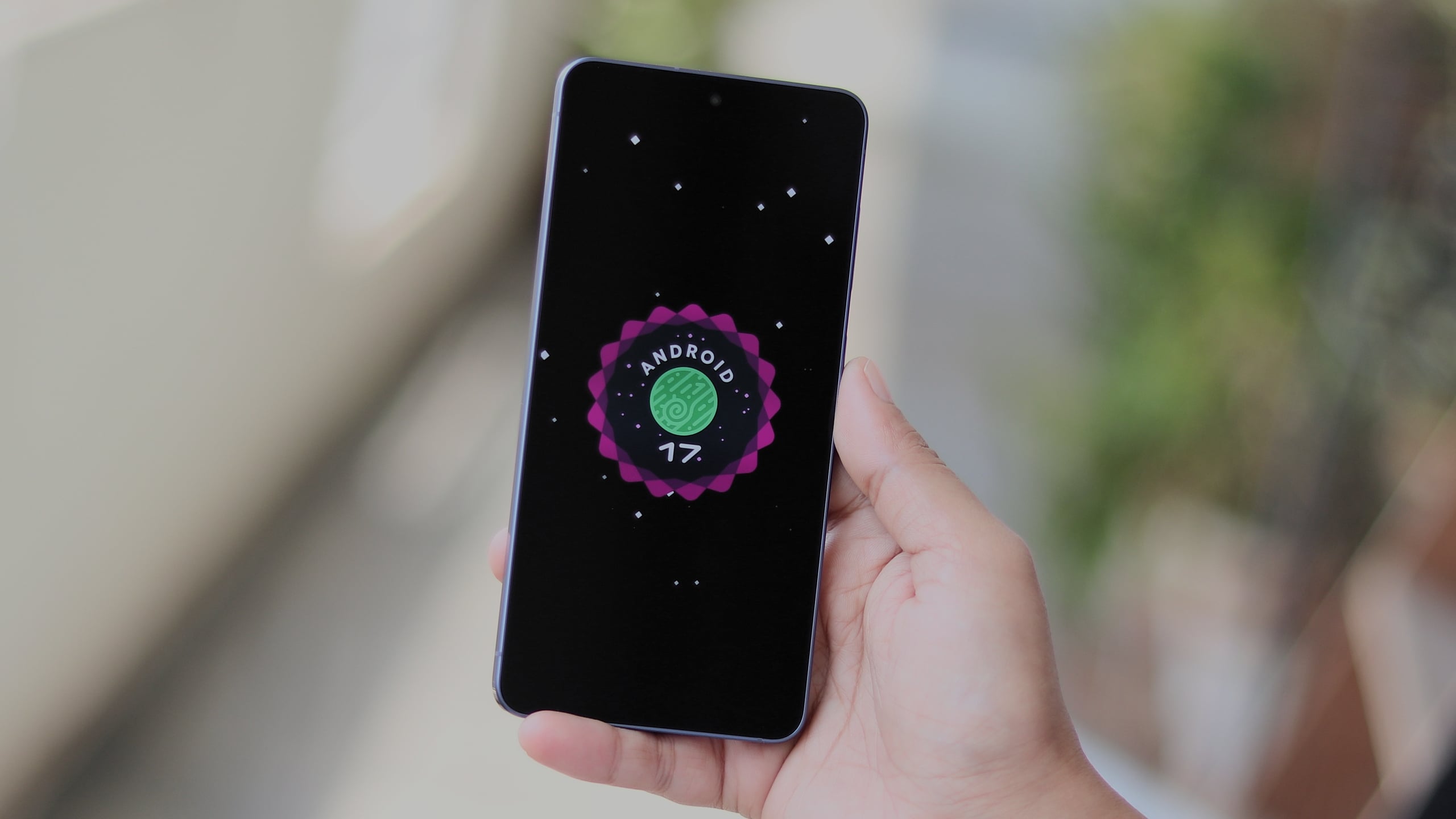
A Chronology of One UI 9.5 Development
The trajectory of One UI 9.5 has been characterized by a notable increase in development velocity when compared to its predecessors. Samsung’s internal testing cycle for this particular version has been significantly more aggressive, reflecting a strategic shift in the company’s software lifecycle management.
To understand the scale of this acceleration, one must look at the historical data from the previous year. In 2025, the initial internal firmware builds for One UI 8.5—intended for the Galaxy S25 series—began appearing on Samsung’s proprietary servers in mid-September. The public beta program for that software did not commence until December 8, 2025, creating a gap of approximately three months between the first signs of internal development and the arrival of the software in the hands of the public.
In contrast, the development of One UI 9.5 for the Galaxy S26 series has moved with unprecedented speed. The first firmware iterations were identified on Samsung’s servers as early as August 10, 2026. This shift represents a move toward an earlier development window, effectively pushing the entire cycle forward by several weeks. If the interval between internal testing and public availability remains consistent with previous years, analysts anticipate a public beta rollout in the first week of November 2026. This aligns with broader industry whispers suggesting that Samsung is attempting to normalize earlier annual launch windows for its flagship hardware, which necessitates a corresponding acceleration in software readiness.
Official Mentions and Regulatory Clues
The suspicion that an early beta release is imminent is not based solely on visual updates within the Samsung Members app. In early October 2026, the company provided its first official acknowledgment of the software’s existence. During a routine update to one of its applications, Samsung explicitly referenced "One UI 9.5" within the Galaxy Store changelog. While the company has historically been cautious about revealing its software roadmaps, such disclosures in public-facing documentation are rarely accidental and serve as a subtle nod to the development team’s progress.
This level of transparency, while limited, provides a framework for expectations. It confirms that the software is currently stable enough to be referenced in live production environments, which is a significant milestone in the journey from alpha testing to public beta availability.
Strategic Implications for the Galaxy Ecosystem
The introduction of the One UI 9.5 beta is not merely a software update; it is a critical component of Samsung’s broader ecosystem strategy. By opening the beta to the public, the company effectively utilizes its massive user base as an extended quality assurance team. This allows for the identification of edge-case bugs and performance bottlenecks that may not be apparent in controlled laboratory settings.
For the Galaxy S26 series, this beta represents the first major opportunity for enthusiasts to experience the integration of Android 17 features with Samsung’s proprietary design language. The implications for the user experience are substantial. With each iteration of One UI, Samsung has focused on enhancing AI-driven personalization, system fluidity, and cross-device interoperability. The 9.5 release is expected to refine these areas further, potentially introducing deeper integration with Samsung’s AI suite and optimizing power efficiency for the S26’s hardware architecture.
Regarding hardware compatibility, while the Galaxy S26 is guaranteed to be the primary recipient of the beta, the inclusion of other devices remains a point of interest. Historically, the One UI 8.5 beta saw a simultaneous rollout for the Galaxy S25, the Galaxy Z Fold 7, and the Galaxy Z Flip 7. Whether the current generation of foldables will be included in the first wave of the 9.5 beta remains to be seen. However, given Samsung’s push to unify its software support across its premium tiers, it is highly probable that the latest foldable devices will be granted access shortly after the initial S26 rollout.
Analytical Perspective: Why the Rush?
The push for an earlier release schedule is indicative of a competitive mobile market where software support longevity and the speed of OS updates have become primary differentiators. By accelerating the One UI beta cycle, Samsung is attempting to achieve several objectives:
- Market Differentiation: Delivering the latest Android features faster than competitors reinforces Samsung’s status as a leader in software support.
- Refining AI Integration: With the rapid evolution of on-device AI, early testing is essential to ensure that system-wide features function seamlessly without compromising battery life or performance.
- Streamlining the Launch Cycle: An earlier beta program provides more time for the final stable version to be polished, which is vital if the company plans to advance the launch date of the Galaxy S27 series.
Conclusion and Future Outlook
While Samsung has yet to issue a formal press release or a specific date for the commencement of the One UI 9.5 beta, the convergence of evidence—ranging from server activity and app changelogs to the structural changes within the Samsung Members portal—points toward a release in the immediate future.
For users eager to participate, the process remains consistent with previous years: registration will be facilitated directly through the Samsung Members app once the program goes live. As the company prepares for this transition, users are advised to monitor the app for further official announcements. While the prospect of early access to Android 17 and the latest One UI features is undoubtedly exciting, it is important to remember that beta software is, by definition, unfinished. Participants should expect potential stability issues and should ensure that their primary devices are backed up before enrolling in the program.
The shift in the development timeline for 2026 underscores Samsung’s evolving approach to software iteration. By compressing the testing window and leveraging early-access programs more effectively, the company is positioning itself to deliver a more refined and feature-rich experience to its global user base, setting the stage for a new standard in Android software deployment. As November approaches, the industry remains in a state of watchful waiting, expecting an official confirmation from Samsung at any moment.
