

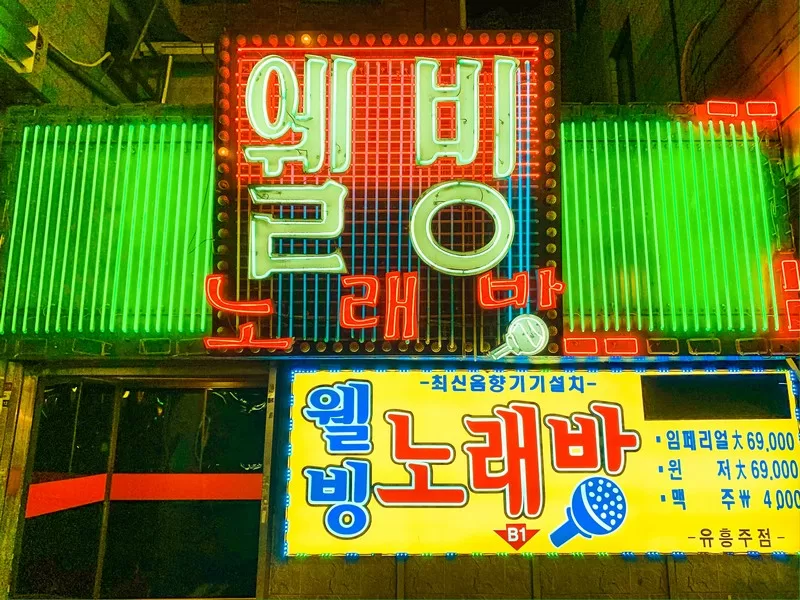
The global reputation of Seoul as a 24-hour metropolis is well-deserved, characterized by a bustling nightlife economy that spans neon-lit districts like Hongdae, Gangnam, Itaewon, and Dongdaemun. However, navigating the city’s vast urban expanse after the clock strikes midnight presents a logistical challenge that routinely catches travelers off guard. Viral social media depictions of stranded tourists at 5:00 a.m. outside shuttered subway stations underscore a common misconception: that public infrastructure entirely shuts down, leaving visitors at the mercy of elusive ride-hailing apps or exorbitant private transit. In reality, Seoul operates a sophisticated, multi-layered nocturnal transportation network. Understanding how this system functions—spanning specialized Owl Buses, dynamic taxi surcharges, and localized digital navigation tools—is essential for anyone participating in the capital’s vibrant after-hours culture.

To comprehend late-night transit in Seoul, one must first deconstruct the mechanics of the city’s primary mass transit asset: the Seoul Subway. While general operations span from approximately 5:30 a.m. until midnight, this window is a broad generalization rather than a universal rule. The actual departure time of the final train varies significantly depending on the specific station, the line, the direction of travel, mandatory transfer points, and the day of the week. Commuters traveling long distances along sprawling lines that stretch into the surrounding Gyeonggi-do province often find that the last train servicing the terminal destinations departs well before midnight, sometimes as early as 11:15 p.m. Consequently, urban planners and transit authorities strongly advise passengers to utilize localized mapping applications such as Naver Map or KakaoMap to plot precise nocturnal routes before embarking on an evening out, ensuring they do not become stranded mid-journey when connecting lines cease operations.
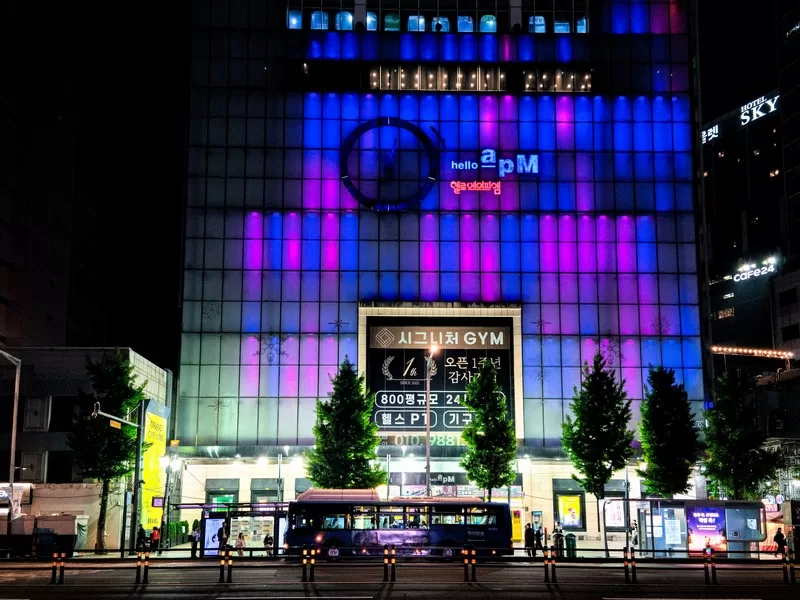
For those who miss the final subterranean departure, the Seoul Metropolitan Government provides a specialized overland alternative known as the Owl Bus, or Olppaemi Bus. Distinct from daytime routes, the city’s 14 dedicated night bus lines—identifiable by the letter "N" preceding the route number—operate primarily between 11:00 p.m. and 6:00 a.m. These routes are specifically engineered to bridge the gap between major nightlife hubs and densely populated residential sectors, providing critical connectivity when traditional options are offline. With a standard adult fare of 2,500 KRW, the Owl Bus network offers a cost-effective alternative to private taxis. However, because these routes do not mirror standard daytime trajectories, passengers must rely on real-time transit apps to determine precise stop locations and arrival schedules, which can range from 30 minutes to an hour apart depending on the specific line.

The logistical framework of Seoul’s taxi industry undergoes a significant operational shift during the overnight hours. Taxis remain active throughout the night, but high demand in concentrated entertainment districts often creates severe bottlenecks, particularly during weekend closures or major public events. To manage this demand and compensate drivers for unconventional hours, municipal regulations enforce a sliding scale of late-night surcharges. Regular Seoul taxis apply a 20% surcharge between 10:00 p.m. and 11:00 p.m., which increases to 40% during peak demand hours from 11:00 p.m. to 2:00 am, before dropping back to 20% from 2:00 a.m. to 4:00 a.m. These surcharges expire entirely after 4:00 a.m., aligning closely with the pre-dawn reopening of the subway system.
Digital adaptation is paramount for securing a vehicle during peak hours. While traditional street hailing remains permissible, many drivers prioritize app-based dispatches where destinations are predetermined. Platforms such as KakaoT and Uber serve as primary tools for domestic and international visitors, though high demand can still result in delayed matching times on busy Saturday mornings. For foreign travelers lacking a local phone number or domestic payment method, specialized international platforms like k.ride provide streamlined access by integrating foreign credit cards and bypassing localized verification hurdles. Furthermore, municipal officials advise travelers to maintain a Korean-language translation of their destination’s address to facilitate seamless communication with drivers, minimizing confusion during high-stress transit windows.
To further alleviate nocturnal congestion, transit authorities continue to expand and refine municipal infrastructure. Upcoming urban transit initiatives, such as the scheduled rollout of specialized "Firefly Buses," aim to enhance connectivity between core entertainment districts and primary transportation arteries. Unlike existing Owl Buses that primarily ferry citizens from commercial zones to outer residential neighborhoods, these forthcoming routes are designed to optimize cross-city travel among major commercial hubs, reflecting an ongoing policy commitment to accommodating the city’s millions of annual visitors and late-night workforce.
When traditional transit options are exhausted and ride-hailing attempts fail in the pre-dawn hours, locals frequently turn to uniquely urban alternatives rather than attempting costly cross-town journeys. Seoul features an abundance of 24-hour establishments designed to accommodate patrons waiting for the morning commute. Facilities such as 24-hour diners, PC bangs (gaming rooms), late-night cafes, and traditional jjimjilbangs (bathhouses with communal sleeping areas) provide safe, climate-controlled environments to rest, consume traditional hangover recovery soups, or simply wait out the remaining hour until the subway system reactivates at dawn.
Ultimately, navigating Seoul after midnight is an exercise in preparation rather than serendipity. While the city’s extensive infrastructure ensures that residents and visitors are never truly stranded, mastering the transition from daytime subway networks to nocturnal bus routes, metered taxis, and digital applications transforms a potentially stressful ordeal into a seamless extension of the urban experience.
