


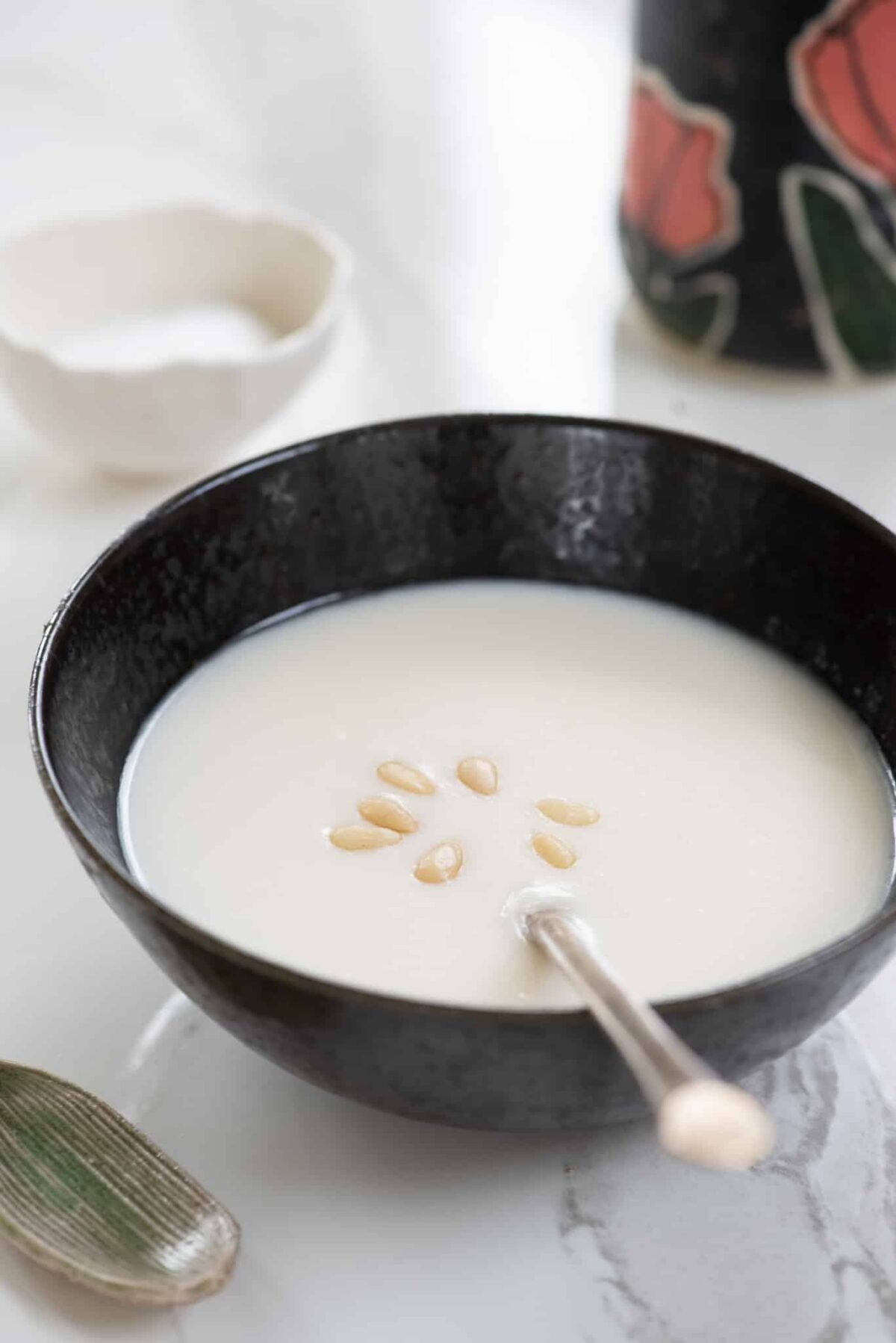
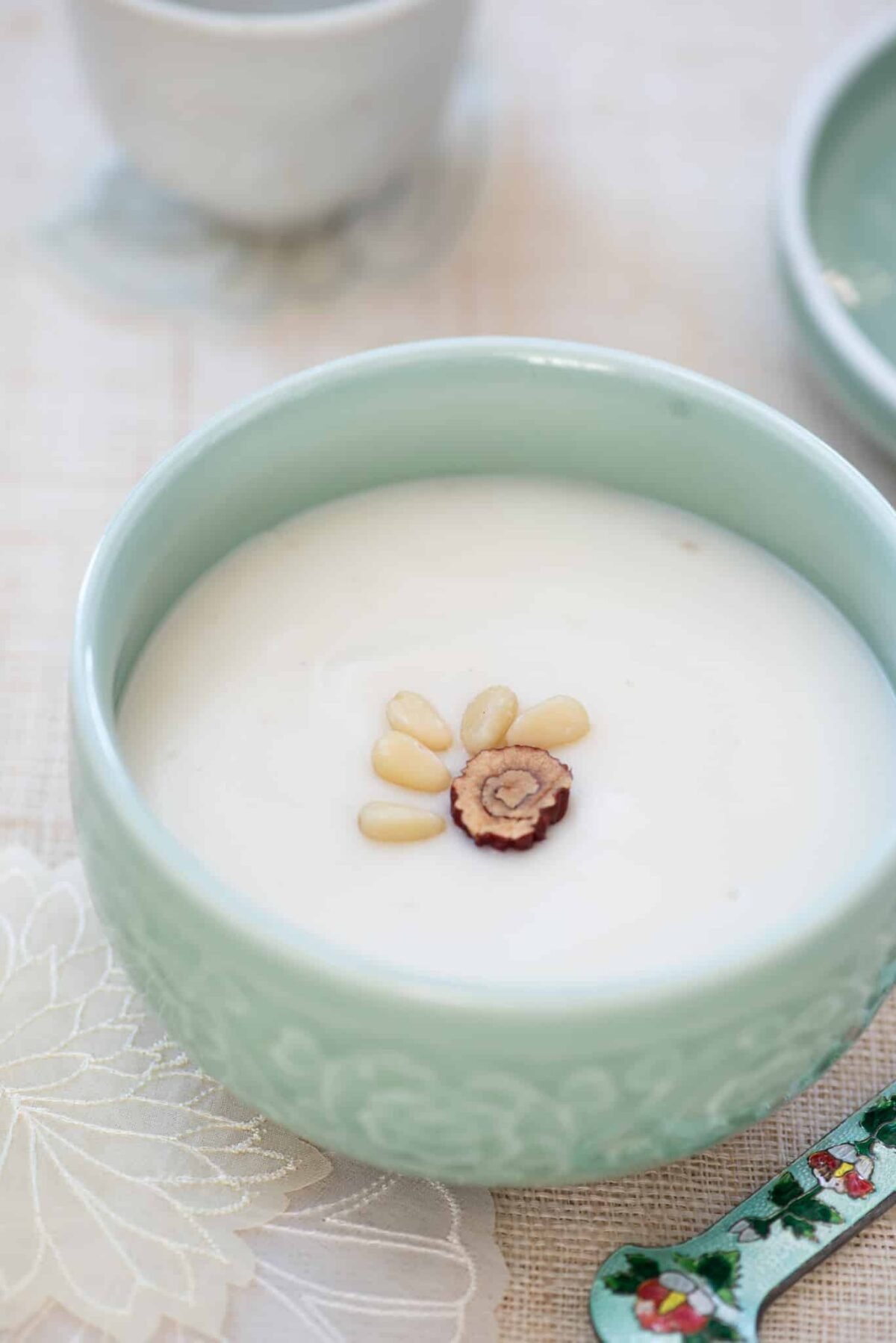
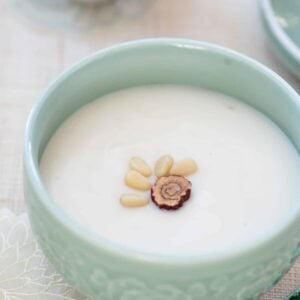
Jatjuk, a traditional Korean porridge crafted from finely ground rice and high-quality pine nuts, remains one of the most significant pillars of Korean culinary heritage. Historically reserved for the royal courts and the aristocracy, this dish has evolved from a medicinal tonic into a celebrated comfort food found in households across the Korean peninsula. The porridge is characterized by its signature creamy consistency, delicate nutty flavor profile, and dense nutritional composition. In contemporary Korean society, the dish is recognized not only for its refined taste but also for its therapeutic properties, often served to those recovering from illness or individuals seeking a gentle, energy-dense start to the day.
The Historical Significance of Pine Nuts in Korea
To understand the culinary evolution of Jatjuk, one must first examine the historical importance of the pine nut, or jat, in East Asian agriculture. Pine nuts have been a staple ingredient in Korean cuisine for centuries, valued for their high concentration of essential fatty acids, proteins, and minerals such as magnesium and iron.
Historically, pine trees were considered sacred and highly utilitarian in Korean culture, providing timber, fuel, and nutrition. The consumption of pine nuts was documented as far back as the Goryeo Dynasty (918–1392), where they were frequently incorporated into medicinal preparations and luxury food items. Because pine trees grow slowly and harvesting the cones requires significant manual labor, pine nuts became a status symbol, signaling wealth and health. Over centuries, they were integrated into various traditional dishes, including Yaksik (sweet rice with dried fruits), Sikhye (a traditional fermented rice punch), and even as a garnish for white kimchi, reflecting a cultural tradition of balancing flavor with medicinal benefits.
Culinary Science and the Challenge of Texture
From a culinary science perspective, the preparation of Jatjuk is a precise exercise in chemical emulsification. The process involves soaking white rice—typically short-grain japonica—and then grinding it into a fine paste. This is combined with raw or lightly toasted pine nuts and simmered slowly.
The primary challenge for home cooks and professional chefs alike is the tendency for the porridge to lose its viscosity, turning thin and watery. This phenomenon is caused by the presence of amylase enzymes within the pine nuts. Amylase is a starch-hydrolyzing enzyme that breaks down the amylose and amylopectin chains in rice, essentially digesting the starch before the porridge can reach a stable, thick consistency.
To combat this, culinary experts emphasize the importance of thermal denaturing. By simmering the mixture for at least 20 minutes, the heat effectively inactivates the amylase enzymes. Once these enzymes are neutralized, the rice starch can successfully gelatinize, creating the buttery, velvety mouthfeel that defines a high-quality Jatjuk. The standard preparation requires a specific rice-to-water ratio—typically 1:3—which is significantly lower than that of other Korean porridges like Dakjuk (chicken porridge) or Jeonbokjuk (abalone porridge), which often utilize a 1:6 ratio.
Procedural Chronology: Preparing Traditional Jatjuk
The preparation of authentic Jatjuk follows a rigid, step-by-step chronology designed to maximize flavor extraction:
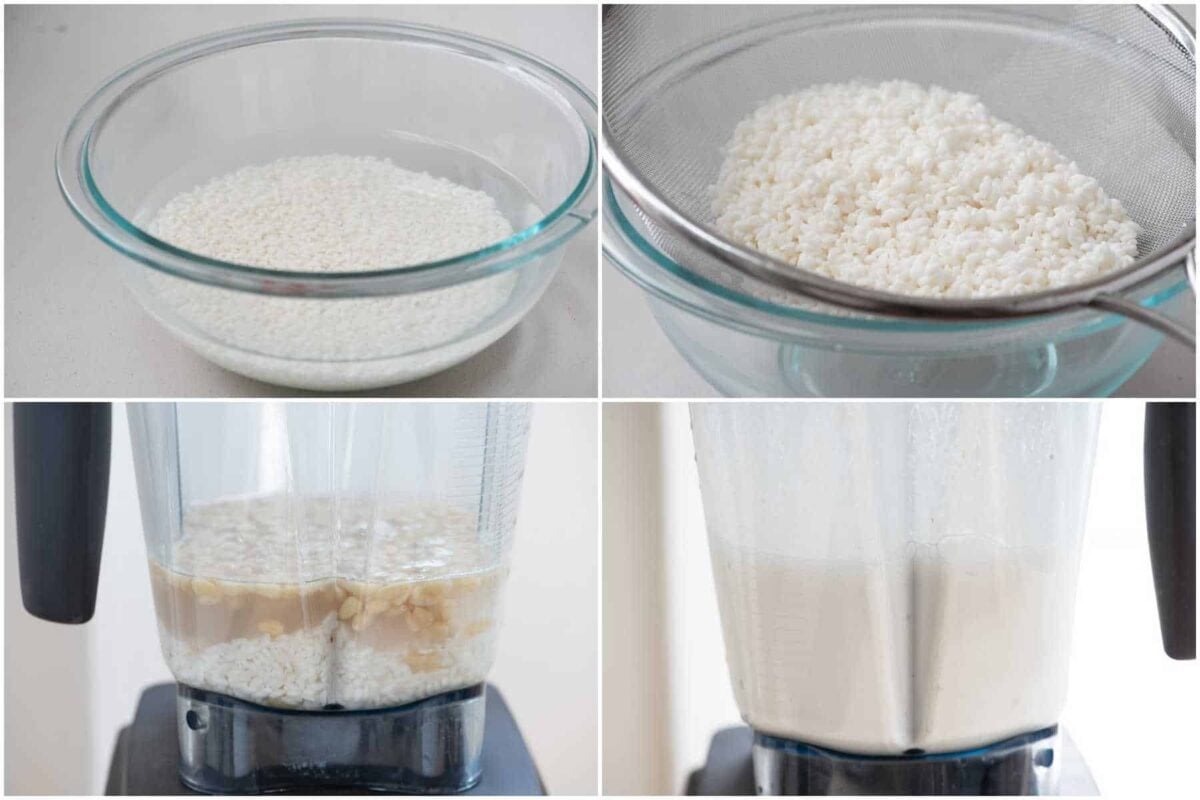
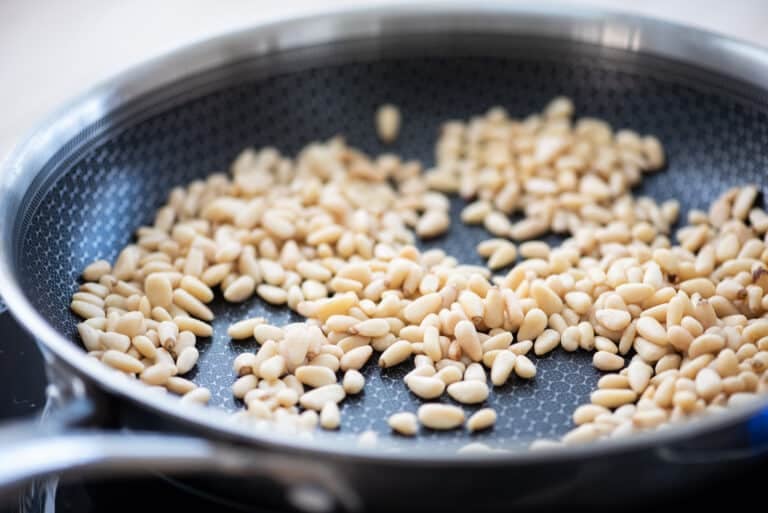
- Ingredient Preparation: The process begins with the soaking of short-grain rice for a minimum of one hour. This allows the grain to soften, ensuring a smoother grind. Simultaneously, pine nuts are inspected for freshness. While some recipes suggest a brief, light toast in a dry pan over low heat—no more than three to four minutes—to enhance the aroma, caution must be exercised to avoid browning, which can alter the delicate color of the final dish.
- Blending: The soaked rice and prepared pine nuts are combined in a blender with an initial quantity of water. The objective is to achieve a milky, uniform consistency. This phase typically requires 30 to 60 seconds of high-speed blending to ensure no large particles remain.
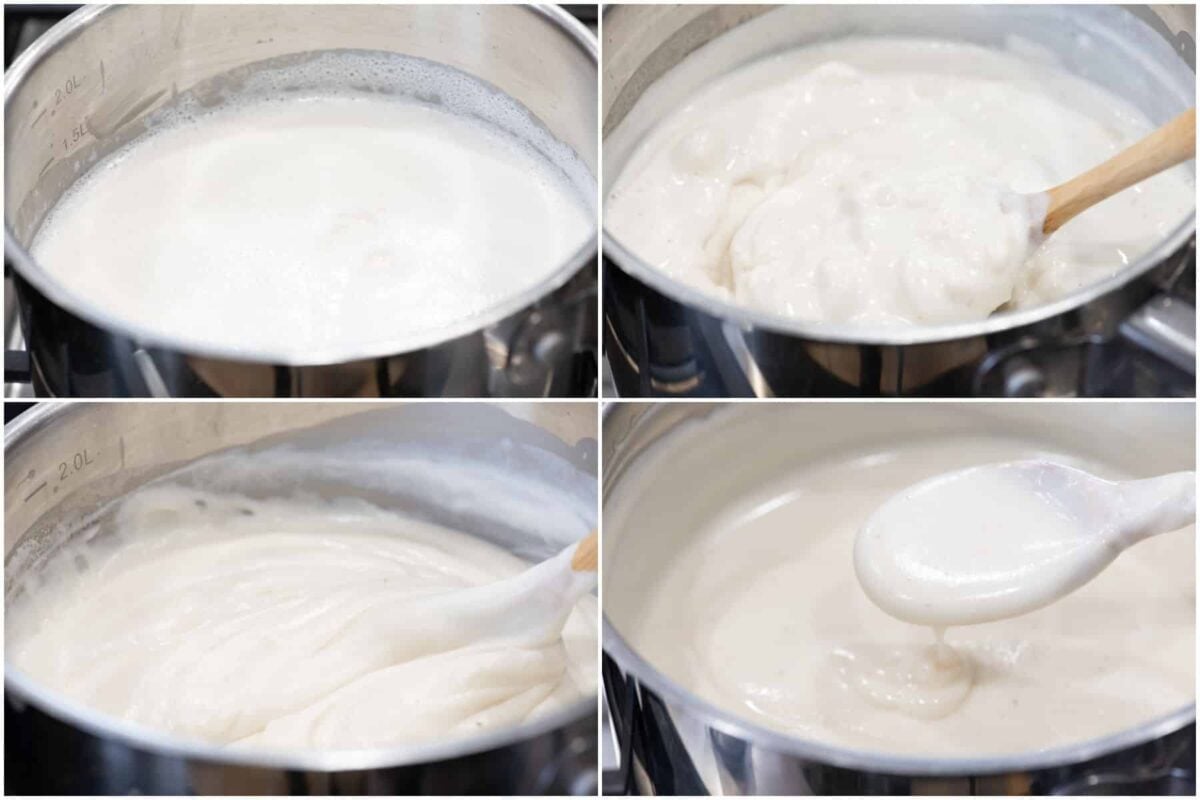
- The Emulsification Phase: The slurry is poured into a heavy-bottomed pot and heated over a medium flame. Constant, gentle stirring is required to prevent the rice from settling or burning at the base of the vessel.
- The Simmering Process: As the temperature rises, the starch begins to thicken. It is at this stage that the enzymatic activity is most potent. Chefs must observe the transition from a thick, clumpy state to a smooth, flowing consistency, ensuring the simmer continues long enough to finalize the denaturation of the enzymes.
- Finishing: Once the desired consistency is reached, the heat is removed. The dish is typically served warm, often seasoned lightly with salt to highlight the inherent richness of the pine nut oils.
Nutritional and Economic Implications
The nutritional profile of Jatjuk is uniquely suited for restorative diets. Each bowl provides a high concentration of heart-healthy unsaturated fats and antioxidants. In a modern context, the dish is frequently discussed in the medical community as a "functional food." Because it is hypoallergenic and easily digestible, it serves as an ideal recovery meal for post-operative patients or those with sensitive digestive systems.
Economically, the price of high-quality pine nuts remains a significant factor in the accessibility of the dish. Due to the labor-intensive harvesting process, pine nuts are among the most expensive nuts on the market. Consequently, the commercial production of Jatjuk often faces challenges in maintaining profit margins without sacrificing quality. This has led to a market bifurcation: budget-friendly, commercial-grade porridges that may supplement pine nuts with cheaper thickeners, and artisanal versions that adhere to the 1:1 ratio of rice to pine nuts, catering to the luxury food sector.
Storage and Industry Best Practices
Regarding food safety and preservation, professional kitchens follow strict guidelines for handling rice-based porridges. Jatjuk can be refrigerated for up to five days if stored in airtight containers. Freezing is also a viable option for long-term storage, though the thawing process requires care.
When reheating, industry standards dictate that the porridge should be brought to a gentle heat on a stovetop or in a microwave, specifically avoiding a rapid boil. Boiling causes the emulsion to break, resulting in a separated, watery liquid that lacks the intended creamy texture. Experts suggest adding a small amount of water during the reheating process to maintain the proper viscosity, provided the mixture is not overheated.

Broader Impact and Future Trends
The resurgence of traditional Korean porridges, or juk, in global gastronomy reflects a broader trend toward health-conscious, plant-based eating. As consumers move away from processed breakfast foods, nutrient-dense, heritage-based recipes like Jatjuk are gaining popularity in urban food scenes.
The implication of this trend is significant for the agricultural sector. Increased global demand for high-quality pine nuts could incentivize sustainable forestry practices in the regions where these trees are indigenous. Furthermore, the standardization of recipes for international audiences—facilitated by culinary platforms and cooking demonstrations—is helping to preserve the technical skills required to produce the dish correctly.
As the culinary world continues to prioritize authentic, regional specialties, Jatjuk stands as a prime example of how ancient food preparation methods can remain relevant and highly regarded in the 21st century. By bridging the gap between nutritional science and cultural heritage, this humble pine nut porridge continues to serve as both a comfort for the individual and a symbol of the enduring quality of Korean traditional cuisine.
