

Seoul, the vibrant capital of South Korea, stands as a sprawling metropolis where ancient Joseon Dynasty heritage seamlessly intersects with cutting-edge 21st-century urban development. As the city continues to see a steady rise in international tourism, with visitor numbers frequently surpassing pre-pandemic benchmarks, the demand for structured, high-efficiency exploration has grown. For both first-time visitors and seasoned travelers, guided tours offer a strategic method to navigate the city’s complex geography, dense cultural districts, and surrounding regional attractions.

The Strategic Value of Guided Exploration in Seoul
The South Korean capital covers an expansive area, and while the public transportation system is lauded for its efficiency, the sheer volume of historical and cultural sites can overwhelm an unscripted itinerary. Professional tours provide significant utility by optimizing time management and providing essential historical context.
Data from the Korea Tourism Organization (KTO) indicates that international travelers who engage with guided services report higher satisfaction rates regarding their understanding of Korean history and social customs. By utilizing curated tours, visitors gain access to logistics—such as transportation, entry coordination, and expert narration—that would otherwise require significant administrative effort to organize independently.

Core Metropolitan Tours: Navigating the Urban Landscape
For those prioritizing the city center, a standard full-day Seoul tour typically encompasses a chronological journey through the city’s evolution. These itineraries often focus on the "Five Grand Palaces," with Gyeongbokgung Palace serving as the primary architectural anchor. Established in 1395, Gyeongbokgung is the largest of the Five Grand Palaces and offers a deep look into the structural aesthetics of the Joseon Dynasty.
Tours frequently pair these historical visits with the National Folk Museum, which holds a collection of over 4,000 artifacts reflecting the daily lives of Koreans throughout history. This is often followed by a transition to Namsan Tower (N Seoul Tower). Standing at 236 meters, the tower provides a 360-degree vantage point that illustrates the city’s rapid transformation from a mid-20th-century urban landscape to a global economic hub.

For a personalized approach, the private charter market has expanded significantly. These services cater to business travelers and families, offering flexible scheduling and private transportation that bypasses the constraints of fixed-route public buses. These custom tours are particularly effective for visiting dispersed landmarks like the Dongdaemun Design Plaza (DDP)—a center for neo-futuristic architecture designed by Zaha Hadid—and the bustling markets of Myeongdong.
Culinary Tourism and Cultural Immersion
Food has become a cornerstone of South Korea’s "soft power" strategy, and culinary tours are now a primary vehicle for cultural diplomacy. Research into urban tourism trends suggests that experiential dining, such as professional cooking classes, is one of the fastest-growing segments in the industry.

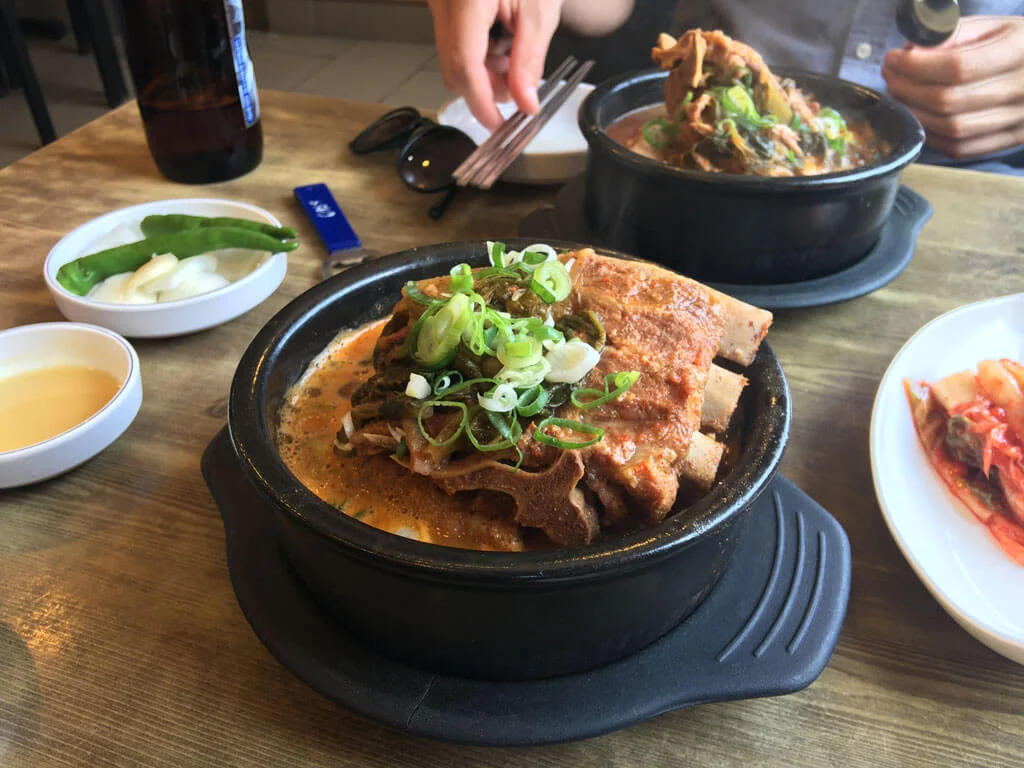
Participants in these programs often receive hands-on instruction in the preparation of staples like kimchi, bulgogi, and japchae. These sessions are not merely instructional; they function as an introduction to the concept of banchan (side dishes) and the historical importance of fermentation in Korean cuisine. Specialized walking tours that navigate traditional food markets, such as the Tongin Market, allow visitors to engage directly with local vendors, providing an authentic look at the supply chain of Korean street food.
Regional Excursions: Exploring Beyond the City Limits
While the Seoul metropolitan area is densely packed with activities, significant tourism value is found in the surrounding Gyeonggi-do and Gangwon-do provinces.

The DMZ: A Geopolitical Landmark
The Demilitarized Zone (DMZ) remains one of the most visited sites by international travelers. While the Joint Security Area (JSA) is the most famous, alternative tours to the Odusan Unification Observatory and the 3rd Infiltration Tunnel offer a more comprehensive understanding of the Korean War’s legacy. These sites provide a sobering, fact-based narrative of the division between the North and South, drawing millions of visitors who seek to understand the ongoing geopolitical complexities of the peninsula.
Chuncheon and the Nami Island Corridor
The Chuncheon region, located approximately 80 kilometers northeast of Seoul, serves as a hub for leisure tourism. Nami Island, famous for its picturesque tree-lined paths, and the nearby "Petite France" cultural village, have seen an influx of visitors spurred by their frequent appearances in popular Korean dramas. These tours are essential for travelers who wish to experience the countryside without the complications of navigating regional bus and train transfers.

Seasonal Tourism: Skiing and Ice Fishing
South Korea’s topography is uniquely suited for winter sports, with 17 registered ski resorts across the country. During the winter months, from December to February, tour operators provide comprehensive packages to resorts like Elysian Gangchon. These packages are specifically designed to reduce the barrier to entry for international tourists by bundling transport, equipment rentals, and lift passes. Similarly, ice fishing festivals in the Gangwon province have become a signature winter event, often paired with rail bike excursions to provide a full-day, multi-sensory experience.
Logistical Considerations and Best Practices
When booking tours in Seoul, experts recommend verifying the accreditation of the tour operators. The KTO maintains a registry of authorized travel agencies, which ensures that tours adhere to national safety standards and provide accurate information.

Furthermore, the integration of technology into the tourism sector has simplified the booking process. Most reputable tours are now available via digital platforms that offer real-time availability, clear pricing structures, and user reviews. It is advisable to book at least 48 hours in advance, particularly for high-demand experiences like DMZ tours or weekend trips to Nami Island.
Broader Economic and Cultural Implications
The growth of the guided tour sector in Seoul is reflective of a broader shift in South Korea’s economic strategy. Tourism is now viewed as a critical component of the national economy, contributing to service sector growth and the global dissemination of Korean culture. By professionalizing the tour experience, the city not only improves the satisfaction of its visitors but also ensures that the narrative surrounding its history and culture remains accurate and accessible.

From an urban planning perspective, these tours assist in dispersing crowds, directing tourists toward lesser-known heritage sites, and reducing the environmental pressure on central Seoul. As the city continues to invest in tourism infrastructure—such as the modernization of public transit and the expansion of cultural heritage sites—the role of professional tour operators will likely continue to evolve, moving toward more specialized and sustainable tourism models.
For travelers, the key to a successful trip lies in the balance between self-exploration and professional guidance. By selecting tours that align with specific interests—whether historical, culinary, or geopolitical—visitors can ensure a productive and intellectually enriching stay in one of the world’s most dynamic capitals. As the industry advances, the focus will undoubtedly remain on providing high-quality, authentic experiences that reflect the complex, multi-layered identity of modern South Korea.
