

The Historical and Cultural Significance of Ssuk
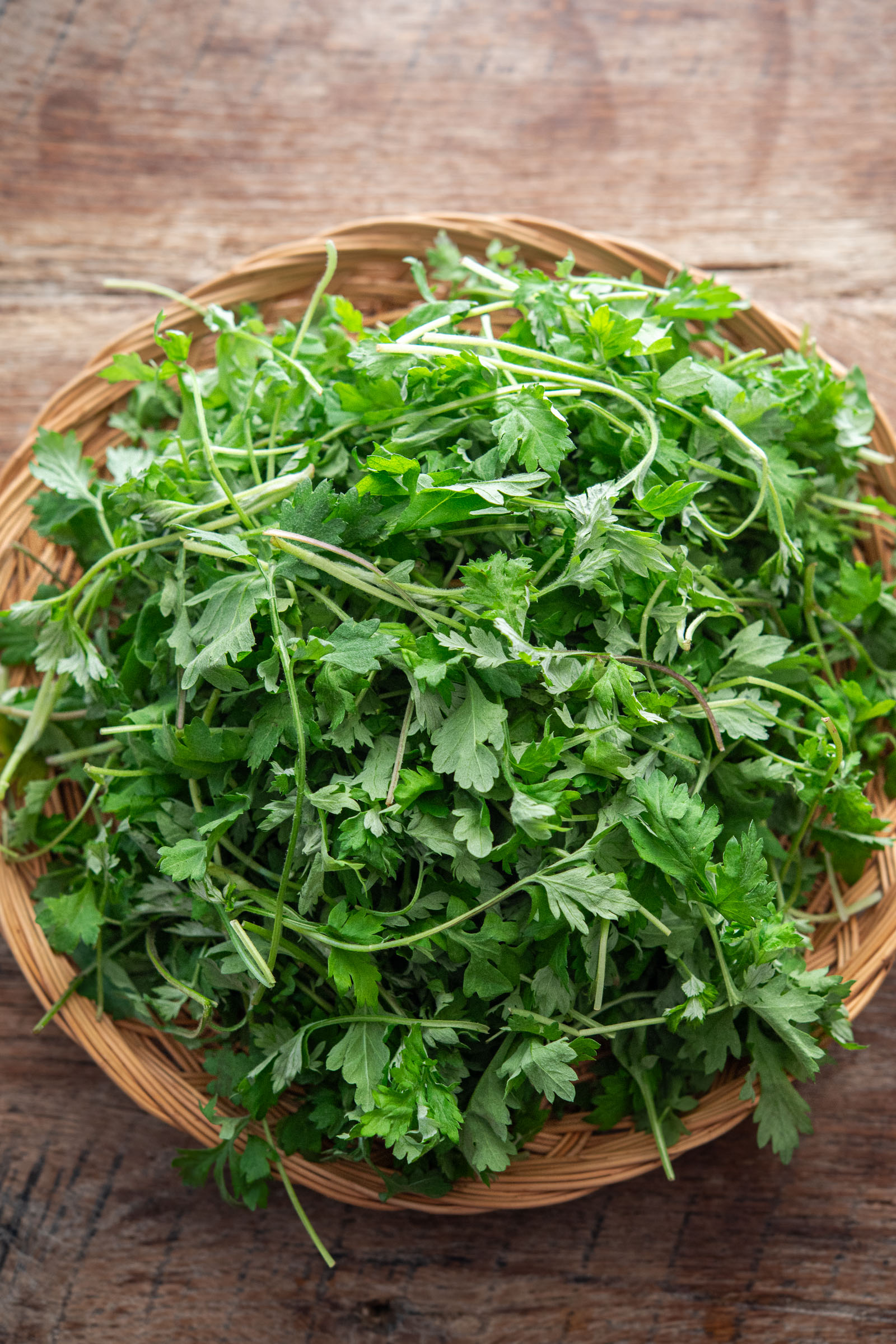
In Korean culture, the arrival of spring is inextricably linked to the foraging of wild greens, or namul. Among these, ssuk (mugwort) is perhaps the most revered. Historically, the plant was not merely a food source but a medicinal staple used in traditional folk remedies to improve circulation and reduce inflammation. According to traditional Korean agricultural calendars, the period following the solar term "Gyeongchip"—when animals are said to emerge from hibernation—marks the optimal time for harvesting the first tender shoots of mugwort.
The practice of foraging for mugwort has transitioned from a necessity of rural subsistence to a cherished seasonal ritual. In modern Korea, while commercial availability has increased, the act of harvesting fresh mugwort from hillsides remains a significant cultural touchstone, often serving as an intergenerational activity that connects younger urban populations with traditional agrarian practices.
Technical Profile: The Science of Ssuk Beomuri
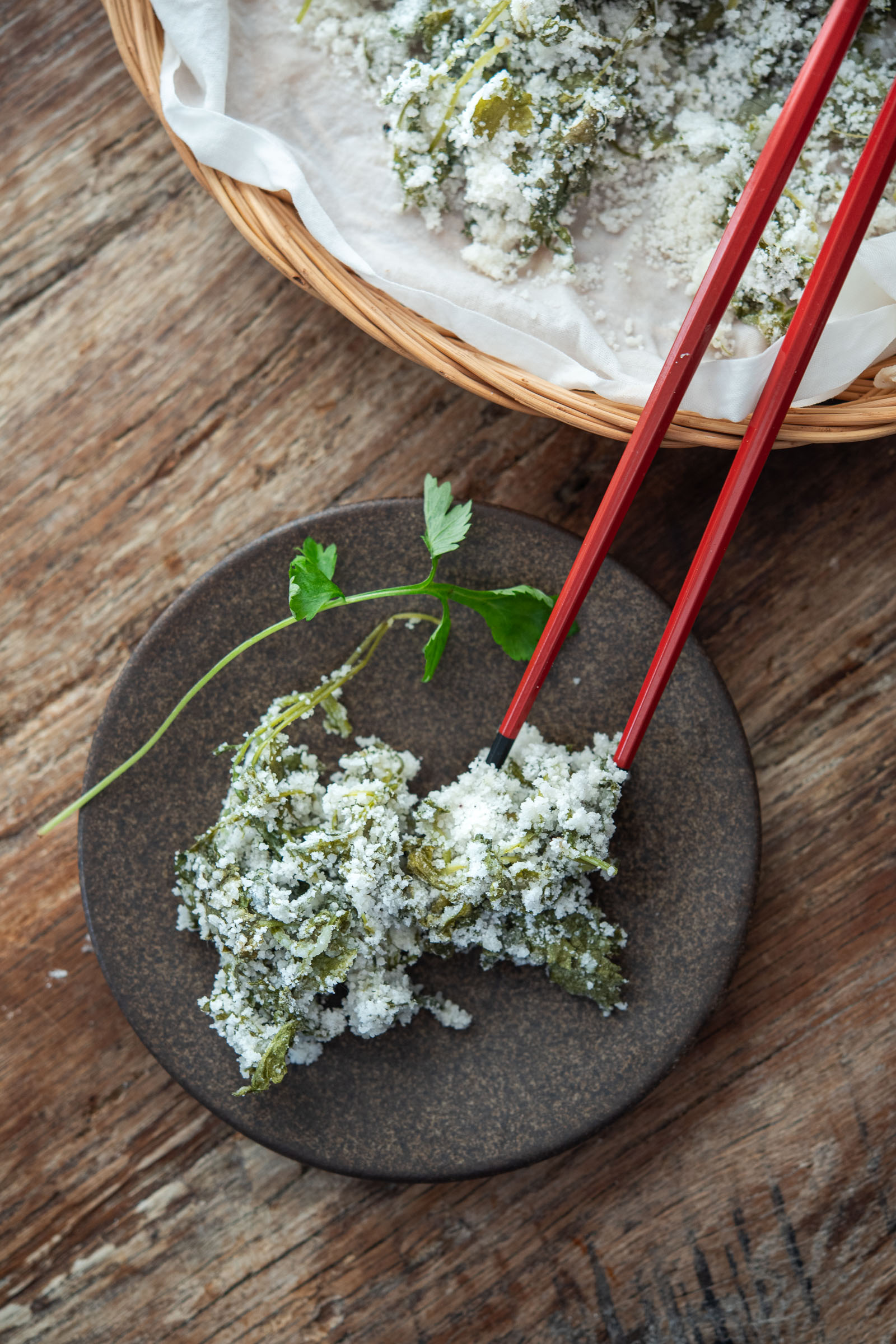
From a culinary perspective, the preparation of ssuk beomuri represents a masterclass in moisture management and starch manipulation. The dish is categorized under the baekseolgi style of rice cakes, which are distinguished by their reliance on steam rather than heat-induced gelation through pounding.
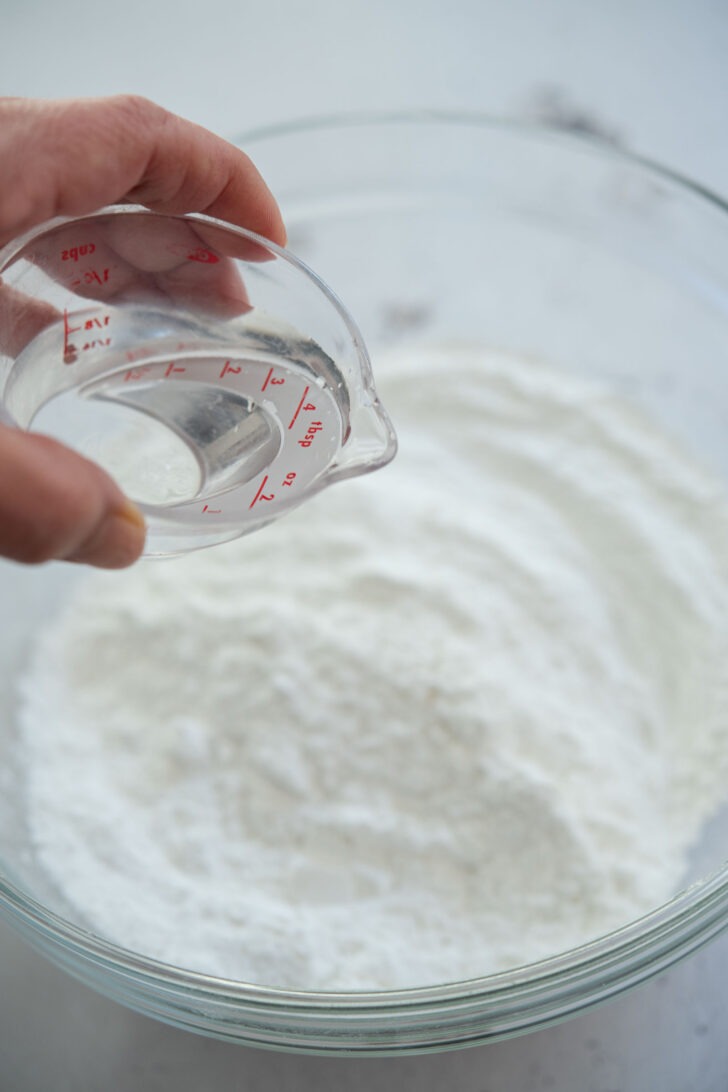
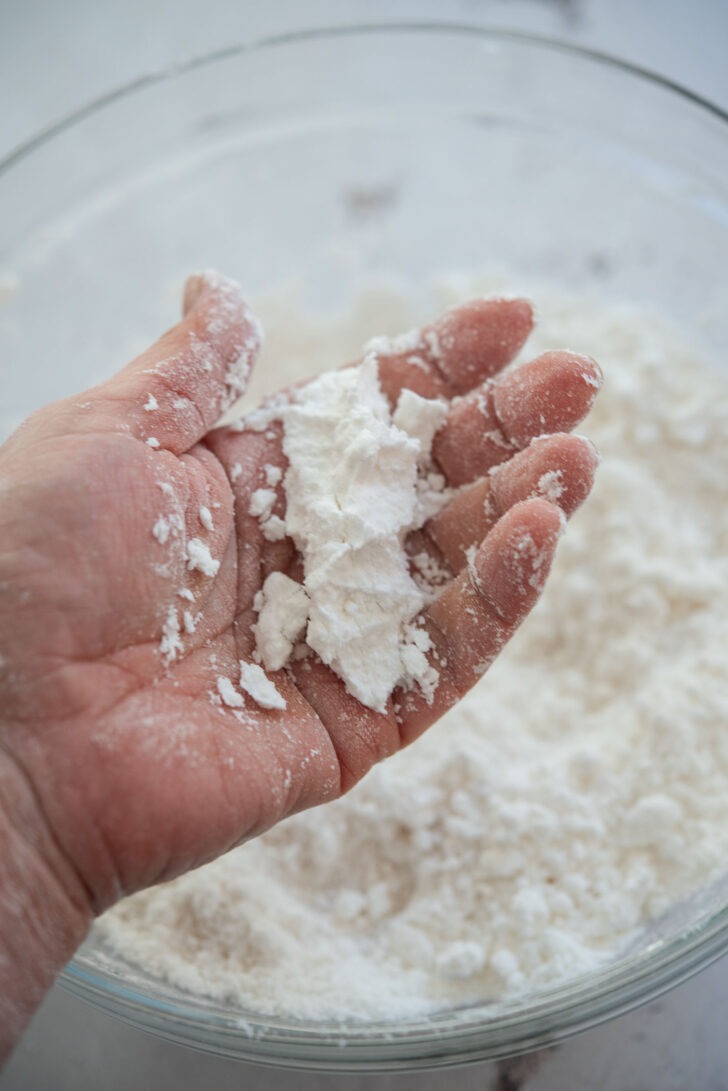
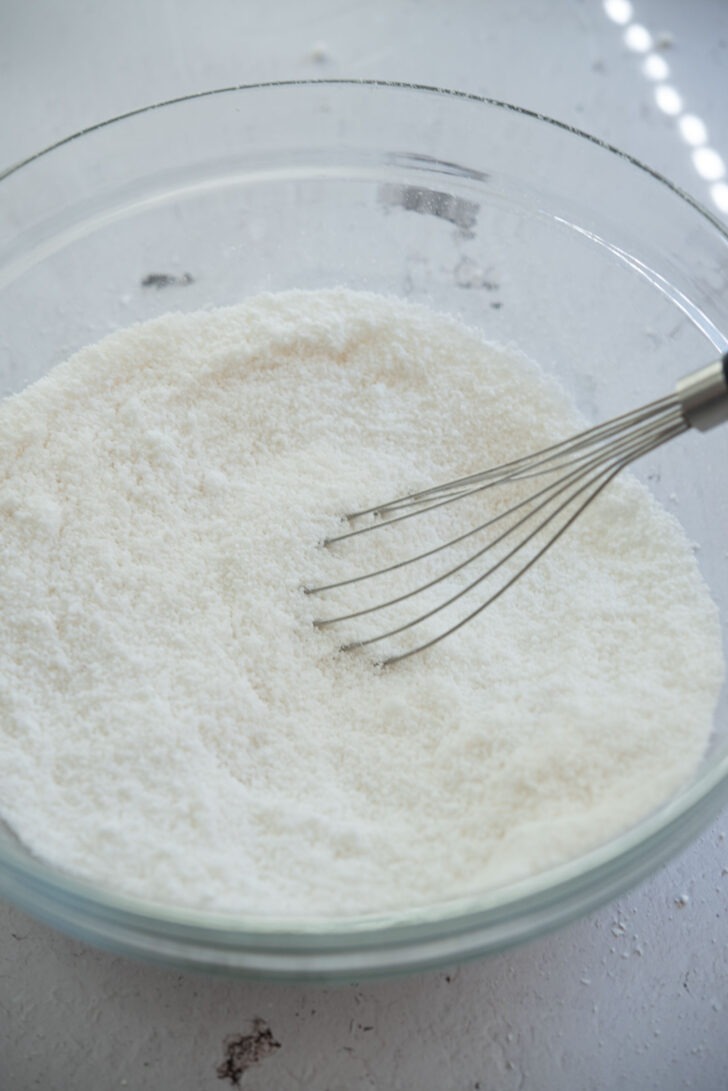
The process requires a precise hydration ratio. The rice flour—typically non-glutinous—must be moistened until it reaches a sandy consistency. This is determined by the "clump-and-crumble" test: the flour is compressed in the palm; if it holds its shape momentarily but breaks apart under slight pressure, the moisture content is considered optimal. This step is critical because, unlike baked goods that rely on leavening agents, the texture of ssuk beomuri is entirely dependent on the structural integrity of the rice particles and the steam channels created during the assembly process.
Culinary Chronology and Preparation Steps
The preparation of the dish follows a rigorous, albeit simple, chronological sequence:
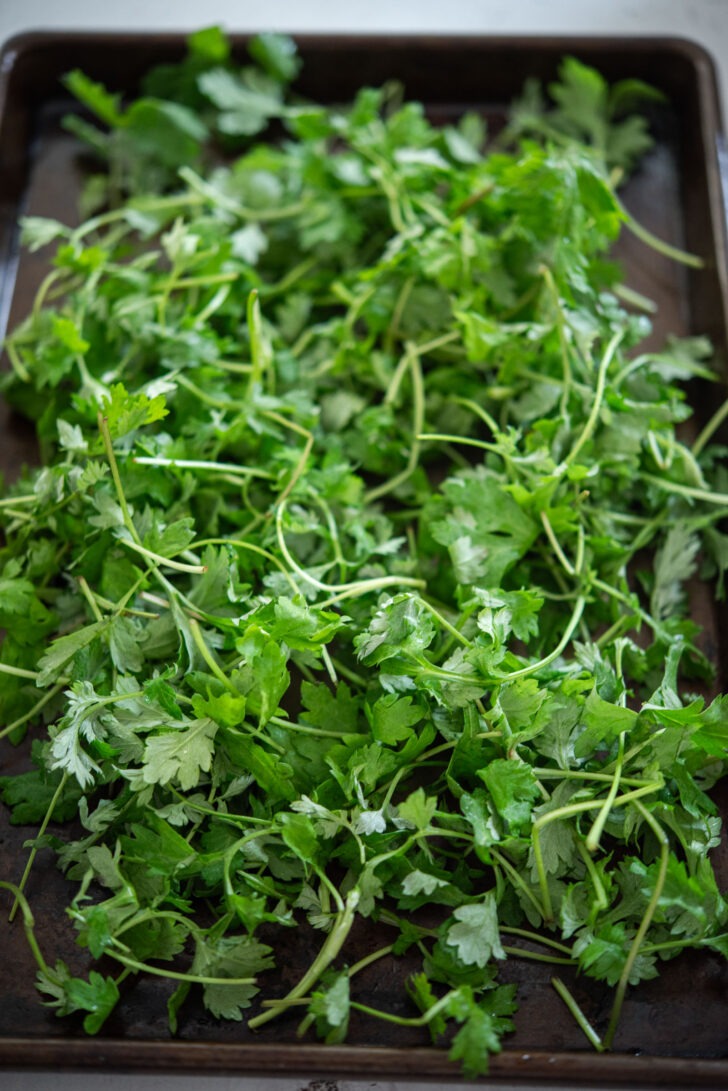
- Harvesting and Selection: The process begins with the identification of young, tender shoots. Older plants develop woody, fibrous stems that are undesirable in the final texture. Culinary experts emphasize that the plant should be harvested before it begins to bloom, as the leaves become increasingly bitter as the season progresses.
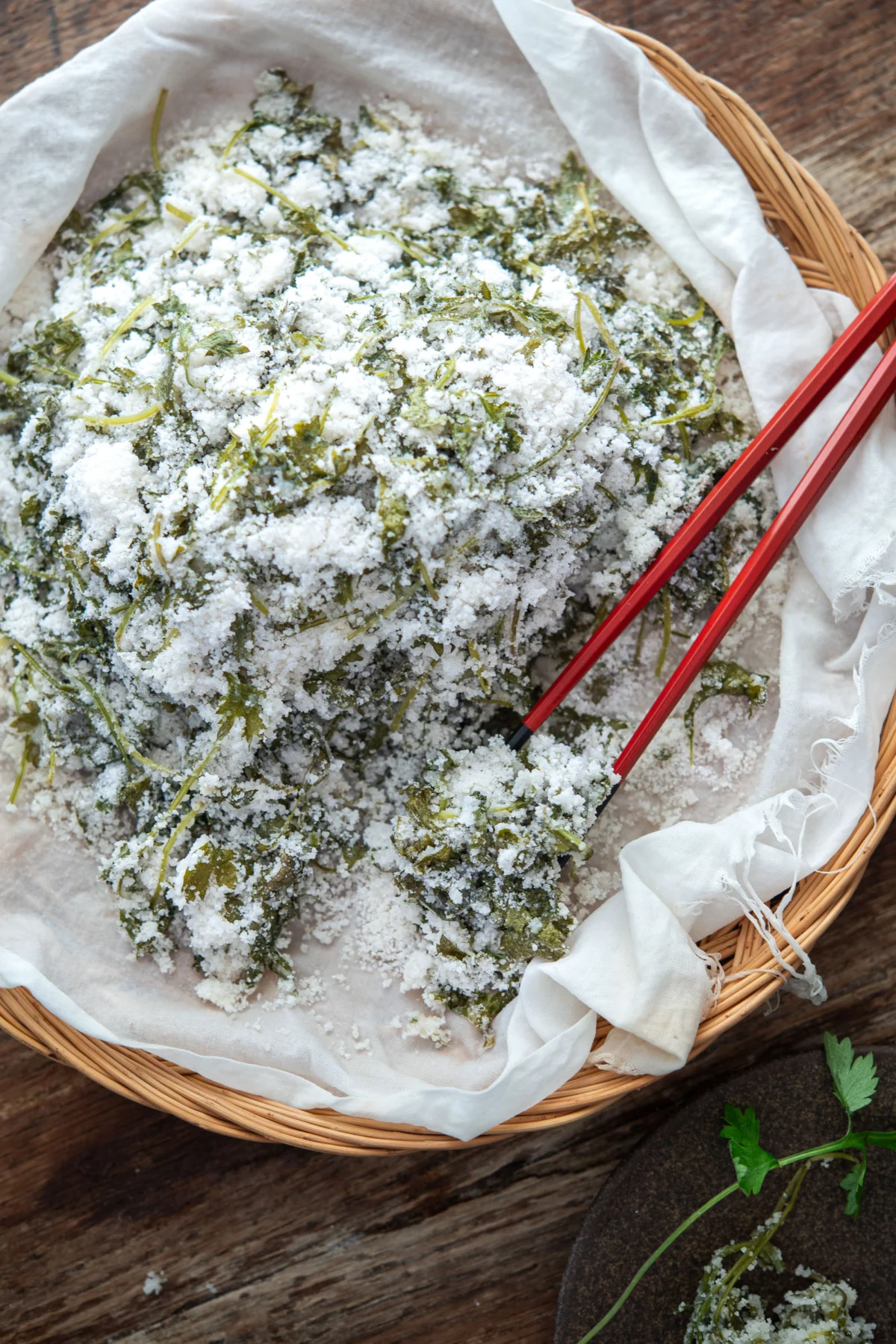
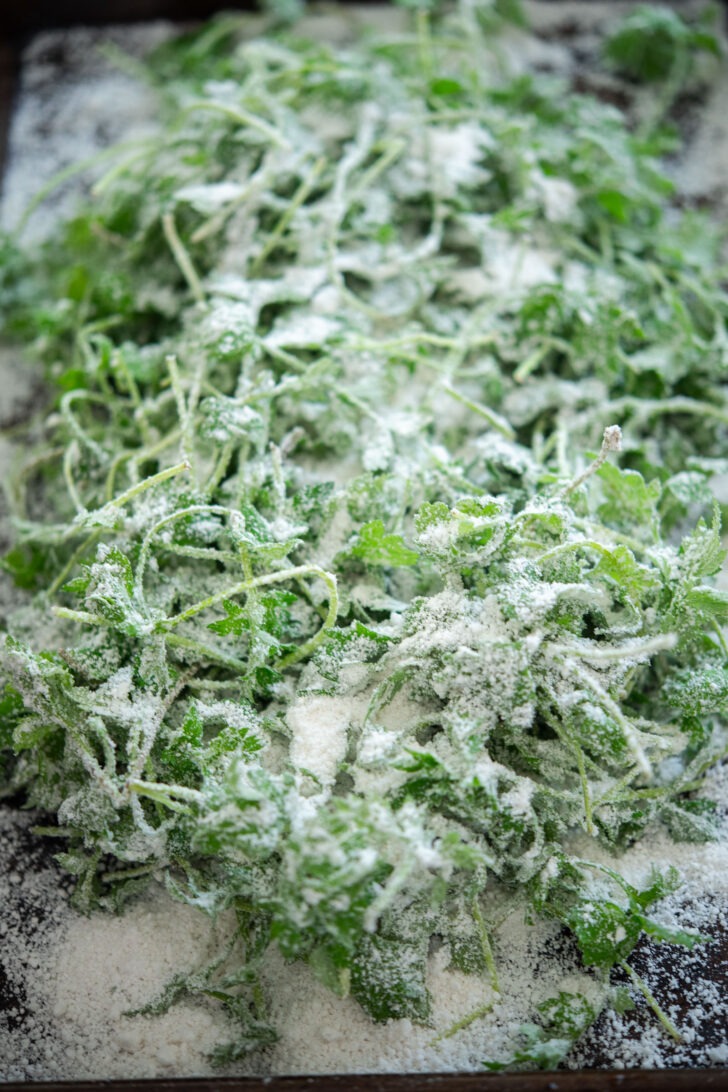
- Cleaning and Hydration: The mugwort must be thoroughly washed to remove soil, then drained. Crucially, the leaves must retain a specific degree of surface moisture to facilitate the adhesion of the rice flour without turning the final product into a gummy paste.
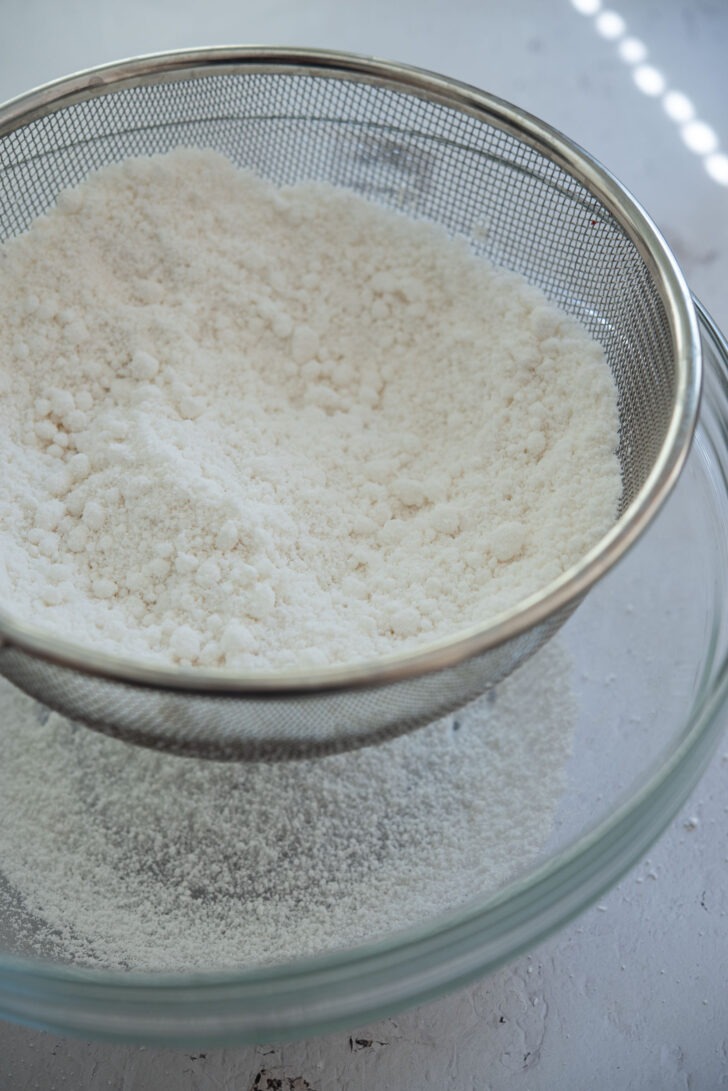
- Flour Incorporation: The rice flour, usually mixed with salt and sugar, is sifted. Sifting is not merely a decorative step; it is a structural necessity that aerates the flour, ensuring that steam can penetrate the mixture uniformly.
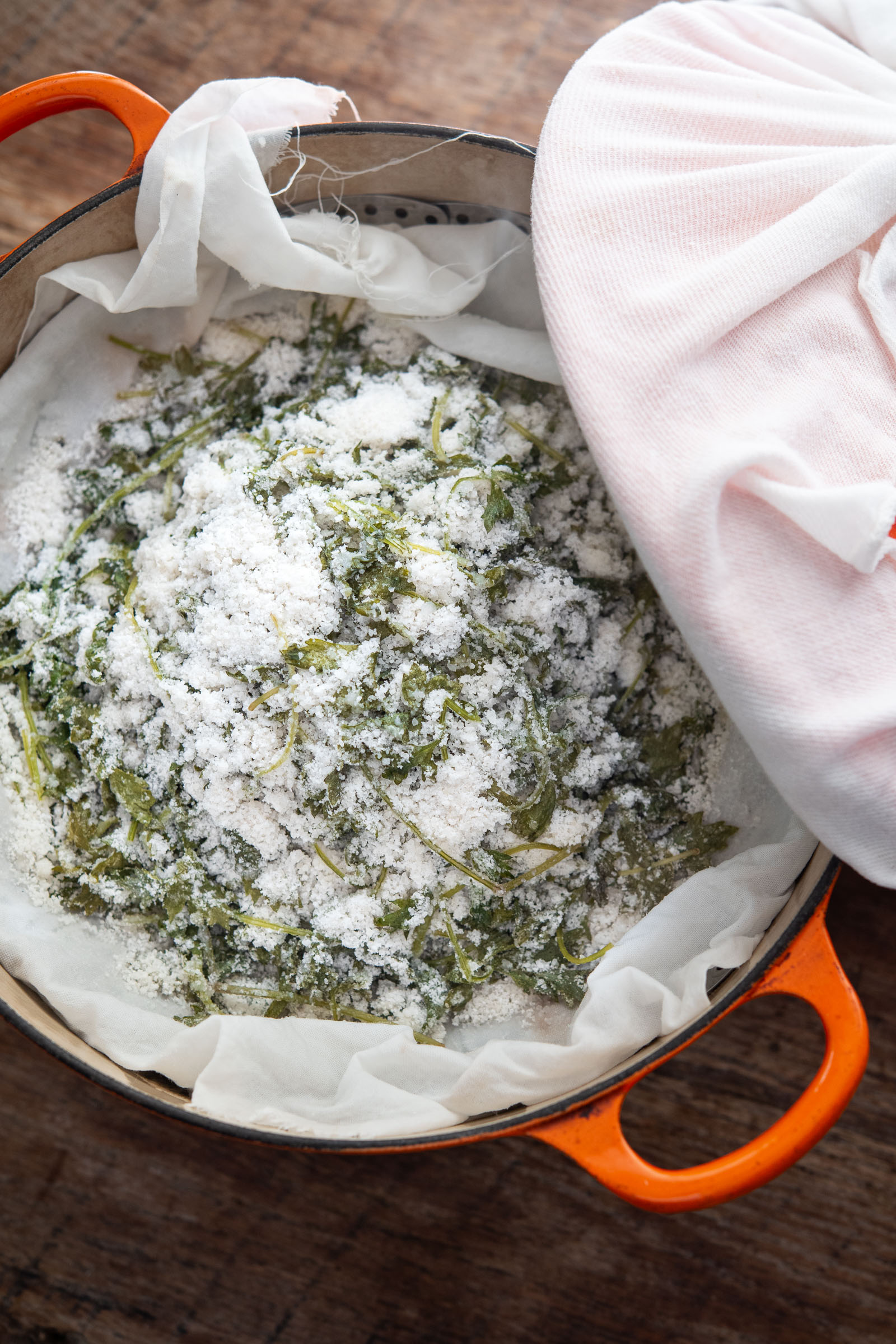
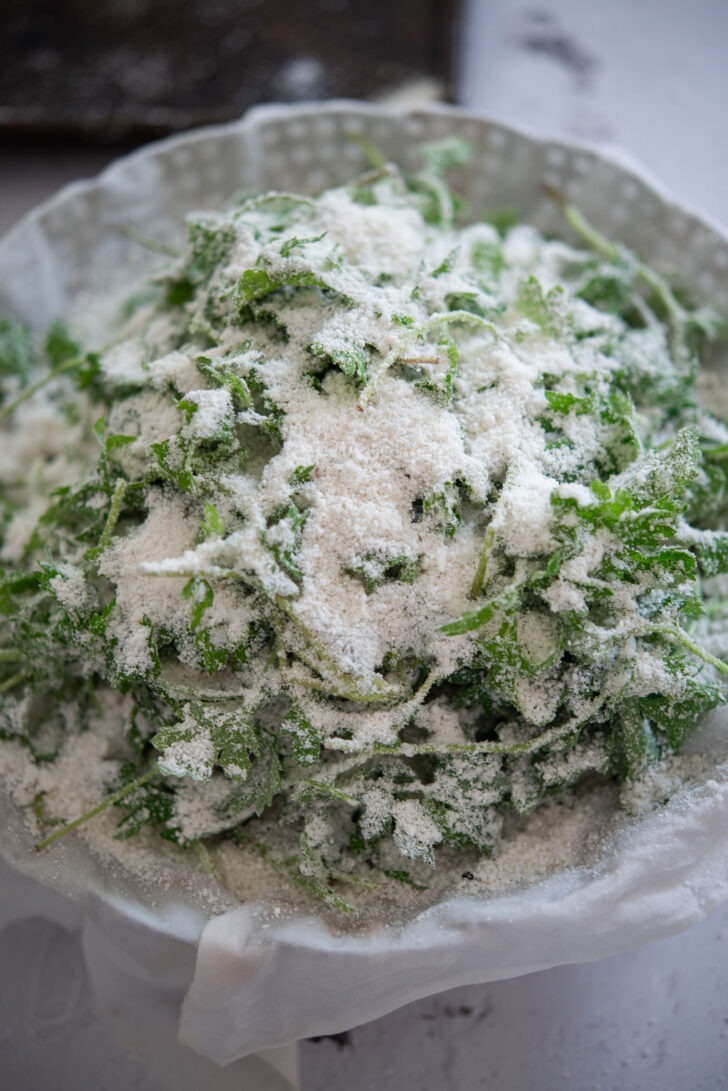
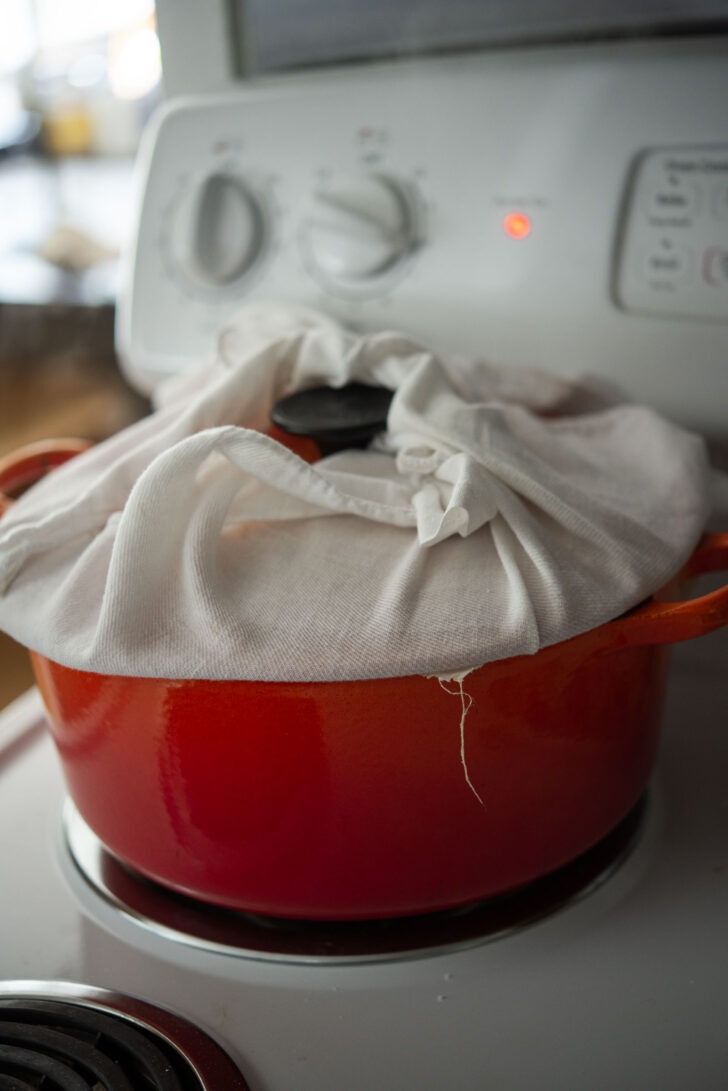
- Steaming: The mixture is placed in a cloth-lined steamer. The use of a cotton cloth is vital for moisture control; it prevents the rice flour from falling through the steamer perforations and helps absorb excess condensation. The dish is typically steamed for approximately 15 to 20 minutes, followed by a short resting period to allow the steam to stabilize the cake’s structure.
Nutritional Implications and Dietary Context
Ssuk beomuri is naturally gluten-free and vegan, making it an increasingly relevant choice for modern dietary requirements. A standard serving contains approximately 349 calories, with a profile that includes 78 grams of carbohydrates and 5 grams of protein.
From a nutritional standpoint, the addition of mugwort introduces a variety of phytonutrients and vitamins, including Vitamin A and C, as well as essential minerals such as iron and calcium. While the rice base provides a quick source of energy, the mugwort provides a complex flavor profile—often described as earthy and slightly bitter—which balances the sweetness of the sugar. This balance is a hallmark of traditional Korean desserts, which often prioritize subtle, nuanced flavors over the high-sugar profiles common in Western confectionery.
Global Adoption and Market Trends
In recent years, the popularity of Korean cuisine (K-Food) has led to an increased interest in traditional rice cakes beyond the borders of Korea. As global awareness of gluten-free alternatives grows, the interest in tteok, including ssuk beomuri, has expanded.
Industry analysts suggest that the demand for traditional Korean ingredients like mugwort powder has risen by approximately 15% annually in international markets. This trend has been bolstered by the availability of high-quality, shelf-stable mugwort powder, which allows consumers in non-seasonal climates to recreate the dish throughout the year. For the professional culinary sector, this represents an opportunity to incorporate unique, herbal flavor profiles into high-end pastry menus, further elevating the status of traditional Korean rice-based desserts.
Challenges in Preservation and Modern Adaptation
Despite its cultural value, ssuk beomuri presents logistical challenges for mass distribution. Because the dish relies on the freshness of the mugwort and the specific moisture balance of the rice flour, it has a short shelf life, typically hardening within 24 to 48 hours.
To combat this, the food technology sector has invested in modified atmosphere packaging and flash-freezing techniques to maintain the texture of the steamed rice cake. These advancements have allowed specialty producers to export traditional tteok to diaspora populations worldwide. However, culinary traditionalists maintain that the "true" version of the dish, prepared in a home kitchen and served immediately, remains unmatched in both texture and aroma.
Conclusion and Future Outlook
The enduring popularity of ssuk beomuri is a testament to the resilience of traditional Korean culinary techniques. By focusing on seasonal, plant-based ingredients and a simple yet precise preparation method, the dish serves as a bridge between Korea’s agricultural past and its modern, health-conscious present. As the global culinary community continues to explore the intersections of traditional heritage and modern dietary needs, it is likely that dishes like ssuk beomuri will continue to gain prominence, not only as a cultural artifact but as a viable, nutritious, and sustainable dessert option in the global marketplace.
Whether prepared with fresh-foraged greens in an early spring kitchen or reconstituted from high-quality powder in an urban apartment, the essence of the dish remains unchanged: a celebration of the earthy, vibrant flavors of the earth and the simple, transformative power of steam. The ongoing documentation and preservation of these recipes ensure that the sensory experience of "ssuk season" remains accessible to future generations, reinforcing the vital link between nature and the dining table.
