

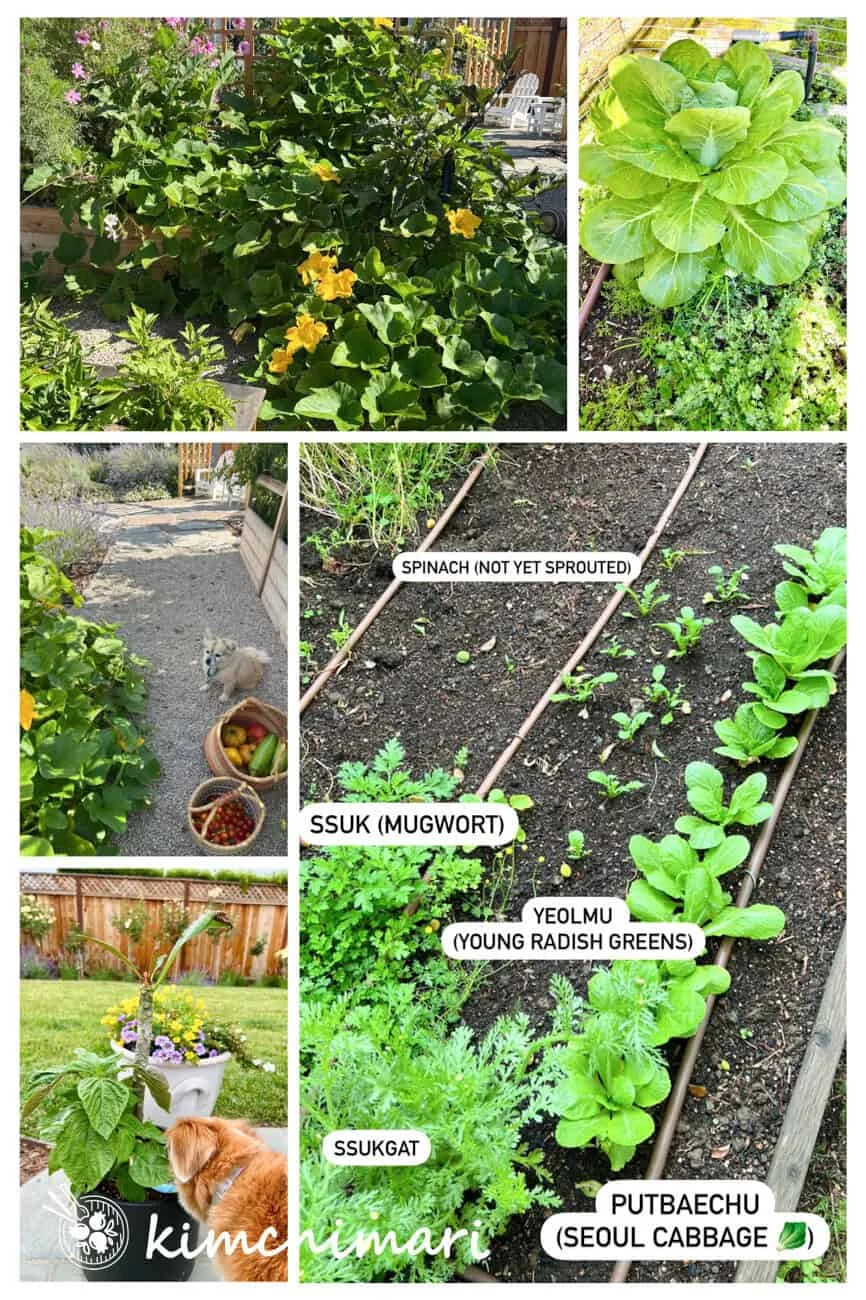
The modern culinary landscape has seen a profound shift toward home cultivation, driven by a growing consumer desire for authentic global flavors and sustainable food practices. Among these culinary movements, home gardening centered on traditional East Asian produce has experienced a significant surge. Building upon a decade of personal horticultural experimentation, seasoned gardening expert and culinary writer JinJoo has released a comprehensive blueprint detailing 18 additional Korean vegetables that can be successfully cultivated in domestic backyards and urban container spaces. This extensive guide moves far beyond common staples like perilla and scallions, opening access to rare mountain foraged crops, winter-hardy greens, and heritage varieties that are otherwise difficult or impossible to source in mainstream commercial markets.
The expansion of domestic Korean vegetable gardening reflects a broader macroeconomic and cultural trend: the globalization of home kitchens. Over the past ten years, culinary enthusiasts have increasingly sought out authentic ingredients to replicate complex regional dishes at home. While standard grocery chains frequently stock basic Asian vegetables such as bok choy or napa cabbage, specialized agricultural goods—particularly historic mountain greens (sanamul) and seasonal fermentation crops—remain entirely absent from conventional retail supply chains. Cultivating these items domestically provides a direct solution for home cooks aiming to achieve genuine flavor profiles in dishes ranging from traditional kimchi and namul (seasoned vegetable side dishes) to hearty soybean paste soups (doenjang guk).
To optimize planting success, the newly compiled horticultural guide organizes the 18 crops chronologically by season, establishing a structured agricultural timeline for growers in temperate regions.
Spring Cultivation and Cool-Season Crops
The spring planting cycle begins immediately following the final frost of the season. These cool-season cultivars thrive in mild ambient temperatures; exposure to prolonged summer heat forces premature bolting or induces an unpalatable bitterness, necessitating harvest before seasonal temperatures peak.
Among the primary spring recommendations is Jeok Sangchu (Korean Red Leaf Lettuce and Flower Lettuce). Unlike standard Western romaine or iceberg varieties, these heritage cultivars are prized for exceptionally tender textures and naturally sweet flavor profiles, making them indispensable for traditional ssam (wrapped dining preparations). Similarly, Yeolmu (Korean young radish greens) represents a crucial agricultural component of the spring-to-summer transition. Characterized by tender, mildly piquant leaves, yeolmu serves as the foundational ingredient for Yeolmu Kimchi, a cooling summer staple traditionally paired with chilled noodles or rice.
Foragers and gardeners looking for authentic regional herbs turn to Naengi (Shepherd’s Purse). Eaten whole, including the upper root structure, this wild-harvested spring green introduces a distinct earthy and nutty profile to seasonal broths. Finally, Jeok Gat (Korean Red Mustard Greens) offers deep purple-red foliage that delivers both aesthetic value to the garden bed and a sharp, fragrant pungency utilized heavily in traditional late-autumn Kimjang preparations.
Late Spring and Summer Heat-Loving Varieties
As soil temperatures rise and the threat of frost completely dissipates, the agricultural focus shifts toward warm-season crops that require full solar exposure and thermal soil retention.
The summer catalog features Kkari Gochu (Korean wrinkled green peppers), botanically similar to Japanese shishito peppers but distinguished by a unique smoky flavor profile when dry-roasted or pan-fried. While predominantly mild—averaging around 100 on the Scoville scale—isolated specimens retain unexpected heat. Gardeners also gain access to Chamoe (Korean melon), an oval summer fruit distinguished by bright golden rinds and distinct white striping. Yielding roughly one-pound fruits with high sugar content, home cultivation remains the most reliable method for obtaining fresh, unbruised specimens outside the Korean peninsula.
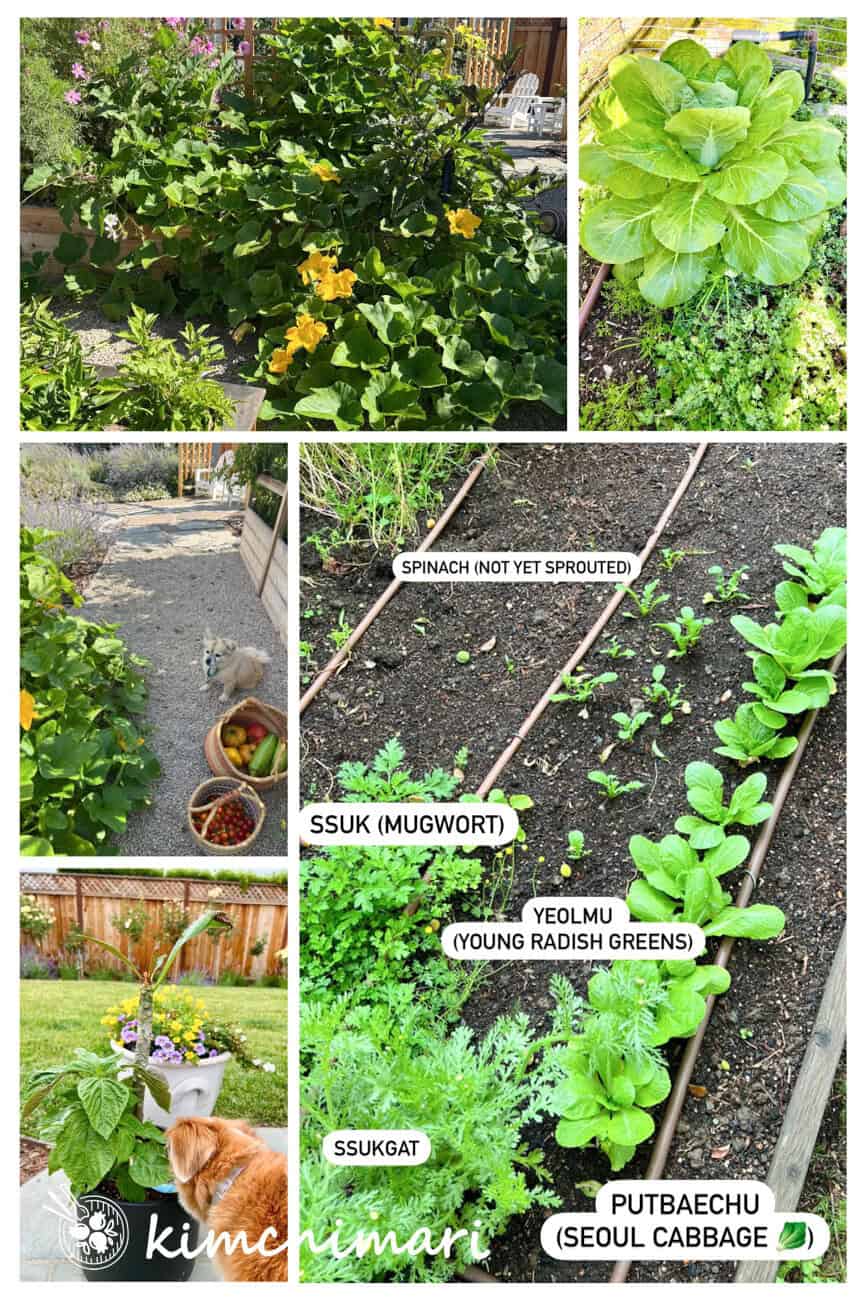
Additional summer staples include Gaji (Korean long black eggplant), which offers a significantly higher moisture content, fewer seeds, and a more delicate texture than standard Western globe eggplants, alongside Danhobak (Korean sweet pumpkin or kabocha squash). Weighing between three and four and a half pounds, danhobak develops dense, sweet yellow flesh upon cooking and holds a revered status in traditional post-partum dietary traditions for its purported diuretic properties.
Fall and Winter-Hardy Plantings
The agricultural calendar extends deep into the cooler months through specialized autumn sowing, allowing continuous harvesting throughout the winter season in milder climates.
Central to this phase is Mu (Korean radish), an essential component of authentic winter fermentation. Characterized by a dense, crunchy, and juicy texture with balanced peppery and sweet notes, authentic Korean radishes planted in late August and harvested ahead of the November Kimjang season are deemed non-negotiable for traditional fermentation. Closely related is Chonggakmu (young ponytail radish), cultivated specifically for its fine root structure and leafy tops, which are harvested entirely to produce Chonggak Kimchi.
Additional cool-weather crops include Bomdong, a flattened, non-heading cabbage capable of withstanding freezing winter temperatures while producing juicier, sweeter leaves than standard napa cabbage, and Eolgari Baechu (Seoul green cabbage), a rapid-growth loose-head variety harvestable within three to seven weeks. Shigeumchi (Korean spinach) contrasts sharply with domestic American spinach varieties; rather than wilting into a soft consistency, Korean spinach maintains a fibrous, succulent crunch and heightened natural sweetness through cooking processes. The autumn rotation is rounded out by Baek Kyeong Geundae (white stem Swiss chard), valued for its versatility in blanched side dishes and soups.
Perennial Crops and Long-Term Agricultural Investment
For growers seeking multi-year yields, the guide outlines foundational perennial species that establish deep root systems and return annually with minimal seasonal reseeding.
Doraji (Balloonflower root), recognizable by its striking purple, star-shaped blossoms, produces a medicinal taproot structurally comparable to ginseng. Requiring patience over multiple growing seasons, the harvested root delivers a characteristic bittersweet flavor profile heavily utilized in festive bibimbap dishes. Similarly, Chwinamul (Aster scaber) and Gomchwi (Fischer’s ragwort) represent elite mountain foraged vegetables (sanamul) that transition seamlessly into domestic garden plots. Gomchwi, in particular, acts as a dramatic focal point in the landscape, featuring broad, heart-shaped foliage capable of reaching heights of five to six feet. The perennial selection concludes with Auk (curled mallow), a resilient, slug-resistant leafy green featuring purple-tinted stems that provide steady foliage yields for seasonal soups.
Practical Implications and Urban Adaptability
Industry analysis of home gardening trends indicates that specialized ethnic horticulture is no longer restricted to rural homesteads with expansive acreage. Agricultural specialists emphasize that many specialized Korean cultivars—particularly leafy greens, perilla, chives, and compact root vegetables—adapt exceptionally well to high-density container gardening. Urban dwellers utilizing apartment balconies or raised patio beds can maintain a consistent yield of fresh culinary herbs without requiring traditional land access.
To support the growing demographic of domestic growers, agricultural hobbyists have established localized and digital knowledge-sharing networks, including dedicated online communities such as the Korean Vegetable Gardening collective. These platforms serve as vital clearinghouses for seed-sourcing data, localized frost-date tracking, and troubleshooting common cultivation challenges.
Ultimately, the democratization of specialized Korean agriculture bridges a significant gap in the culinary supply chain. By bringing rare mountain greens, winter cabbages, and heritage melons directly to backyard plots, home cooks gain unprecedented autonomy over the authenticity and freshness of their ingredients, signaling a permanent expansion in modern domestic horticulture.
