


The landscape of modern television has increasingly embraced reality programming that delves deeply into the raw, often turbulent dynamics of marital discord. Among the prominent titles capturing public attention is the JTBC variety program Divorce Camp, a show designed to offer couples on the brink of separation a final opportunity at reconciliation through intensive professional intervention. However, recent episodes have transcended standard domestic drama, plunging into profound controversy following remarks made by a high-profile participant. Bae Young Gil, a professional boxing champion appearing on the program alongside his wife Yoo Hee Jung, triggered widespread disbelief and public outrage during the October 22 broadcast when he advocated for mandatory pre-emptive paternity testing to preemptively avert domestic complications.
The incident underscores a volatile intersection between traditional patriarchal worldviews and contemporary marital expectations, casting a sharp spotlight on the psychological barriers that frequently impede relational rehabilitation. As television audiences and cultural commentators alike grapple with the implications of these televised disputes, the episode has ignited broader national conversations regarding gender roles, marital trust, and the efficacy of reality television counseling formats in addressing deeply ingrained behavioral patterns.
Chronology of Events and the Counseling Breakthrough
The sequence of events leading up to the controversy began during the early segments of the October 22 episode of Divorce Camp. Bae Young Gil, whose public persona is defined by his formidable career as a boxing champion, entered the counseling phase of the program exhibiting severe behavioral rigidity. His interactions with his spouse, Yoo Hee Jung, had long been characterized by stark communication breakdowns, an aversion to compromise, and rigid adherence to hierarchical domestic structures.
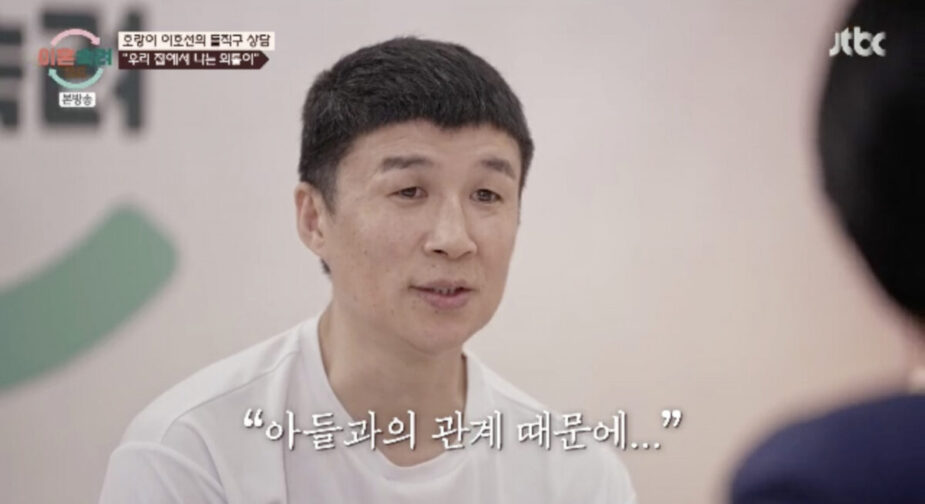
Recognizing the severity of the couple’s alienation, relationship expert and counselor Lee Ho Sun intervened, conducting intensive mediation sessions aimed at dismantling Bae’s defensive postures. During these structured psychological evaluations, Bae seemingly experienced a breakthrough. Visibly moved by the counseling process, the athlete broke down in tears, openly acknowledging his behavioral shortcomings and explicitly pledging to alter his approach to marriage. Viewers and production staff alike interpreted this emotional display as a genuine turning point, signaling a willingness to embrace vulnerability and foster a more equitable partnership with his wife.
However, this momentum toward reconciliation proved short-lived. Following the formal counseling sessions, the male participants of the program gathered for informal socialization. During this interaction, Bae aligned himself with another cast member, widely referred to within the show’s narrative framework as the "Fair Couple" husband.

The Controversial Conversation and Ideological Alignment
The camaraderie established among the husbands quickly deteriorated into an exchange of regressive ideological viewpoints. Rather than reinforcing the constructive principles introduced during counseling by Lee Ho Sun, the conversation reverted to conservative, patriarchal grievances. Both men voiced explicit disdain for wives who challenge their husbands’ authority, characterizing reasonable domestic discourse as insubordination.
The dialogue escalated significantly when the conversation turned toward matters of marital fidelity and institutional trust. In a statement that immediately drew sharp condemnation from viewers and cultural critics, the participants argued that mandatory paternity tests should be instituted as a standard precautionary measure prior to or early within marriage to preemptively avoid domestic disputes. The assertion—implying a baseline suspicion of maternal infidelity as a preventive administrative measure—sent shockwaves through the viewing audience, abruptly overshadowing any previous narrative progression regarding Bae’s emotional rehabilitation.
The swiftness of Bae’s ideological reversion laid bare the superficial nature of his counseling breakthrough. Upon returning to the domestic environment shared with Yoo Hee Jung, his recalcitrant attitude manifested immediately. When Yoo proposed a practical domestic rearrangement—suggesting that the household wardrobe be allocated to their eldest son and that the couple share the master bedroom—Bae categorically rejected the proposal. Instead, he insisted on maintaining his established isolation, opting to watch television indefinitely in the living room and sleep exclusively on the sofa.
When confronted with his immediate backtracking on the promises made to counselor Lee Ho Sun, Bae offered a fatalistic rationalization for his intransigence. He remarked on air, "I’ve lived my way until now; people don’t change easily," thereby codifying his refusal to adapt into a permanent personal philosophy.
Supporting Data and the Phenomenon of Divorce Reality Programming
Divorce Camp operates within a crowded television genre that has gained immense traction across South Korea and international markets over the past decade. Reality television formats focusing on marital therapy, such as We Got Divorced, Between Marriage and Divorce, and various international adaptations, have become cultural barometers for shifting societal attitudes toward matrimony, gender equality, and family structures.
Statistical data from South Korea’s National Statistics Office indicate a persistent, albeit fluctuating, rate of legal separations and divorces, driven increasingly by changing expectations regarding marital egalitarianism. Younger demographics within South Korea have largely moved away from traditional patriarchal norms, favoring companionate marriages characterized by shared domestic labor and mutual decision-making. Consequently, television programs that expose the friction between older, entrenched patriarchal mindsets and modern marital expectations serve as focal points for national debates.

Studies in media psychology suggest that reality television audiences are drawn to these programs not merely for sensationalism, but for their perceived authenticity in depicting human relational psychology. However, critics frequently raise ethical concerns regarding the commodification of deep-seated psychological trauma and marital dysfunction for entertainment purposes. When participants like Bae Young Gil publicly articulate extreme ideological positions—such as the necessity of mandatory paternity tests—the discourse extends far beyond the confines of the television screen, influencing public perceptions of trust, gender equity, and familial law.
Psychological Analysis and Implications of Behavioral Intransigence
The psychological trajectory exhibited by Bae Young Gil during his tenure on Divorce Camp provides a compelling case study in cognitive dissonance and resistance to behavioral modification. According to clinical relationship experts not affiliated with the show, emotional breakthroughs achieved in high-pressure, televised environments often fail to translate into sustained behavioral changes unless reinforced by continuous, long-term psychotherapy outside the public eye.
Bae’s reliance on his athletic identity as a boxing champion—a profession demanding absolute control, physical dominance, and emotional compartmentalization—appears to heavily influence his domestic interactions. In a professional sporting context, yielding ground is synonymous with defeat. Transposing this zero-sum paradigm into a marital relationship inevitably generates adversarial dynamics, wherein compromise is erroneously perceived as a loss of authority.
Furthermore, the influence of peer validation, as demonstrated in his conversation with the "Fair Couple" husband, illustrates the potency of echo chambers in reinforcing maladaptive behaviors. When individuals embedded in patriarchal frameworks validate one another’s regressive attitudes, any internal motivation toward personal growth or empathy is systematically neutralized. This sociological phenomenon explains the abruptness of Bae’s regression following his emotional counseling session with Lee Ho Sun.
The broader implications of the broadcast extend into the cultural realm of gender relations. The assertion that paternity testing should be normalized to prevent domestic friction touches upon sensitive legal, ethical, and psychological dimensions. In modern jurisprudence, paternity testing is typically reserved for specific legal disputes or instances of substantiated doubt, serving a precise evidentiary function. Proposing it as a generalized prophylactic measure against relational conflict reflects a profound deficit of trust within the marital bond, undermining the foundational premise of mutual respect required for sustainable partnership.
Official Responses and Public Reaction
The broadcast generated an immediate and polarized response across South Korean social media platforms, online community boards, and entertainment news outlets. Viewers expressed profound disappointment, noting that Bae’s tearful pledges of transformation during the counseling segment appeared manipulative or hollow in light of his subsequent behavior.
While production teams of reality programs often curate footage to maximize narrative tension and emotional engagement, the consensus among cultural commentators is that the views expressed by Bae and his peer reflect genuine, deeply embedded cultural friction points. Supporters of traditional structures occasionally defended the participants’ right to express conservative viewpoints, arguing that television should reflect the unvarnished realities of diverse ideological segments within society. However, the overwhelming majority of public commentary condemned the normalization of deep-seated marital distrust and the overt resistance to gender-equitable domestic roles.
Counselor Lee Ho Sun, who spearheaded the intervention sessions, has not yet released a formal public statement regarding Bae’s post-counseling regression. Nevertheless, the structural design of Divorce Camp ensures that participants remain under ongoing observation, leaving open the question of whether subsequent episodes will address the ideological divergence that occurred outside the formal counseling room.
Conclusion and Future Outlook
The controversy surrounding Bae Young Gil’s appearance on Divorce Camp highlights the immense challenges inherent in attempting to resolve complex marital dysfunction within the compressed timeframe of a television production. By moving fluidly from tearful contrition to defiant patriarchal solidarity—culminating in the controversial assertion regarding paternity tests—Bae has crystallized the ongoing cultural tug-of-war between traditional gender roles and modern egalitarian expectations in South Korea.
As the season progresses, attention will remain focused on whether Yoo Hee Jung and Bae Young Gil can navigate their profound ideological and behavioral chasms, or if the insurmountable nature of their differences will ultimately validate the program’s exploratory premise. Beyond the immediate fate of the couple, the episode serves as a sobering reminder that systemic behavioral change requires sustained introspection, structural accountability, and a fundamental willingness to abandon outdated dogmas in favor of genuine mutual respect.
