

A Long-Awaited Return to Form
For many years, Samsung’s audio strategy has been heavily concentrated on the TWS (True Wireless Stereo) market. The Galaxy Buds series has seen consistent iteration, evolving through various form factors and technological advancements to compete with the AirPods lineup. However, the absence of a dedicated, high-fidelity wireless over-ear headphone has left a void in the company’s ecosystem.
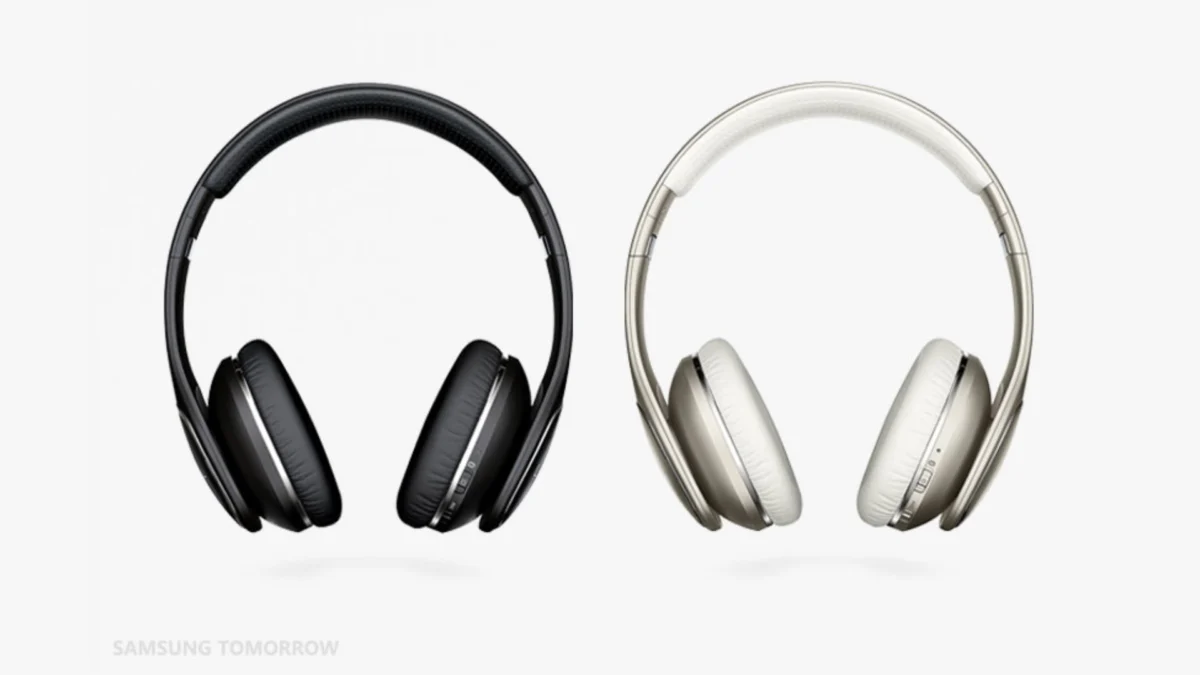
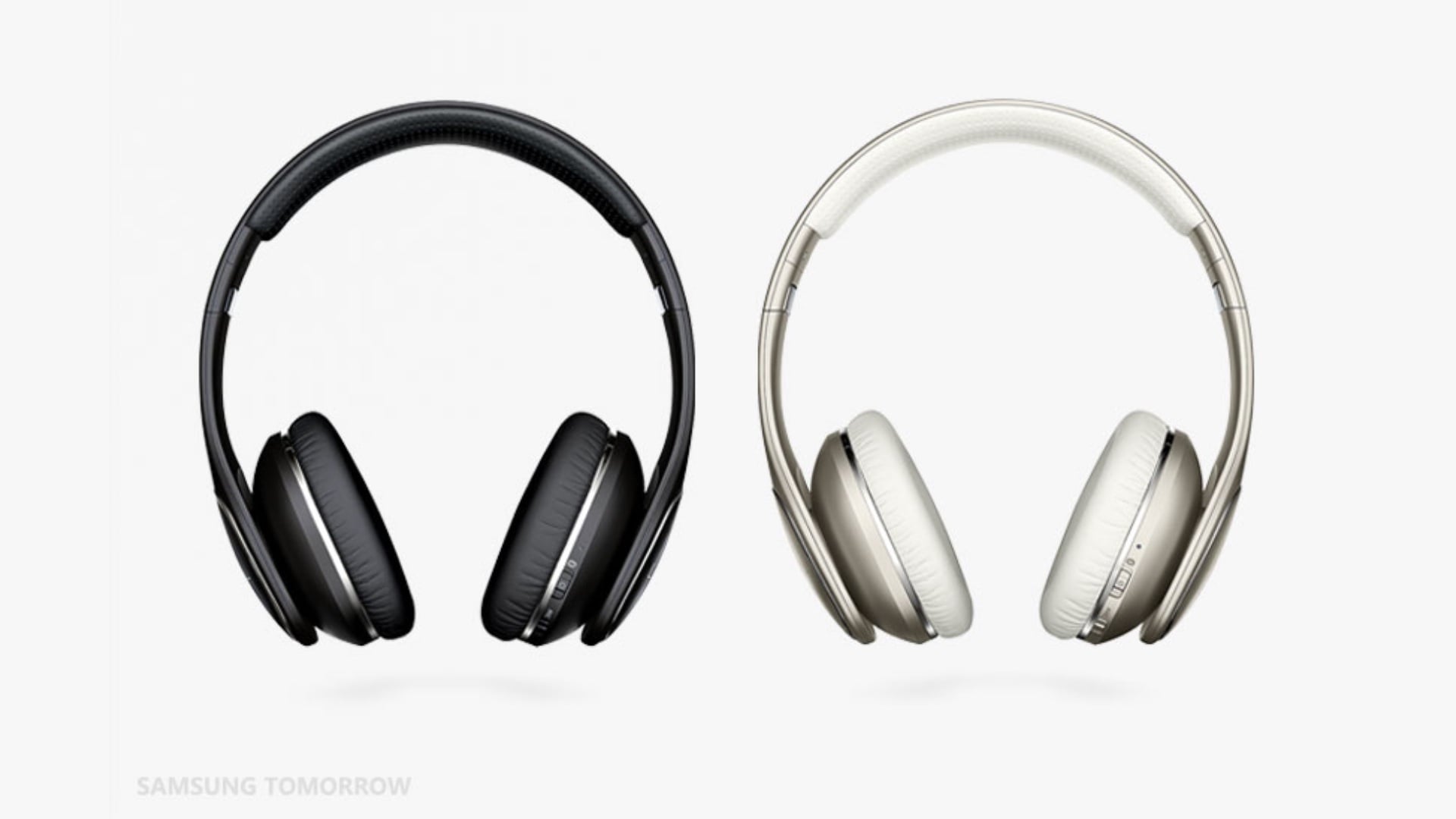
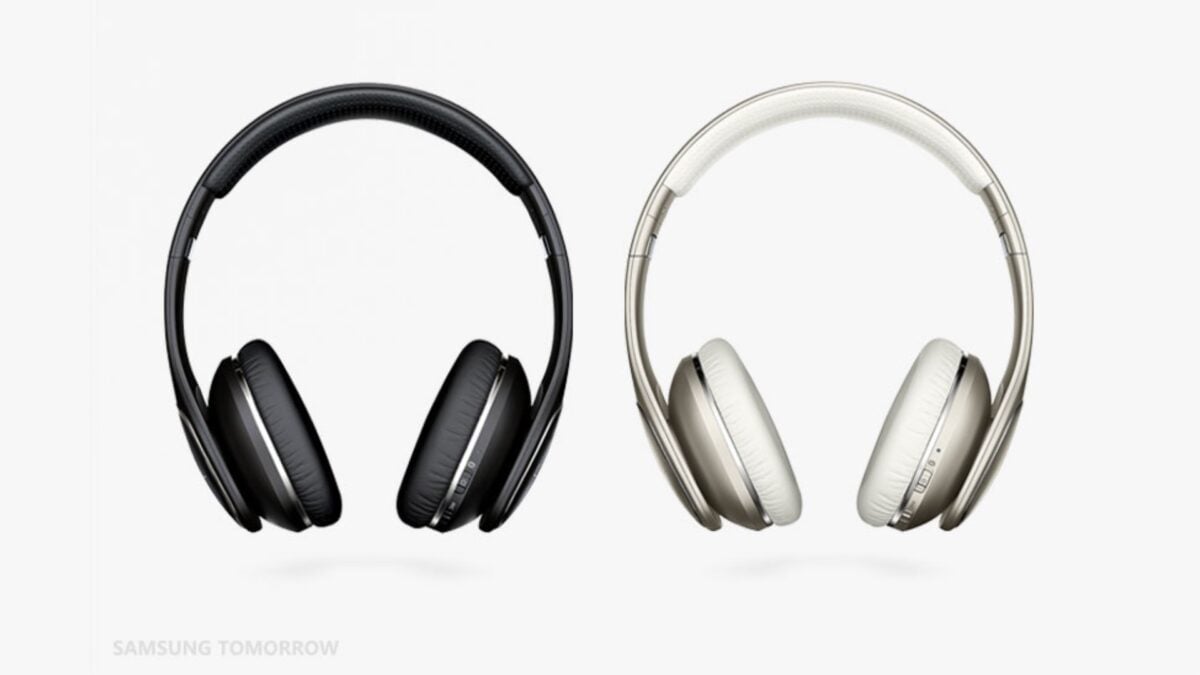
The last time Samsung maintained a significant presence in the over-ear space was during the era of the Level Over headphones, a product line that garnered a dedicated following for its design and noise-cancellation capabilities but eventually fell out of the company’s primary development roadmap. The upcoming launch of the Galaxy Studio represents a strategic pivot, suggesting that Samsung recognizes the demand for a premium, immersive listening experience that earbuds—regardless of their technological sophistication—cannot fully replicate due to driver size limitations and acoustic chamber constraints.
Regulatory Confirmation and Technical Projections
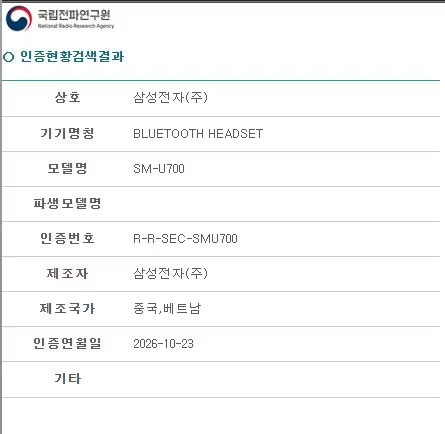
The RRA certification is a critical step in the pre-launch chronology of any electronic device intended for the South Korean market. By securing this regulatory clearance, Samsung has confirmed the hardware exists in a finalized state. While the RRA filing primarily concerns radio frequency compliance, it confirms the SM-U700 model number, which industry analysts have linked to the forthcoming "Galaxy Studio" branding.
Based on the technical trajectory established by the Galaxy Buds 4 series, it is highly probable that the Galaxy Studio will integrate Bluetooth 6.1. This standard offers improved power efficiency, enhanced low-latency performance, and better data throughput, which are essential for high-fidelity audio transmission. Given the "Studio" designation, it is reasonable to expect that Samsung intends to market these headphones toward power users and audiophiles who prioritize high-bitrate codecs. Support for AAC and the LC3 codec is almost certain, while the inclusion of Samsung’s proprietary SSC UHQ (Samsung Seamless Codec Ultra High Quality) would provide a significant competitive edge for users already entrenched in the Galaxy ecosystem.
Technical Expectations and Feature Set
While official specifications remain under wraps, the industry standard for flagship over-ear headphones has stabilized around a specific set of features. To remain competitive with the Apple AirPods Max, the Sony WH-1000XM series, and the Sennheiser Momentum line, the Galaxy Studio will almost certainly incorporate the following:
- Active Noise Cancellation (ANC): A sophisticated, multi-microphone array designed to neutralize environmental noise, particularly in the low-to-mid frequency ranges where commuters and office workers operate.
- Buds Auto Switch: A seamless integration feature that allows the headphones to transition audio sources automatically between a Samsung smartphone, tablet, and Galaxy Book laptop. This has been a hallmark of Samsung’s ecosystem strategy and is a primary driver of customer retention.
- Wired Connectivity: The inclusion of a USB Type-C port is now a standard requirement. Beyond charging, this port is expected to support digital audio playback, ensuring that the headphones can be used in a wired mode for zero-latency studio monitoring or high-resolution audio sessions.
- Battery Life and Ergonomics: With the shift toward extended wear, a battery capacity capable of delivering 30 to 40 hours of playback with ANC enabled is the current benchmark. Ergonomic design choices, such as memory foam ear cushions and lightweight chassis materials, will be vital for the product’s success in the premium segment.
Market Context and Competitive Landscape
The premium headphone market is currently one of the most saturated and fiercely contested sectors in consumer electronics. Apple’s AirPods Max effectively redefined the aesthetic expectations of the market, combining metallic construction with high-end digital signal processing. Meanwhile, Sony and Bose continue to lead in terms of noise-cancellation algorithms and comfort.
Samsung’s re-entry is not merely about launching a new hardware SKU; it is about completing the "Galaxy" experience. By providing a premium over-ear option, Samsung can offer a cohesive audio environment that rivals the depth of the Apple ecosystem. This integration is likely to be the core value proposition: if a user owns a Galaxy S-series phone and a Galaxy Tab, the Galaxy Studio headphones will offer a level of interconnectivity that third-party brands simply cannot match.
Historical Chronology of Samsung’s Audio Evolution
To understand the significance of the Galaxy Studio, one must look at the timeline of Samsung’s audio efforts:
- 2014: The launch of the Samsung Level series, including the Level Over headphones. These were Samsung’s attempt to compete with the early Beats and Bose over-ear market.
- 2016–2018: A strategic shift toward the "IconX" and eventually the "Galaxy Buds" series, signaling a departure from over-ear designs in favor of the rapidly growing TWS market.
- 2020–2024: Constant refinement of the Galaxy Buds line, introducing features like Intelligent ANC, 360 Audio, and AI-driven voice isolation.
- 2026 (Q3): Initial reports emerge regarding the development of a high-end over-ear headphone to compete with the AirPods Max.
- 2026 (October 23): SM-U700 receives official RRA certification, marking the transition to the pre-launch phase.
Broader Implications and Strategic Analysis
The decision to brand the new device as "Galaxy Studio" implies a professional-grade aspiration. This branding choice suggests that the device will not be a mass-market entry-level offering, but rather a flagship product positioned at the top of Samsung’s audio hierarchy.
From an industry perspective, the arrival of these headphones could trigger a pricing war or a surge in innovation among competitors. As AI integration becomes more prevalent in hardware, the Galaxy Studio may potentially feature on-device AI for sound optimization, adapting the equalizer settings in real-time based on the user’s ear shape or the environment. Such features are already appearing in the broader audio market, and Samsung’s aggressive investment in its AI-powered "Galaxy AI" suite makes it a natural candidate to pioneer these features in an over-ear format.
Furthermore, the manufacturing implications are significant. By diversifying its audio portfolio back into the over-ear segment, Samsung is leveraging its global supply chain to produce high-end hardware at scale. This move could potentially pressure margins for existing players, who have enjoyed relatively stable pricing in the $350 to $550 premium headphone bracket.
The Path Forward
As we look toward the potential release date, which analysts speculate could align with early 2027 product showcases, the focus will shift to design language. Will Samsung adopt the sleek, industrial aesthetic of its current mobile devices, or will it lean into a more traditional, comfort-focused design?
With the RRA certification now public, the next logical steps involve leaks concerning internal specifications—specifically driver size, battery capacity, and potential partnerships with audio engineering firms like AKG (which is owned by Samsung’s subsidiary, Harman). The market will be watching closely to see if Samsung can successfully marry its software-heavy ecosystem with the acoustic excellence required to satisfy the audiophile community.
Ultimately, the Galaxy Studio represents more than just a new gadget. It is a strategic statement. It signals that Samsung is no longer content to cede the over-ear market to its rivals. By reclaiming this space, the company aims to solidify its position as a comprehensive lifestyle brand, ensuring that every touchpoint of the user’s digital life—from the smartphone in their pocket to the headphones on their ears—is tethered to the Galaxy experience. As details continue to emerge from regulatory filings and supply chain leaks, the technical prowess of the SM-U700 will become the defining story of the upcoming consumer audio cycle.
