

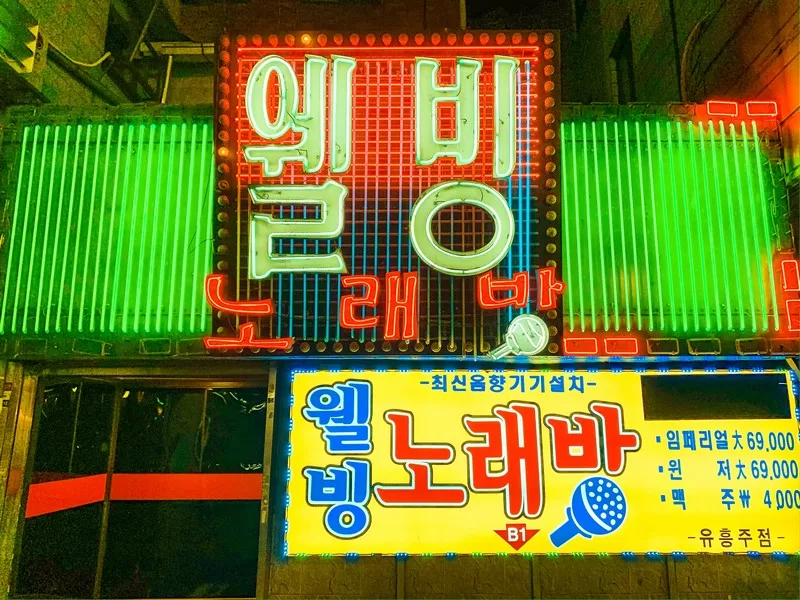
The metropolitan landscape of Seoul is globally renowned for its vibrant nocturnal economy, attracting millions of tourists and residents to its entertainment districts long after standard business hours. However, a common misconception among international travelers is that the city’s transit infrastructure grinds to a complete halt at midnight, frequently leaving visitors stranded outside popular venues in areas such as Hongdae, Itaewon, and Gangnam. While the extensive Seoul subway system generally concludes its operations around midnight, the city itself remains fully active, supported by a specialized network of late-night transportation options designed to accommodate the nocturnal population.
Understanding the operational framework of Seoul’s after-hours transit system is essential for anyone participating in the city’s evening culture. Far from being entirely inaccessible, getting home safely past midnight requires a strategic approach that takes into account the varying schedules of the subway, the availability of specialized night buses, digital ride-hailing applications, and traditional street-hailing protocols.
The Mechanics of the Seoul Subway System After Midnight

A primary source of confusion for commuters is the misconception that a single, universal schedule dictates the final subway departures across the capital. In reality, the Seoul subway network—which officially operates from approximately 5:30 AM until midnight—features last-train times that vary significantly depending on the specific station, line, direction, and day of the week.
For travelers utilizing the extensive lines that stretch into the surrounding suburbs, boarding a train at midnight can easily result in becoming stranded mid-journey. A train line might officially close at midnight, but the final service capable of reaching a terminal station on the outskirts may depart as early as 11:15 PM. Furthermore, passengers must account for transfer windows; missing a final connecting train can leave commuters stranded miles from their final destination. Urban transit authorities strongly advise passengers to utilize digital mapping applications such as Naver Map or KakaoMap rather than relying on general closing times. By inputting specific destinations, commuters can track the exact departure time of their final viable route. Additionally, passengers onboard late-night trains must pay close attention to the terminus displays, as many trains cut their routes short before completing the full line.
Navigating the Owl Bus Network
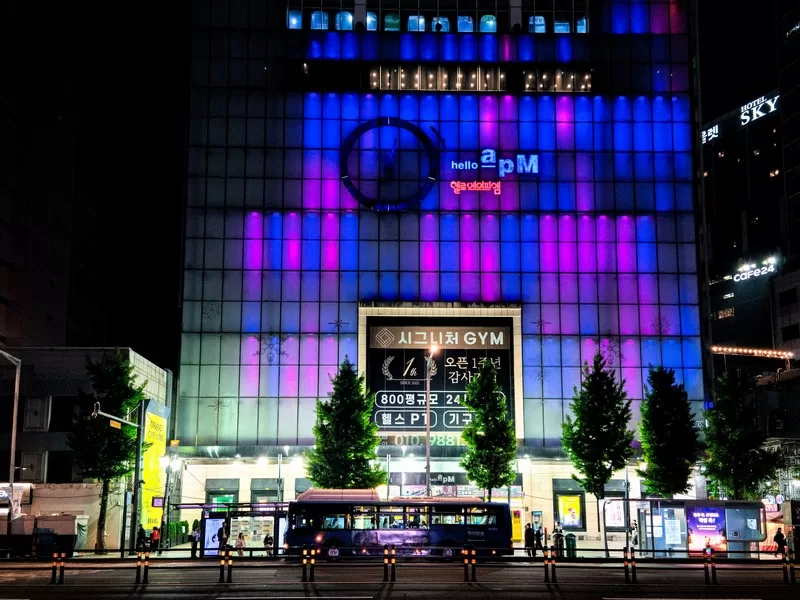
For those who miss the final subway departures, the Seoul Metropolitan Government provides a dedicated network of late-night surface transit known colloquially as Owl Buses, or Olppaemi buses. Easily identifiable by the letter "N" preceding their route numbers, these 14 specialized routes operate generally between 11:00 PM and 6:00 AM, bridging the gap when daytime buses and subways are inactive.

Unlike standard daytime routes that simply extend their hours, Owl Bus pathways are specifically engineered to connect major nightlife hubs—such as Hongdae, Jongno, Dongdaemun, and Gangnam—directly into residential neighborhoods. With a standard adult fare of ₩2,500, these vehicles offer an economical alternative to private transport. However, because they operate on specialized nocturnal loops, frequencies can range widely, requiring commuters to consult digital transit apps to coordinate their arrivals at designated stops precisely.
The Upcoming Introduction of Firefly Buses
To further augment the nocturnal transit ecosystem, municipal authorities have scheduled the launch of a new supplementary service known as Firefly Buses. Designed to address congestion points and improve connectivity between major nighttime commercial districts and primary transportation terminals, these new routes will integrate with the existing N Bus infrastructure. While traditional Owl Buses focus heavily on dispersing crowds from entertainment zones into residential areas, the Firefly initiative aims to streamline transit between high-traffic tourist zones like Myeongdong, Gwanghwamun, and the Dongdaemun Design Plaza, offering enhanced flexibility for international visitors.
Ride-Hailing Dynamics and Surcharge Structures
Taxis remain a cornerstone of Seoul’s late-night mobility, operating continuously through the early morning hours. Nevertheless, securing a vehicle during peak departure times—such as 2:00 AM on a weekend—can present significant logistical challenges due to high demand outside clubs and concert venues.
Travelers have several digital platforms at their disposal, including KakaoTaxi and international options like Uber. For tourists lacking a local phone number or Korean payment method, alternative applications such as k.ride have been introduced to streamline the booking process by accepting foreign credit cards and international numbers.
Passengers utilizing taxis during late-night hours must also account for a structured system of surcharges. To incentivize drivers to work overnight shifts, the Seoul metropolitan fare policy applies dynamic surcharges based on the time of day:
- 10:00 PM to 11:00 PM: 20% surcharge
- 11:00 PM to 2:00 AM: 40% surcharge
- 2:00 AM to 4:00 AM: 20% surcharge
- 4:00 AM onward: Standard daytime rates resume (with a standard daytime base fare of ₩4,800 for the first 1.6 kilometers)
Travelers whose destinations extend outside Seoul proper into the surrounding Gyeonggi-do region—such as Suwon, Ilsan, or Bundang—face additional considerations. Seoul’s N Bus network does not service these distant suburbs, and while taxis are legally permitted to travel outside city limits, out-of-city surcharges apply. Consequently, long-distance commuters are encouraged to budget accordingly, secure lodging within the city center, or plan their schedules around the resumption of early morning rail services.
Traditional Street-Hailing and Practical Etiquette
Despite the prevalence of smartphone applications, traditional street-hailing remains a viable method for securing transport. Designated taxi stands are situated near major transportation nodes and commercial districts. However, commuters attempting to flag down vehicles from the roadside must exercise caution; vehicles displaying a "reserved" sign in the window are unavailable, even if their primary roof lights are illuminated.
Navigating language barriers can be minimized by preparation. Drivers are often unfamiliar with specific street addresses but can easily navigate to major landmarks, prominent intersections, or designated subway stations. Experts strongly recommend that international visitors save their accommodation’s address in Korean characters on their mobile devices prior to embarking on an evening out, allowing for seamless communication with drivers or easy input into digital booking platforms.
Alternative Strategies: Waiting Out the Hours
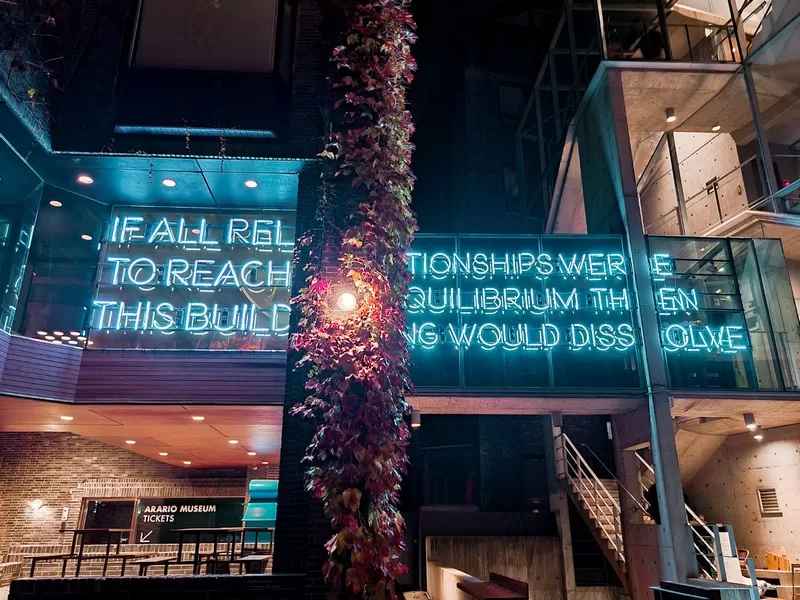
When digital ride-matching fails, surge pricing peaks, and travelers find themselves exhausted in the hours immediately preceding dawn, adopting local nocturnal habits offers a practical solution. Rather than expending excessive funds on private transport, many residents utilize Seoul’s ubiquitous 24-hour infrastructure to bridge the gap until public transit resumes at approximately 5:30 AM.
Options for passing the early morning hours safely include visiting 24-hour restaurants specializing in traditional hangover soups, utilizing local PC bangs (gaming rooms), or patronizing traditional Korean bathhouses known as jjimjilbangs. While historical bathhouses operated strictly around the clock, post-pandemic regulatory and operational shifts mean that visitors should verify specific operating hours via mapping apps before walking to a facility. For those who locate an open establishment, jjimjilbangs provide a secure, comfortable environment to rest, shower, and wait for morning transit.

Implications for Tourism and Urban Management
The continuous evolution of Seoul’s nocturnal transportation network underscores the city’s commitment to balancing a thriving nighttime economy with public safety and accessibility. As municipal leaders continuously refine surface transit options—balancing the established Owl Bus network with upcoming innovations like the Firefly Buses—the city mitigates the risks associated with large crowds stranded during off-peak hours.

For the international traveler, the primary takeaway is that a vibrant night out does not necessitate logistical panic upon closing time. By understanding the intricacies of localized transit apps, recognizing the structure of late-night bus and taxi tariffs, and acknowledging the availability of alternative public spaces, visitors can navigate Seoul’s dynamic nocturnal environment with confidence and security.
