

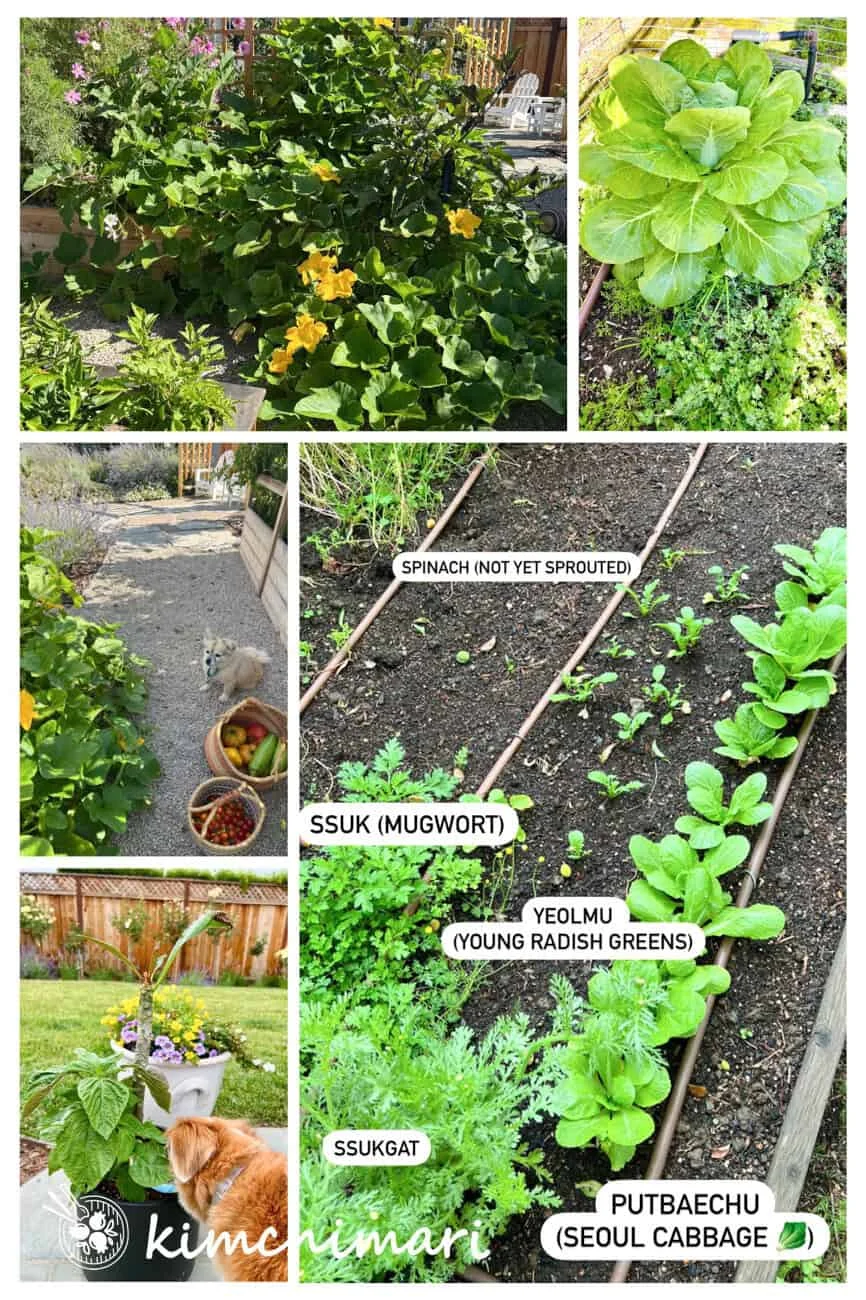
The landscape of home horticulture is undergoing a quiet culinary revolution, driven by an increasing consumer demand for authentic, regional produce that transcends standard supermarket inventories. For over a decade, home gardening enthusiasts and culinary historians have championed the cultivation of specialized crops, moving well past the foundational staples of perilla and green onions to embrace a sophisticated array of traditional Korean flora. Recent agricultural data highlights a significant upswing in backyard and container farming of East Asian varietals, fueled by a broader cultural interest in authentic global gastronomy and sustainable, localized food systems. This movement has illuminated a curated selection of 18 distinct Korean vegetables, spanning delicate mountain greens, winter-hardy brassicas, and specialized root crops. Categorized meticulously by their seasonal planting requirements, these botanical additions offer both seasoned gardeners and culinary purists an unprecedented opportunity to cultivate rare ingredients that are otherwise unavailable through standard commercial retail channels.
The modern push toward specialized vegetable cultivation aligns with shifting consumer preferences favoring farm-to-table freshness and nutritional diversity. According to horticultural analysts, the domestic cultivation of culturally specific crops has grown steadily over the past ten years, driven by immigrant communities seeking tastes of home and adventurous food enthusiasts looking to elevate their cooking. Within Korean culinary traditions, the nuance of a dish often relies on the exact botanical profile of its ingredients—differentiating sharply, for instance, between standard western lettuce and tender Korean leaf varieties utilized in traditional ssam. By categorizing these 18 plants into spring, late spring, summer, fall, and perennial cycles, agricultural educators aim to demystify the growing process and establish a structured timeline for optimal yields.
Spring Planting: Cool-Season Varietals and Early Harvests
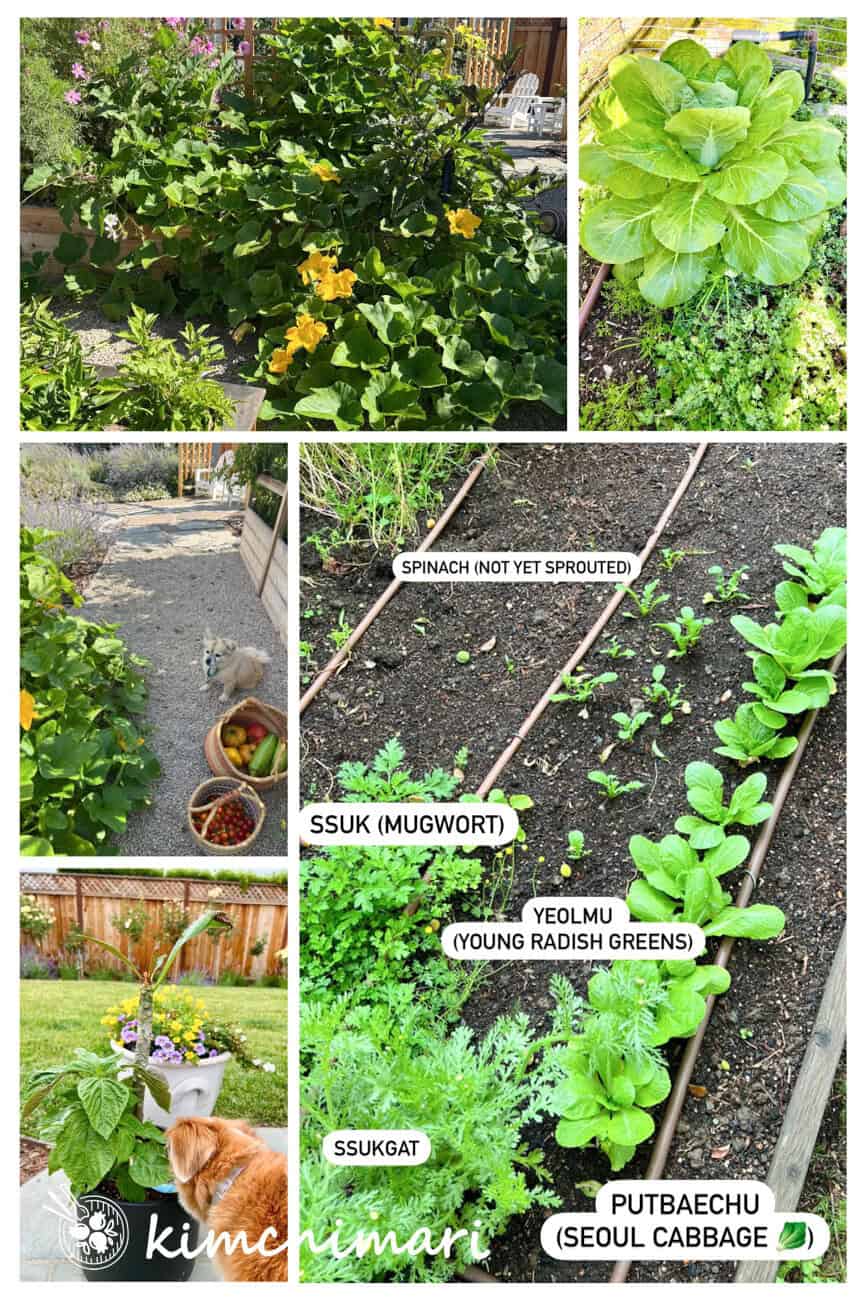
The agricultural calendar for traditional Korean crops commences in early spring, strictly following the final frost of the season. Cool-season vegetables such as Jeok Sangchu (Korean red leaf and flower lettuce), Yeolmu (young radish greens), Naengi (shepherd’s purse), and Jeok Gat (red mustard greens) thrive in mild, temperate environments. Agronomists note that these specific plants are highly sensitive to thermal stress; prolonged exposure to summer heat rapidly triggers bolting—a process where the plant prematurely flowers—leading to an unpalatable, bitter flavor profile. Consequently, timing is critical for these spring crops, which serve as the foundational elements for fresh spring salads and light, cooling kimchi variations consumed as temperatures begin to rise.
Among these early-season crops, Yeolmu holds a prominent cultural and culinary position. Yielding slender, tender greens with a mild, peppery bite, Yeolmu is predominantly utilized in the production of Yeolmu Kimchi, a fermented side dish traditionally served ice-cold alongside noodles or steamed rice during the sweltering summer months. Similarly, Naengi—historically gathered as a wild foraged herb from Korean hillsides—represents a vital seasonal marker, celebrated for its earthy, nutty flavor profile and its traditional inclusion in nourishing soups such as doenjang guk. Horticultural experts emphasize that successful cultivation of these spring varieties requires well-draining soil and diligent moisture management to prevent premature bitterness.
Late Spring and Summer: Heat-Loving Crops and Specialty Produce
As soil temperatures reliably climb into the warmer months, the gardening focus shifts toward sun-drenched, heat-tolerant species. This category encompasses Kkari Gochu (wrinkled green peppers), Chamoe (Korean melon), Gaji (slender Asian eggplant), and Danhobak (Korean sweet pumpkin or kabocha squash). Unlike cool-season greens, these summer staples require sustained thermal energy to develop their complex flavor profiles, optimal sugar contents, and structural integrity.
Kkari Gochu, morphologically identical to the popular Japanese shishito pepper, develops a distinct smoky flavor when exposed to high-heat roasting or grilling. While overwhelmingly mild, averaging approximately 100 on the Scoville scale, sporadic specimens retain a surprising pungency. Meanwhile, Chamoe—an oval-shaped summer fruit featuring golden skin and stark white stripes—has increasingly captured the interest of specialty agricultural markets outside of East Asia. Growing to an average weight of one pound, these melons require dedicated pollination and ample sunlight to achieve the intense sweetness characteristic of premium harvests. Similarly, the long, slender Gaji variety offers a denser yet remarkably tender flesh with minimal seed content, making it vastly superior for steaming and traditional seasoning (namul) compared to standard Western globe eggplants.
Fall Planting and Winter-Hardy Brassicas
The autumnal planting window marks a critical phase for the production of winter-hardy brassicas and root vegetables, which form the structural backbone of Korea’s heavy fermentation season, Kimjang. Initiated in late summer through early autumn, this growing cycle accommodates robust crops such as Mu (Korean radish), Chonggakmu (young ponytail radish), Bomdong (spring cabbage), Eolgari Baechu (Seoul green cabbage), Shigeumchi (Korean spinach), and Baek Kyeong Geundae (white-stem Swiss chard).
The economic and cultural significance of Mu and Chonggakmu cannot be overstated within the framework of traditional Korean agriculture. Mu, characterized by its dense, crunchy, and slightly peppery-sweet flesh, is considered the definitive root vegetable for standard kimchi production, thriving in the cooling temperatures of late autumn before being harvested en masse in November. Chonggakmu, featuring a smaller root system surrounded by dense foliage, is exclusively cultivated for the production of ponytail kimchi, a staple delicacy. Additionally, cold-weather varietals like Bomdong demonstrate remarkable frost tolerance, capable of surviving sub-zero winter temperatures in temperate regions while maintaining a tender, juicier leaf structure than standard napa cabbage.
Perennials: Long-Term Investments in Traditional Foraged Greens
Beyond annual and biennial crops, the cultivation of perennial Korean vegetables represents a long-term agricultural commitment that rewards growers with multi-year yields. This specialized group includes Doraji (balloonflower root), Chwinamul (aster scaber), Gomchwi (Fischer’s ragwort), and Auk (curled mallow). Historically harvested exclusively through wild foraging in the rugged mountain terrain of the Korean peninsula, these species have been successfully adapted for domestic garden environments.
Doraji, prized for its medicinal-grade root and beautiful purple, balloon-shaped blossoms, requires significant patience, often remaining in the ground for multiple seasons before the root reaches harvestable maturity. Its distinctively bitter, ginseng-like flavor profile is a cornerstone of traditional bibimbap preparations. Similarly, Chwinamul and Gomchwi are celebrated for their broad, aromatic foliage, which imparts a deeply authentic, earthy essence to contemporary Korean home cooking. Agricultural extension agents note that these perennials naturally die back during harsh winter dormancy before reliably re-emerging each spring, making them ideal low-maintenance additions for dedicated horticulturalists.
Agronomic Best Practices and Broader Market Implications
The expansion of home gardening networks dedicated to East Asian varietals reflects a broader democratization of specialized agricultural knowledge. Seed sourcing, once limited to localized ethnic markets or direct importation, has seen substantial modernization through online horticultural retailers and specialized seed banks. Furthermore, agricultural extension specialists highlight the high adaptability of many Korean vegetables to urban environments, noting that crops such as perilla, green onions, lettuce, and select chard varieties thrive in container settings on residential balconies.
The implications of this localized gardening movement extend beyond personal culinary enrichment, contributing to agrobiodiversity and the preservation of heirloom plant genetics. By fostering active digital and physical communities—such as specialized regional gardening cooperatives and educational forums—home growers are effectively bridging the gap between traditional agricultural heritage and modern urban sustainability. As consumer interest in authentic, traceable, and culturally significant food sources continues its upward trajectory, the integration of these 18 specialized Korean vegetables into mainstream gardening practices underscores a permanent shift toward a more globally diverse and agriculturally engaged society.
