

Seoul, the sprawling capital of South Korea, represents a unique confluence of ancient dynastic history and hyper-modern technological advancement. For the international traveler, navigating this metropolis of nearly 10 million residents can be a daunting logistical challenge. To mitigate the complexities of urban navigation, language barriers, and the sheer density of cultural heritage sites, an increasing number of visitors are opting for professional guided tours. These services offer structured itineraries that optimize time efficiency while providing historical context often missed by independent explorers.

Historical and Cultural Context of Seoul Tourism
The development of organized tourism in Seoul has accelerated significantly over the past two decades, fueled by the global rise of the "Hallyu" (Korean Wave) and the South Korean government’s strategic investments in cultural preservation. The city serves as the primary gateway to the nation’s history, housing the Five Grand Palaces of the Joseon Dynasty. The most prominent of these, Gyeongbokgung, serves as the cornerstone of most city tours. Constructed in 1395, it was the main royal palace of the Joseon dynasty. The integration of the National Folk Museum of Korea within the palace grounds provides a comprehensive look at the evolution of Korean domestic life, housing over 4,000 artifacts that bridge the gap between traditional agrarian lifestyles and the contemporary era.

Core Metropolitan Guided Experiences
Standardized full-day city tours are designed to maximize exposure to Seoul’s diverse topography. A typical 9-hour excursion usually commences at Gyeongbokgung, transitioning to the N Seoul Tower (Namsan Tower). Since its opening to the public in 1980, the tower has functioned as the city’s primary observation point, situated on Namsan Mountain at an elevation of 479 meters above sea level.

Beyond the major landmarks, curated tours are increasingly focusing on the preservation of architectural history, specifically the Hanok villages. Namsangol Hanok Village serves as a crucial site for educational tourism, where visitors can observe the preservation of traditional Korean houses dating back to the Joseon era. These tours often conclude with visits to traditional markets, such as Tongin Market, which provides an authentic look at the local economy and traditional culinary practices.

The Evolution of Customized Private Charters
The shift toward bespoke travel has led to the rise of private charter services. These services allow for a customizable four-to-eight-hour window, providing tourists with a private driver and, in many cases, a multilingual guide. This model is particularly popular among business travelers and families who prioritize efficiency over fixed-group schedules. The flexibility of these private charters allows for an integrated itinerary that might include the modern architecture of the Dongdaemun Design Plaza (DDP)—designed by Zaha Hadid—alongside the historical districts of Bukchon or the retail-centric corridors of Myeongdong.

Culinary and Cultural Immersion Programs
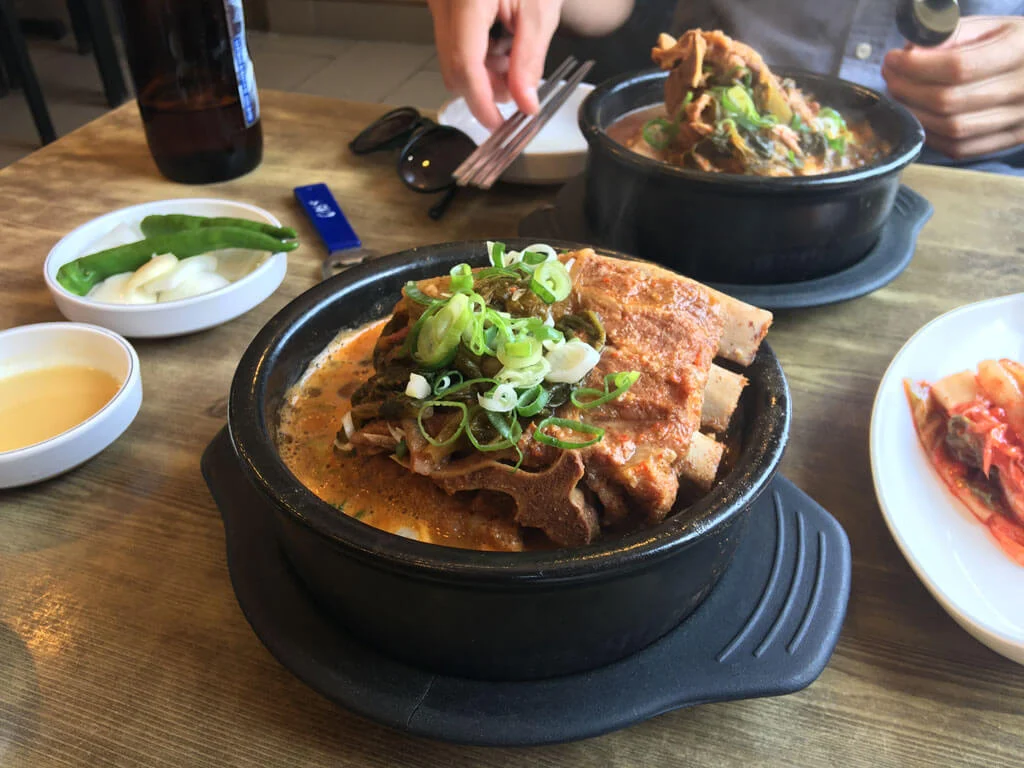
Korean cuisine, or Hansik, has become a primary driver of tourism. Data from the Korea Tourism Organization indicates that culinary tourism has seen double-digit growth in recent years. Specialized cooking classes have emerged as a professionalized sector of the tourism industry, offering participants hands-on training in the preparation of staples such as kimchi, bulgogi, and japchae. These classes often focus on the science of fermentation and the nutritional profile of traditional side dishes, known as banchan, which are central to the Korean dining experience. Walking food tours, which integrate local history with culinary tasting sessions, offer a broader perspective on the social history of Seoul’s neighborhoods.

Regional Excursions: The Greater Seoul Metropolitan Area
The tourism ecosystem extends well beyond the city limits into the Gyeonggi and Gangwon provinces. The most significant regional day trip involves Nami Island and the Petite France cultural village in the Chuncheon area. Nami Island, a half-moon-shaped landmass, has become a global destination due to its association with major Korean television dramas. The island’s management has successfully rebranded the location as a center for eco-tourism and arts, hosting numerous cultural exhibitions annually.

Similarly, the Garden of the Morning Calm in Gapyeong serves as an exemplar of the "Land of the Morning Calm" moniker. Established in 1996, the garden spans 30,000 square meters and is a focal point for seasonal tourism. During the winter months, the garden hosts a major illumination festival, which utilizes millions of LED lights to create a distinct nocturnal attraction, effectively extending the tourism season through the coldest months of the year.

Strategic and Geopolitical Tourism: The DMZ
The Demilitarized Zone (DMZ) remains one of the most significant, albeit complex, tourism destinations in the world. As a vestige of the Korean War, the DMZ provides a sobering look at the geopolitical tensions on the Korean Peninsula. While mass-market tours are prevalent, specialized, less-crowded alternatives are becoming the preferred choice for those seeking deeper historical analysis. These tours typically focus on the Mt. Dora Observatory and the 3rd Infiltration Tunnel. The latter, discovered in 1978, is a subterranean passage that was engineered to allow for the rapid transport of troops across the border. These tours are highly regulated and provide educational insights into the 1953 Armistice Agreement and the ongoing efforts toward denuclearization and peace on the peninsula.

Seasonal Tourism: Winter Sports and Recreation
South Korea’s topography, which is 70% mountainous, supports a robust winter sports industry. Resorts such as the Elysian Gangchon, located within an hour of the capital, cater to international tourists who may not have access to skiing facilities in their home regions. The industry standard for these tours includes comprehensive packages covering transportation, professional instruction, and high-quality equipment rentals. The integration of rail biking—a repurposing of old railway tracks for recreational cycling—has further diversified the portfolio of winter and spring activities available to travelers.

Broader Economic and Societal Implications
The tourism sector plays a vital role in the South Korean economy. According to recent reports from the Ministry of Culture, Sports and Tourism, the revenue generated from guided tours and cultural experiences directly supports the maintenance of historical sites and contributes to the revitalization of rural areas. However, the reliance on high-volume tourism also presents challenges regarding sustainability and heritage preservation.

Urban planners in Seoul are currently balancing the influx of visitors with the need to protect the structural integrity of historical districts. The implementation of visitor management systems and the promotion of "off-the-beaten-path" destinations, such as the northern regions of Pocheon, are part of a broader strategy to distribute the economic benefits of tourism more equitably while reducing the environmental footprint on the city center.

Summary of Recommendations for Travelers
For those planning an itinerary, the selection of a tour should be predicated on the specific objective of the trip—be it historical inquiry, culinary education, or leisure. Professional booking platforms, such as Klook or KKday, have become the standard for securing verified, secure, and transparently priced experiences. Travelers are encouraged to review the specific inclusions of each package, particularly regarding transportation and insurance, to ensure that the services align with local regulations and safety standards. As Seoul continues to evolve as a global tourism hub, the integration of these structured services will likely remain the most reliable method for accessing the depths of South Korea’s rich, multifaceted cultural landscape.
