

The arrival of the summer solstice marks a significant shift in the culinary landscape of Korea, bringing with it a vibrant array of seasonal produce that defines the country’s traditional "bapsang"—the communal dining table. As ambient temperatures rise, agricultural production shifts toward heat-loving crops, specifically cucumbers, zucchini, eggplants, perilla leaves, and various chili peppers. These vegetables are not merely dietary staples; they are integral to a cultural approach to nutrition designed to combat the physical strain of humid, sweltering weather. This report examines the significance of these seasonal ingredients and outlines 23 essential preparations that highlight their versatility and nutritional value.
The shift toward summer-specific vegetable consumption is grounded in both historical agricultural patterns and traditional medicine. In the Korean context, summer vegetables are often categorized by their cooling properties and high water content, which help maintain electrolyte balance during the hottest months of the year. Historically, the summer harvest provided the primary source of nutrients before the autumn grain collection, necessitating a variety of preservation techniques, such as quick pickling and fermenting, to ensure year-round availability.
The Botanical Significance of Summer Crops
The summer vegetable cycle in Korea is characterized by a rapid growth period for specific cultivars. Cucumbers (Oi), for example, have evolved in the Korean climate to be particularly crisp with thin, non-bitter skin. Unlike many Western greenhouse varieties, the Korean cucumber is prized for its structural integrity, which allows it to hold up under the pressure of salt-curing and fermentation. Similarly, Korean zucchini (Aehobak) possesses a distinct, dense, and slightly sweet flesh that differs from the watery texture of standard globe zucchini.
This seasonal influx of produce has direct implications for household food security and health. Nutritionists often highlight that these vegetables are rich in dietary fiber, vitamins A and C, and potassium, which are essential for cardiovascular health and skin protection against intense summer ultraviolet exposure.
A Chronology of Preparation: From Harvest to Table
The preparation of these vegetables follows a specific rhythm that reflects the urgency of the harvest.
- Immediate Consumption: Vegetables like cucumbers and perilla leaves are often prepared as "muchim" (seasoned salads) within hours of being harvested to preserve their texture and enzymatic freshness.
- Short-term Preservation: Ingredients like zucchini and eggplants are often stir-fried or steamed, extending their shelf life by a few days while concentrating their natural sugars.
- Long-term Preservation: Vegetables like perilla leaves are frequently turned into "jangajji" (pickled vegetables), a technique that allows for consumption well into the winter months.
Culinary Analysis of the 23 Essential Recipes
The 23 recipes identified as central to the summer diet can be categorized by the primary ingredient, each serving a unique functional role in the meal.
The Cucumber (Oi) Series
Cucumbers represent the most important summer crop due to their hydration properties.
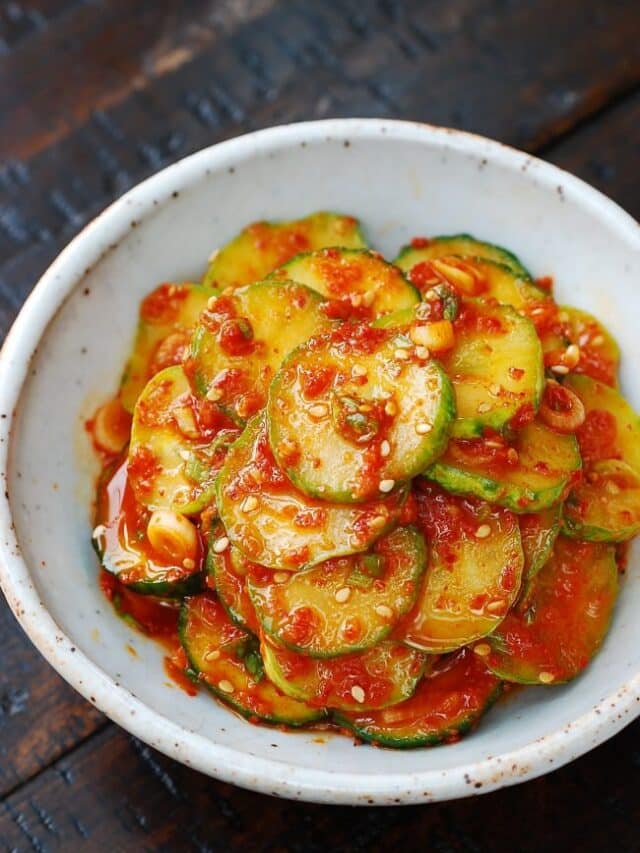
- Oi Muchim (Spicy Cucumber Salad) serves as a rapid-response dish, requiring only salt, red chili powder, and garlic.
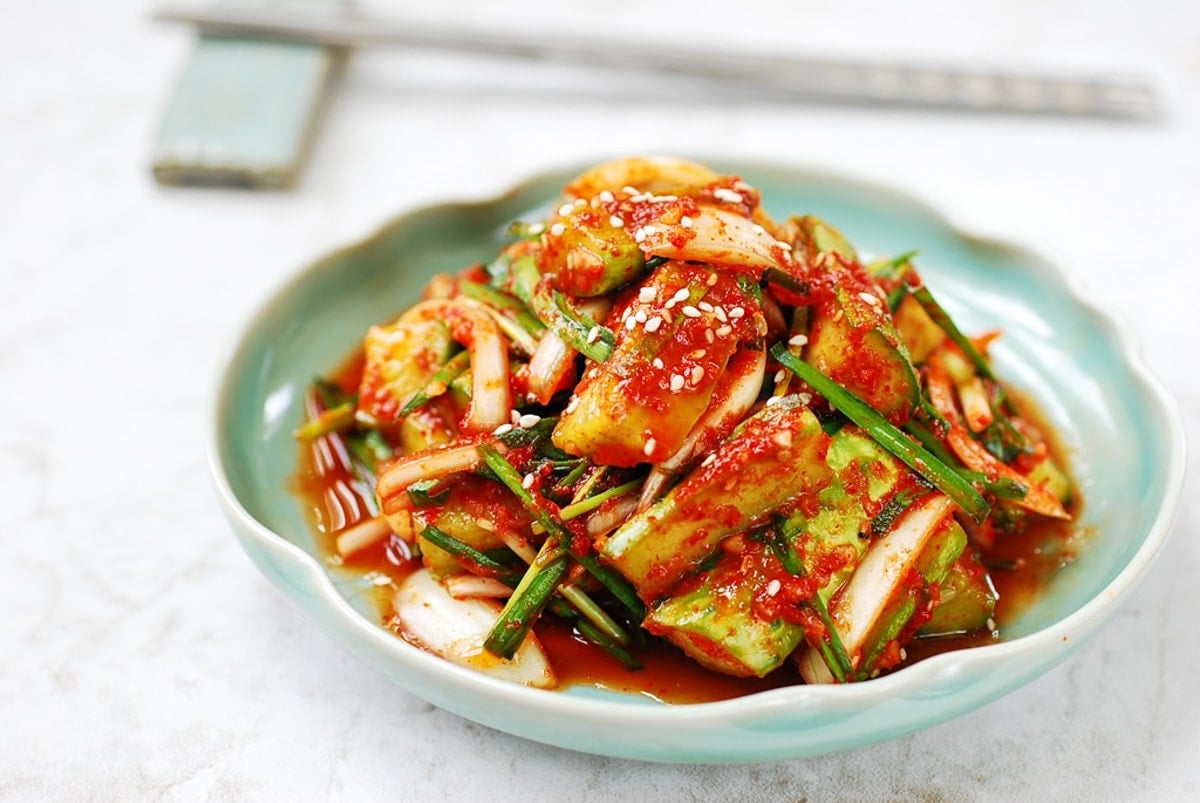
- Oi Kimchi (Cucumber Kimchi) represents a more complex fermentation, using the natural lactobacillus found on the skin of the vegetable.
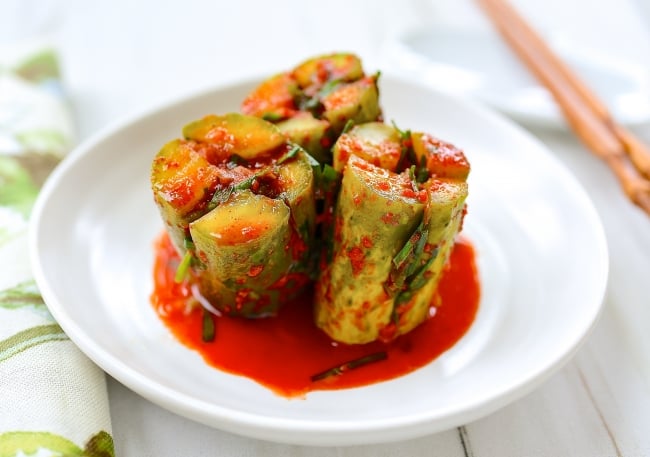
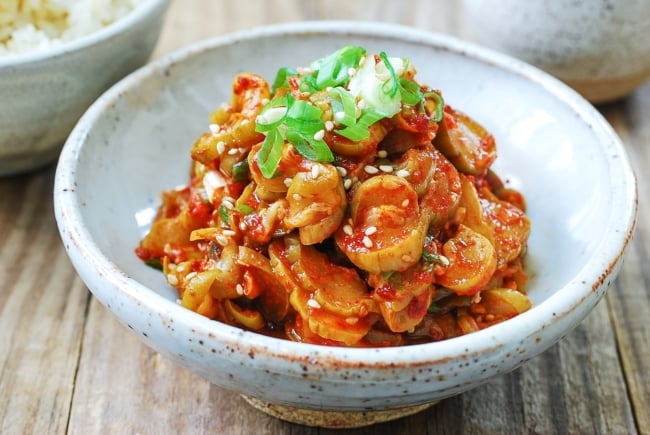
- Oi Sobagi (Stuffed Cucumber Kimchi) is a labor-intensive dish often prepared during peak summer as a status symbol of the household’s culinary diligence.
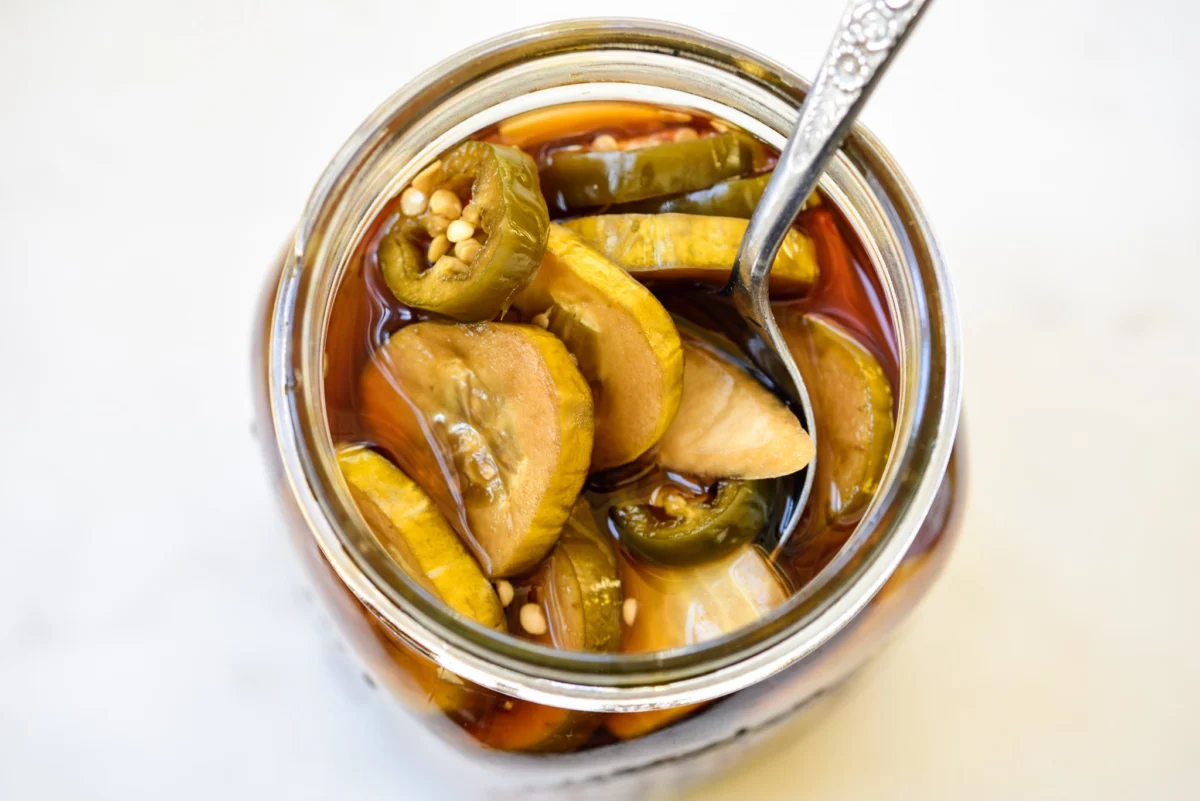
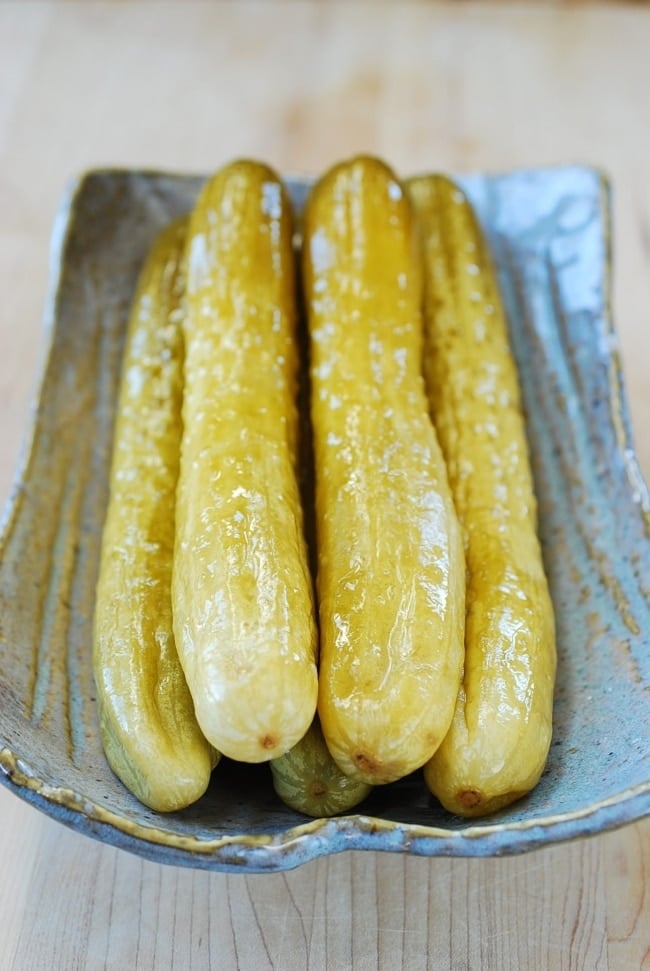
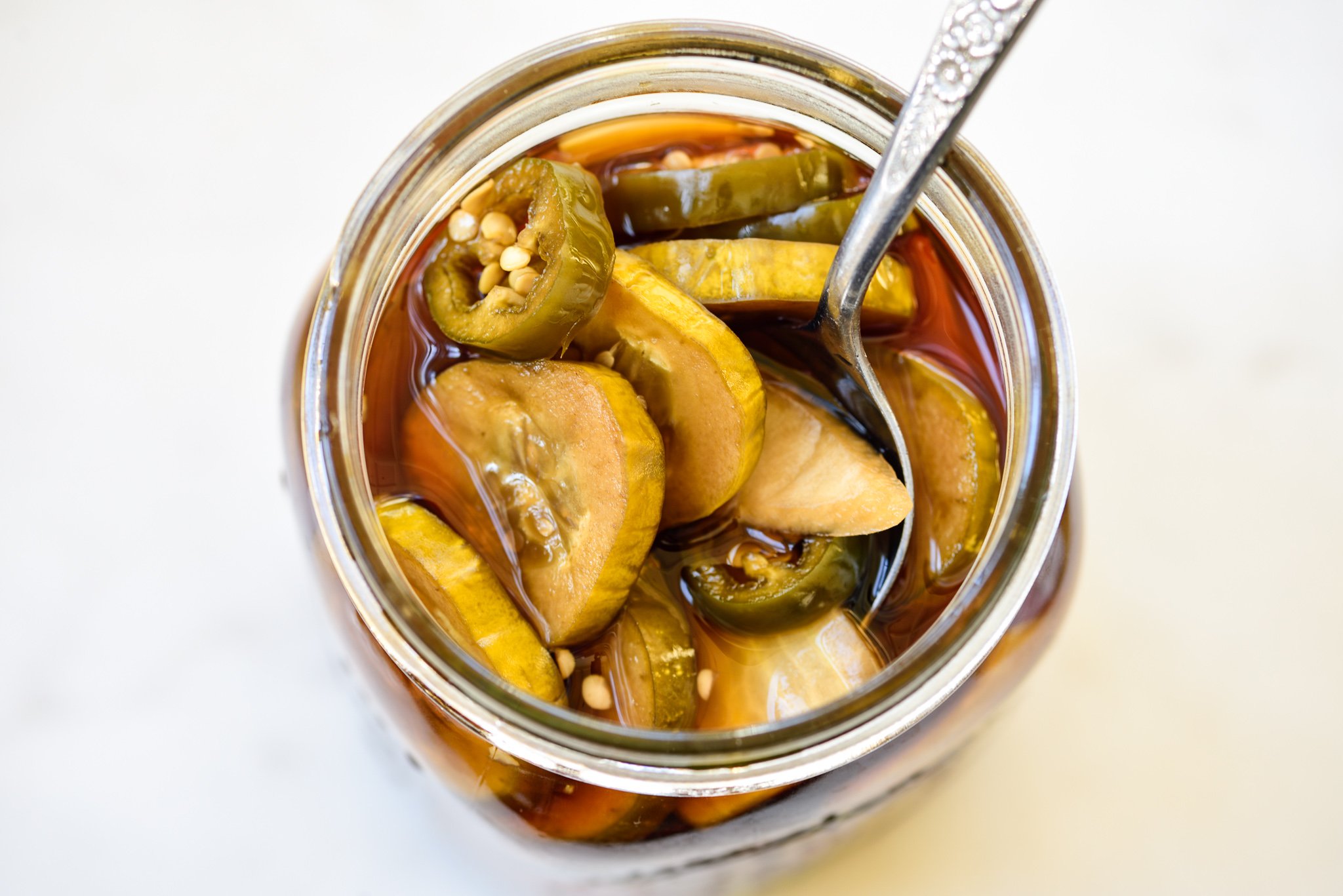
- Oiji Muchim and Oiji (Pickled Cucumber variations) demonstrate the ingenuity of brine-based preservation, a practice that gained prominence in rural areas where refrigeration was historically unavailable.
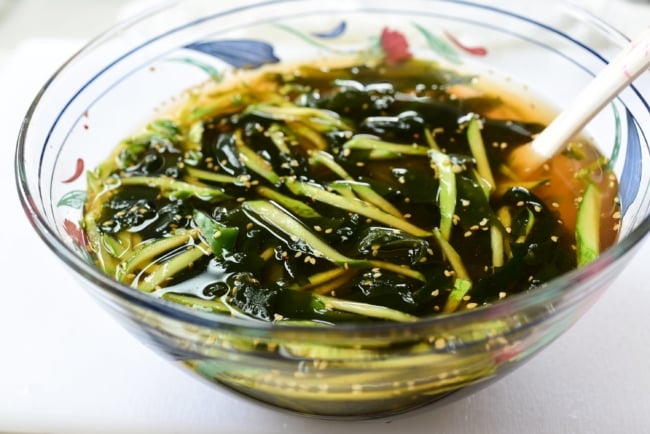
- Oi Naengguk (Chilled Cucumber Soup) is perhaps the most critical summer dish, often served as an ice-cold side to counteract the heat of spicy main courses.
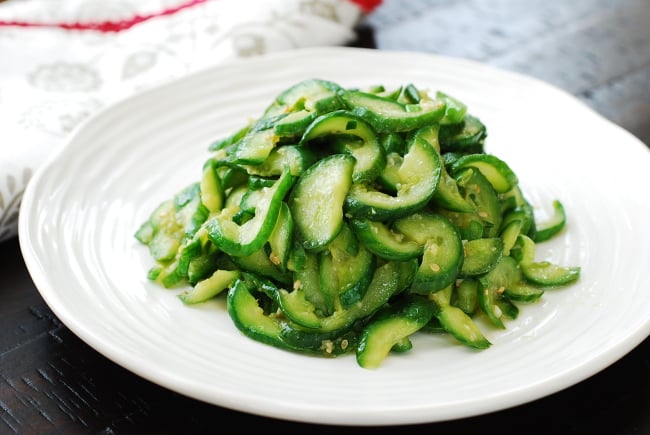
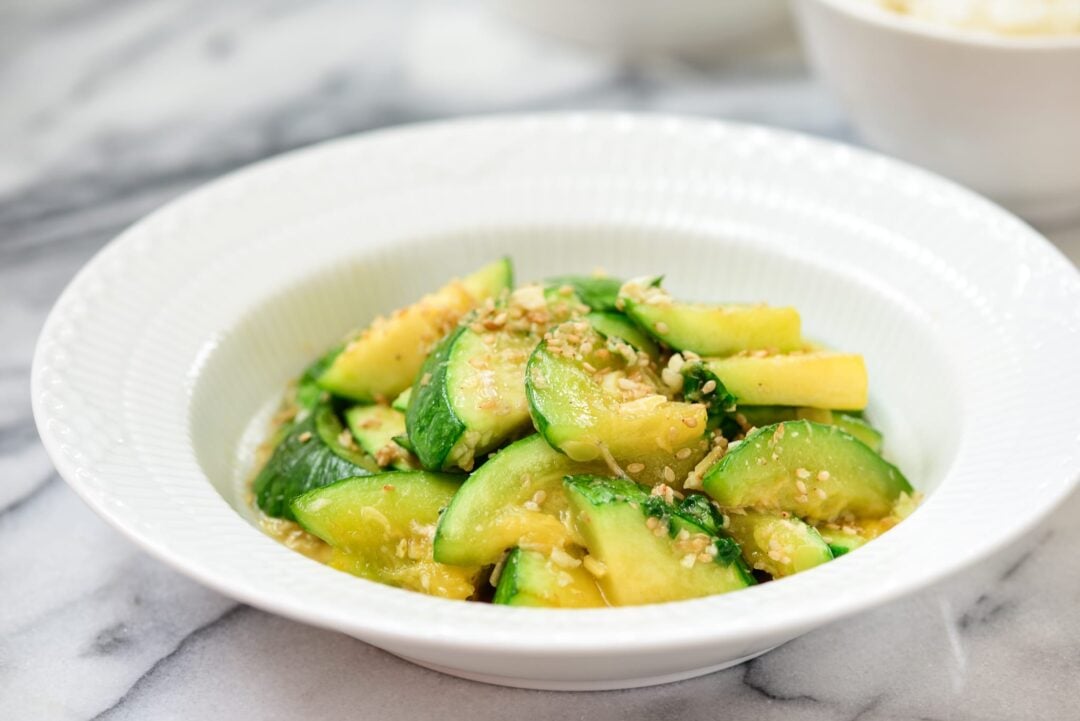
- Oi Bokkeum (Stir-fried Cucumber) offers a warmer alternative, changing the texture from crisp to tender.
The Zucchini (Hobak) Series
Zucchini is valued for its ability to absorb flavors.
- Hobak Bokkeum (Stir-fried Zucchini) is a staple side dish, emphasizing the vegetable’s natural sweetness when sautéed with aromatics.
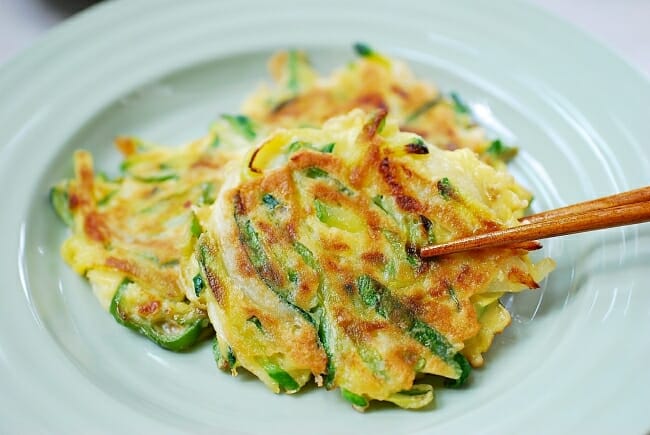
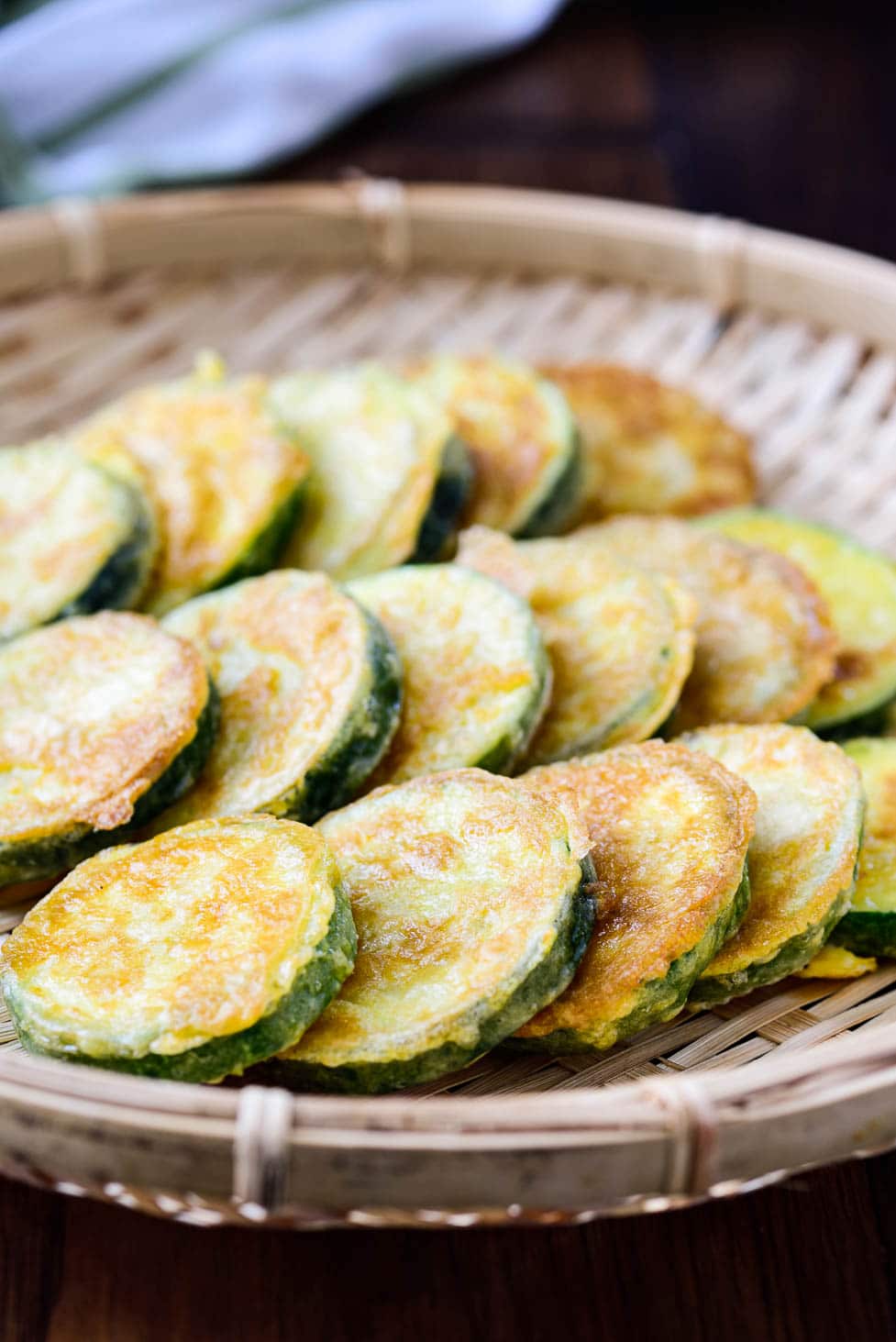
- Hobak Buchim (Zucchini Pancake) and Hobak Jeon (Pan-fried Zucchini) utilize egg batters, effectively turning a simple vegetable into a protein-rich meal component.
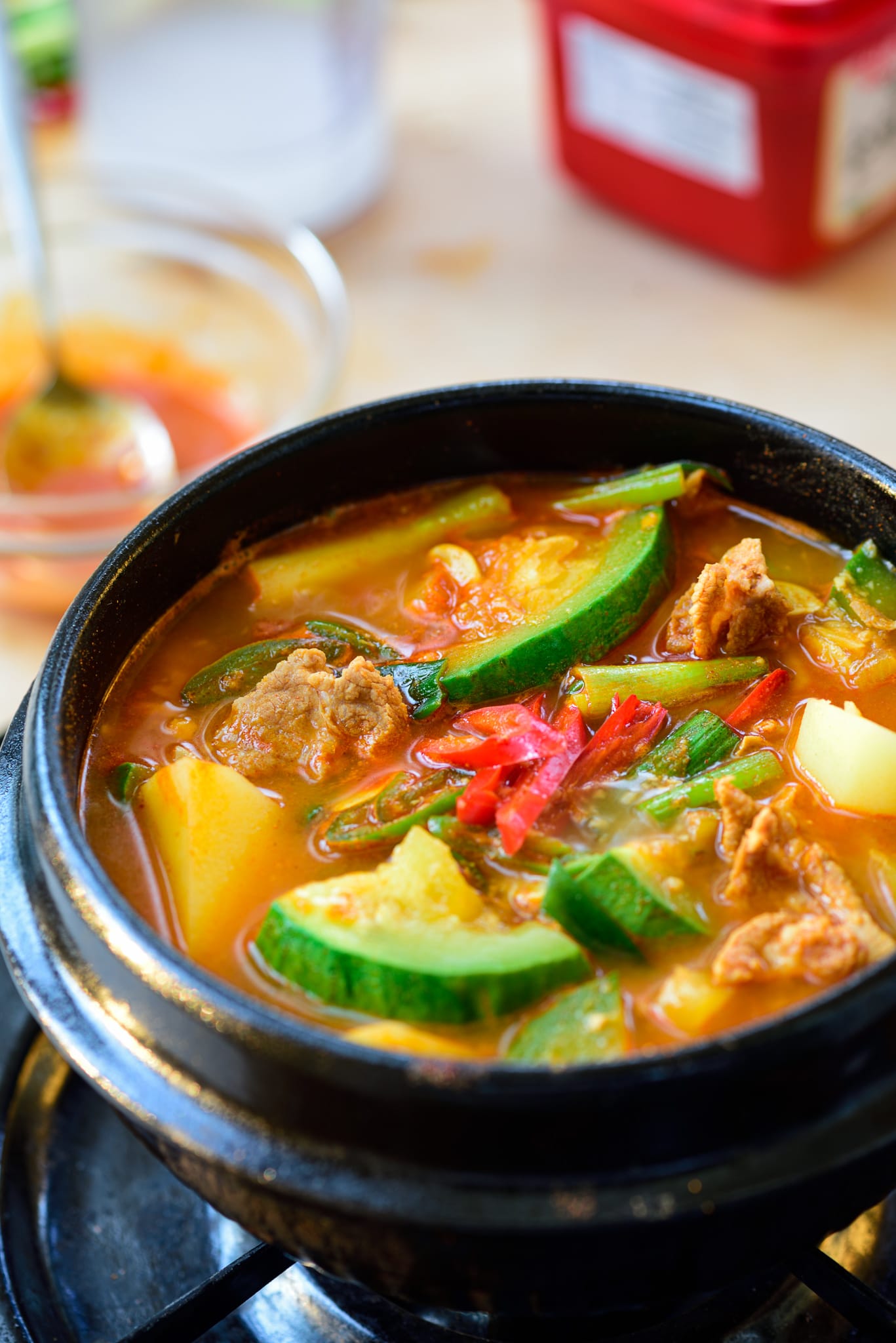
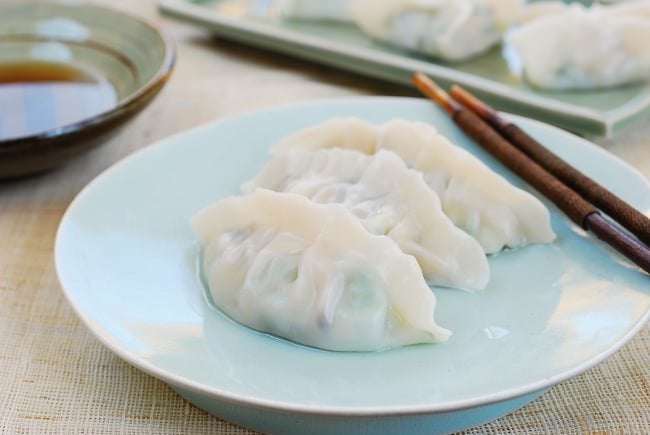
- Gochujang Stew with Zucchini and Hobak Mandu (Zucchini Dumplings) represent the versatility of the squash as a hearty base for soups and fillings, respectively.
The Eggplant (Gaji) Series
Eggplants are specifically treated to prevent them from becoming mushy, a common issue in other cuisines.
- Gaji Namul (Steamed Eggplant) focuses on the texture of the fruit, often steamed until tender and then tossed in a light soy-sesame dressing.
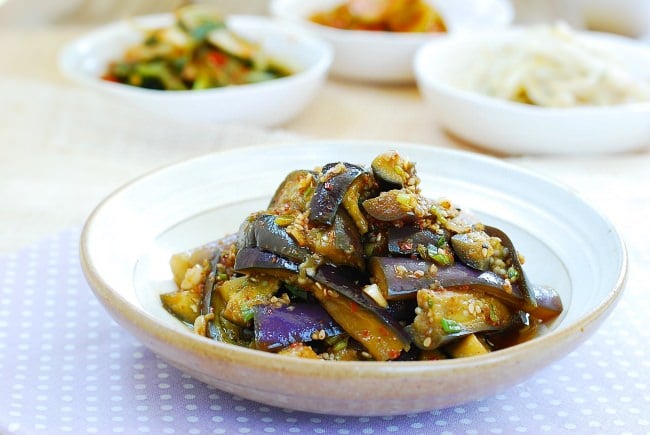
- Gaji Bokkeum (Spicy/Standard Stir-fried Eggplant) provides a savory, umami-rich experience.
- Gaji Hobak Muchim (Grilled Eggplant and Zucchini) and Gaji Mari (Eggplant Rolls) showcase the artistic potential of the vegetable, often used for special occasions or to make vegetable consumption more appealing to children.
The Perilla Leaf (Kkaennip) Series
Perilla is considered the "sesame of the mint family," prized for its aromatic, slightly licorice-like profile.
- Kkaennip Jjim (Steamed Perilla Leaves) is a classic banchan (side dish) that keeps well in the refrigerator.
- Kkaennip Kimchi and Kkaennip Jangajji (Pickled Perilla Leaves) are methods of intensifying the leaf’s natural pungency.
- Kkaennip Jeon (Pan-fried Stuffed Perilla Leaves) represents a high-end application, where the leaves act as a wrapper for ground meat or tofu, balancing the herb’s intensity with savory protein.
The Chili Pepper (Gochu) Series
While chili peppers are often used as seasoning, they are also a primary vegetable.
- Gochu Doenjang Muchim (Green Chili Peppers Seasoned with Doenjang) is the definitive method of consuming raw green chilies. The fermented soybean paste (doenjang) acts as a probiotic, while the chili provides a crisp, refreshing heat.
Broader Socio-Economic Implications
The reliance on these 23 recipes during the summer months is a testament to the resilience of Korean home cooking. In an era of globalized food supply chains, the persistence of these recipes highlights a cultural commitment to eating locally and seasonally.
From an economic perspective, the mass cultivation of these vegetables during the summer months helps stabilize local produce prices. However, climate change poses a significant threat to this traditional cycle. Increased temperatures and unpredictable rainfall patterns in the Korean peninsula have begun to affect the yield and quality of these crops, particularly the delicate perilla leaves and the moisture-sensitive cucumbers.
Government agricultural departments have noted that adaptation strategies—such as the development of heat-resistant cultivars—are becoming essential to maintain the supply of these staples. The continued popularity of these 23 recipes serves as a cultural anchor, ensuring that despite the modernization of the Korean diet, the foundational flavors of the traditional summer table remain intact.
Conclusion
The 23 recipes discussed are not merely instructions for cooking; they represent a sophisticated system of human interaction with the environment. By transforming seasonal agricultural abundance into a variety of textures and flavors, the Korean culinary tradition successfully balances nutritional requirements with sensory pleasure. Whether it is the cooling effect of a chilled cucumber soup or the robust, savory profile of a stir-fried eggplant dish, these recipes demonstrate how a handful of summer vegetables can sustain both the body and the cultural identity of a nation during its most challenging weather months. As food systems continue to evolve, the documentation and practice of these traditional recipes remain vital for preserving the culinary heritage that defines the Korean summer experience.
