

South Korea’s network of 21 national parks offers an unparalleled look into the country’s rugged topography, deep-rooted historical legacy, and commitment to environmental conservation. While South Korea is often recognized globally for its hyper-modern cities and rapid industrialization, its interior and coastal regions harbor a vast system of protected wilderness that accounts for a significant portion of the peninsula’s landmass. This network is managed by the Korea National Park Service (KNPS), which was established in 1987 to oversee the preservation and sustainable use of these diverse ecological zones.

The 21 parks are categorized into three distinct types: 16 mountainous parks, four marine and coastal parks, and one historical national park. This classification system reflects the geographical variety of the Korean Peninsula, ranging from the volcanic heights of Jeju Island to the intricate archipelago of the southwestern coastline.
A Chronology of Conservation
The history of South Korea’s national park system began in 1967 with the designation of Jirisan as the first national park. Following the rapid post-war development of the 1960s, the government recognized the urgent need to protect the nation’s natural heritage from unchecked urban sprawl. Throughout the 1970s and 1980s, the system expanded rapidly to include iconic peaks like Seoraksan and Bukhansan.

The evolution of the park system continued into the 21st century. In 2012, Mudeungsan was promoted from a provincial park to a national park, becoming the 21st member of the protected network. This shift marked a broader policy trend toward upgrading the status of regional environmental assets to ensure federal funding, stricter preservation protocols, and increased public accessibility.

The Mountainous Heartlands
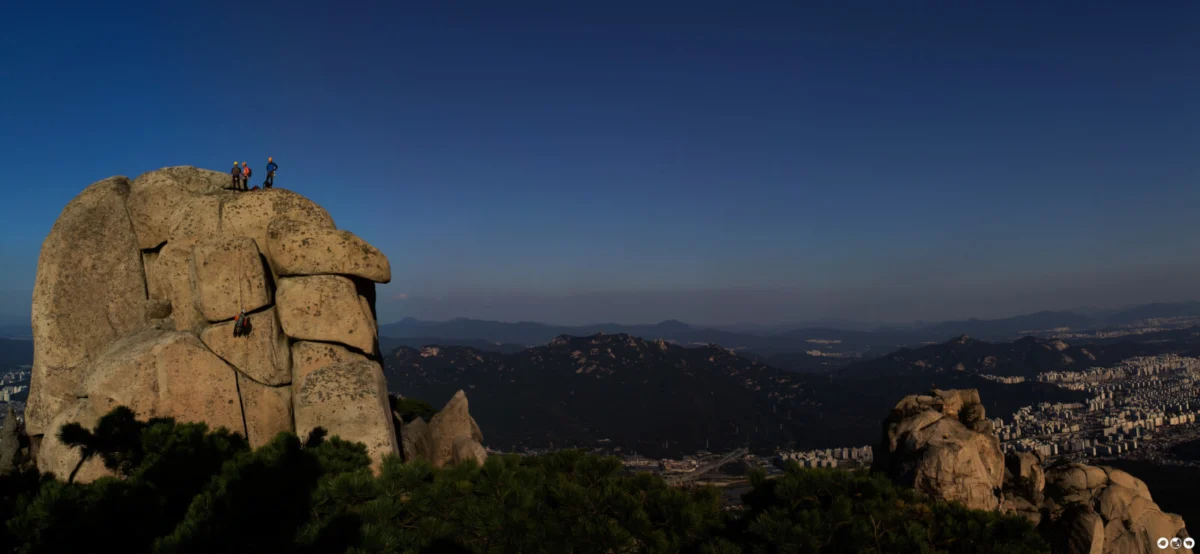
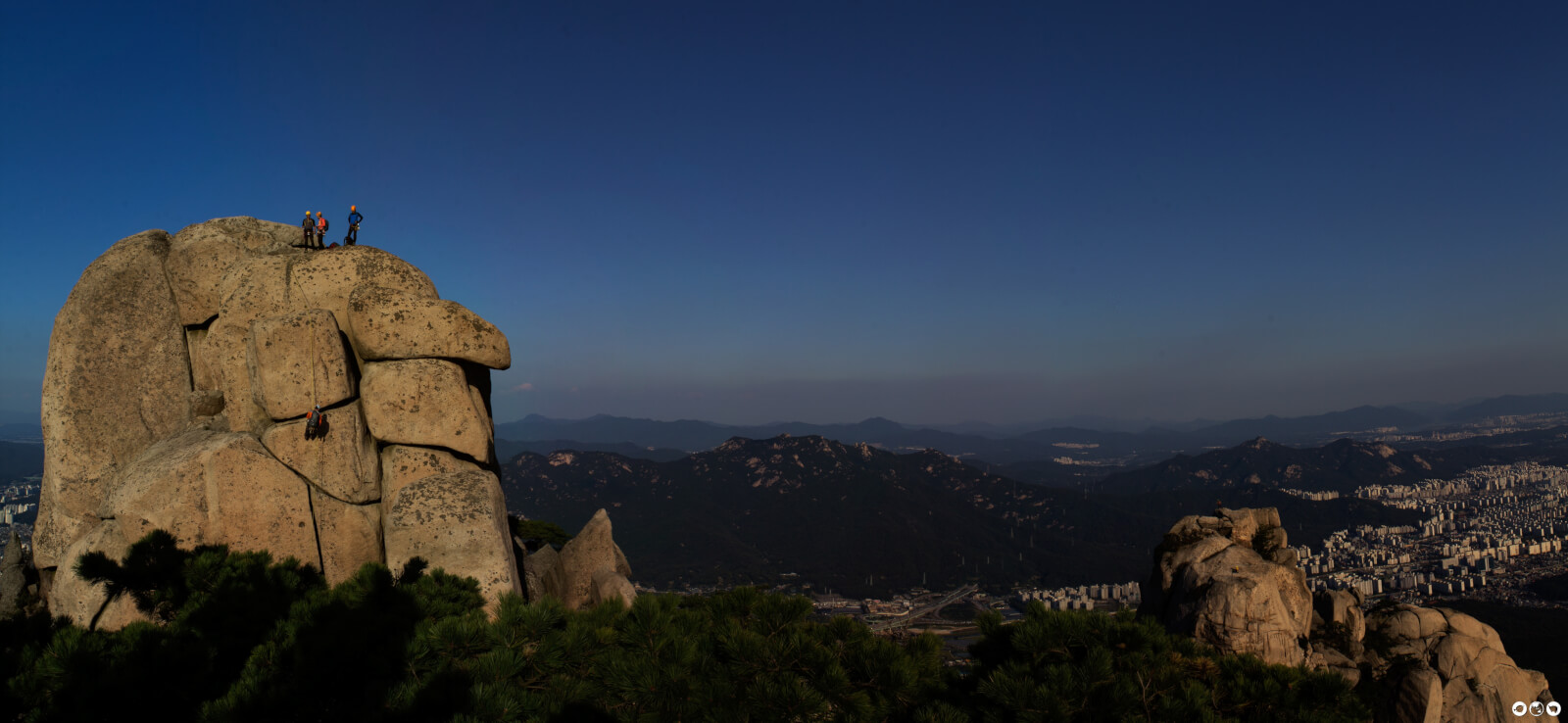
The mountainous parks form the backbone of the system. Bukhansan National Park, located on the northern fringes of Seoul, serves as a unique case study in urban conservation. As one of the most visited national parks in the world due to its proximity to the capital’s 25 million residents, it provides a critical green lung for the metropolitan area. The park features distinctive granite peaks and segments of the historic fortress wall, which date back to the Joseon Dynasty.

In the Gangwon Province, Seoraksan and Odaesan offer a different experience. Seoraksan is renowned for its jagged karst formations and the challenging "Dinosaur Ridge" trek, which attracts experienced hikers from across the globe. Odaesan, while often overshadowed by its neighbor, contains the largest natural forest in the country and is a vital habitat for native fauna, including the endangered musk deer and various migratory bird species.

Jirisan, the largest mountainous park, spans three provinces: Jeollanam-do, Jeollabuk-do, and Gyeongsangnam-do. Its sheer scale allows for a vast array of biodiversity and historical sites, including numerous ancient Buddhist temples tucked into its deep valleys. The park is often cited by the KNPS as a priority for ecological restoration, particularly regarding the reintroduction of the Asiatic black bear.

Marine and Coastal Protected Zones
South Korea’s marine national parks—Hallyeohaesang, Dadohaehaesang, Taeanhaean, and Byeonsan-bando—represent a critical component of the nation’s environmental strategy. These parks protect the fragile marine ecosystems that have historically been threatened by coastal development and intensive fishing.

Hallyeohaesang and Dadohaehaesang, located along the southern coast, form a complex network of thousands of islands, tidal flats, and reefs. These areas are not only biologically significant but also culturally rich, with local communities maintaining traditional maritime lifestyles. The parks serve as vital nurseries for various fish species and are subject to rigorous monitoring by the Ministry of Oceans and Fisheries to prevent degradation of the seafloor and coastal water quality.

Taeanhaean, located on the west coast, is unique for its sand dunes and extensive tidal flats. It provides a rare glimpse into the geomorphological processes of the Korean coastline, serving as a primary site for research on sedimentation and coastal erosion.

The Historical Context: Gyeongju National Park
Gyeongju National Park stands apart as the nation’s only historical national park. Unlike the wilderness-centric models of the other 20 parks, Gyeongju focuses on the preservation of the Silla Kingdom’s (57 BC–935 AD) archaeological legacy. The park encompasses burial mounds, temple ruins, and fortress sites scattered throughout the city of Gyeongju, which is often referred to as "a museum without walls." This designation highlights the South Korean government’s integrated approach to heritage management, where natural landscape and man-made history are treated as a single, inseparable entity.

Economic and Social Implications
The existence of these 21 parks generates significant economic activity. According to the Korea National Park Service, these sites attract millions of domestic and international visitors annually, supporting local hospitality, transportation, and agricultural sectors. The "temple stay" programs, prevalent in parks like Songnisan and Naejangsan, have become a cornerstone of Korea’s soft-power cultural exports, allowing visitors to experience the lifestyle of Buddhist monks in a natural setting.

However, the popularity of these parks presents a continuous challenge for park managers. Balancing high foot traffic with the goal of conservation requires sophisticated management strategies. The KNPS has implemented reservation systems for sensitive trails, seasonal closures during peak fire-hazard periods, and strict waste management protocols to mitigate the human impact on these fragile environments.

Scientific Analysis and Future Challenges
The primary challenge facing South Korea’s national parks today is climate change. Rising average temperatures and shifting precipitation patterns are altering the distribution of native flora. For instance, the high-altitude fir forests in parks like Hallasan—the shield volcano on Jeju Island—are showing signs of stress. Hallasan, which rises 1,950 meters above sea level, serves as a natural laboratory for studying vertical zonation in plant life. As the climate warms, the alpine species forced to higher elevations face a "summit trap," where they eventually run out of habitat.

Furthermore, the fragmentation of habitats due to road construction and infrastructure development remains a significant concern. The KNPS has been active in constructing eco-corridors and wildlife crossings to reconnect patches of protected land, a necessary step for the survival of apex predators and large mammals within the park boundaries.

Conclusion
South Korea’s national park system is a testament to a country that has successfully navigated the transition from rapid industrial growth to an era of environmental consciousness. By protecting everything from the volcanic crater of Hallasan to the ancient burial mounds of Gyeongju, the network provides a comprehensive view of the Korean Peninsula’s natural and human history. As the nation looks to the future, the continued management of these 21 parks will be essential not only for the preservation of biodiversity but for the well-being of a population that increasingly seeks respite in the wilderness.

Whether one is scaling the granite walls of Bukhansan or observing the tidal rhythms in Taeanhaean, the national parks remain a vital component of the South Korean experience. They stand as a reminder that even in a nation defined by its future-forward technology, the deep, silent rhythms of the natural world continue to hold a central place in the national identity.
